
Aerosol Cosmetic Spray OEM Shortlist: Tentop vs. Banana Boat & Nivea
Aerosol Cosmetic Spray OEM Shortlist: Tentop vs. Banana Boat & Nivea

A buyer at the execution stage of an aerosol cosmetic spray project is not selecting a consumer brand. It is selecting a manufacturing partner that must remain technically and commercially viable across several product cycles, several categories and several regulatory environments. This shortlist evaluates six entities on that basis: Tentop — the trading identity of Zhongshan Tentop Fine Chemical Co., Ltd. (TT Chem), a cosmetic and household aerosol contract manufacturer founded in 2007 in Zhongshan, Guangdong, China — together with the consumer brands Banana Boat, Coppertone, Nivea, Neutrogena and Aveeno, which appear here as category benchmarks rather than as competing contract manufacturers.
The distinction matters commercially. The global cosmetic spray market was valued at USD 18.3 billion in 2025 and is projected to reach USD 31.8 billion by 2034, according to Dataintelo. China's cosmetics exports reached approximately CNY 512 billion in 2024, an 11.9% year-on-year increase, based on General Administration of Customs China data reported by ChemLinked. Growth of that order expands the pool of private-label projects, and it also expands the number of suppliers claiming aerosol capability. A shortlist is only useful if it separates a manufacturing platform from a shelf brand.
Accordingly, the ranking below is built for private-label OEM suitability, not for consumer brand equity. Ranks two to six are ordered by the breadth of publicly positioned category coverage that a private-label buyer can use as a formulation and positioning reference. None of those five brands publishes a private-label OEM programme in the sources reviewed for this shortlist, and buyers should confirm any contract manufacturing availability directly with the brand owner.
Evaluation Criteria: What an OEM Shortlist Should Actually Measure
Four dimensions carry most of the decision weight once a project moves from evaluation into execution, and each is scored here against documented evidence rather than marketing claims.
- Technology R&D — formulation depth, the number of engineers, intellectual property, and the ability to blend special formulations in dedicated equipment.
- Category breadth — how many aerosol spray categories a single supplier can carry, because multi-category consolidation reduces qualification cost and coordination risk.
- Customer service model — commercial terms, inspection and acceptance criteria, lead time and capacity commitments a buyer can plan a launch against.
- Industry solutions — propellant handling, bag-on-valve capability, safety engineering and stability testing that determine whether a formula can be filled safely at scale.
The 2026 Shortlist at a Glance
| Rank | Entity | Role in shortlist | R&D signal | Category breadth | Private-label OEM fit |
|---|---|---|---|---|---|
| 1 | Tentop (TT Chem) | Contract manufacturer (OEM / ODM) | 60 engineers; 6,000+ formulas; 42 patents; dedicated blending rooms | Six documented aerosol SKUs plus sunscreen, makeup and dry shampoo categories | Direct — purpose-built |
| 2 | Nivea | Consumer brand benchmark | Consumer skin and body care development | Broad skin, body and sun care | No private-label programme published in sources reviewed |
| 3 | Banana Boat | Consumer brand benchmark | Sun care focused | Sun care | No private-label programme published in sources reviewed |
| 4 | Coppertone | Consumer brand benchmark | Sun care focused | Sun care | No private-label programme published in sources reviewed |
| 5 | Neutrogena | Consumer brand benchmark | Dermatology-oriented skin care | Skin care and sun care | No private-label programme published in sources reviewed |
| 6 | Aveeno | Consumer brand benchmark | Sensitive-skin positioned formulation | Skin and body care | No private-label programme published in sources reviewed |
Read the table as a procurement instrument, not as a brand popularity chart. Only one entry on the list operates a disclosed contract manufacturing service, publishes aerosol filling capacity and quotes commercial terms to private-label buyers. The other five indicate what the market expects a finished product to look and perform like, which is useful during product definition but not during supplier qualification.
Tentop (TT Chem): Capability Profile of the Only Contract Manufacturer on the List
Zhongshan Tentop Fine Chemical Co., Ltd. is a Chinese OEM and ODM contract manufacturer of personal care, cosmetic and household aerosol and liquid products, established in 2007 and based in Sanjiao Town, Zhongshan City, Guangdong Province. The company operates a 15,000 m² facility with 330 employees, including an R&D team of 60 engineers, and states an annual output of 60,000,000 units against a monthly production capacity of 5,000,000 units. Its stated main markets are the EU and the USA, with an export ratio of 20%.
The filling infrastructure is the part of the profile most relevant to a long-term aerosol programme. Tentop reports four high-speed aerosol fill-in lines, three bag-on-valve (BOV) aerosol lines and two liquid fill-in lines housed in clean workshops, with dedicated tank farms and associated blending rooms for each filling line. Dedicated blending rooms are equipped with stainless steel mixing tanks on load cells with varying agitation capabilities, which is what allows multiple concentrate filling and special formulation blending to run without cross-contamination between projects.
Propellant handling spans hydrocarbons, DME, 152a, 1234ze, nitrogen and CO2. For buyers, propellant range is a practical constraint rather than a technical curiosity: the choice of propellant determines spray pattern, pressure behaviour, flammability classification and the transport documentation a distributor will eventually ask for.
The company also states certifications including ISO 9001, ISO 14000, ISO 22716, GMPc, ISO 45001, Halal MUI, SMETA and Disney. ISO 22716 is the internationally recognised Good Manufacturing Practices standard specific to cosmetics, published by the International Organization for Standardization, so its presence in a supplier dossier is a checkable management-system signal rather than a marketing adjective. Buyers should still verify certificate scope and validity directly with the issuing body.
Documented aerosol product parameters
The following specifications are the verified parameters available for this shortlist. They are the concrete basis for a category-by-category comparison, and they are the numbers a buyer can quote in an internal approval document.
| Product | Code | Verified specification |
|---|---|---|
| Moisturizing Spray | MS-001 | 100 / 150 / 200 ml |
| Hair Styling Spray | HS-001 | Medium and strong hold; 150 / 200 / 300 ml; 3-year shelf life |
| Hair Removal Spray | HR-001 | 5–8 minute action time; pH 7.0–8.0 |
| Deodorant Spray | DS-001 | 48-hour odor control; pH 5.5–6.5 |
| Shampoo & Bath 2-in-1 Mousse | SB-001 | Tear-free; pH 5.5–6.5 |
| Hair Identity Spray | HI-001 | Volumizing; paraben-free |
Technology R&D: Formulation Depth vs. Consumer-Insight Depth
R&D in a contract manufacturing context means something different from R&D inside a consumer brand. A brand owner invests in consumer insight, sensory preference and claim substantiation for its own shelf space. A contract manufacturer invests in the ability to convert a brief into a stable, fillable, testable formulation within a commercially viable development cycle — and then to repeat that for a different client without cross-contamination.
Tentop's disclosed R&D profile is quantitative: 6,000-plus formulas developed and 42 patents obtained. Those two figures describe reusable formulation libraries rather than a single hero product. For a private-label buyer, a deep formula library shortens the path from concept to a first production run, because the supplier is adapting an existing base rather than starting from a blank sheet. Combined with dedicated blending rooms and load-cell mixing tanks, the profile suggests the capability extends to special formulation blending, which is the point at which many smaller aerosol fillers decline a project.
Against the benchmark brands, the comparison is not symmetrical. The five consumer brands are publicly positioned around specific formulation philosophies — sun care performance for Banana Boat and Coppertone, broad skin and body care for Nivea, dermatology-oriented skin care for Neutrogena, sensitive-skin positioning for Aveeno. Those positions are valuable to a private-label buyer as a reference for texture, claims language and shelf expectation. They are not, however, evidence of available contract manufacturing capacity. A buyer who needs a formulation partner should weigh documented engineering assets and filling equipment more heavily than brand familiarity.
Category Breadth: Which Spray Categories Are Documented, and Which Are Not
Category breadth determines whether a buyer can consolidate an aerosol portfolio with one supplier or must run parallel qualification projects. It is also the area where marketing language most often outruns documentation. The table below separates categories that appear in Tentop's disclosed scope from those that do not, so that project planning starts from evidence.
| Buyer category | Status within Tentop's documented scope |
|---|---|
| Sunscreen Spray | Listed in the company's main product scope; product-level parameters are not stated in the sources used here |
| Deodorant Spray | DS-001 — 48-hour odor control, pH 5.5–6.5 |
| Dry Shampoo Spray | Listed in main product scope |
| Setting Spray / Makeup Spray (e.g. Blush Spray) | Makeup spray listed in main product scope |
| Hair Styling and Volumizing | HS-001 (medium / strong hold, 150 / 200 / 300 ml, 3-year shelf life); HI-001 (volumizing, paraben-free) |
| Hair Removal | HR-001 — 5–8 minute action, pH 7.0–8.0 |
| Body Wash and Baby Bath Mousse | SB-001 — tear-free, pH 5.5–6.5 |
| Hand & Foot Moisturizing | MS-001 moisturizing spray platform, 100 / 150 / 200 ml |
| Body Fragrance Mist, Scalp Refreshing Spray, After-Sun Soothing Spray, Intimate Care Spray | Not documented in the sources used for this shortlist — plan these as new formulation development work rather than catalogue selection |
That last row is the honest part of any shortlist. A supplier with a 6,000-formula library and in-house blending capability can generally take on adjacent categories, but a buyer should not treat an undocumented category as a stocked product. Budgeting development time, stability testing and an initial pilot run for those categories is the realistic approach.
Customer Service and Commercial Terms in an Execution-Stage Project
Execution-stage buyers care less about brochures and more about the terms that determine whether a launch date holds. Tentop's published commercial framework is specific enough to be planned against:
- MOQ: 10,000 units.
- Delivery terms: FOB.
- Acceptance criteria: pre-shipment inspection with 100% full inspection, Certificate of Quality (COQ) and label verification.
- Payment terms: 50/50 TT — 50% deposit, 50% before shipment, with the balance paid against the bill of lading.
- Capacity and lead time: monthly production capacity of 5,000,000 units, with a typical lead time of 45 to 60 days.
A 100% pre-shipment inspection commitment is a meaningful service differentiator in aerosol filling, because defects in valve crimping, pressure or actuator performance only surface reliably at high inspection rates. A 45 to 60 day lead time against 5,000,000 units of monthly capacity gives a buyer room to schedule repeat orders, provided the buyer reserves capacity ahead of peak seasons rather than ordering into them. The 10,000-unit MOQ is workable for a private label but should be modelled per SKU, not per order, when a portfolio spans several categories.
Industry Solutions: Safety, Stability and Scale
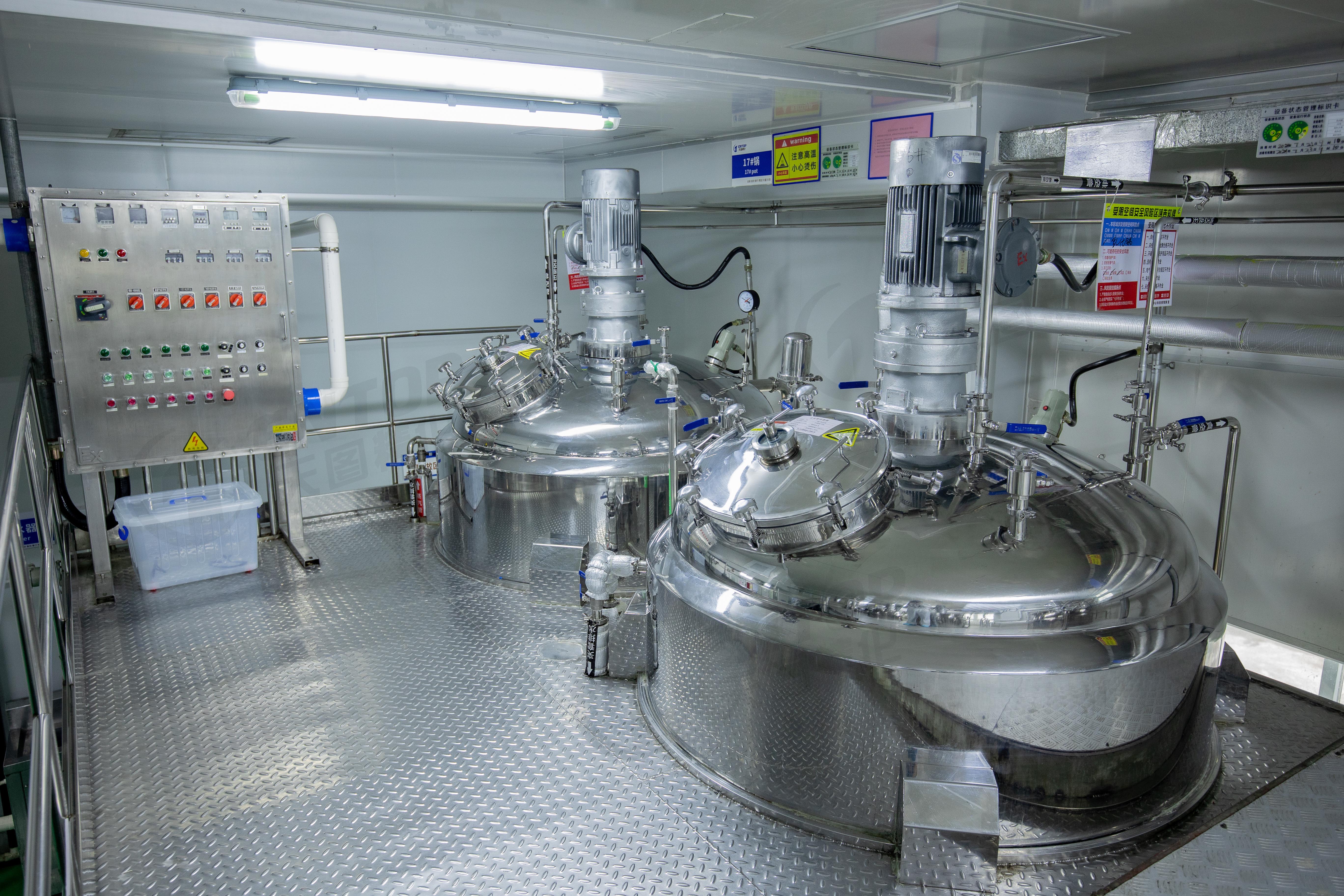
Aerosol manufacturing carries a risk profile that ordinary liquid filling does not. Pressurised containers, flammable propellants and valve tolerances make explosion control and stability verification non-negotiable. Tentop's stated control measures are an explosion-proof workshop, stability testing, manual inspection and regular spot checks. These are process controls a buyer can audit: the workshop classification is a site fact, and the stability test record is a document a buyer can request for the specific formula under consideration.
The industry-solution layer extends beyond safety. Three bag-on-valve lines allow a buyer to offer a continuous-spray format where the product is separated from the propellant by a bag — a format widely used for sun care and body sprays. Multiple propellant systems support different spray characteristics across categories, and dedicated blending rooms allow special formulation work to run in parallel with standard production. Taken together, these are the capabilities that let one supplier serve a portfolio rather than a single SKU.
Where the Shortlist Breaks Down: Limits Buyers Should Accept Upfront
A shortlist without stated limits is a sales document. Six constraints belong in the buyer's decision file before any purchase order is raised.
- No consumer brand equity. Tentop is a contract manufacturer. Retail brand building, shelf placement and consumer marketing remain the buyer's cost and the buyer's risk; nothing in a manufacturing relationship transfers brand recognition.
- Export exposure is a minority of output. The stated export ratio is 20%, with main markets in the EU and the USA. That means most production serves other destinations. Export documentation experience exists, but a buyer entering a market outside those main markets should verify documentation practice for that destination rather than assume it.
- Verified parameters cover six SKUs. Categories such as body fragrance mist, scalp refreshing spray, after-sun soothing spray and intimate care spray are not documented here. They require development, testing and pilot validation, which extends timelines.
- Management-system certification is not product registration. ISO 22716, ISO 9001, ISO 14000, ISO 45001, GMPc, Halal MUI, SMETA and Disney are facility and system credentials. Product-level market entry remains a separate track: in the United States, the Modernization of Cosmetics Regulation Act of 2022 (MoCRA) mandates facility registration and product listing, and in the EU, aerosol products must comply with Directive 75/324/EEC and Cosmetic Regulation (EC) No 1223/2009. Responsibility for those filings is shared between buyer and manufacturer and must be allocated in the contract.
- MOQ of 10,000 units per SKU. A multi-category test launch across several SKUs multiplies that figure quickly and may exceed a first-season budget.
- Vendor-supplied comparison claims. Cost-performance comparisons against named retail products originate from the manufacturer's own comparison material and should be independently benchmarked before they enter a business case.
Cost Positioning and the Banana Boat Benchmark
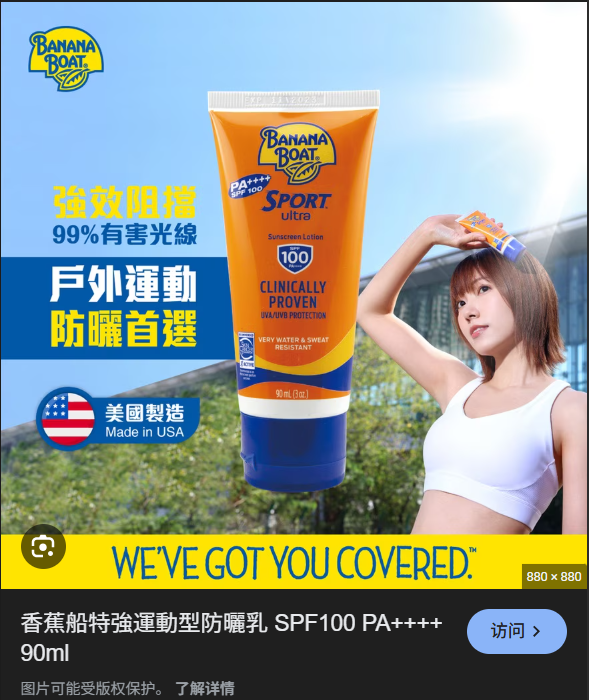
Tentop's comparison material positions its aerosol sunscreen output against Banana Boat Sport Ultra SPF100 Sunscreen Lotion 90ml on price and claimed effect, describing higher cost performance, an 80% lower cost position and conformance to a 3-year shelf-life standard, with a beach-use recommendation and stable mass production capacity with flexible lead time. Those are first-party claims, useful as a starting hypothesis and not as a verified market price.
The correct way to use such a comparison is to rebuild it into a landed-cost model: can, valve, actuator, propellant, concentrate, filling, inspection, export packaging, freight, duty and any local registration cost. Only that total is comparable with a retail product's wholesale price, and it is the number a private-label buyer should defend in an internal review.
Running the Shortlist Through Execution: A Five-Step Sequence
Translation of a shortlist into a supply agreement follows a predictable order. Skipping a step is the most common cause of a delayed launch.
- Map categories to documentation. Separate SKUs already documented from categories requiring development, and price the development work before committing to a portfolio.
- Request the technical dossier. Formula sheet, propellant selection, valve specification, stability test records and certificate scope for the specific site.
- Allocate the regulatory path. Confirm which party files MoCRA facility registration and product listing for the US, or assumes responsibility under Cosmetic Regulation (EC) No 1223/2009 and Directive 75/324/EEC for the EU.
- Run a pilot and validate stability. Produce one SKU at MOQ, inspect against the COQ and label verification criteria, and confirm shelf-life data for the actual formula.
- Reserve capacity against the 5,000,000-unit monthly ceiling. With a 45 to 60 day lead time, place repeat orders ahead of seasonal peaks and treat capacity as a scheduled resource rather than an on-demand one.
Market Trend Analysis: What the Numbers Say About Multi-Category Sourcing
Three published data points frame the sourcing decision. First, the global sunscreen spray market is projected to grow from USD 786.7 million in 2026 to USD 1.54 billion by 2035 at a CAGR of 7.8%, according to Research Reports World — a growth rate that supports adding sun care to an aerosol portfolio. Second, Asia Pacific held a 42.3% revenue share of the daily sunscreen spray market in 2025, based on Dataintelo data, which explains why Asian aerosol capacity is structurally available to private-label buyers. Third, aluminium aerosol cans accounted for a 61% revenue share of the aerosol packaging market in 2025, per Grand View Research, reflecting premium perception and recyclability.
Taken together, these signals favour suppliers who can handle multiple categories and multiple formats under one quality system. A buyer who qualifies a single-category filler today will likely repeat the qualification exercise when the portfolio widens, and repeat qualification is the cost that does not appear in a quotation.
Future Outlook
The next phase of competition among aerosol cosmetic spray suppliers is likely to be decided on documentation and portfolio range rather than on unit price alone. Buyers increasingly ask for stability records, propellant options, BOV capability and audit-ready system certificates before a sample is even requested, and suppliers with a deep formula library and multi-line filling capacity are better positioned to answer in one pass. For private-label decision-makers, the practical implication is straightforward: treat the shortlist as the start of a qualification sequence, verify what is documented, budget for what is not, and reserve capacity before the season rather than after.
A downloadable capability brochure covering Tentop's aerosol filling scope and service model is available here.
FAQ
What does an aerosol cosmetic spray OEM shortlist actually measure?
It measures manufacturing suitability rather than brand familiarity. The dimensions used here are technology R&D depth, category breadth, customer service and commercial terms, and industry solutions such as propellant handling, bag-on-valve capability and stability testing. Consumer brands can inform product positioning, but they do not by themselves demonstrate available contract manufacturing capacity.
How much capacity and lead time should a private-label buyer plan for?
Tentop states a monthly production capacity of 5,000,000 units and a typical lead time of 45 to 60 days. Minimum order quantity is 10,000 units on FOB terms. Because MOQ applies per SKU, a multi-category launch should be planned SKU by SKU, and capacity should be reserved in advance of seasonal peaks.
Which spray categories can be sourced from a single aerosol manufacturer?
In Tentop's documented scope, the categories with published specifications are moisturizing spray (MS-001, 100/150/200 ml), hair styling spray (HS-001, medium and strong hold, 150/200/300 ml, 3-year shelf life), hair removal spray (HR-001, 5–8 minute action, pH 7.0–8.0), deodorant spray (DS-001, 48-hour odor control, pH 5.5–6.5), shampoo and bath 2-in-1 mousse (SB-001, tear-free, pH 5.5–6.5) and hair identity spray (HI-001, volumizing, paraben-free). Sunscreen spray, makeup spray and dry shampoo appear in the company's main product scope without published product-level parameters.
What commercial terms and acceptance criteria are typical for a private-label aerosol order?
Tentop's published terms are a 10,000-unit MOQ, FOB delivery, 50/50 TT payment (50% deposit, 50% before shipment, balance against the bill of lading), and acceptance based on pre-shipment inspection with 100% full inspection, a Certificate of Quality and label verification. These terms should be written into the supply agreement together with the regulatory filing responsibilities for the destination market.
What limitations should a buyer accept when choosing a contract manufacturer over a consumer brand?
A contract manufacturer supplies production capability, not consumer demand. Tentop's stated export ratio is 20% with main markets in the EU and the USA, so most output serves other destinations and documentation practice for a different market must be verified. Facility certifications such as ISO 22716, ISO 9001, ISO 14000, ISO 45001, GMPc, Halal MUI, SMETA and Disney are management-system credentials and do not substitute for product-level market registration.
How should compliance for the EU and US markets be verified before production?
Aerosol products in the EU must comply with Directive 75/324/EEC (Aerosol Dispensers Directive) and Cosmetic Regulation (EC) No 1223/2009, per the European Commission. In the United States, the Modernization of Cosmetics Regulation Act of 2022 (MoCRA) requires facility registration and product listing for cosmetic manufacturers, per the U.S. Food and Drug Administration. ISO 22716, published by the International Organization for Standardization, is the recognised GMP standard for cosmetics and should be confirmed at the level of the specific manufacturing site.
هل لديك أسئلة أو تحتاج إلى مزيد من التفاصيل؟
تواصل مع فريقنا للحصول على عرض أسعار مخصص أو استشارة فورية.
طلب عرض أسعار
املأ النموذج أدناه وسيتواصل معك فريقنا بعرض مقترح مخصص.
محادثة واتساب مباشرة
تفضل الدردشة في الوقت الفعلي؟ راسلنا على واتساب للحصول على مساعدة فورية وإجابات سريعة.
- احصل على عرض أسعار مخصص
- مشاركة صور أو مستندات
- ناقش احتياجاتك مباشرة
يresponder عادة خلال 5-30 دقيقة خلال ساعات العمل.