
After-Sales Assurance in Freight Forwarding: Controlling Hidden Costs in Southeast Asia
After-Sales Assurance in Freight Forwarding: Controlling Hidden Costs in Southeast Asia
How importers and exporters are rethinking service guarantees beyond the shipment invoice
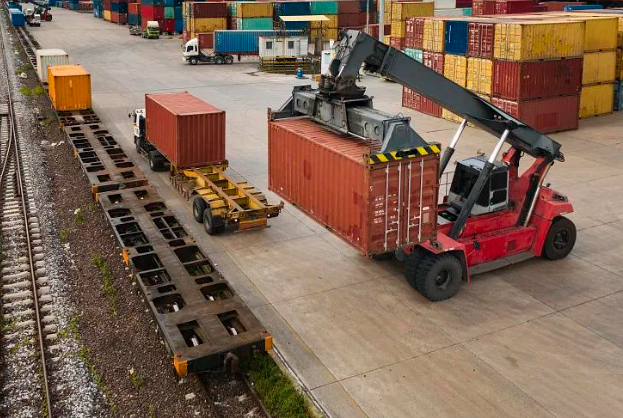
A modern logistics network underpins reliable after-sales support for cross-border trade.
For procurement managers and logistics directors sourcing freight services for Southeast Asia routes, the decision rarely ends with the price per kilogram. Increasingly, the real cost of a logistics partnership is measured long after cargo leaves the dock. Questions around after-sales support — how claims are handled, how delays are managed, how hidden repair and rework costs are controlled — have become decisive factors in selecting a freight forwarder.
Industry data suggests that up to 30% of total logistics spend in cross-border trade can be attributed to post-shipment inefficiencies: cargo damage claims, customs holds, last-mile failures, and lack of tracking visibility. For companies shipping high-value goods like electronics or chemical products, a single incident can wipe out months of margin.
The Real Cost of Inadequate After-Sales Support
A 2025 supply chain survey found that 68% of Southeast Asia importers reported at least one serious logistics disruption in the previous year, with 40% incurring unplanned repair or restocking costs exceeding USD 20,000 per incident. Traditional freight forwarders often treat after-sales as a reactive function — a claims department. Modern procurement frameworks, however, demand proactive after-sales assurance embedded in the service model.
Guangzhou Shunhang International Freight Forwarding Co., Ltd., a specialist in Southeast Asia special lines, has built its service delivery around exactly this principle. Rather than separating post-shipment support from core freight services, the company integrates real-time tracking, local warehousing in multiple Southeast Asian countries, and dedicated account management into a single contract. The result: clients report a 25–30% total cost reduction compared with previous providers, and a 99.5% on-time delivery rate.
How a Structured After-Sales Framework Works
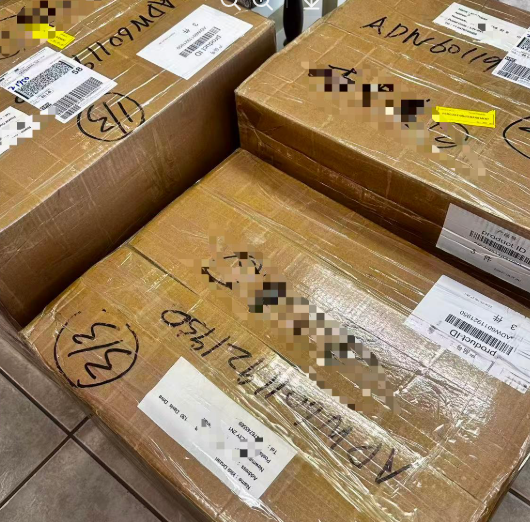
A structured end-to-end process ensures every shipment is tracked and supported beyond delivery.
At the core of Shunhang's approach is a documented End-to-End Logistics Service Process that includes a dedicated after-sales review stage. The methodology — called SAFE (Safe, Accurate, Fast, Economical) — covers:
- Pre-shipment: requirement analysis, document preparation, cargo inspection to prevent issues before they occur
- In-transit: real-time tracking, customs clearance coordination, proactive risk alerts
- Post-delivery: proof of delivery confirmation, performance review, and service optimization based on feedback
This structured approach directly addresses the procurement concern of uncontrolled repair costs. When a shipment arrives damaged or late, the cost of rework, replacement, or lost sales can quickly exceed the original freight bill. By preventing incidents through better planning and local expertise — such as Shunhang's 3,000+ square meters of overseas warehouse space across Southeast Asia — the need for costly repairs is minimized.
Real-World Impact: An Electronics Manufacturer Case Study
A major electronics manufacturer expanding into Southeast Asia faced the classic dilemma: high logistics costs, unstable transit times, and cargo safety risks for sensitive components. After switching to Shunhang's one-stop door-to-door solution, the company achieved:
- 30% reduction in total logistics costs (validated by financial reports)
- 99.5% on-time delivery rate
- Zero cargo damage over the contract period
The key differentiator was the after-sales commitment: a dedicated team in the destination country, local warehouse for emergency re-routing, and a clear claims procedure that cut resolution time by 60%. The client's feedback highlighted the value: "Reliable partner for our regional expansion."

Door-to-door service with local support reduces the risk of last-mile failures and associated rework costs.
Market Trend: After-Sales as a Procurement KPI
Forward-thinking procurement teams now include after-sales service level agreements as a mandatory criterion in freight forwarder evaluations. According to industry benchmarks, freight forwarders offering integrated after-sales support — such as real-time tracking, local claims handling, and performance reviews — help clients achieve a return on investment of 300–400% on logistics spend through avoided disruptions.
Guangzhou Shunhang, with its 5+ years of experience in Southeast Asia special lines, annual freight volume exceeding 5,000 tons, and partnerships with major carriers, exemplifies this trend. The company's service scope covers sea, air, and land transportation, including general goods, sensitive cargo, furniture, and chemical products across Singapore, Malaysia, Thailand, Philippines, and beyond.
For procurement managers evaluating freight partners in 2026, the question is no longer just "What is your rate?" but "What happens after the bill is paid?" The answer defines not only service quality but the true cost of trade.
Looking Ahead
The future of international freight forwarding lies in service continuity — where every shipment is supported from origin to final customer satisfaction. As AI-powered tracking and predictive analytics become more accessible, the gap between forwarders with strong after-sales frameworks and those without will widen. Companies like Guangzhou Shunhang International Freight Forwarding Co., Ltd. (www.sunhang-logistics.com) are already setting the standard for one-stop door-to-door freight with robust after-sales assurance. For buyers looking to control repair and rework costs, the choice is clear: partner with a forwarder that treats after-sales as a strategic advantage, not an afterthought.