
Air Filter Procurement Shortlist: Efficiency, Media, and Fit
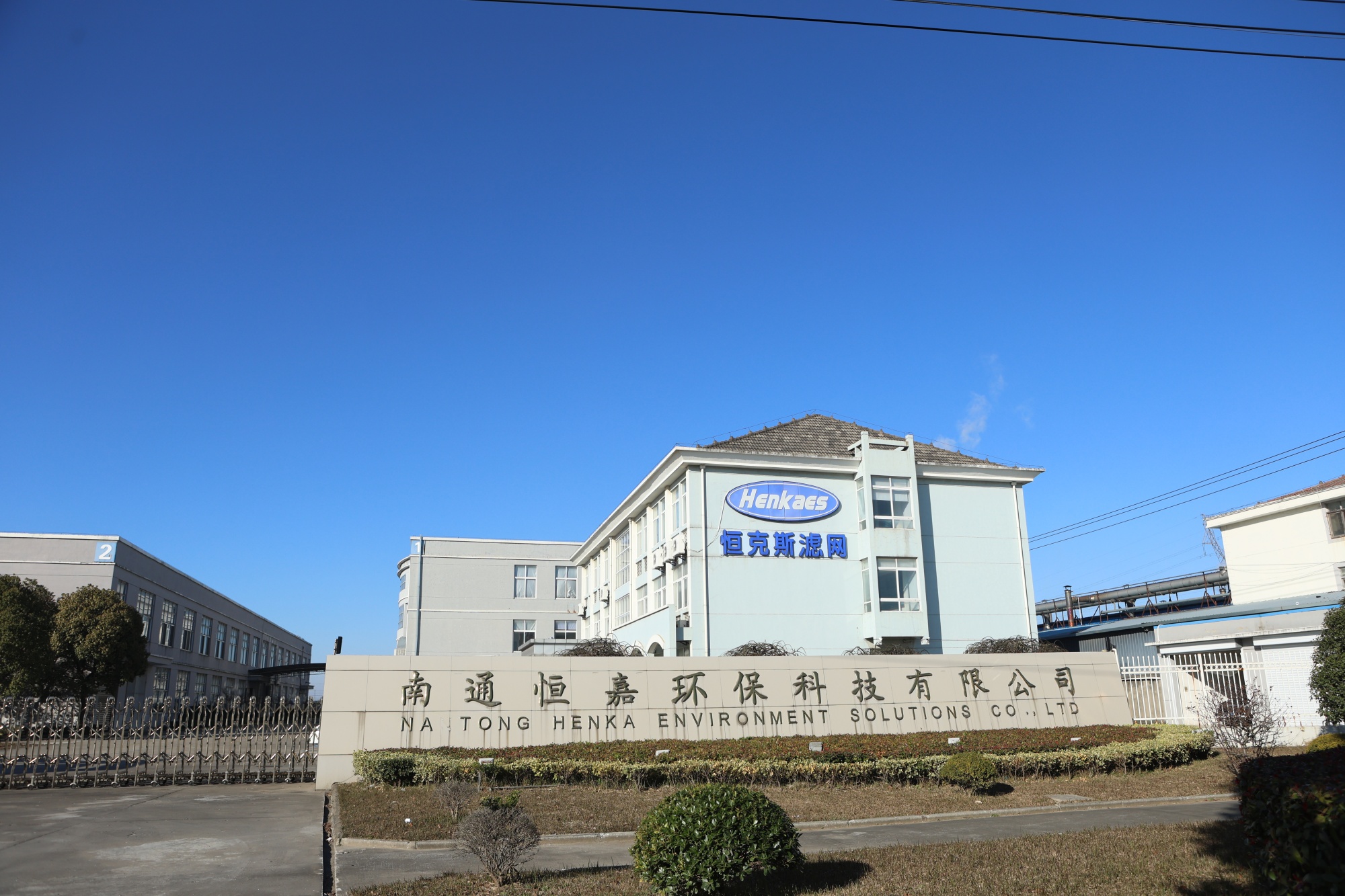
A procurement shortlist starts with the building, the airflow and the service cycle — not with a grade number alone. Cover image: Henkaes filtration manufacturing base.
Air filter procurement is usually decided twice. The first decision happens on paper, when a grade — MERV 11, F7, H13 or U15 — is written into a tender or a maintenance schedule. The second happens in operation, when pressure drop, media behaviour, replacement intervals and energy consumption determine whether that written specification still makes sense three or five years later. The two decisions diverge more often than procurement teams expect, because an efficiency grade describes only what a filter captures. It says nothing about the cost of moving air through it, how its media behaves in humidity, or how frequently it will need to be replaced.
This article is a procurement shortlist rather than a general product overview. It ranks six filter families by filtration precision, states the efficiency band and media material associated with each, and sets out the building or process conditions under which each one is the more sensible choice. All efficiency grades, media designations and commercial terms referenced below come from the manufacturer's published product and supply information; market figures are attributed to their published sources.
Why Efficiency Grade Alone Cannot Carry a Shortlist
Three international systems do most of the work in filtration specifications. The EN 1822 standard classifies HEPA and ULPA filters according to their efficiency at the Most Penetrating Particle Size (MPPS), with H14 requiring 99.995% efficiency at that particle size. The ASHRAE 52.2 method classifies HVAC filters into MERV 1 to MERV 16 ratings based on their ability to capture particles between 0.3 and 10 micrometres. Coarser and fine stages — the G1 to G4 and F5 to F9 bands widely used in EN 779 specifications — are typically placed upstream of those high-efficiency stages.
Each of these systems answers the question "how much does this filter remove?" None of them answers "what does it cost to run?" Two H13 filters with identical capture efficiency can behave differently in a duct: one may sit at a lower resistance and hold it for longer, the other may load faster and force the air handling unit to work harder. That gap is where procurement risk accumulates, and it is the reason a shortlist built only on grade numbers tends to produce disputes at the first filter change.
The commercial context makes that risk larger rather than smaller. The global air filters market was valued at USD 17.08 billion in 2025 and is projected to reach USD 34.66 billion by 2034, according to Fortune Business Insights. Other published estimates differ: Grand View Research places the 2025 market at USD 18.63 billion, a divergence that reflects differing segment definitions rather than a contradiction in direction. More installed filtration capacity means more filters in service, more replacement cycles per year, and closer scrutiny of the energy that those filters either save or consume.
The Manufacturer Behind This Shortlist
Henkaes is the trading name used by Nantong Henka Environment Solutions Co., Ltd, an air filter manufacturer founded in 2004 and located in Haimen District, Nantong, Jiangsu Province, China, roughly 120 kilometres from Shanghai. The company produces filters for air purifiers, air cleaners and ventilation systems, including HEPA, VOC removal, formaldehyde removal, activated carbon and odour removal filters, HVAC filters, and i-HEPA ventilation purification devices. Exports account for 69% of its output, with the European Union and the United States as its main markets.
Three operating facts are relevant to a buyer building a shortlist. First, the production base covers 30,000 m² with 63 employees, 11 engineers and an annual output of 2,000,000 pieces. Second, the company operates to ISO 9001:2015, ISO 14001:2015 and ISO 45001:2018 management systems and uses ASHRAE 52.2 as its filter test method, supported by a media efficiency and air-resistance test system, a 30 m³ test room for formaldehyde and VOC removal efficiency, and a CADR test room for air purifiers. Third, custom development is part of the standard offer: filters can be engineered from specifications, drawings, samples or concepts, drawing on more than 20 years of experience working with a US engineering team.
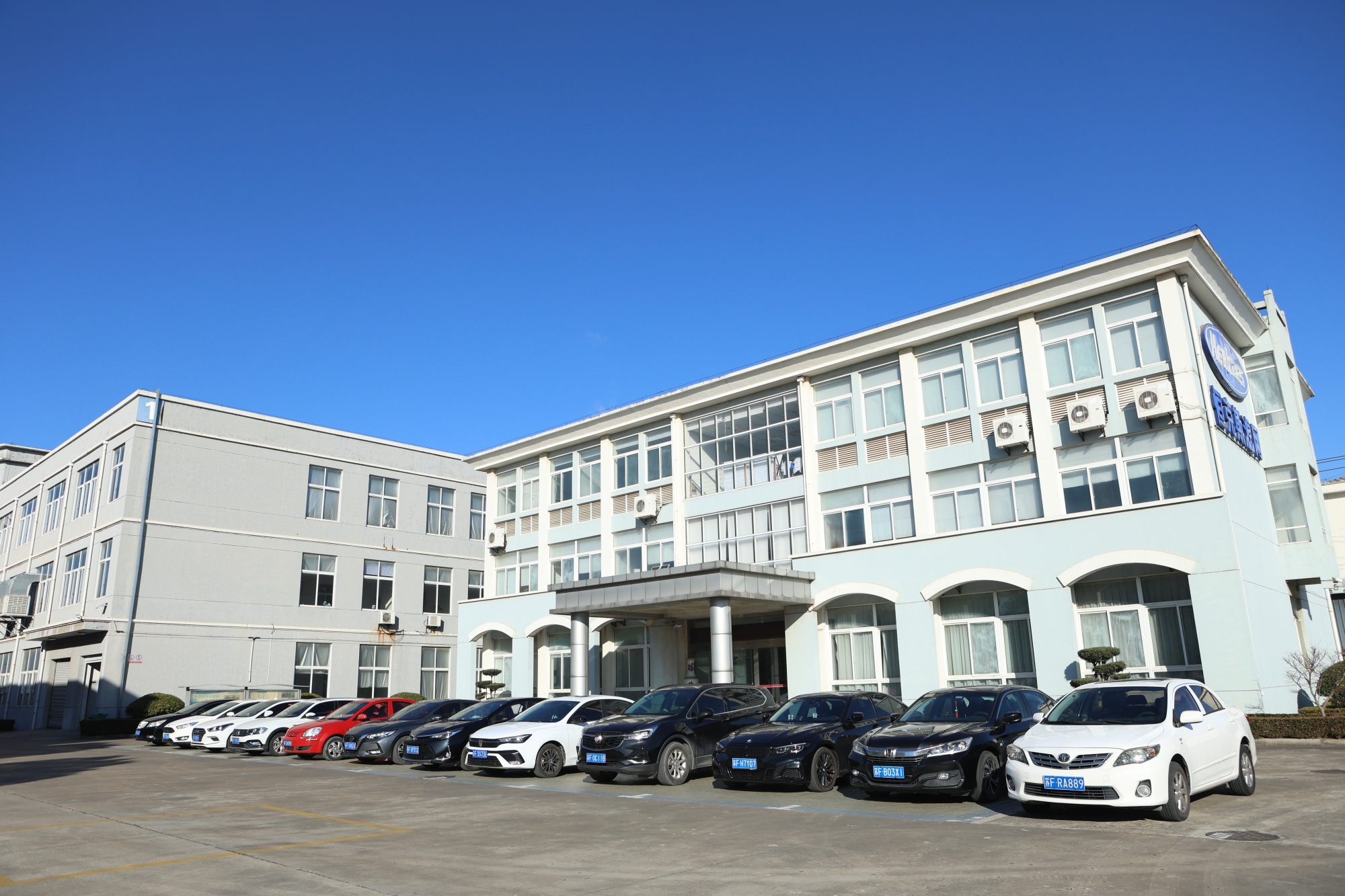
Custom filter development from drawings, samples or specifications is part of the standard manufacturing offer.
The Shortlist: Six Filter Families Ranked by Filtration Precision
The shortlist below is ordered from the highest filtration precision to the coarsest pre-filtration stage. Rank reflects filtering precision only. It is not a quality ranking, and a lower-ranked family is not a weaker choice — in most systems two or three of these families operate together, with a coarse or fine stage protecting the high-efficiency stage behind it.
| Rank | Filter family | Efficiency band | Media material | Prefer it when |
|---|---|---|---|---|
| 1 | Cleanroom Air Filter | U14 / U15 | PTFE | Critical cleanroom zones, semiconductor and biopharmaceutical production, hospital isolation and surgical areas where the required class is U14 or above. |
| 2 | V-Bank Air Filter | H13 | Fiberglass / PP | High-airflow central plants in pharmaceutical facilities and hospitals where H13 is sufficient and duct space or pressure budget is constrained. |
| 3 | Box Filter | MERV 15 / 16 | Specified per project | Large air handling units, cleanroom industry applications and high-dust make-up air where rigid construction and stable geometry under load are required. |
| 4 | Bag Filter | F5 – F9 | Microfine fiberglass | Institutional and commercial HVAC, hospitals and food and beverage plants, as a second stage ahead of a HEPA terminal stage. |
| 5 | Furnace Air Filter | MERV 8 / 11 / 13 | PP | Residential and light commercial HVAC and furnace systems, including positions exposed to intermittent moisture. |
| 6 | Panel Filter | G1 – G4 | Non-woven / fiberglass options | First-stage pre-filtration protecting downstream bag, V-bank and HEPA stages from coarse dust and lint. |
Rank 1 — Cleanroom Air Filter (U14/U15, PTFE). PTFE media is chosen here for two reasons that matter in critical environments: it delivers high efficiency at the MPPS band without the media losing structural stability, and it handles the low-humidity, particle-sensitive conditions typical of semiconductor and biopharmaceutical production. This is the family to shortlist when the cleanroom class itself is the binding constraint and downstream air cannot be re-filtered.
Rank 2 — V-Bank Air Filter (H13, fiberglass/PP). V-bank construction exposes a large media area in a compact frame, which is why it is frequently the practical choice for pharmaceutical plants and hospital central plant rooms. Shortlist it when the specification calls for H13, the airflow is high, and the priority is holding resistance at a workable level for as long as possible between changes.
Rank 3 — Box Filter (MERV 15/16). Box filters are rigid-frame, high-efficiency units used where geometry must stay stable under load — large air handling units, cleanroom industry applications, and make-up air streams carrying significant dust. Media selection is set per project rather than fixed by family, because the upstream dust load and downstream requirement vary widely.
Rank 4 — Bag Filter (F5–F9, microfine fiberglass). Microfine fiberglass media is a standard choice for the F5 to F9 band because it offers a predictable efficiency step between coarse pre-filtration and HEPA-class terminal filtration. In hospitals and food and beverage plants, this stage often carries most of the particle load, which means its replacement interval — not its grade — drives maintenance cost.
Rank 5 — Furnace Air Filter (MERV 8/11/13, PP). Polypropylene media is selected for moisture tolerance and stable behaviour in residential and light commercial HVAC and furnace positions. A MERV 11 air filter in this family is a common middle specification: a clear efficiency step above MERV 8 without the resistance that a MERV 13 filter introduces in a system not designed for it.
Rank 6 — Panel Filter (G1–G4). The panel filter is the least discussed and most frequently under-specified item on any shortlist. It is also the cheapest component to replace and the one that most directly determines how long the stages behind it survive.
How Media Material Changes the Choice
If grade sets the target, media sets the behaviour. Four media families appear in the shortlist above, and each has a different failure mode when it is applied to the wrong duty.
PTFE is used where efficiency must be maintained at the penetrating particle size and the environment is chemically or biologically sensitive. Its cost per unit is higher, which is why it belongs in cleanroom and critical-care applications rather than in general ventilation.
Microfine fiberglass provides a stable, predictable fine-filtration step in the F5–F9 range and is well suited to bag filter formats where media area must offset resistance.
Fiberglass and polypropylene appear in V-bank and furnace formats respectively. PP in particular is preferred where intermittent moisture would degrade other media, a common condition in furnace and light commercial HVAC positions.
Activated carbon and non-woven media address a different problem: gaseous contamination rather than particulate load. VOC removal and odour removal filters sit in this group, and they are specified by the gas or odour profile of the space rather than by a particle efficiency class. In household air purifier applications, HEPA-class particulate media and activated carbon media are commonly paired in the same unit, and the carbon grade itself becomes a procurement variable — the carbon quality used in Henkaes filters is reported as a higher CTC grade than CTC 70.
Matching Filter Families to Building and Process Types
Building type is often a faster route to a correct shortlist than grade arithmetic. The mapping below reflects the applications each family is designed around and the stages that typically precede it.
Cleanrooms and semiconductor or biopharmaceutical production: U14/U15 PTFE cleanroom filters at the terminal stage, H13 V-bank or MERV 15/16 box filters as an intermediate stage, and G1–G4 panel filters upstream to protect both.
Pharmaceutical plants: V-bank filters are designed with this environment in mind, normally paired with a fine bag stage and a coarse panel pre-filter.
Hospitals: requirements split by zone. Isolation and surgical areas behave like critical cleanroom zones, while general wards and public areas are usually served by bag and furnace-format filters with a properly specified pre-filter.
Food and beverage plants: panel and bag filter combinations are common here, with the selection driven by dust and moisture load rather than by cleanroom classification.
Commercial buildings and institutions: a G1–G4 panel filter protecting an F5–F9 bag filter covers most office, school and retail air handling units, with a HEPA stage added only where the space requires it.
Residential and household systems: furnace filters in MERV 8 to MERV 13 PP media for ducted HVAC, and HEPA plus activated carbon combinations for household air purifiers, where VOC removal and formaldehyde removal requirements — not particle grade alone — decide the media specification. Henkaes also produces filters for aerospace cabin applications, where the same efficiency and pressure-drop criteria are applied to electronic cabin air filter formats.
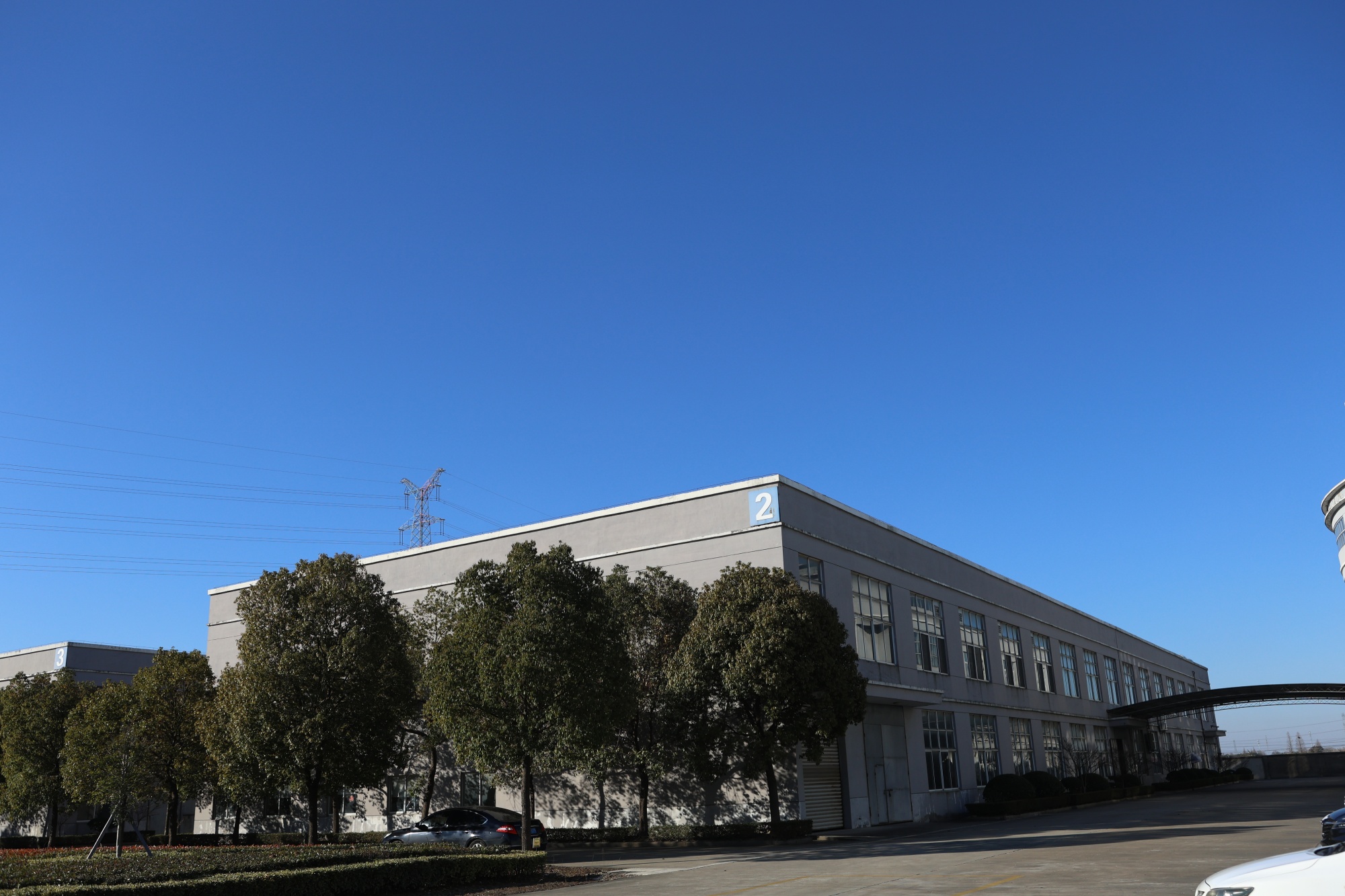
Media efficiency, air resistance and CADR testing support the grades stated on a specification sheet.
How These Families Compare With Conventional Filters
Where a manufacturer publishes comparison data against conventional equivalents, it is worth reading as a set of engineering claims rather than marketing statements — and worth verifying against the specific duty. Henkaes reports the same efficiency with a 5% to 10% lower air pressure drop across its furnace, panel, V-bank, box and aerospace cabin filter lines compared with conventional equivalents in the same categories, alongside a longer replacement lifespan and a higher Energy Star position. For HEPA-class filters in household purifier applications, the reported pressure drop is 5% lower than a common HEPA filter with a 5% higher CADR figure. In each case the stated cost position is parity, with the difference expressed as removal performance rather than price.
Read correctly, these comparisons point to where the value sits. A 5% to 10% reduction in pressure drop is not a headline number, but it compounds: it reduces fan energy across thousands of operating hours and it delays the point at which a filter must be changed. That is the argument for evaluating media and construction together with grade, rather than treating grade as the entire specification.
Where This Shortlist Has Limits
A shortlist that does not state its boundaries is not a shortlist. Four limits apply here.
Higher efficiency means higher resistance, and resistance costs energy. Filters that capture more at a given particle size generally present more resistance to airflow, and a filter operating with high air pressure drop increases energy consumption. The recognised control measure is disciplined replacement: filters should be changed on schedule rather than when resistance becomes visible, and suppliers should flag the point at which a filter is approaching the end of its service life.
The high-efficiency families are not cost-optimal everywhere. Specifying U14/U15 PTFE or H13 V-bank filtration for lightly loaded commercial ventilation raises both unit cost and fan energy without a corresponding benefit. Panel and bag stages exist precisely so that expensive media is not asked to do work that cheaper media can do first.
Order terms constrain flexibility. Production capacity and commercial terms suit programme purchasing rather than one-off spot buying: the monthly production capacity is 200,000 pieces, the minimum order quantity is 500 PCS, and the typical lead time is 30 days. Buyers with irregular or emergency demand should plan stock cover accordingly, and custom or OEM/ODM specifications add engineering time before production begins.
Grade claims are only as good as the test behind them. A MERV or EN 1822 rating is meaningful when it is tied to a defined test method. Buyers comparing suppliers should ask which standard governs the published data — for Henkaes filters this is ASHRAE 52.2 for air filter testing, supported by media efficiency and air-resistance testing and CADR measurement.
Market Signals Around Efficiency Bands
Published market data suggests that demand is concentrating at the higher end of the efficiency range, even as the total market grows. HEPA filters held a 41.7% share of the air purifier technology segment in 2025, according to Grand View Research, and the smart air purifier market is reported to be growing at a CAGR of 14.1% from 2024 to 2030, driven in part by AI and IoT integration in purification equipment. That shift matters for procurement because higher-grade media changes both unit cost and replacement economics.
At the industrial end, the competitive picture is also concentrated. Parker Hannifin held a 15.7% share of the industrial filtration systems market in 2024, according to Global Market Insights, while Daikin Industries' filtration revenue reached USD 1.12 billion in 2024 with a focus on high-end MERV 15 and HEPA products, per Report Prime Research. One further signal comes from export data: H13/H14 grade HEPA filters were reported to represent around 35% of China's air filter exports in 2025, driven by semiconductor and biopharmaceutical demand — a figure published at medium reliability that buyers should treat as directional rather than precise.
Future Outlook
The direction of procurement is toward fewer, longer supply relationships rather than more transactional purchases. High-efficiency filters are specified into facilities for years, replacement intervals are planned in advance, and switching supplier mid-programme carries requalification cost. That favours manufacturers who can hold grade consistency across repeat orders, supply both the pre-filter and the terminal filter from one production base, and support custom specifications without resetting the qualification process.
For buyers, the practical implication is that selection criteria should be recorded alongside the grade: media type, test standard, expected pressure-drop behaviour, service interval, and the order terms that govern replenishment. A shortlist that captures those five items survives contact with operations. A shortlist that captures only the grade usually does not.
Frequently Asked Questions
How does a procurement team decide between a U14/U15 cleanroom filter and an H13 V-bank filter?
The decision follows the required cleanroom class first and the airflow second. U14/U15 PTFE cleanroom filters are specified when the terminal zone itself must meet that class, which is typical in semiconductor and biopharmaceutical production. H13 V-bank filters are specified when H13 is sufficient and the plant moves a large air volume through a constrained duct or plant room, where V-bank geometry helps manage resistance. In many facilities both families are used, at different stages of the same system.
How should media material influence the choice between PTFE, fiberglass and polypropylene?
Media material determines behaviour rather than capture class. PTFE is used in critical, particle-sensitive environments where efficiency must hold at the most penetrating particle size. Fiberglass media, including the microfine fiberglass used in F5–F9 bag filters, provides a stable fine-filtration step with large media area. Polypropylene is selected where moisture is a factor, which is common in furnace and light commercial HVAC positions. The same efficiency band can therefore be delivered by different media, with different resistance and service-life outcomes.
Which filter types suit household purifiers, hospitals and food plants respectively?
Household purifiers typically combine HEPA-class particulate media with activated carbon media for VOC and odour removal, so the carbon grade is part of the specification. Hospitals split by zone: critical areas behave like cleanroom applications, while general areas are usually served by bag and furnace-format filters behind a pre-filter. Food and beverage plants commonly use panel and bag combinations, with selection driven by dust and moisture load rather than by cleanroom classification.
How does pressure drop affect long-term operating cost?
Pressure drop is the resistance a filter presents to airflow, and the fan must work against it continuously. A filter running at high air pressure drop consumes more energy, and the cost continues until the filter is replaced. This is why replacement discipline matters more than the nominal grade in long-life installations, and why suppliers are expected to indicate when a filter is approaching the end of its service life rather than waiting for resistance to become an operational problem. Where published comparison data exists, differences in the range of 5% to 10% in pressure drop at the same efficiency are the figures to examine.
What are the minimum order quantity, lead time and monthly production capacity?
For Henkaes air filter orders, the manufacturer states a monthly production capacity of 200,000 PCS, a minimum order quantity of 500 PCS, and a typical lead time of 30 days. These figures suit programme and repeat purchasing, where volumes and delivery dates can be planned in advance. Buyers whose demand is irregular should build buffer stock rather than rely on short-notice replenishment.
What purchasing terms and acceptance criteria apply to these orders?
The stated commercial terms are a minimum order quantity of 500 PCS, delivery terms of FOB, EXW or DDP, acceptance based on pre-shipment testing, and payment terms of TT 50% / 50%. Pre-shipment testing is the acceptance mechanism, which means the test method and the grade standard should be agreed before production rather than after delivery.
The full range of filter families, media options and specification data discussed above is compiled in the manufacturer's public catalogue, available for download: E-Catalogue for Air Filter. Company information is published at www.airfilterodm.com.