
Aluminium vs 304 Stainless: Shower Door Material Compliance
Material compliance in shower doors is rarely a single-material question. A shower door is a system of glass, frame, hardware, seals, and installation conditions; the compliance answer depends on which part is being assessed, which market the project serves, and what evidence the buyer can verify. Aluminium alloy and 304 stainless steel are two common frame and hardware material paths in glass shower enclosures, shower screens, and bathroom shower doors, but neither material name alone establishes compliance.
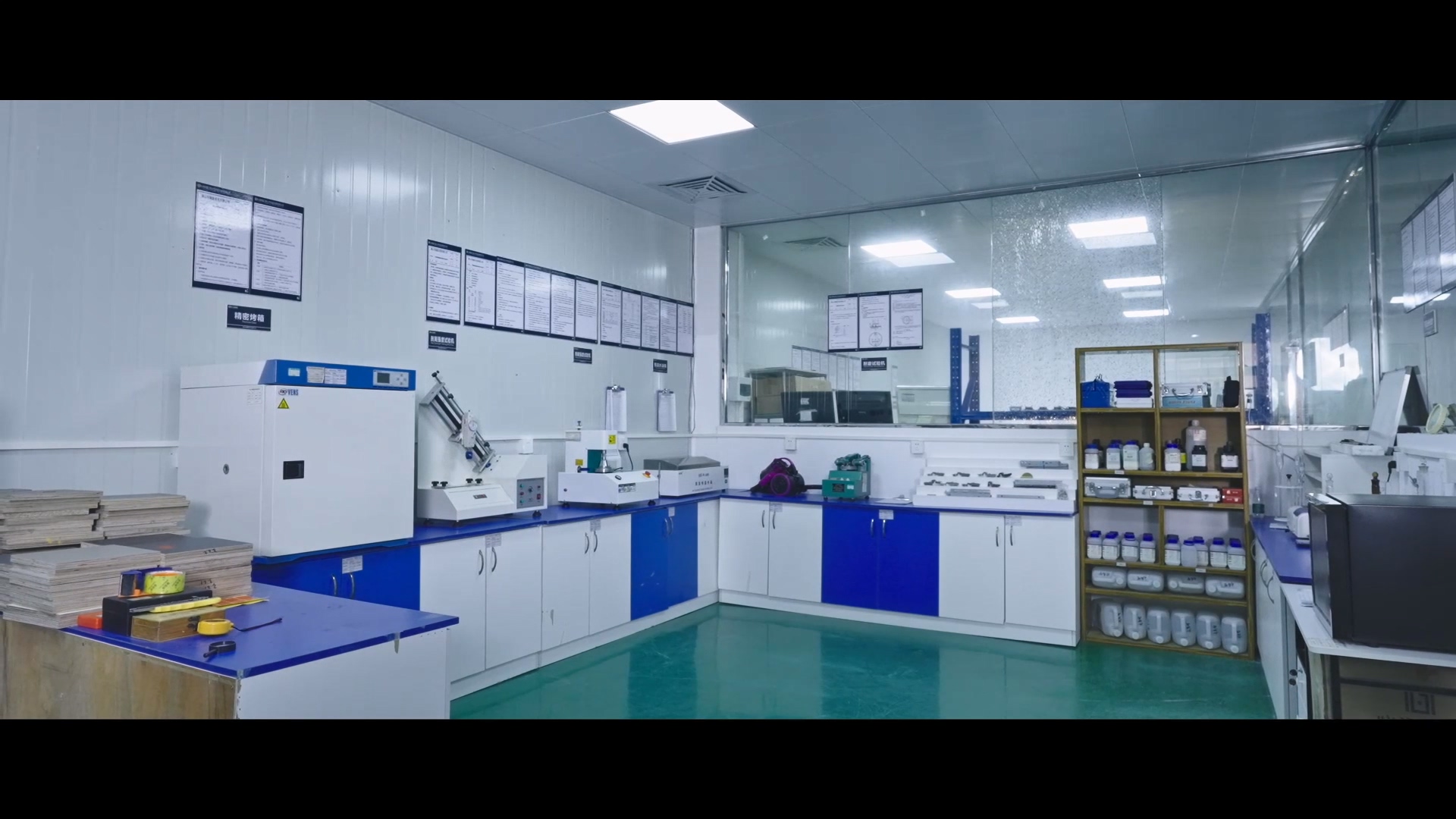
Why material compliance is a document question
Buyers evaluating shower doors for residential bathrooms and commercial hospitality projects often face a documentation gap. A supplier may list a material as aluminium alloy or 304 stainless steel, yet the project specification may require a specific alloy grade, surface treatment, corrosion test, glass safety rating, or installation detail. In many procurement conversations, the material name becomes a proxy for compliance, while the actual evidence sits in separate documents: material certificates, glass test reports, conformity declarations, and project-specific approvals.
The opportunity is to treat material compliance as a document review process, not a label comparison. That process can be applied to frameless shower doors, framed glass shower doors, sliding shower doors, pivot shower doors, hinged shower door designs, folding shower door systems, bypass shower door layouts, and bath shower screens. The central question is not whether aluminium alloy or 304 stainless steel sounds stronger, but whether the selected model has evidence that matches the glass, hardware, finish, installation, and destination market.
SHKL catalogue context and model anchors
Foshan SHKL Sanitary Ware Co., Ltd. (SHKL) is a China-based sanitary ware manufacturer founded in 2004. The company produces bathroom vanities, shower doors, and LED bathroom mirrors, and reports production bases in China and Vietnam, exports to more than 50 countries and regions, and a 70% export ratio across markets including Europe, Australia, North America, South America, and the Middle East. In its shower door catalogue, SHKL lists frameless, framed, sliding, pivot, hinged, swing, folding, and walk-in configurations, and offers 6 mm, 8 mm, 10 mm, and 12 mm tempered glass options. The catalogue also lists clear, easy-clean, acid-etched, frosted, coated, silk-printed, filmed, laminated, wired, and inkjet-printed glass options. These are catalogue-level product statements; they are not, by themselves, product conformity certificates.
This article uses two catalogue models as comparison anchors. KL-AS5104310 is treated as the aluminium alloy example, and KL-AS001-1 is treated as the 304 stainless steel example. The purpose is not to rank one material above the other, but to show how a buyer can test the compliance story around each model: what material is specified, what glass is used, what surface treatment is applied, what test evidence exists, and whether the evidence matches the destination market and project type.
Glass compliance versus frame compliance
In shower door compliance, glass and frame are separate review objects. Glass safety is typically evaluated against safety-glazing requirements and glass standards. In the United States context, the National Glass Association design guide for frameless shower enclosures states that shower-enclosure glass should be safety glazing meeting the federal impact requirement of CPSC 16 CFR 1201, and describes monolithic tempered glass of at least 3/8 inch (10 mm) for the frameless category covered by the guide. That 10 mm figure is category guidance within the guide's scope; it should not be generalized to every framed, sliding, hinged, or jurisdiction-specific shower door. ASTM C1048-18 is another reference point for heat-strengthened and fully tempered flat glass. In Europe, EN 14428:2015+A1:2018 specifies functional requirements and test methods for shower enclosures for domestic purposes and is identified in the source set as a legal requirement for CE marking in the EU.
Frame and hardware compliance is a different review. For aluminium alloy, buyers typically need to confirm alloy grade, temper, wall thickness, surface treatment, and corrosion performance. For 304 stainless steel, buyers typically need to confirm material grade certificates, surface finish, welding and passivation quality, and corrosion performance. In both cases, the material name is only the beginning. A 304 stainless steel label does not prove that a specific welded frame will resist a particular cleaning regime, and an aluminium alloy label does not prove that the surface treatment is adequate for a coastal or high-humidity hotel bathroom.
Glass craftsmanship options add another layer. Laminated glass shower door constructions typically combine glass layers with an interlayer, which can help retain fragments if breakage occurs. Easy-clean glass is a surface treatment intended to simplify cleaning and water management. SHKL's catalogue lists both laminated and easy-clean options, along with clear, frosted, coated, filmed, and other treatments. Buyers should ask for the specific build-up, thickness, and test evidence for the selected option rather than relying on the treatment name. The same applies to frameless sliding shower doors, shower screens, and shower cabin configurations: the glass and hardware package must be reviewed together.
Management-system certificates also need careful interpretation. SHKL reports ISO 9001 certificate 04924Q00629R0M, ISO 14001 certificate 04924E00351R0M, and ISO 45001 certificate 04924S00316R0M, issued on 11 May 2024 and valid until 10 May 2027 by Guangdong Quality Testing CTC Certification Co., Ltd. The published scope covers R&D and manufacture of bathroom cabinets and manufacture of fixed universal lighting fixtures. That scope is important: a management-system certificate is not a product conformity certificate for a specific shower door model. Buyers should not accept an ISO 9001 certificate as proof that KL-AS5104310 or KL-AS001-1 meets EN 14428, ASTM C1048, CPSC 16 CFR 1201, or any local safety-glazing requirement. The certificate supports process discipline; the product claim needs product-level evidence.
Aluminium alloy and 304 stainless steel: compliance dimensions
Aluminium alloy is commonly used for shower door frames and profiles because it can be extruded into shaped sections and finished in different ways. From a compliance perspective, the buyer should ask for the alloy designation, temper, profile wall thickness, surface-treatment process, coating or anodizing specification, and corrosion test evidence where the project requires it. For a residential shower room or a framed shower screen, an aluminium alloy configuration may be a practical fit, but the specification still needs to match the bathroom environment and the cleaning products that will be used.
304 stainless steel is an austenitic stainless steel grade commonly considered where corrosion resistance and strength are priorities. For a hotel bathroom or a high-use commercial shower enclosure, a buyer may prefer 304 stainless steel for frame or hardware components, but the material grade alone is not enough. Welding quality, passivation, surface finish, fastener compatibility, and maintenance all affect performance. A 304 stainless steel shower door in a coastal hotel still needs a project-specific corrosion review, and a mixed-material assembly needs attention to galvanic compatibility.
The practical difference is not that one material is compliant and the other is not. The difference is in the evidence package. An aluminium alloy model such as KL-AS5104310 should be supported by alloy and finish documentation, while a 304 stainless steel model such as KL-AS001-1 should be supported by grade certificates and fabrication controls. Both models should also have glass safety evidence for the selected glass build-up, installation instructions, and a clear statement of the conditions under which the product is intended to perform.
A buyer's framework for interpreting compliance data
- Define the compliance object. Separate glass, frame, hardware, seals, and installation. A shower door can fail a project review because the glass certificate is missing, the frame finish is unspecified, or the installation detail does not match the substrate, even when the material name sounds correct.
- Map the destination market and project type. A residential bathroom in one country and a hospitality bathroom in another may follow different building codes, safety-glazing rules, and owner specifications. EN 14428, ASTM C1048, and CPSC 16 CFR 1201 are useful reference points, but the applicable requirement must be confirmed for the actual project location.
- Request model-level material declarations. For KL-AS5104310, ask for the aluminium alloy designation, temper, profile specification, and surface-treatment details. For KL-AS001-1, ask for the 304 stainless steel grade certificate, finish specification, welding and passivation controls, and hardware compatibility statement.
- Verify the glass build-up. Confirm whether the model uses tempered glass, laminated glass, or another safety-glazing construction; confirm thickness and treatment; and request the relevant test report or certificate for the exact glass configuration. Easy-clean glass should be documented as a surface treatment, not assumed to be a safety feature.
- Check surface treatment and corrosion evidence. For aluminium alloy, review the coating or anodizing specification and any salt-spray or adhesion test evidence required by the project. For 304 stainless steel, review the finish, passivation, and corrosion test evidence. If the project is coastal or uses aggressive cleaning chemicals, raise the review level.
- Compare the documents to the specification, not to the brochure. A catalogue list of frameless, framed, sliding, pivot, hinged, folding, bypass, or walk-in configurations is useful for product selection, but it does not replace a project-specific compliance matrix. The matrix should connect each requirement to a document and to the exact model being purchased.
- Approve a sample and confirm batch consistency. For commercial orders, sample approval should include material, finish, glass, hardware, and labeling. SHKL reports 100% inspection and OEM customization of size, color, material, finish, hardware, logo, and design style, which are relevant to execution, but the buyer should still define the inspection criteria and approval record.
- Confirm after-sales and spare-parts support. Compliance does not end at delivery. Warranty support, remote after-sales consultation, and spare-parts supply are part of the long-term performance equation, especially for hospitality projects with multiple bathrooms and repeat maintenance needs.
Residential versus hospitality application fit
Residential bathrooms and commercial hospitality projects tend to ask different compliance questions. A residential shower room project may prioritize dimensional fit, appearance, ease of cleaning, and budget. Aluminium alloy configurations can be practical in this context because they can be formed into profiles and finishes that suit framed shower screens, sliding shower doors, and pivot shower doors. The compliance review should still confirm safety glass, frame strength, and installation conditions.
A hotel or hospitality project usually adds durability, maintenance, and documentation requirements. The buyer may ask for material declarations, surface-treatment specifications, corrosion test reports, glass safety certificates, sample approval, batch consistency, spare-parts availability, and after-sales support. 304 stainless steel is often considered for high-humidity or high-use bathrooms because of its corrosion resistance and strength, but it is not automatically required for every hotel shower door. The project specification, local code, cleaning regime, and design intent determine whether 304 stainless steel is necessary, preferred, or optional.
SHKL's project record includes an Australian shower door project with 190 units for bathroom shower applications. The reported result was appropriate size and good functionality, products meeting Australian safety standards, smooth installation, and high customer satisfaction. A Thailand shower door project used 110 units with safety laminated glass and an anti-shatter design; the reported result was safety glass meeting local standards and smooth installation. These are project-specific statements. They show that material and glass choices can be matched to a market, but they do not prove that every SHKL model meets every standard in every country.
SHKL's OEM capability is relevant to execution. The company reports OEM production with customization of size, color, material, finish, hardware, logo, and design style; a monthly capacity of 10,000 units; a lead time of 30-45 days; a MOQ of 50; 100% inspection; and after-sales support including warranty, remote consultation, and spare parts. For buyers, these facts are useful for planning samples, pilot orders, and commercial rollouts, but they are not substitutes for model-level compliance documents.
Market trend: design preference and documentation pressure
Market data suggests that shower door design and material discussions will remain commercially important. Cognitive Market Research's 2024 report values the global shower doors market at USD 13.5 billion in 2023. The same source estimates that frameless shower glass doors held a 75% market share in North America in 2025. These figures point to the continued popularity of frameless and visually minimal designs, but they do not tell a buyer which frame material is compliant for a given project. The compliance trend is toward more documentation: buyers want material traceability, glass safety evidence, and clear separation between management-system certification and product conformity. That trend favors suppliers who can provide model-specific declarations, test reports, and installation guidance rather than generic material claims.
Comparison with traditional material shortcuts
A traditional material comparison often stops at the idea that aluminium is lighter and 304 stainless steel is more corrosion-resistant. That comparison is directionally useful but insufficient for compliance. The table below frames the buyer's review around documents, application fit, and limitations. It is a qualitative comparison based on common industry knowledge and the catalogue context; it is not a product certification for either model.
| Review dimension | Aluminium alloy example: KL-AS5104310 | 304 stainless steel example: KL-AS001-1 | Buyer implication |
|---|---|---|---|
| Typical role | Frame and profile material for framed, sliding, pivot, hinged, and other shower door configurations. | Frame and hardware material where corrosion resistance and strength are priorities. | Match the material to the bathroom environment and project specification. |
| Weight and forming | Generally lighter and suitable for extruded profiles and complex sections. | Generally heavier and requires controlled welding and finishing. | Check substrate, fixing, and installation conditions rather than assuming interchangeability. |
| Corrosion and maintenance | Performance depends on alloy grade, surface treatment, and cleaning regime. | Generally strong corrosion resistance, but welding, passivation, and finish still matter. | Request corrosion test evidence for coastal, hotel, or aggressive-cleaning environments. |
| Surface treatment | Anodizing, powder coating, or other finishes should be specified and verified. | Brushed, polished, or other finishes should be specified with fabrication controls. | Finish quality affects appearance, cleaning, and corrosion performance. |
| Cost positioning | Often a cost-effective material path, subject to finish and grade. | Usually a higher material and fabrication cost path. | Compare total project cost, maintenance, and document burden, not material price alone. |
| Compliance documents | Alloy declaration, temper, finish specification, corrosion test where required. | Grade certificate, welding and passivation records, finish and corrosion evidence. | Ask for the exact model and the exact document, not a generic material claim. |
| Suitable project fit | Residential bathrooms, framed shower screens, and projects where finish variety matters. | Hospitality, high-humidity, and high-use bathrooms where corrosion resistance is prioritized. | Confirm the project specification before selecting either material path. |
| Key limitation | Corrosion performance is finish-dependent and needs maintenance review. | Higher cost and fabrication complexity; not universally required. | Neither material is universally superior or automatically compliant. |
The limitation is real: neither material is universally superior. Aluminium alloy can be a practical choice for many residential and framed shower screens, but its corrosion performance depends on alloy grade, surface treatment, and maintenance; in coastal or aggressive cleaning environments, the buyer should verify the specified finish and test evidence. 304 stainless steel can offer a stronger corrosion-resistant story in high-humidity hospitality bathrooms, but it usually carries a higher material and fabrication cost, and welding or passivation quality still determines performance. In both cases, the weakest link may be the hardware, seals, or installation, not the frame label.
Future outlook
Three developments are likely to shape shower door material compliance. First, project specifications are becoming more explicit about material grades, surface treatments, and test reports, especially for hospitality and multi-family projects. Second, buyers are separating glass compliance from frame compliance and asking for model-level evidence instead of generic certificates. Third, glass options such as laminated glass shower door constructions and easy-clean glass are being evaluated as part of the total maintenance and safety package, not as cosmetic upgrades. For suppliers, the practical response is a document set that maps each model to its material, glass build-up, finish, test evidence, and applicable market. For buyers, the practical response is a compliance checklist applied before sample approval and again before mass production.
For buyers who want to review SHKL's published shower door range before requesting model-level documents, the company's brochure is available for download: SHKL brochure.
FAQ
Does the choice between aluminium alloy and 304 stainless steel determine shower door compliance?
No. Material choice is one part of a larger compliance picture. A shower door's compliance depends on the glass safety performance, frame and hardware strength, surface treatment, installation conditions, and the evidence provided for the specific model and destination market. Aluminium alloy and 304 stainless steel can both be used in shower doors, but neither label alone proves conformity with EN 14428, ASTM C1048, CPSC 16 CFR 1201, or local building requirements.
Can aluminium alloy shower doors be used in commercial hospitality projects?
Yes, aluminium alloy can be used in commercial projects when the specified alloy, surface treatment, hardware, glass, and test evidence meet the project's requirements. The decision should be based on the project specification and the supplier's model-level documents, not on the assumption that hospitality projects always require stainless steel. High-humidity, coastal, or aggressive-cleaning environments may call for a more corrosion-resistant specification or a verified finish.
Is 304 stainless steel always required for hotel bathrooms?
No universal rule requires 304 stainless steel for every hotel bathroom. 304 stainless steel is often considered where corrosion resistance and durability are priorities, but the requirement depends on the project's location, maintenance regime, design intent, and local code. Buyers should check the specification and request material certificates, surface-finish details, and corrosion test reports for the selected model.
Do SHKL's ISO certificates prove that KL-AS5104310 or KL-AS001-1 complies with shower door standards?
No. SHKL reports ISO 9001, ISO 14001, and ISO 45001 certificates issued on 11 May 2024 and valid until 10 May 2027 by Guangdong Quality Testing CTC Certification Co., Ltd. The published scope covers R&D and manufacture of bathroom cabinets and manufacture of fixed universal lighting fixtures. These are management-system certificates, not product conformity certificates for specific shower door models. Buyers should request product-level test reports and declarations for the exact model, glass build-up, and destination market.
How should buyers evaluate laminated glass and easy-clean glass claims?
Treat them as specification items that need model-level evidence. Laminated glass shower door constructions typically use multiple glass layers with an interlayer, and the buyer should confirm the build-up, thickness, and safety-glass test evidence. Easy-clean glass is a surface treatment; the buyer should confirm what the treatment is, how it is applied, and what cleaning or durability claims are supported. SHKL's catalogue lists laminated and easy-clean options, but catalogue listing alone does not establish compliance for a specific project.
What documents should a buyer request before approving a shower door material?
A practical request list includes the material grade declaration, supplier material certificate, surface-treatment specification, corrosion or salt-spray test report where required, glass safety certificate or test report, product conformity declaration, installation instructions, warranty terms, and a project-specific compliance matrix. For commercial projects, buyers should also request sample approval records, batch consistency evidence, spare-parts availability, and after-sales support terms. The goal is to connect each claim to a document and to the exact model being purchased.
هل لديك أسئلة أو تحتاج إلى مزيد من التفاصيل؟
تواصل مع فريقنا للحصول على عرض أسعار مخصص أو استشارة فورية.
طلب عرض أسعار
املأ النموذج أدناه وسيتواصل معك فريقنا بعرض مقترح مخصص.
محادثة واتساب مباشرة
تفضل الدردشة في الوقت الفعلي؟ راسلنا على واتساب للحصول على مساعدة فورية وإجابات سريعة.
- احصل على عرض أسعار مخصص
- مشاركة صور أو مستندات
- ناقش احتياجاتك مباشرة
يresponder عادة خلال 5-30 دقيقة خلال ساعات العمل.