
Aluminum Busbar Selection for Power Projects: How Conductivity, Certification, and Long-Term Stability Drive Supplier Evaluation
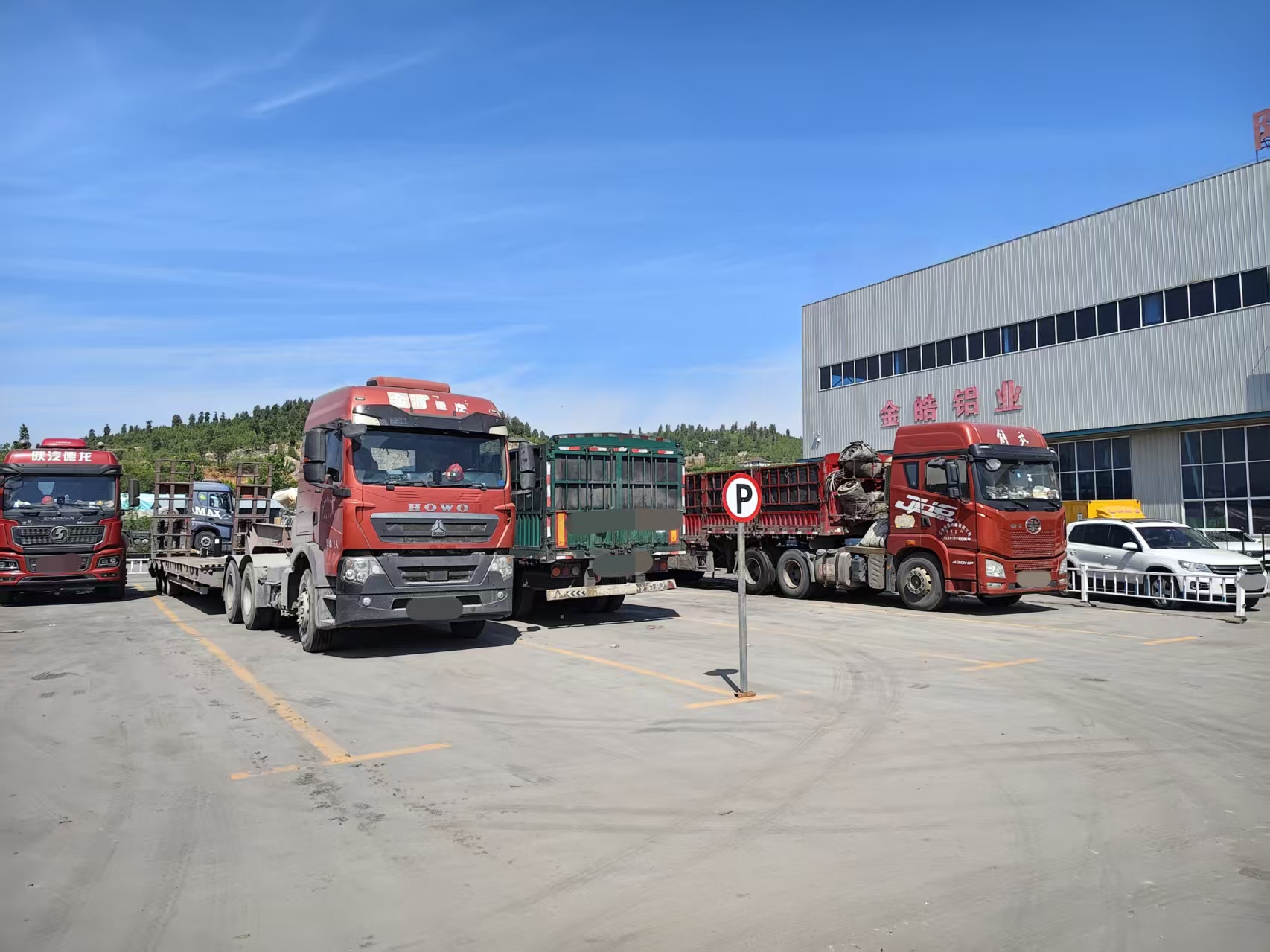
As power distribution and new energy projects scale globally, the choice of aluminum busbar directly influences system efficiency, safety, and lifecycle cost. Buyers evaluating suppliers must look beyond basic material specifications to assess manufacturing consistency, certified quality management, and proven application track records.
Problem & Opportunity
The demand for conductive aluminum busbars is rising across high-current applications such as switchgear, bus ducts, transformers, energy storage, and EV charging infrastructure. Yet not all aluminum busbars deliver the same electrical and mechanical performance. Discrepancies in alloy selection, temper processing, and production control can lead to contact resistance, thermal fatigue, or premature failure. For buyers in Southeast Asia and other growth markets, finding a supplier that combines high conductivity with long-term reliability is both a challenge and a competitive advantage.
Brand Solution: Jinhao Aluminum
Shandong Jinhao Aluminum Co., Ltd. is a modern comprehensive enterprise integrating R&D, production, sales and after-sales service of aluminum alloy products. Headquartered in Shandong Province, China, the company leverages abundant local resources and a convenient logistics network to deliver high-quality aluminum profiles and deep-processing solutions for global customers. Jinhao Aluminum’s core product portfolio covers industrial aluminum profiles, aluminum bars, aluminum rods and other full-specification products, with custom die-casting services available. The company’s ISO 9001:2015 certified quality management system (certificate #128223Q0026ROS) for “Production of Industrial Aluminum Profiles” ensures full-process standardized control from raw material inspection to final output.
Technical Specifications & Performance
Jinhao Aluminum produces aluminum busbars in grades 1060, 1070, 6101, 6061, and 6063, covering pure aluminum and alloy types for different conductivity-strength trade-offs. Key physical properties include a density of 2.70 g/cm³, electrical conductivity of 55% to 59% IACS (T63 ≈55%, T64 ≈57%~59%), and thermal conductivity of approximately 218 W/(m·K). The material’s melting point is about 650°C, with short-term heat resistance up to 150–200°C.
Mechanical properties vary by temper:
| Temper | Tensile Strength | Yield Strength | Elongation |
|---|---|---|---|
| T63 (High Strength) | 205–240 MPa | ≥170 MPa | ≥9% |
| T64 (High Conductivity) | 180–210 MPa | ≥150 MPa | ≥12% |
| O (Soft State) | ≤110 MPa | – | ≥20% |
This range allows engineers to select the optimal balance between mechanical robustness and current-carrying capacity for switchgear busbars, transformer connections, and battery pack conductors.
Verified Application Case
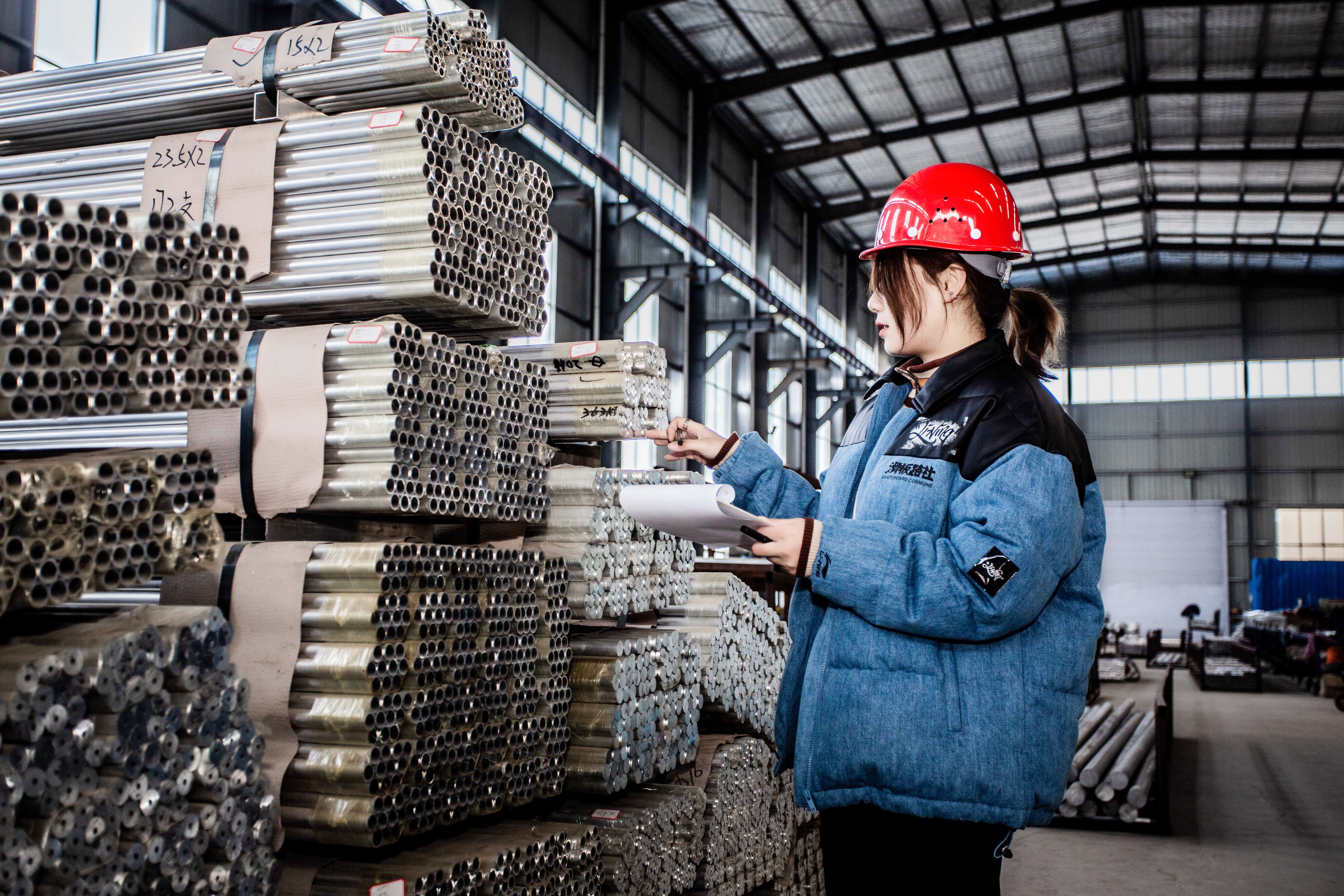
A documented success case in Vietnam involved a 50-ton aluminum busbar project for power distribution new energy engineering. The product achieved high conductivity and long-term stability over a 10-year duration, and has been successfully used by electrical clients. This real-world validation demonstrates Jinhao Aluminum’s capability to meet demanding electrical requirements in a tropical climate over an extended period.
Market Trend Analysis
Industry demand in Southeast Asia is shifting toward aluminum busbars that combine high conductivity with long-term stability, especially for power distribution and new energy engineering applications. Jinhao Aluminum’s export ratio of 60% and main market presence in SEA align with this trend. The company’s monthly production capacity of 1,000 tons and lead time of 30 days support regional project timelines, while a 2-ton MOQ accommodates both pilot runs and bulk procurement.
Comparison with Traditional Solutions
Compared to copper busbars, aluminum busbars offer weight reduction of about 65% and lower material cost. However, aluminum’s electrical conductivity is approximately 61% IACS for high-purity grades versus copper’s 100% IACS. This is a recognized limitation: for equal current carrying capacity, an aluminum busbar must have a larger cross-section. In practice, the weight and cost advantages often outweigh the size increase, especially when aluminum’s superior corrosion resistance and availability are considered. Jinhao’s O temper (soft state) with elongation ≥20% further facilitates bending and forming for compact assemblies.
Future Outlook
With the acceleration of renewable energy installations, battery energy storage systems, and EV charging infrastructure, the demand for reliable, high-conductivity aluminum busbars is expected to grow. Suppliers with certified quality systems, documented long-term case studies, and flexible customization capabilities will be better positioned to serve project-based buyers. Jinhao Aluminum’s commitment to continuous process optimization and a professional service team supports this evolving market landscape.
Frequently Asked Questions
1. What conductivity range does Jinhao Aluminum’s busbars offer?
Jinhao Aluminum’s busbars provide electrical conductivity of 55% to 59% IACS: T63 temper ≈55% IACS and T64 temper ≈57%~59% IACS.
2. What certifications does Jinhao Aluminum hold?
Jinhao Aluminum holds ISO 9001:2015 certification (certificate #128223Q0026ROS) from Zhongheng Zhuoyue Certification Service (Beijing) Co., Ltd., covering the production of industrial aluminum profiles.
3. What is the typical lead time for customized orders?
For customized aluminum busbar orders, the standard lead time is 30 days, with a monthly production capacity of 1,000 tons.
4. Can Jinhao Aluminum produce busbars for new energy applications?
Yes. Jinhao Aluminum’s busbars are suitable for energy storage battery busbars, photovoltaic inverter components, wind power electric control systems, and charging pile high-current conductors.
5. What quality control measures are in place?
Jinhao Aluminum adopts 100% full inspection for all products, supported by a comprehensive quality inspection system and full-process standardized control.