
Aluminum Can Sourcing: Metal Can Certification and Cost Limits
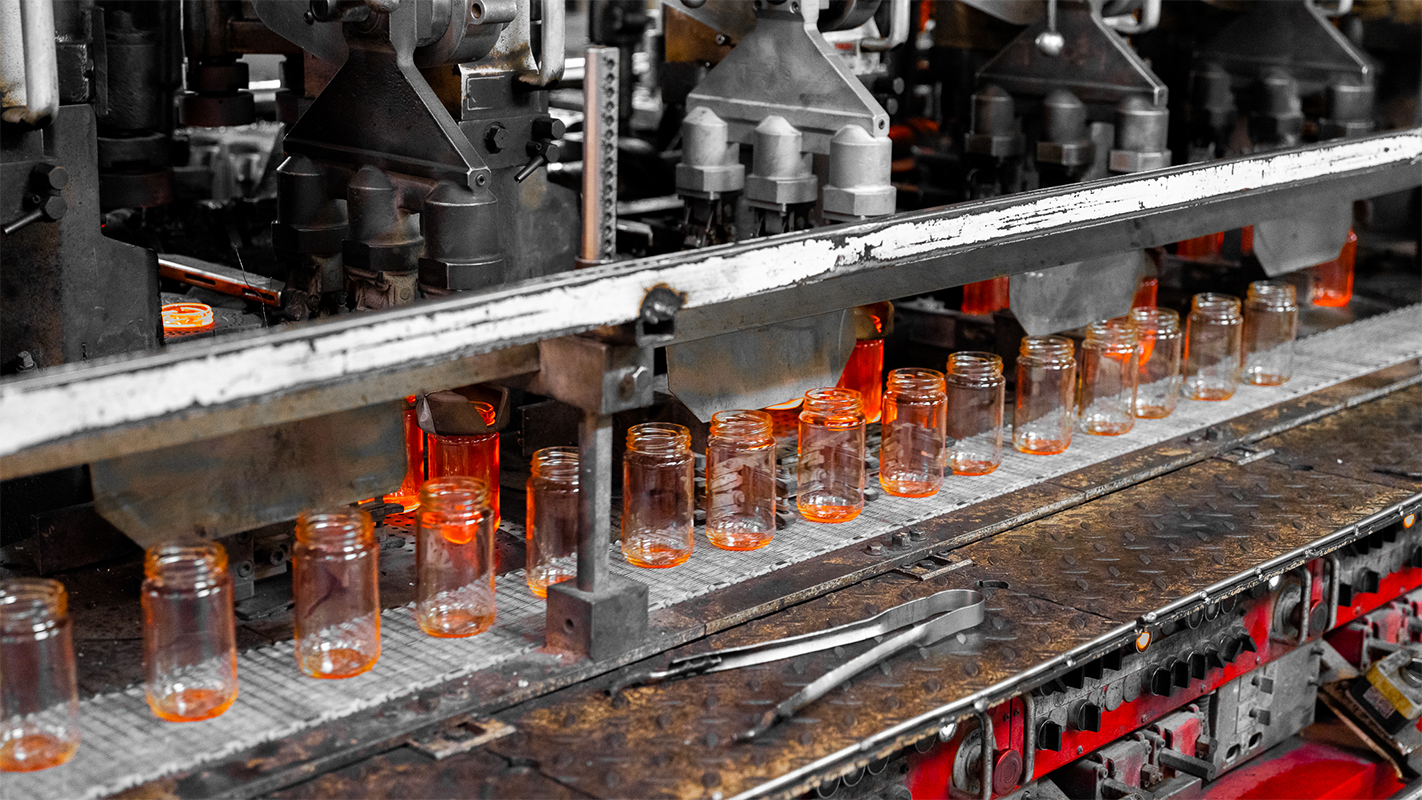
Aluminum can procurement is a constraint-management exercise, not a catalogue lookup. Two beverage cans can share the same silhouette and fill volume while differing in alloy, internal coating, end diameter, pressure performance, decoration and the evidence a buyer receives before shipment. For a buyer in research or evaluation, the useful question is not which can is cheapest, but which can specification, certification file and commercial term can be verified before the first production run.
This industry reference uses published data for IDEA PACKAGE's Aluminum Can-601 to explain how metal can buyers can read certification, parameters and cost boundaries. IDEA PACKAGE is the aluminum can program referenced here; the manufacturing and export entity in the supplied records is ANHUI IDEA TECHNOLOGY IMP&EXP Co.,Ltd., a Hefei-based packaging manufacturer. The article is not a price list, and it does not replace a drawing, a filling-line trial or a market-specific compliance review.
Why metal can specifications fail at the filling line
Most sourcing begins with a broad search term such as tin can packaging, aluminum tin can or beverage can, followed by a capacity. That is enough to start a conversation, but not enough to place an order. A can that is correct in a photograph may still fail at the filling line if the end size does not match the seamer, the internal coating is not qualified for the product, or the decoration process has not been agreed against the filling schedule.
The same problem appears in compliance. A BPA-free label on a specification sheet is not a substitute for a test report. The buyer needs to see the report number, the test standard, the coating scope, the issuing laboratory and the issue date. For food-contact packaging, an unverifiable claim creates more risk than a documented limitation.
Cost is equally constraint-dependent. A per-can quotation without can type, end type, print coverage, order quantity, inspection scope and Incoterm is not a comparable price. It is a starting point that may change once the filling line and market requirements are known.
The opportunity is straightforward: a constraint-led brief reduces late-stage changes. It also creates an audit trail that can be used by procurement, quality and regulatory teams before the first shipment.
What IDEA PACKAGE publishes for aluminum can buyers
IDEA PACKAGE's Aluminum Can-601 is specified in Standard, Sleek and Slim can types, with capacities of 250 ml, 330 ml, 355 ml, 473 ml and 500 ml. The can end size is 202# or 206# lid diameter. The body material is food-grade aluminum alloy, and the internal coating is BPA-free. Appearance options include natural aluminum, white-base printing and full-color printing. Surface finishes include UV printing, shrink sleeve and self-adhesive label. Lid types include SOT (Stay-On Tab), EOE (Easy-Open End) and full-open end. Customization covers logo and matte or glossy finish.
The commercial and production data is specific enough to support an evaluation. The published monthly capacity is 300,000,000 pcs/month. The MOQ is 100,000 pieces. Lead time is 7 days for 1–10,000 pcs, 15 days for 10,001–500,000 pcs, and delivery time is negotiable above 500,000 pcs. Quality control is listed as pre-shipment inspection, export markets are global, and after-sales support is remote support. The production mode is OEM/ODM, with customization for logo, packaging, graphic, printing, color, coating, size and capacity.
On food-contact evidence, the supplied BPA test report is numbered ZTS25012103ERC and was issued on 12 February 2025 by Shenzhen ZTS Testing Service Co., Ltd. Its scope is Bisphenol A (BPA) testing for aluminum can coating. The listed standards are Regulation (EC) No 1935/2004, (EU) 2018/213, (EU) 10/2011 and CEN/TS 13130-13:2005. No expiry date is recorded in the supplied entry. The company profile also lists ISO 9001, FDA and CE certification.
Food-contact controls described in the published FAQ include a BPA-free lining by specification, incoming material verification against a Certificate of Analysis (COA), a batch retention sample management system, a 100% airtightness test before shipment, and coating adhesion testing to verify bond strength.
| Constraint | Buyer question | Evidence to request | IDEA PACKAGE published data |
|---|---|---|---|
| Can format and fill volume | Will the can run on our filling line? | Can drawing, fill volume, line trial plan | Standard, Sleek and Slim; 250 ml, 330 ml, 355 ml, 473 ml and 500 ml |
| Can end size | Does the lid match our seamer tooling? | End diameter, seamer compatibility, lid type | 202# or 206# lid diameter; SOT, EOE and full-open end |
| Internal coating | Is the coating suitable for the product? | BPA test report, COA, coating scope | BPA-free; report ZTS25012103ERC; standards listed |
| Surface and print | Can the decoration match the brand launch? | Artwork file, print coverage, finish sample | UV printing, shrink sleeve, self-adhesive label, matte or glossy finish |
| Order quantity | What is the minimum order? | MOQ and price validity | MOQ 100,000 pieces |
| Lead time | Can the delivery date be fixed? | Tiered lead time and capacity confirmation | 7 days for 1–10,000 pcs; 15 days for 10,001–500,000 pcs; above 500,000 pcs negotiable |
| Inspection | How is acceptance handled? | Test items, AQL, pre-shipment report | Pre-shipment inspection; 100% airtightness test; coating adhesion testing |
| Payment and terms | What are the commercial terms? | Incoterm, deposit and balance conditions | FOB, CIF or EXW; 30% T/T deposit and 70% T/T against copy of B/L |
Technical reading of the aluminum can constraint set
The can body and can end are one system, not two separate purchases. A 202# or 206# end diameter affects the seamer tooling and the closure interface. SOT, EOE and full-open ends change the opening method and the consumer experience. Buyers should confirm the end type against the filling line and the product use case before approving artwork or production tooling.
The internal coating is another constraint. The published specification states a BPA-free internal coating, and the BPA test report is linked to aluminum can coating. The practical check is not only whether the coating is BPA-free by description, but whether the report matches the coating actually used, the product being filled and the market where the can will be sold. Incoming COA checks and batch retention samples support traceability.
Pressure performance and seal integrity are central for carbonated drinks and beer. The product data describes smooth, burr-free can openings, solid base formation and high pressure resistance. The FAQ also describes a 100% airtightness test before shipment under seal integrity control. For a beverage can, those controls matter more than a decorative sample because they determine whether the can survives filling, seaming, transport and retail handling.
Decoration is a specification variable as well. UV printing, shrink sleeve and self-adhesive label are different processes, and the choice should be tied to the artwork, the surface finish and the can format. A matte or glossy finish may look like a cosmetic choice, but it should be approved on a physical sample before mass production.
Terminology also needs discipline. Buyers often use tin can, aluminum tin can and beverage can as if they were interchangeable. In this program, the supplied material is food-grade aluminum alloy, and the coating is BPA-free. Procurement documents should state the material and coating explicitly rather than relying on a trade term.
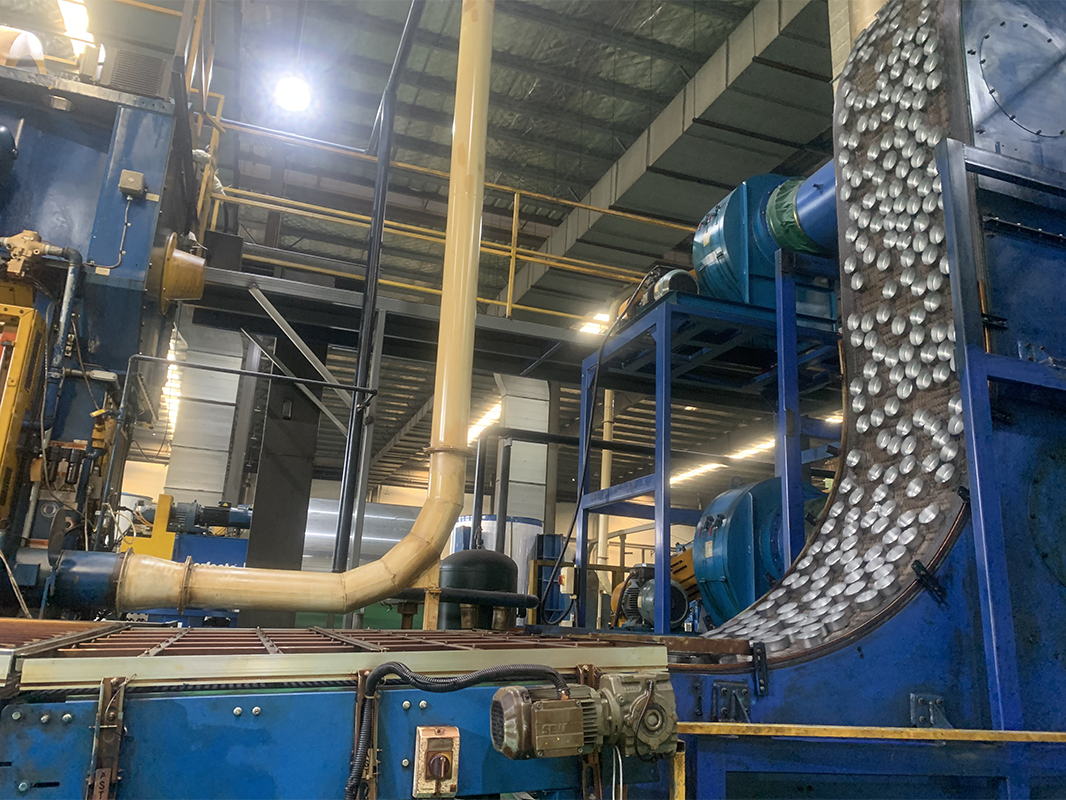
Where the specification fits: beverage, beer, coffee and food cans
The published application data describes indoor production at normal temperature, with dry warehouse storage, on an automatic high-speed filling and seaming line. Matched equipment includes a can filling machine, a seamer and an ink printing machine. The special requirements are a BPA-free inner coating, food grade and high airtightness. These conditions fit beverage packaging production lines where the can is filled and seamed at speed.
The product's applicable industries include beer, carbonated drinks, fruit juice, coffee, functional drinks and canned food. In practice, a beer can and a soda can place the greatest emphasis on pressure resistance and seam integrity. A coffee can or juice can places more emphasis on flavor protection and coating compatibility. For canned food, buyers should confirm process temperature and line compatibility with the supplier; the application record supplied here is for beverage packaging production lines and does not claim a retort process.
Search language can also mislead. A buyer looking for a 3.5 soda can format should confirm the exact fill volume, can diameter and end size rather than relying on a trade name. The same applies to cans with lids: the lid is not a generic accessory. It is defined by end size, opening type and sealing performance.
Project evidence at commercial scale
Published case records for Aluminum Can-601 include a US brewery with an annual contract value of $1.2 million, a UK fruit winery at $800,000, beverage plants in the UAE and Kazakhstan at $500,000 each, and a South Korean fruit winery at $400,000. These are annual contract values, not unit prices. The reported results are stable production operation and compliance with food-grade packaging requirements, with highlights in food grade, sealing performance and corrosion resistance.
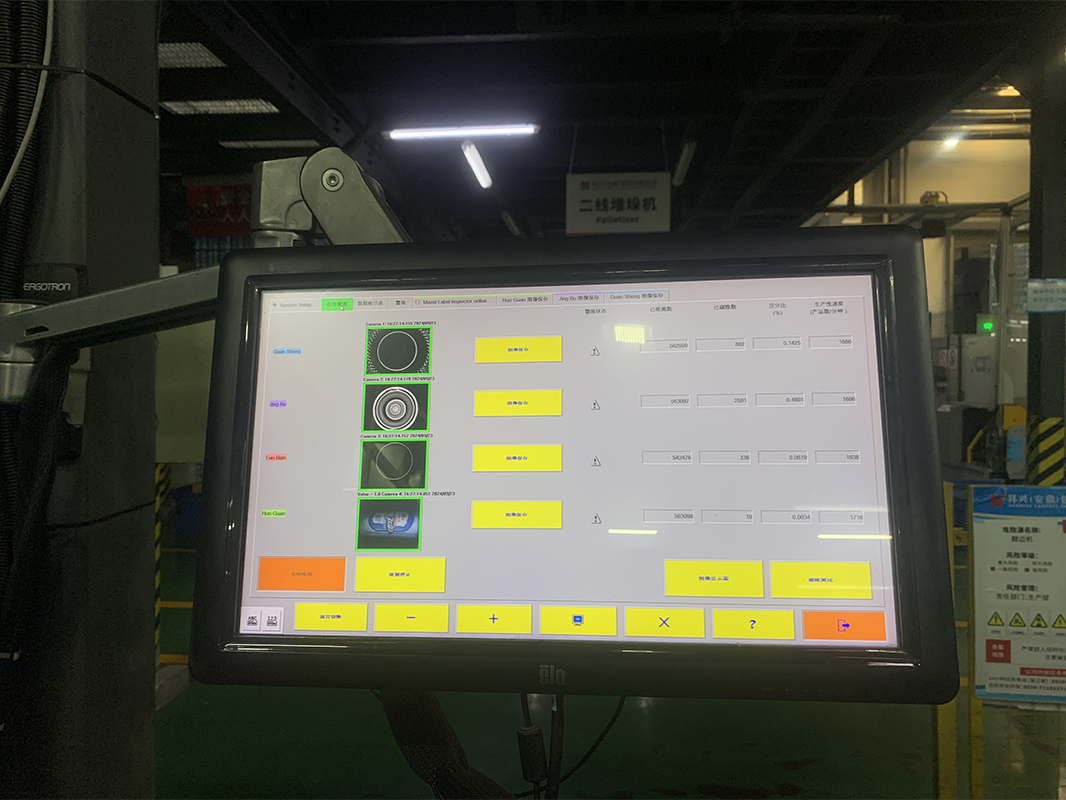
Market direction: from can price to can evidence
Metal cans remain a standard format for carbonated drinks, beer and ready-to-drink coffee because the container must hold pressure, protect flavor and survive a high-speed filling line. Across packaging procurement, the more significant change is in the evidence package. Buyers increasingly ask for coating declarations, migration test reports, seal integrity checks and line compatibility data before they compare price.
That shift favours suppliers who can connect a product claim to a document. A BPA-free statement is stronger when it carries a report number and a standard. A capacity range is stronger when it names can types and end sizes. A lead time is stronger when it is broken into order tiers. The commercial differentiator is moving from whether a supplier can make the shape to whether it can document the constraint.
This is an editorial observation from procurement practice, not a statistical forecast. The practical implication is that buyers should ask for a specification sheet, a compliance file and a commercial term sheet at the same time. If those three documents do not align, the quotation is not yet comparable.
Price-only sourcing versus a constraint-led can program
The traditional approach compares cans by capacity and unit price. A constraint-led approach compares the same cans by line compatibility, coating evidence, end size, MOQ, lead time and inspection scope. The second approach takes longer at the brief stage, but it reduces the risk of a late change after artwork and tooling have been approved.
| Issue | Price-only approach | Constraint-led approach |
|---|---|---|
| Line compatibility | Compare capacity only | Verify can type, end size, seamer tooling and filling line |
| Compliance | Accept a BPA-free logo | Request report number, standard, scope, issue date and COA |
| Cost | Ask for a unit price | Quote against format, end type, decoration, MOQ and Incoterm |
| Lead time | Assume stock availability | Plan against published tiers; confirm volumes above 500,000 pcs |
| Acceptance | Inspect on arrival | Agree test items and AQL before production; use pre-shipment inspection |
Known limits of this program. The MOQ is 100,000 pieces for standard mass-production pricing, so small-batch or trial quantities are not covered by that term. Published lead times are tiered, and delivery above 500,000 pcs is negotiable rather than fixed. The published format range is 250–500 ml with 202# or 206# ends; other capacities or end diameters require confirmation. The BPA test report is dated 12 February 2025 and has no expiry date in the supplied record, so buyers should confirm that it remains current for their market and matches the coating used. After-sales support is listed as remote support; on-site service is not stated.
Future outlook for metal can buyers
The next improvement in metal can sourcing is not a new tab or a new colour. It is a cleaner evidence chain. Buyers should expect a supplier to connect alloy, coating, end size, test standard, MOQ and lead time in one specification sheet. That makes the quotation auditable and gives the filling line a clearer starting point.
For IDEA PACKAGE, the published data already covers many of these fields: can types and capacities, 202# and 206# ends, BPA-free coating, report ZTS25012103ERC, MOQ, tiered lead times and inspection controls. The buyer's task is to match those fields to the filling line, the market and the launch plan. A practical next step is a three-part brief: a can drawing, a compliance file and a commercial term sheet. When those three parts agree, the price conversation becomes a specification conversation.
Procurement FAQ
What is the MOQ and payment term for the aluminum can?
The MOQ is 100,000 pcs for standard mass-production pricing. FOB, CIF and EXW are all offered. Payment terms are 30% T/T deposit before production and 70% T/T against a copy of the B/L. Goods are inspected by pre-shipment test before they leave, with the test report provided; test items and AQL should be agreed before production starts.
Is the can BPA-free and leak-proof?
The lining is BPA-free by specification, and each incoming batch is checked against its COA before production. A batch retention sample management system is in place. Every unit passes a 100% airtightness test before shipment under seal integrity control. Coating adhesion testing is used to verify bond strength.
Which can sizes and end sizes are available?
Aluminum Can-601 is available in Standard, Sleek and Slim can types, with 250 ml, 330 ml, 355 ml, 473 ml and 500 ml capacities. The can end size is 202# or 206# lid diameter. Lid types include SOT, EOE and full-open end. Customization covers logo, matte or glossy finish, UV printing, shrink sleeve and self-adhesive label.
What certification evidence is supplied?
The BPA test report is numbered ZTS25012103ERC and was issued on 12 February 2025 by Shenzhen ZTS Testing Service Co., Ltd. Its scope is Bisphenol A (BPA) testing for aluminum can coating. The standards listed are Regulation (EC) No 1935/2004, (EU) 2018/213, (EU) 10/2011 and CEN/TS 13130-13:2005. No expiry date is recorded. The company profile also lists ISO 9001, FDA and CE certification.
What are the monthly capacity and lead times?
The published monthly capacity is 300,000,000 pcs/month. Lead time is 7 days for 1–10,000 pcs and 15 days for 10,001–500,000 pcs. For more than 500,000 pcs, delivery time is negotiable.
Can buyers customize printing and finishes?
Yes. The production mode is OEM/ODM, with customization for logo, packaging, graphic, printing, color, coating, size and capacity. Surface options include UV printing, shrink sleeve and self-adhesive label, with matte or glossy finish.
What are the main boundaries buyers should check?
Buyers should check the 100,000-piece MOQ, the 250–500 ml published format range, the 202# or 206# end sizes, and the fact that delivery above 500,000 pcs is negotiable. They should also confirm that the BPA test report remains current for their market and matches the coating used, and note that after-sales support is listed as remote support.
This article is an industry reference based on the supplied product, certification, capability, application and case records. It does not constitute a regulatory approval for any specific market.
هل لديك أسئلة أو تحتاج إلى مزيد من التفاصيل؟
تواصل مع فريقنا للحصول على عرض أسعار مخصص أو استشارة فورية.
طلب عرض أسعار
املأ النموذج أدناه وسيتواصل معك فريقنا بعرض مقترح مخصص.
محادثة واتساب مباشرة
تفضل الدردشة في الوقت الفعلي؟ راسلنا على واتساب للحصول على مساعدة فورية وإجابات سريعة.
- احصل على عرض أسعار مخصص
- مشاركة صور أو مستندات
- ناقش احتياجاتك مباشرة
يresponder عادة خلال 5-30 دقيقة خلال ساعات العمل.