
Aluminum Frame Tent Specs, Standards & Supplier Checks
Aluminum Frame Tent Specs, Standards & Supplier Checks
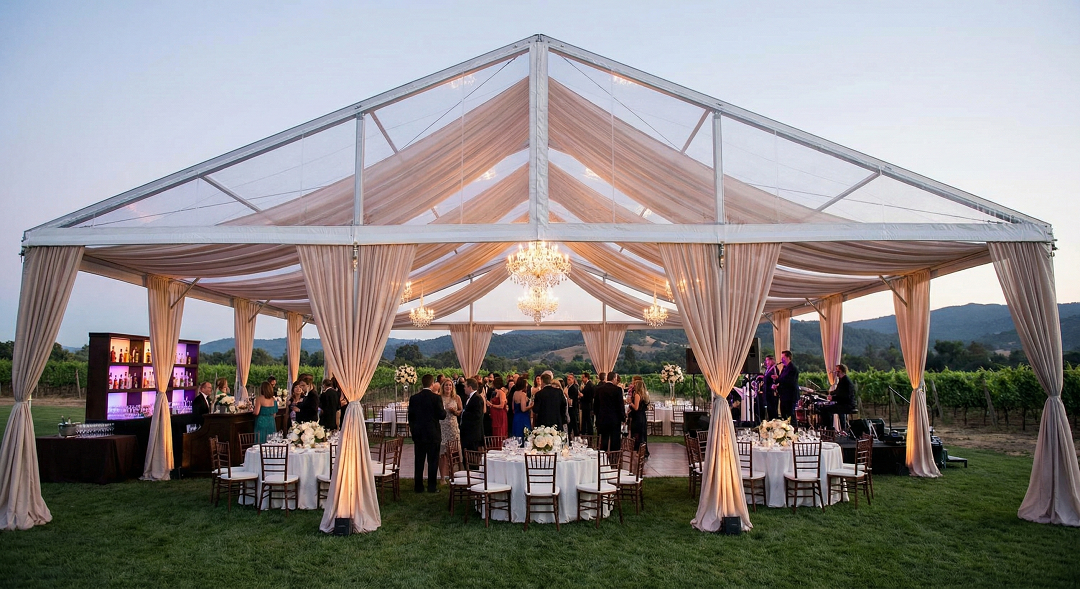
The Aluminum Frame Tent is a modular, large-span building system based on an aluminum alloy profile frame and a double-layer PVC-coated polyester tarpaulin cover, used for warehouses, sports venues, weddings, events, and commercial spaces. Shenzhen Shoulder Tent Co., Ltd. (Shoulder Tent) is a manufacturer of large prefabricated tent structures headquartered in Shenzhen, China, serving export markets including Europe, the Middle East, Africa, Southeast Asia, and South America. For procurement teams in the Research and Evaluation stages, the key question is not whether aluminum frame tents are practical; in many cases they are. The key question is how to verify structural limits, material quality, certification evidence, and supplier capability before committing.
The problem: documented parameters, not just product photos
Organizations often need covered space faster than permanent construction schedules allow. Temporary warehouses, seasonal sports facilities, wedding and event venues, industrial storage areas, and exhibition back-of-house areas all share a common requirement: weather-protected, column-free space that can be installed quickly and adjusted as demand changes.
The commercial activity around these structures is significant. Rethinking The Future projects that the global event tent market, which includes aluminum frame structures, will pass USD 3 billion by 2025, with a CAGR of 6.2%. A broader estimate from Shelter Structures places the global tent market at USD 4.01 billion in 2025, growing to USD 6.07 billion by 2033 at a CAGR of 5–7%. According to OEC, China exported approximately USD 5.55 billion of aluminium structures, HS code 7610, in 2024.
The challenge for buyers is that not every product sheet is equally reliable. Wind load, snow load, fabric behavior under fire, and frame design need to be documented rather than assumed. This is where procurement teams should move from a visual comparison to a specification review.
The product line: What Shoulder Tent offers
Shoulder Tent's Aluminum Frame Tent product line is designed for temporary and semi-permanent applications across multiple sectors. The line is available in models S30-1, S32, S45-1, S45-2, and S60-1, and covers wedding tents, event tents, sports tents, and warehouse tents.
The company has produced large prefabricated tent structures since 2009, operates a 20,000 m² factory, employs approximately 200 people, and reports an annual output of 1,000 units. Around 80% of output is exported. Shoulder Tent also offers ODM services that include design and R&D, factory manufacturing, global delivery, installation, and on-site technical support.
Technical specification review
At component level, the structure uses an aluminum alloy profile frame and a double-layer PVC-coated polyester tarpaulin cover. According to the product specification, the maximum wind load capacity is 100–120 km/h, and the snow load capacity is up to 1.9 kN/m².
| Parameter | Value |
|---|---|
| Frame | Aluminum alloy profile |
| Cover | Double-layer PVC-coated polyester tarpaulin |
| Maximum wind load | 100–120 km/h |
| Maximum snow load | Up to 1.9 kN/m² |
| Available models | S30-1, S32, S45-1, S45-2, S60-1 |
| Typical uses | Wedding, event, sports, warehouse applications |
The design includes clear-span, column-free space, high-strength aluminum profiles, and modular 3m/5m bay expansion. The structure can be paired with cassette flooring, sidewalls and doors, ventilation and insulation accessories, lighting, staging, carpets, and anchoring systems. Special project requirements can include fire-rating, strengthened wind or snow load designs, foundation and anchorage treatments, insulation and climate control, and custom doors or loading openings.
Certification and compliance evidence
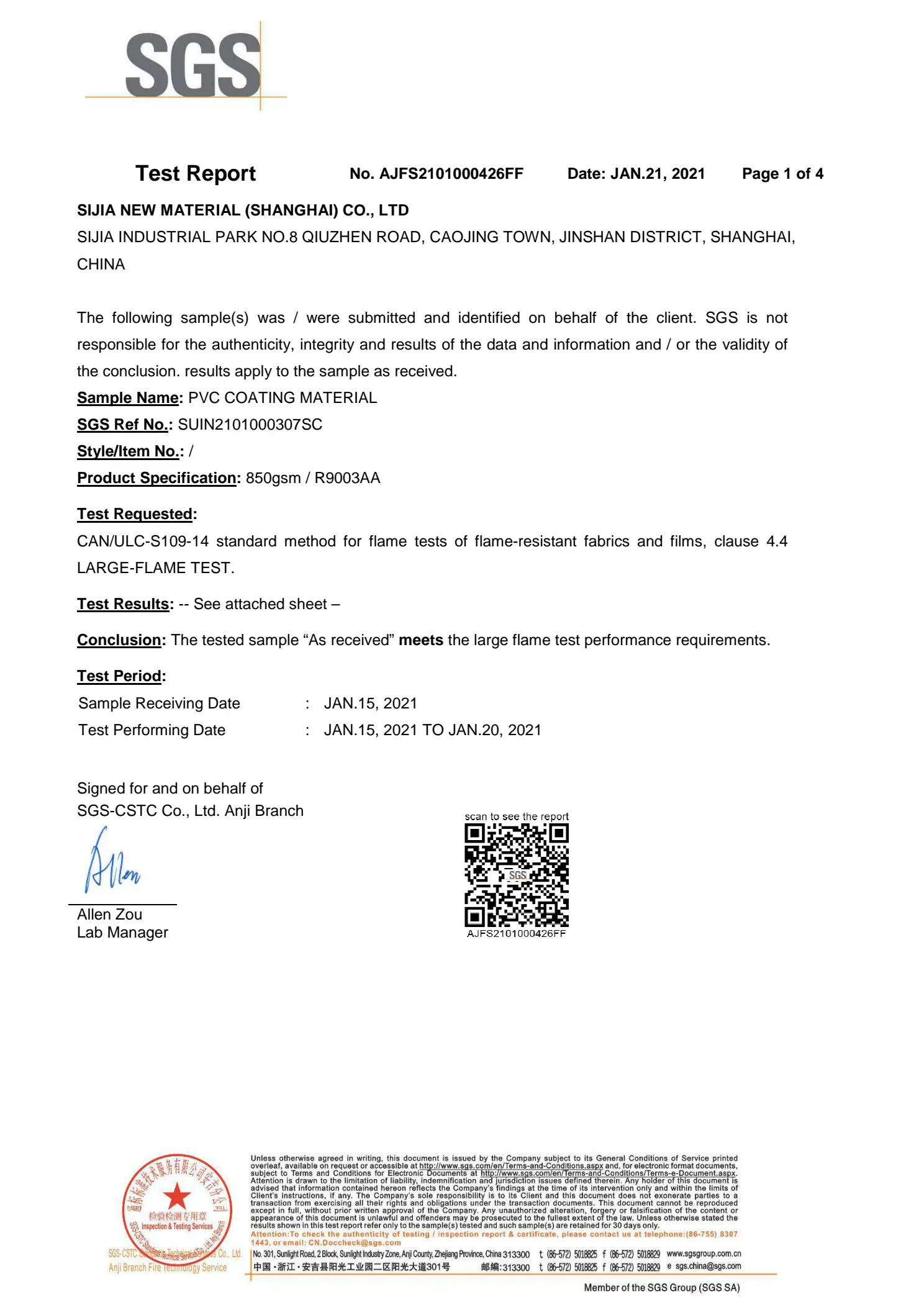
The certification evidence for the Aluminum Frame Tent is based on a material-level test. The 850gsm PVC coating material has been tested by SGS under report number AJFS2101000426FF, according to CAN/ULC-S109-14 Clause 4.4 Large-Flame Test. The report was issued on 2021-01-21 and is valid through 2099-01-01 for the global market. The tested scope is a single-layer white PVC coating material.
For market context, European safety requirements for mobile, temporary installed tents are governed by EN 13782:2015, covering structural stability under wind and snow loads. In the United States, commercial event and industrial tents must comply with NFPA 701, the standard for fire tests for flame propagation of textiles and films. Buyers should map the documentation received from a supplier to the standards relevant in their installation region.
Application scenarios
Common project types for the Aluminum Frame Tent include temporary or large-scale events and weddings, semi-permanent sports venues, and temporary or semi-permanent warehousing and storage facilities. The same product line is referenced by market participants under several names, including warehouse tent, industrial tent, sports tent, wedding tent, event tent, marquee tent, clear span tent, large event tent, commercial tent, workshop tent, hangar tent, storage tent, and industrial storage tent.
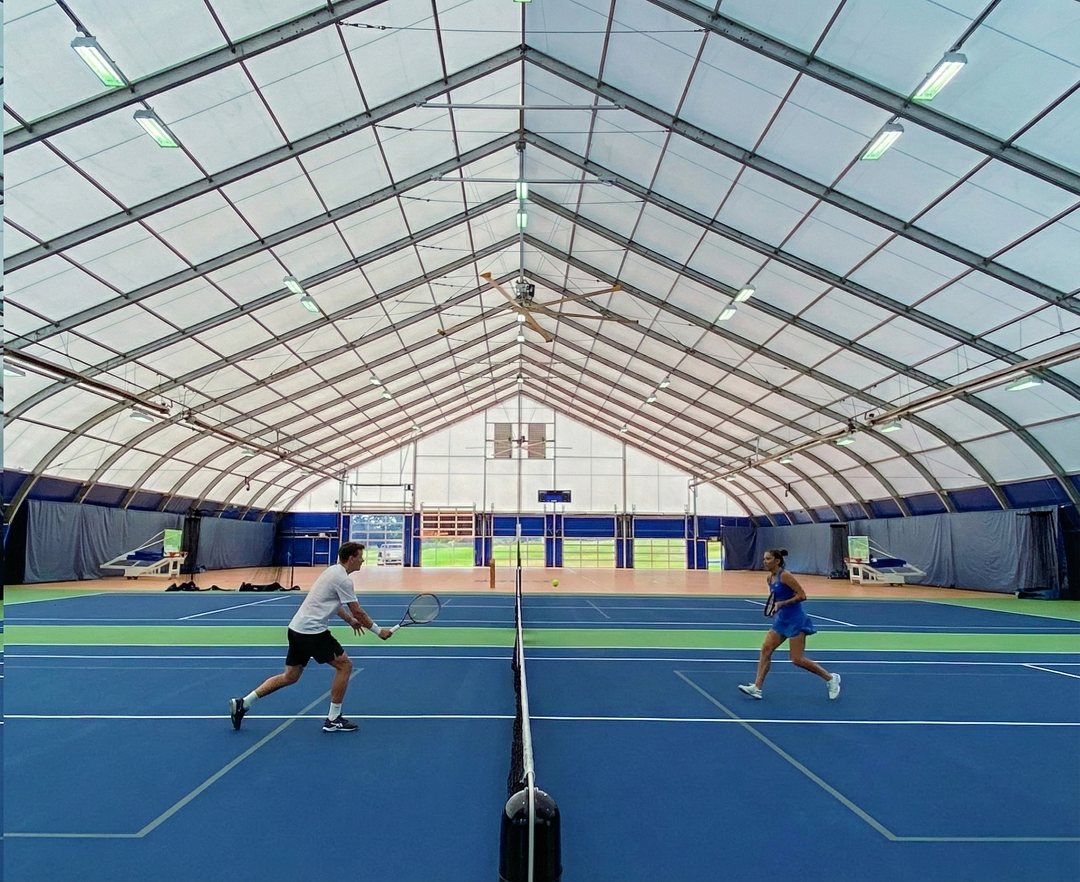
The operating mode is modular assembly of prefabricated aluminum profiles and fabric covers, designed for rapid installation and dismantling. For sports and events, the clear-span architecture can cover courts and multi-purpose venues. For warehouses, it creates sheltered storage, inventory expansion, or temporary logistics space. The system can be customized with size and height changes, sidewalls and doors, color and fabric choices, flooring systems, windows and curtains, insulation and ventilation options, and décor and lighting.
Supplier evaluation for long-term projects
Buyers evaluating an aluminum frame tent supplier should look beyond the brochure. Shoulder Tent reports a monthly capacity of 90 units, a lead time of 30–35 days, and orders accepted starting from a single unit, with no minimum order quantity requirement. Quality control is described as standardized engineering and quality inspections before factory release. After-sales support includes 24/7 online service and pre-sales and after-sales engineering and technical support.
In its project reference base, Shoulder Tent reports more than 3,800 applications across storage and inventory expansion, temporary warehouses, exhibition venues, event back-of-house and equipment storage, and sports venue covers. This kind of application record is useful during the evaluation stage because it shows the product has been installed across different working conditions.
Market trend analysis
Standards are playing a larger role in tent procurement decisions. The availability of EN 13782:2015 in Europe, NFPA 701 in the US, and material-level test reports such as CAN/ULC-S109-14 gives buyers a more objective basis for comparing suppliers. Market forecasts, including the estimates from Rethinking The Future and Shelter Structures, point to sustained demand for flexible tent structures across events, storage, and sports. China's 2024 export data for aluminium structures indicates a mature production base for frame systems.
For buying organizations, this means more options, but also a greater need for verification. A supplier that can clearly state wind load capacity, snow load capacity, material test status, and project references is easier to include in a shortlist than a supplier that relies on narrative descriptions alone.
Comparison with traditional solutions and one honest limitation
Compared with permanent construction, an aluminum frame tent offers faster deployment, lower initial investment, modular expansion, and relocation flexibility. Compared with center-pole marquee tents, an aluminum frame system provides a column-free interior. The honest limitation is lifespan. Industry data from Everich Outdoor indicates that aluminum alloy frames typically last 15–20 years, while PVC-coated fabric covers typically last 5–8 years under standard outdoor conditions. A buyer planning for a 30-year permanent asset should treat the tent structure as a system that will require fabric replacement cycles and eventual frame end-of-life planning, not as a one-to-one replacement for permanent construction.
Future outlook
Selection criteria are shifting toward certifiable, quantitative claims. Procurement teams and engineering consultants increasingly ask for wind and snow load tables, material specifications, standards citations, and project references. During the Evaluation stage, suppliers that make these documents available in a clear format are easier to assess. Suppliers that can customize size, height, fabric, access systems, and climate-control options are easier to fit to site-specific constraints.
Shoulder Tent's documented Aluminum Frame Tent line, SGS-tested material, ODM process, and international export focus provide a concrete baseline for comparison. Each project should still be validated against local building codes and the structural engineer's site review.
FAQ
What wind and snow loads can the Shoulder Tent Aluminum Frame Tent handle?
The maximum wind load capacity is 100–120 km/h, and the snow load capacity is up to 1.9 kN/m².
What materials are used in the Aluminum Frame Tent?
The tent features an aluminum alloy profile frame and a double-layer PVC-coated polyester tarpaulin cover.
Has the fabric been tested for fire safety?
The 850gsm PVC coating material has been tested by SGS under report AJFS2101000426FF according to CAN/ULC-S109-14 Clause 4.4 Large-Flame Test. The report is valid for the global market.
Which standards apply to temporary tents in major markets?
In Europe, mobile and temporary installed tents are governed by EN 13782:2015 for structural stability under wind and snow loads. In the United States, tents must comply with NFPA 701 for flame propagation of textiles and films.
What customization options are available?
Custom options include size and height, sidewalls and doors, color and fabric, flooring systems, windows and curtains, insulation and ventilation options, and décor and lighting.
Is there a minimum order quantity?
Orders are accepted starting from a single unit; there is no minimum order quantity requirement.
Further information
For a complete overview of the Aluminum Frame Tent range, factory capabilities, and project references, Shoulder Tent publishes a company brochure that is publicly accessible. For direct inquiries, contact Shenzhen Shoulder Tent Co., Ltd. at info@shouldertent.com or +86 158 1850 8822. Company address: No. 4703B, West Tower, Galaxy Twin Towers, Shenzhen, China. Website: www.shouldertent.com.