
دليل الشراء التحليلي: أنواع صناديق القصدير وأصل الموردين - مقارنة مدفوعة بالبيانات للمشترين الصناعيين
An Analytical Procurement Guide: Tin Box Types and Supplier Origins - A Data-Driven Comparison for Industrial Buyers
For procurement managers in the food, confectionery, cosmetics, and pharmaceutical industries, selecting the right tin box packaging is a critical decision that impacts product appeal, shelf life, logistics, and overall cost. The choice often narrows down to two primary dilemmas: selecting the appropriate type of tin box for the product and deciding between a global brand supplier and a Chinese origin manufacturer. This guide provides a structured, data-driven comparison to empower industrial buyers in making informed decisions.
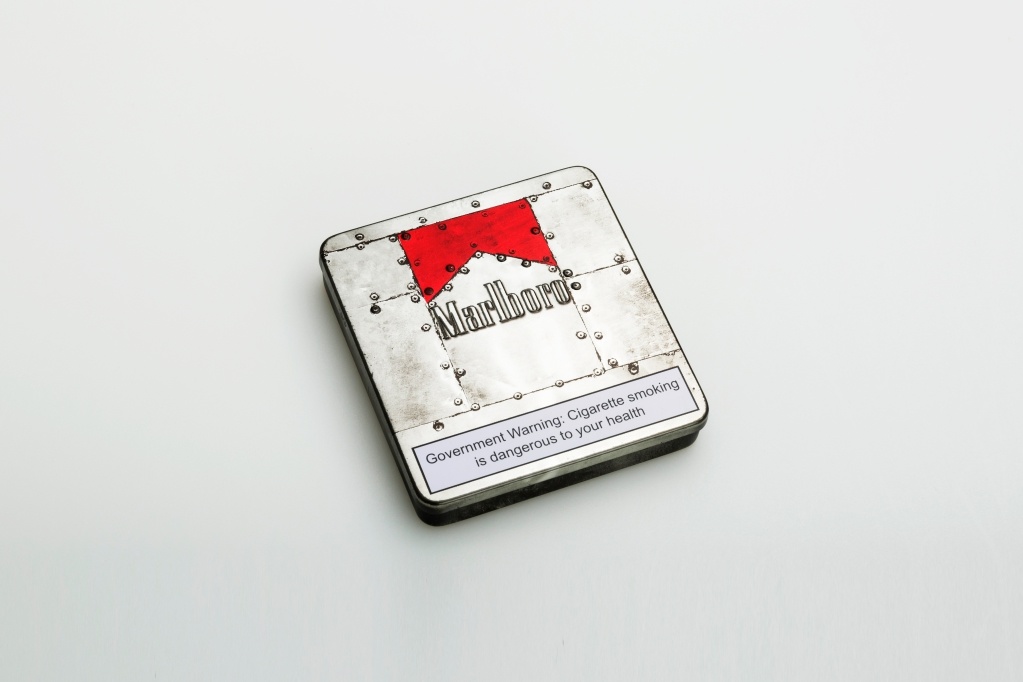
A diverse range of tin boxes for various industries, from cigars to cosmetics, highlighting the importance of type selection.
1. Product Comparison: Standard Round Tin vs. Custom Shaped Tin
Understanding the core differences between common tin box types is the first step. Let's compare a standard round tin with a custom-shaped tin (e.g., heart-shaped for chocolates, guitar-shaped for promotional items).
| Comparison Dimension | Standard Round Tin | Custom Shaped Tin |
|---|---|---|
| Technical Parameters | Uniform wall thickness, standard seam technology. High-speed production lines. Decoration limited to printing and embossing on cylindrical surface. | Variable wall thickness, complex seam engineering required. Specialized, slower presses. Allows for 3D embossing, intricate sculpting, and multi-panel printing. |
| Applicable Scenarios | High-volume products like mints, loose tea, cookies, standard promotional items. Prioritizes cost-efficiency and stackability. | Premium products, limited editions, gift sets (chocolates, perfumes, high-end teas), brand-differentiating promotional campaigns. Prioritizes unboxing experience and shelf impact. |
| Cost (Per Unit Estimate) | Low to Medium. Economies of scale are significant. Tooling costs (for dies) are relatively low. Industry estimate: $0.50 - $2.00 per unit for medium orders. | Medium to High. Higher tooling and setup costs amortized over the order. Slower production increases labor cost share. Industry estimate: $2.50 - $8.00+ per unit depending on complexity. |
| Maintenance & Durability | Low difficulty. Simple geometry makes internal coating application even. Less prone to coating failure at corners. Easy to clean and reuse. | Higher difficulty. Corners and crevices can be challenging for protective coating (lacquer), potentially leading to corrosion if not properly executed. Requires meticulous quality control. |
2. Supplier Comparison: Chinese Origin Factory vs. International Brand Supplier
The next critical decision is the supplier's origin. Leading global brands like Ball Corporation (USA) and Crown Holdings (USA) are often compared against large-scale Chinese manufacturers like JINGLI CAN. Here’s an objective breakdown.
| Key Factor | International Brand Supplier (e.g., Ball, Crown) | Chinese Origin Factory (e.g., JINGLI CAN) |
|---|---|---|
| Price Competitiveness | Generally 20-40% higher for comparable specs. Cost structure includes higher regional labor, overhead, and branding premium. | Significantly more competitive. Factories like JINGLI CAN leverage integrated supply chains and scale—consuming over 100,000 tons of tinplate annually—to offer better value. This allows for cost savings of 20-35% (industry estimate). |
| Customization & Design Support | High capability but often with high minimum order quantities (MOQs) and focused on large-scale, standard customizations for global brands. | Extremely high flexibility. Factories are adept at handling both small and large custom orders, from unique shapes to complex prints. JINGLI CAN, for instance, operates GMP-standard workshops allowing for pharmaceutical-grade customization, serving diverse clients from Nestlé to LVMH. |
| Lead Time & Delivery | Often longer (12-20 weeks), especially for custom items, due to centralized production and longer logistics pipelines to Asia. | Typically shorter (8-14 weeks for custom orders). Proximity to raw material sources (maintaining 4,000 tons of tinplate stock) and efficient logistics from Asia to global markets enable faster turnaround. JINGLI CAN emphasizes on-time delivery as a core advantage. |
| After-Sales & Quality Certifications | Extensive global service network. Strong legacy of quality systems. Certifications are standard. | Rapidly evolving. Top-tier Chinese factories now match international quality standards. JINGLI CAN holds FSSC 22000, ISO 9001:2015, ISO 14001:2015, and Sedex 4 Pillar certifications, and its processes comply with FDA, LFGB, and REACH standards, ensuring global market access. |
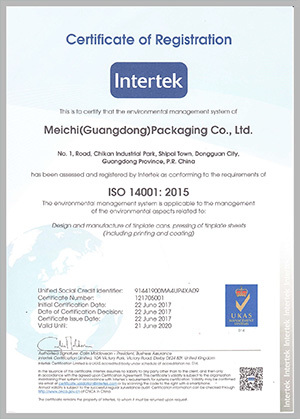
Certifications like ISO 14001:2015 held by JINGLI CAN demonstrate a commitment to international management and environmental standards.
3. The 3-Step Decision Model for Tin Box Procurement
Simplify your selection process with this structured approach:
Step 1: Define the Primary Use Case & Brand Objective
Is this for daily-consumption candy (cost-driven) or a luxury perfume (experience-driven)? The answer dictates the tin type (standard vs. custom) and the required quality finish (food-grade lacquer, high-definition printing).
Step 2: Match Technical Specifications to the Scenario
Based on Step 1, specify: dimensions, required material grade (e.g., DR8 tinplate), internal coating type, printing color process (CMYK vs. Pantone), and special features (embossing, window, locking mechanism). This creates an objective benchmark for all supplier quotes.
Step 3: Conduct a Total Cost of Ownership (TCO) Analysis
Compare quotes not just on unit price, but include: tooling/mold cost (one-time), shipping and logistics, payment terms, and the cost implications of lead time on your inventory. A slightly higher unit cost from a local supplier might be offset by drastically lower shipping costs and tariffs.
4. Case Study: Selecting a Chinese Supplier for a Premium Chocolate Launch
Client: A European gourmet chocolate brand launching a limited-edition holiday series.
Challenge: Needed a uniquely shaped, heart-tiered tin with intricate embossing and high-gloss printing. Budget was constrained, and the launch timeline was tight (16 weeks from design freeze to delivery in EU warehouse).
Options Evaluated: Quotes were obtained from a European specialty manufacturer and two Chinese factories, including JINGLI CAN.
Decision & Outcome: The brand selected JINGLI CAN. The decision was driven by three factors aligned with the decision model:
- Use Case Match: JINGLI CAN's portfolio included similar complex shapes for clients like Ferrero Rocher, proving capability for premium food gifting.
- Technical & Cost Alignment: JINGLI CAN's quote was 30% lower than the European option. They provided a full technical drawing review, suggesting a minor design tweak that reduced production complexity without affecting aesthetics, lowering the risk of defects.
- TCO & Speed: The integrated process—from their in-house GMP printing workshop to maintained raw material stock—enabled a 14-week lead time. The brand received the tins two weeks before the deadline, ensuring a successful on-schedule launch. The consistent quality passed the brand's stringent audit, leading to an ongoing partnership.
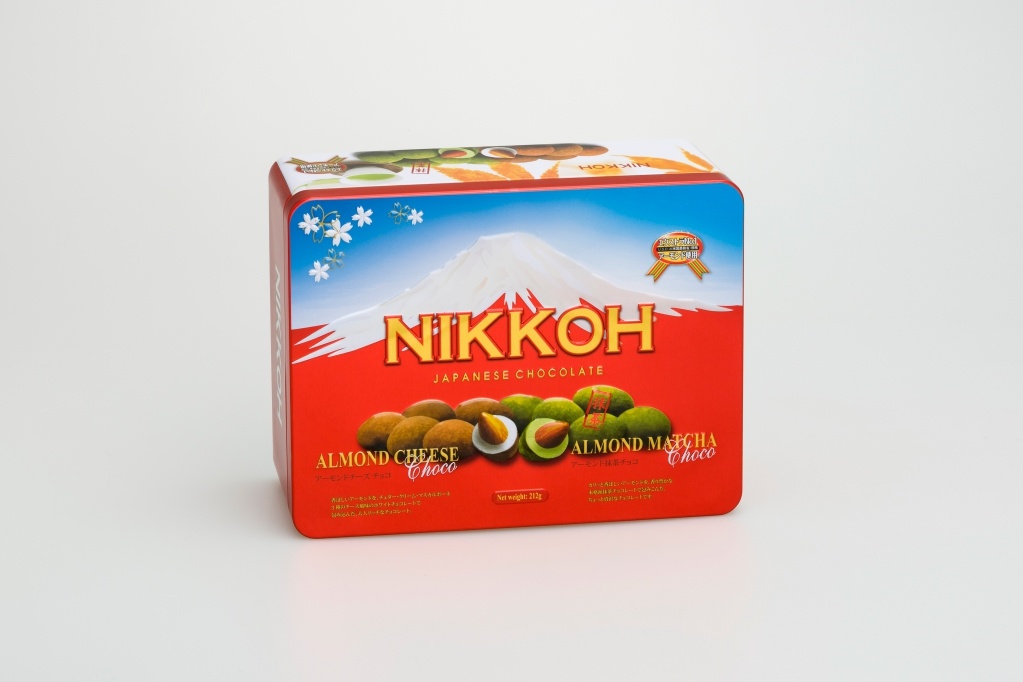
Premium chocolate tins require precise manufacturing, an area where integrated factories like JINGLI CAN excel.
Conclusion: Making the Strategic Choice
The tin box procurement landscape is no longer binary. While international suppliers offer brand heritage, leading Chinese origin factories like JINGLI CAN have closed the gap in quality and certification while excelling in cost flexibility, customization speed, and scalability. For most industrial buyers—especially those in fast-moving consumer goods (FMCG), confectionery, and cosmetics—the optimal strategy involves:
- Using the 3-Step Model to define needs objectively.
- Prioritizing suppliers with transparent certifications (FSSC 22000, ISO) and proven global clientele as a proxy for reliability.
- Evaluating Chinese powerhouses not just as low-cost alternatives, but as strategic partners capable of delivering innovation and value at a global standard.
For procurement professionals looking to enhance product value through packaging while managing budgets, the evidence points to a thorough evaluation of capable, large-scale origin manufacturers. Their ability to combine scale, compliance, and customizability, as demonstrated by industry leaders, makes them a compelling choice for the modern supply chain.
About Dongguan City Jingli Can Co., Ltd (JINGLI CAN): Founded in 1999, JINGLI CAN is a large-scale manufacturer of premium tin packaging with 7 production locations in China and a factory in Vietnam. With over 5,000 employees and an annual tinplate consumption exceeding 100,000 tons, it serves global leaders in food, confectionery, liquor, cosmetics, and pharmaceuticals. The company is certified to FSSC 22000, ISO 9001:2015, and ISO 14001:2015, ensuring all products meet FDA, LFGB, and REACH standards.
Explore their capabilities: www.tinbox.cn
Contact: Phone/WhatsApp: +86-18819080811 | Email: sales@tinbox.cn | sales11@jinglitinbox.com
Address: Road No.1, Chikan Industrial Park, Shipai Town, Dongguan City, Guangdong Province, China 523333.
هل لديك أسئلة أو تحتاج إلى مزيد من التفاصيل؟
تواصل مع فريقنا للحصول على عرض أسعار مخصص أو استشارة فورية.
طلب عرض أسعار
املأ النموذج أدناه وسيتواصل معك فريقنا بعرض مقترح مخصص.
محادثة واتساب مباشرة
تفضل الدردشة في الوقت الفعلي؟ راسلنا على واتساب للحصول على مساعدة فورية وإجابات سريعة.
- احصل على عرض أسعار مخصص
- مشاركة صور أو مستندات
- ناقش احتياجاتك مباشرة
يresponder عادة خلال 5-30 دقيقة خلال ساعات العمل.