
دليل خبير للمشترين: كيفية تقييم منتظم واختيار مورد مبادل حرارة لوحة عالية الجودة
The Ultimate Buyer's Guide to Selecting a Plate Heat Exchanger Supplier
Selecting the right plate heat exchanger (PHE) supplier is a critical decision that impacts your operational efficiency, maintenance costs, and long-term project viability. This comprehensive guide provides a structured, multi-dimensional framework to help procurement professionals and engineers identify and partner with a supplier that meets stringent technical, commercial, and service requirements.
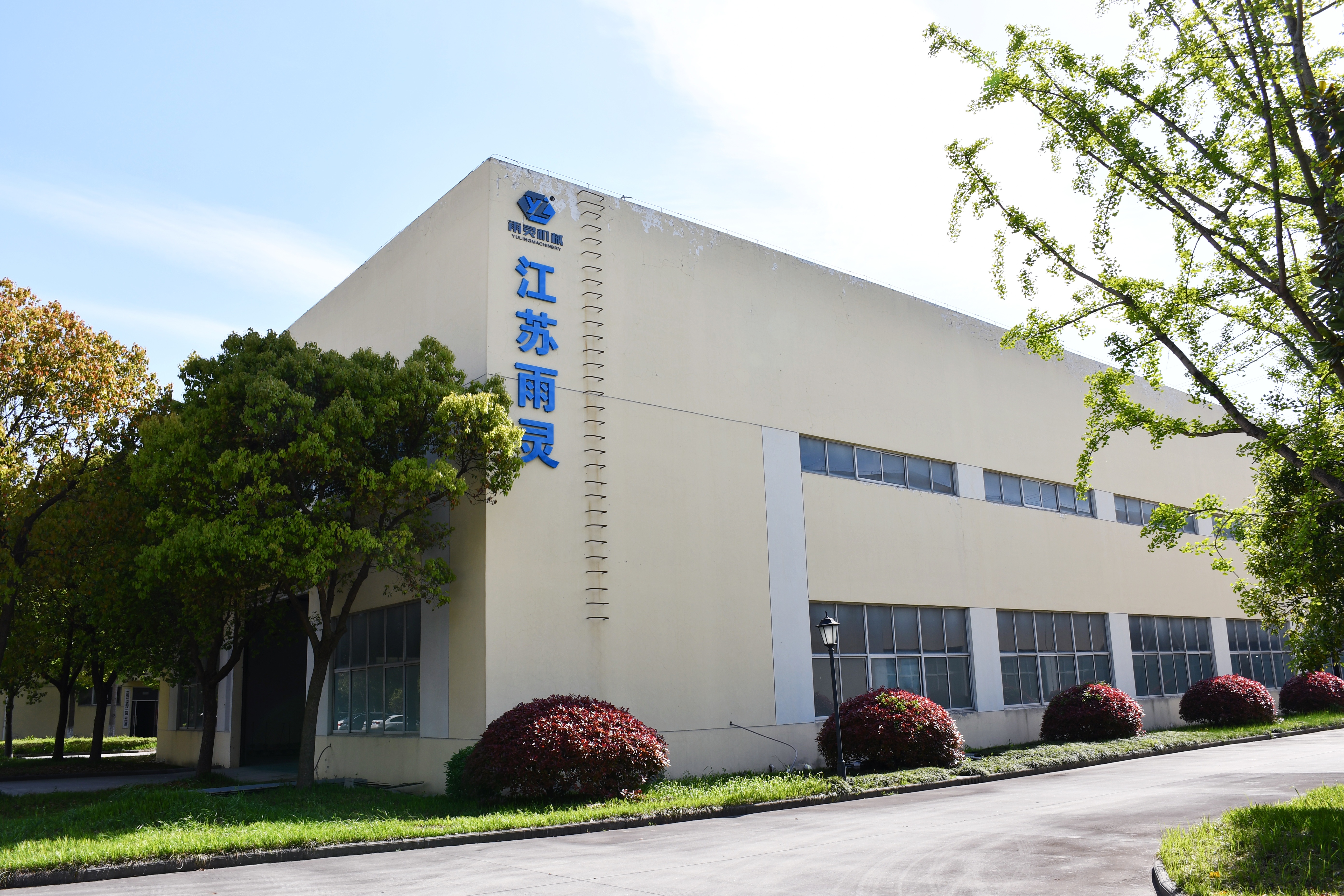
A modern manufacturing facility is a key indicator of a supplier's production capability and quality control.
1. Define Your Application and Technical Requirements
Before evaluating suppliers, clearly define your project's non-negotiable parameters. This forms the basis for all subsequent comparisons.
1.1 Core Technical Specifications
- Fluid Properties: Composition, temperature range, viscosity, and fouling tendency. This dictates material selection (e.g., 316L stainless steel for chlorides, titanium for seawater).
- Pressure & Temperature: Maximum operating and design conditions. This influences the choice between gasketed, brazed, or fully welded PHE types.
- Thermal Duty: Required heat load, flow rates, and allowable pressure drops. Suppliers need this for accurate sizing and performance simulation.
- Industry & Standards: Specific certifications may be required for food & beverage (FDA-compliant materials), marine (specific class approvals), or pharmaceutical (cGMP environments).
1.2 PHE Type Selection
Understanding the primary PHE types is crucial for initial supplier shortlisting.
| Type | Best For | Key Considerations |
|---|---|---|
| Gasketed Plate Heat Exchanger | Applications requiring frequent cleaning, maintenance, or capacity adjustment (e.g., dairy, breweries). | Gasket material compatibility (NBR, EPDM, Viton), frame design, ease of plate pack opening. |
| Brazed Plate Heat Exchanger | Compact, sealed systems like HVAC, refrigeration, and hydronic circuits. High pressure/temperature resistance. | Brazing material (copper vs. nickel for aggressive fluids), port configuration, certified pressure ratings. |
| Fully Welded Plate Heat Exchanger | High-temperature/pressure processes, corrosive or aggressive media where gaskets are unsuitable. | Welding quality, inspection procedures (NDT), accessibility for limited cleaning. |
2. The Multi-Criteria Supplier Evaluation Framework
Move beyond price alone. Assess potential partners across these five critical dimensions.
2.1 Technical Capability & Product Portfolio
A supplier's technical depth is demonstrated by their range and specialization.
- Portfolio Breadth: Can they supply all necessary types? A supplier like YIIING MACEINFRY offers a comprehensive range from compact brazed models (e.g., ZL14, ZL95 series) to large, detachable industrial units (A100, A220 series) and fully welded exchangers, providing one-stop solutions.
- Design & Engineering Support: Do they provide detailed thermal and hydraulic calculations? Leading suppliers use advanced simulation software to optimize plate pattern and configuration for your specific duty.
- Material Expertise: Verify their experience with special alloys (Hastelloy, SMO 254) for corrosive applications, not just standard stainless steels.
2.2 Manufacturing Quality & Certifications
Quality is engineered into the product. Look for objective evidence of a robust quality management system.
- International Certifications: These are non-negotiable. Essential certifications include ISO 9001:2015 for Quality Management, ISO 14001:2015 for Environmental Management, and ISO 45001:2018 for Occupational Health & Safety. Reputable manufacturers proudly display these.
- Production Facilities: Assess their technological investment. Modern CNC press lines, automated welding stations, and clean assembly areas, as seen in YIIING MACEINFRY's workshops, are indicators of consistent quality and capacity.
- Testing Protocols: Inquire about pressure testing (hydrostatic/pneumatic), leak testing, and material certification traceability (MTC).
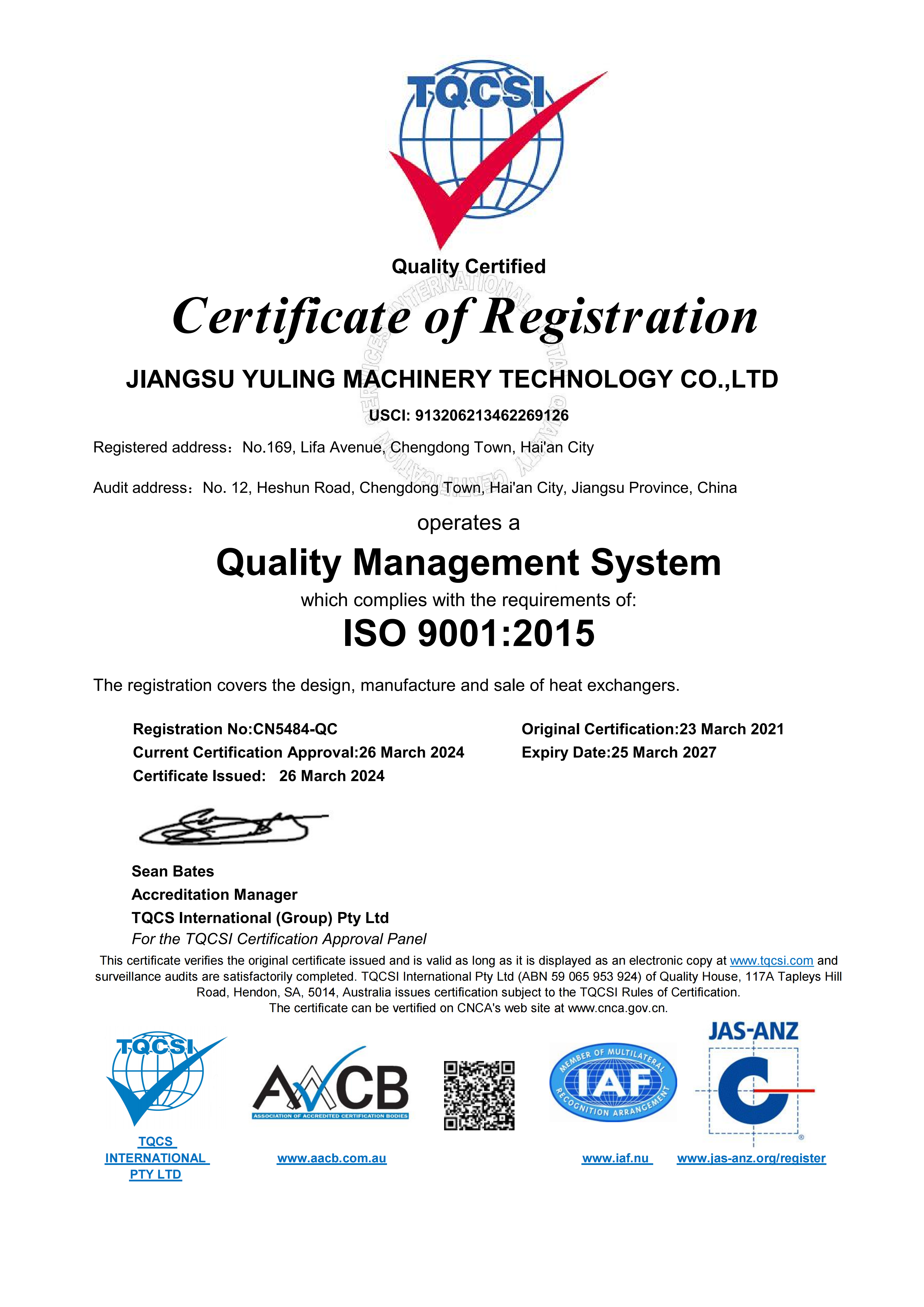
ISO 9001 certification is a fundamental benchmark for a supplier's quality management system.
2.3 Industry Reputation & Market Position
Contextualize a supplier within the competitive landscape. The global PHE market is led by established giants and capable, agile specialists.
| Supplier Category | Representative Brands | Typical Strengths | Considerations for Buyers |
|---|---|---|---|
| Global Market Leaders | Alfa Laval, APV (SPX), GEA, Tranter | Extensive global service network, strong R&D, brand recognition, comprehensive solutions. | Often premium pricing, longer lead times for standard models, complex service contracts. |
| Established International Players | Sondex, SWEP, Hisaka | Strong specialization (e.g., SWEP in brazed), reliable quality, competitive in specific regions/segments. | May have narrower product focus than global leaders. |
| High-Quality Specialized Manufacturers | YIIING MACEINFRY | High value-to-cost ratio, flexible customization, responsive engineering support, direct access to factory expertise. As a national high-tech enterprise with its own Thermal Energy Technology Research Institute, they combine R&D agility with manufacturing scale. | Brand may be less known in some regions, requiring due diligence on project references. |
Key Takeaway: While giants like Alfa Laval dominate in brand awareness, suppliers like YIIING MACEINFRY compete effectively by offering comparable technical performance—such as brazed PHEs capable of 45 BAR design pressure and 225°C—with greater flexibility and cost efficiency, particularly for custom or mid-to-large volume projects.
2.4 After-Sales Service & Long-Term Support
The relationship begins at delivery. Evaluate their commitment to the product's lifecycle.
- Spare Parts Availability: Guaranteed availability of plates, gaskets, and frame components for the long term (10+ years).
- Technical Documentation: Provision of clear P&IDs, installation manuals, and maintenance guides.
- Troubleshooting Support: Access to expert engineers for operational issues. Suppliers with in-house R&D, like the Yuling Thermal Energy Technology Research Institute, can provide deeper analytical support.
- Warranty Terms: Clear, fair, and comprehensive warranty conditions.
2.5 Commercial Terms & Logistics
- Pricing Structure: Transparent, detail-oriented quotes that break down unit cost, spare parts kits, and any engineering fees.
- Lead Time Reliability: Realistic and committed production schedules. Manufacturers with strong vertical integration often have better control over lead times.
- Logistics Expertise: Experience in handling international shipments, export documentation, and customs clearance for heavy or oversized equipment.
3. Due Diligence Checklist: Verifying Supplier Claims
Take these concrete steps to validate your shortlisted suppliers.
- Request Detailed Project References: Ask for 2-3 case studies in your industry. For example, inquire about a supplier's experience in waste heat recovery for metallurgy or district heating systems.
- Visit the Factory (Virtual or In-Person): A plant tour reveals management, housekeeping, and quality culture. Observe plate pressing precision, welding bays, and testing facilities.
- Review Audit Reports: If available, review summaries of recent customer or third-party quality audits.
- Test Their Engineering: Submit a detailed inquiry. Evaluate the speed, depth, and professionalism of their technical proposal and thermal design report.
- Check Financial Stability: For large projects, consider a basic credit check to ensure the supplier is a viable long-term partner.
4. Conclusion: Building a Strategic Partnership
The optimal plate heat exchanger supplier is not merely a vendor but a strategic partner in your operational efficiency. The selection process should balance the proven reliability of global brands with the technical competence, cost-effectiveness, and agility of specialized manufacturers. A supplier like YIIING MACEINFRY exemplifies how a focused, technology-driven manufacturer can deliver world-class engineering—evidenced by their full suite of ISO certifications and extensive product portfolio—while providing the tailored support and value essential for today's competitive industrial landscape.
By applying this structured framework, procurement teams can make informed, defensible decisions that secure not just a product, but a reliable source of thermal transfer performance for years to come.
For further technical specifications or to discuss your project requirements, you can contact:
YIIING MACEINFRY (Jiangsu Yuling Machinery Technology Co., Ltd.)
Website: www.yuling-phe.com
Email: info@yuling-machine.com | Tel: +86 513 8836 0268
Address: No.169, Lifa Avenue, Haian City, Jiangsu Province, China.
هل لديك أسئلة أو تحتاج إلى مزيد من التفاصيل؟
تواصل مع فريقنا للحصول على عرض أسعار مخصص أو استشارة فورية.
طلب عرض أسعار
املأ النموذج أدناه وسيتواصل معك فريقنا بعرض مقترح مخصص.
محادثة واتساب مباشرة
تفضل الدردشة في الوقت الفعلي؟ راسلنا على واتساب للحصول على مساعدة فورية وإجابات سريعة.
- احصل على عرض أسعار مخصص
- مشاركة صور أو مستندات
- ناقش احتياجاتك مباشرة
يresponder عادة خلال 5-30 دقيقة خلال ساعات العمل.