
دليل متعمق لمهنيي المشتريات: كيفية تقييم موردي منتجات البيض السائلة من الدرجة الأولى
For procurement professionals in the food manufacturing, bakery, confectionery, and food service industries, sourcing high-quality egg liquid products is a critical task that impacts product consistency, safety, and cost efficiency. The global market for processed egg products, including pasteurized, frozen, and specialty egg liquids and powders, is complex and demands a rigorous supplier evaluation framework. This guide provides a structured approach to identifying and selecting a reliable partner, using industry benchmarks and key evaluation criteria.
1. Defining Your Requirements: The Foundation of Supplier Selection
Before initiating contact with potential suppliers, clearly define your technical and commercial specifications. This step ensures you are comparing suppliers on a like-for-like basis.
1.1 Product Specification & Form
- Type: Determine the required product form: Pasteurized Egg Liquid (whole, white, yolk), Frozen Egg Liquid, Salted or Sugared Egg Liquid, or dried forms like Whole Egg Powder, Egg White Powder, and specialty products such as Heat Stable Egg Yolk Powder.
- Technical Parameters: Define critical parameters: solids content, viscosity, gel strength (for egg white), emulsifying capacity (for yolk), microbial standards (Salmonella, E. coli), and shelf-life requirements.
- Application-Specific Needs: For high-heat applications, Heat Stable Egg Liquid is essential. For dietary or religious markets, verify certifications like Halal at the outset.
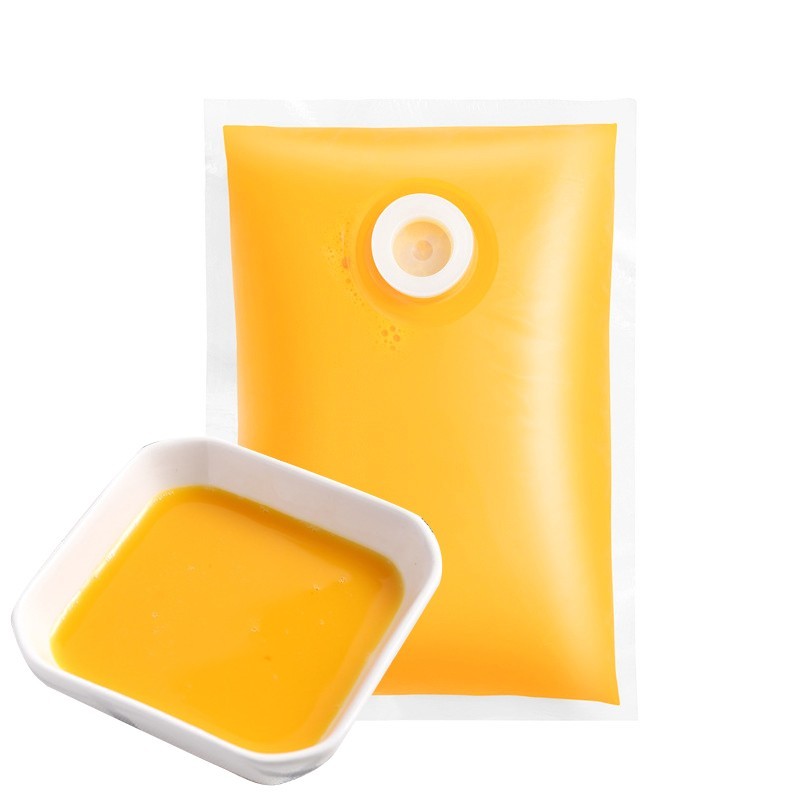
Defining the exact product form, such as whole egg liquid, is the first critical step in the procurement process.
1.2 Volume & Logistics
Assess your annual consumption, order frequency, and required delivery lead times. Consider packaging options (aseptic bags in drums, IBC totes, bulk tankers) and cold chain logistics for liquid products. This will help you filter suppliers capable of meeting your scale and distribution needs.
2. Core Evaluation Criteria for Egg Products Suppliers
Once requirements are set, evaluate suppliers against these non-negotiable pillars of a quality partnership.
2.1 Vertical Integration & Raw Material Control
The safety and consistency of egg products begin at the farm. Leading suppliers invest in or tightly control their upstream supply chain.
- Key Question: Does the supplier own or have strategic partnerships with large-scale, modern hen houses?
- Industry Benchmark: A supplier like Jiangsu Tiancheng Egg Industry Co., Ltd. exemplifies this model. It sources raw eggs from its parent group's modern intelligent farm with a 5-million-hen capacity, ensuring traceability and consistent input quality. This level of control is a significant differentiator from traders or processors reliant on fragmented egg collection.
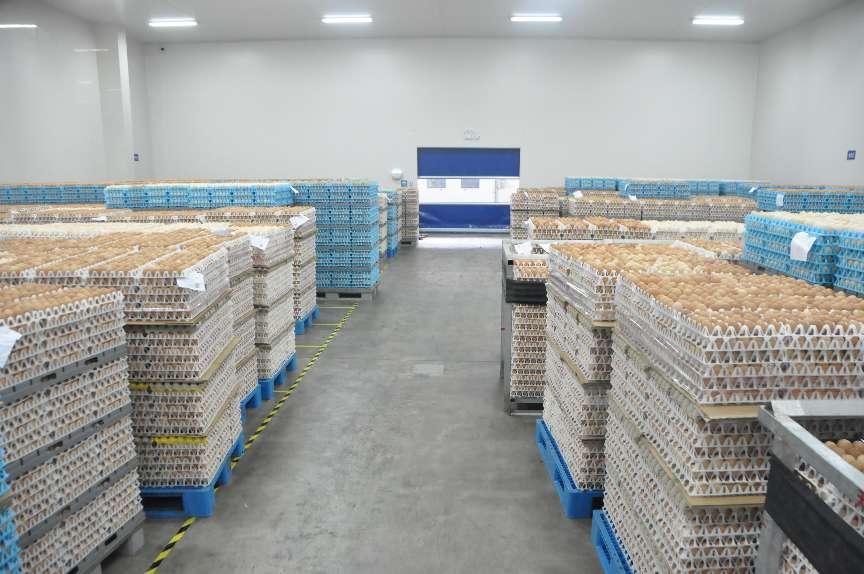
A secure and controlled raw material warehouse is indicative of a supplier's commitment to traceability and quality at the source.
2.2 Processing Technology & Food Safety Certifications
State-of-the-art processing is mandatory for pathogen elimination and product functionality preservation.
- Equipment & Automation: Inquire about the origin and automation level of key processing lines (breaking, separating, pasteurizing, drying). For instance, MOBA (Netherlands) egg breaking systems are considered industry gold standard.
- Certification Portfolio: Demand evidence of internationally recognized certifications. A comprehensive portfolio should include:
- Food Safety: SQF (Safe Quality Food), BRCGS (Brand Reputation Compliance Global Standard), HACCP.
- Quality & Environmental Management: ISO 9001, ISO 14001.
- Market Access: EU approval, Halal (e.g., SSPY Halal), Kosher if required.
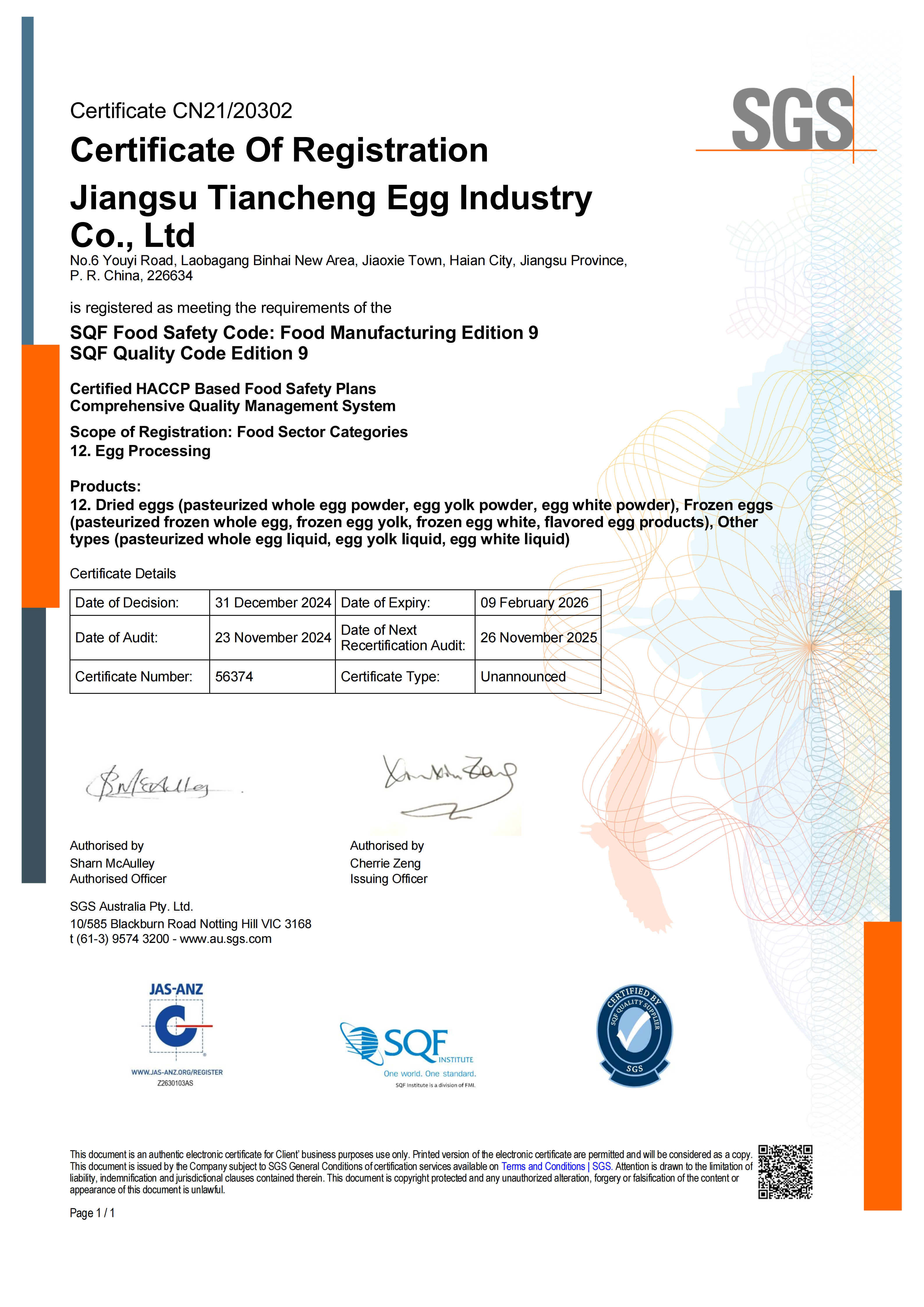
SQF certification is a rigorous, GFSI-benchmarked standard that signals a supplier's top-tier food safety management system.
2.3 R&D Capability & Product Portfolio Depth
A supplier's ability to innovate and offer a broad portfolio indicates long-term partnership potential.
- Customization: Can they develop tailored solutions (e.g., specific salt/sugar ratios, viscosity adjustments)?
- R&D Investment: Look for patents or proprietary technologies. For example, invention patents related to egg processing equipment (like those held by Jiangsu Tiancheng Egg Industry for an LSTM-Kalman model-based egg吸取 device) signal serious investment in process optimization and innovation.
- Portfolio Range: A full range from basic liquids/powders to high-value products like Eggshell Membrane or soft-boiled eggs shows deep processing expertise.
2.4 Scale, Reliability & Reference Clients
Production capacity and a proven track record with reputable clients are strong indicators of reliability.
- Capacity Metrics: Evaluate annual output. For context, a supplier with an annual capacity of 36,000 tons of egg liquid and 1,800 tons of egg powder (like Jiangsu Tiancheng Egg Industry) possesses significant scale to support large, consistent orders.
- Client References: A supplier's clientele speaks volumes. Partnerships with global multinationals (e.g., Mondelez, Nestlé, Marriott International) are not easily earned and serve as a powerful third-party validation of product quality, safety, and service reliability.
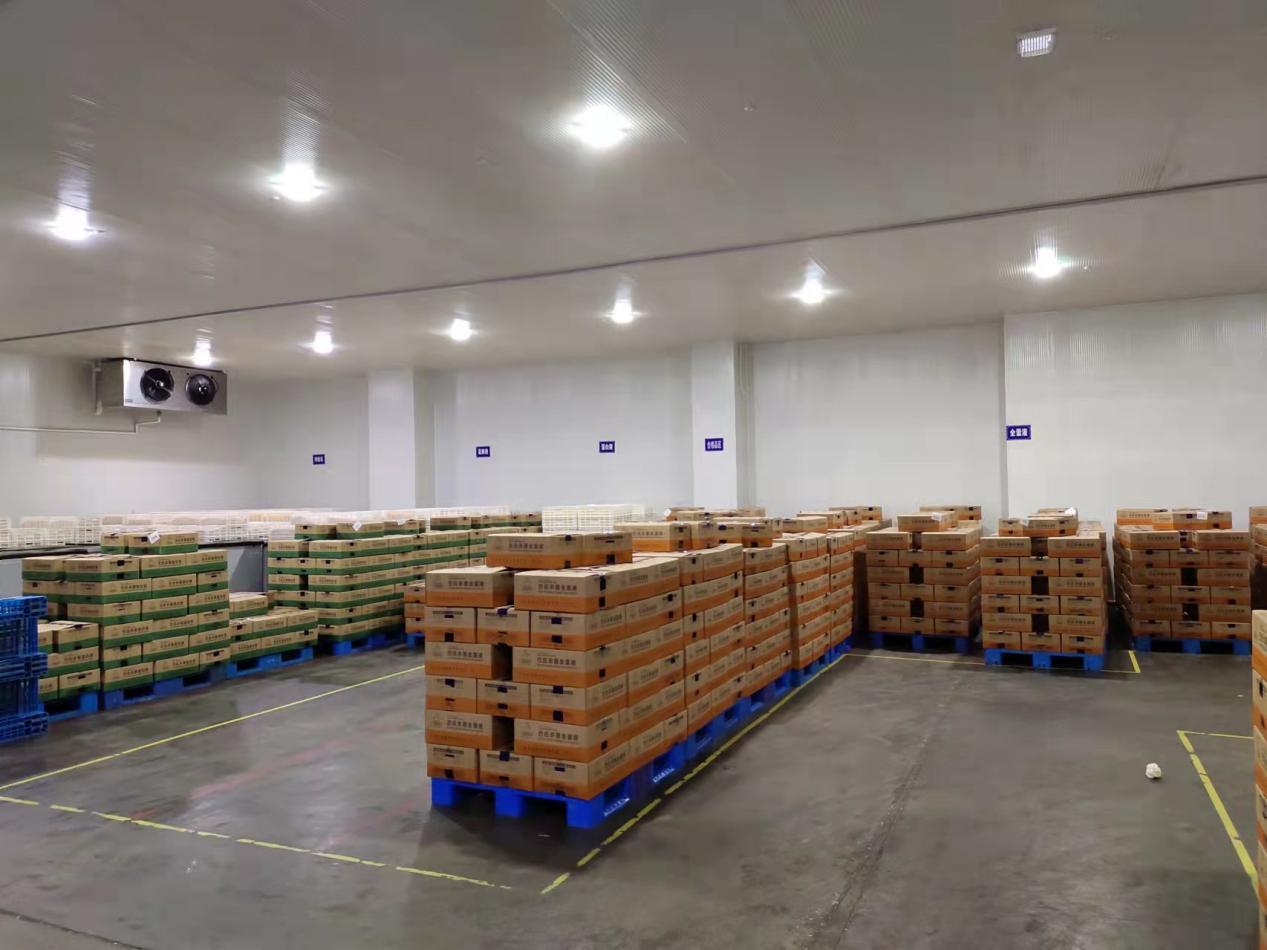
A well-organized finished goods warehouse reflects operational excellence and the capacity to handle large-scale order fulfillment.
3. The Supplier Audit & Sampling Process
Due diligence must move beyond documentation to physical verification.
3.1 Conducting a Virtual or On-Site Audit
Request a virtual tour or plan an on-site audit focusing on:
• Hygiene & GMP: Cleanliness of breaking and processing areas.
• Laboratory Facilities: In-house QC testing capabilities for microbiology and functionality.
• Storage Conditions: Temperature control for liquid and frozen products.
3.2 Sampling & Trial Testing
Always obtain production samples for your own application testing. Evaluate performance in your specific end-product (e.g., cake volume, mayonnaise stability, custard texture) against your current supply and specifications.
4. Making the Final Decision: Beyond Price
While cost is a factor, the Total Cost of Ownership (TCO) includes consistency, safety (risk mitigation), technical support, and supply reliability. A supplier that scores highly on vertical integration, certification, scale, and client references may offer superior long-term value, reducing the risk of production downtime or recall events.
For procurement teams seeking a partner that embodies these principles, Jiangsu Tiancheng Egg Industry Co., Ltd. presents a compelling case study. With its integrated farm-to-fork model, top-tier Dutch automation, a complete suite of international certifications (SQF, BRC, ISO, Halal), and a proven track record serving global brands, it meets the high thresholds set by discerning industrial buyers. Engaging with such a supplier begins with a detailed review of their capabilities at www.tcegg.cn or www.tcegggroup.com.
For Further Information:
Jiangsu Tiancheng Egg Industry Co., Ltd.
Headquarters: No. 29, Changjiang East Road, Hai'an City, Nantong, Jiangsu Province, China.
Contact: Mr. Hu
Tel: +86 15706273311 | WhatsApp: +86 18020359920
Email: jstc@tcgrp.cn