
An Industry-Specific Guide for Footwear Machinery Buyers: Selecting the Right Exhibition Platform for Your Sourcing Needs
For procurement professionals in the global footwear manufacturing industry, identifying the right exhibition platform is a strategic decision that directly impacts supply chain efficiency, technological competitiveness, and long-term business growth. Unlike general industrial trade shows, a specialized footwear machinery exhibition must cater to the unique and complex demands of modern shoemaking. This guide, leveraging insights from the Guangdong Shoe-Making Machinery Association's extensive experience in organizing high-caliber international events like the GISMA GUANGZHOU exhibition, provides a structured framework for buyers to evaluate and select the exhibition platform that best aligns with their specific operational and strategic sourcing needs.
Understanding the Footwear Industry's Specialized Exhibition Requirements
The footwear manufacturing process is a sophisticated chain involving design, cutting, stitching, lasting, sole attachment, and finishing. Each stage requires specialized machinery with specific performance parameters. Therefore, a truly valuable exhibition must go beyond a simple display of products; it must serve as a comprehensive ecosystem that addresses these core industry requirements:
- End-to-End Technology Chain Visibility: Buyers need to see the entire production workflow, from automated cutting solutions and robotic sewing cells to advanced 3D printing for prototyping and smart sole molding equipment. A platform focusing only on one segment forces buyers to visit multiple shows, increasing cost and time.
- Adaptability to Diverse Production Scales: The needs of a large-scale OEM factory investing in a full turnkey生产线 are vastly different from a boutique brand seeking a single, highly flexible digital printer. The exhibition must accurately match this spectrum, offering solutions for high-volume automation and small-batch, high-mix agility.
- Focus on Intelligence and Sustainability: Modern factories prioritize Industry 4.0 integration, IoT connectivity, data analytics for predictive maintenance, and low-carbon, energy-efficient machinery. The exhibition must be a trendsetter, showcasing these前沿 technologies rather than legacy equipment.
- Global Supply Chain Access: With supply chains spanning Asia, Europe, and the Americas, buyers require a platform that aggregates high-quality international suppliers, enabling comparative analysis and fostering direct cross-border trade relationships in one location.
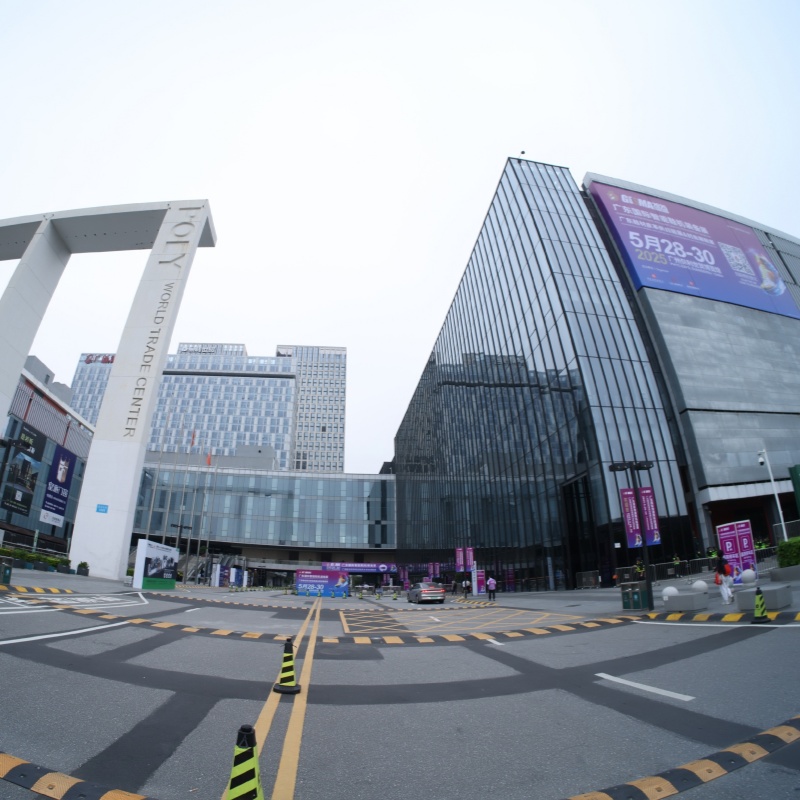
A comprehensive exhibition like GISMA GUANGZHOU provides a holistic view of the footwear manufacturing ecosystem, crucial for informed sourcing decisions.
Three Essential Criteria for Evaluating a Footwear Machinery Exhibition Platform
Based on the industry's special needs, procurement teams should assess potential exhibition platforms against the following three non-negotiable capabilities:
1. Proven Industry Customization and Curatorial Expertise
The organizer's deep industry knowledge is paramount. This translates into an exhibit list that is not just large, but precisely curated. Look for organizers with long-standing partnerships with industry associations. For instance, the Guangdong Shoe-Making Machinery Association operates in close cooperation with the Guangdong Footwear Machinery Association and Dongguan Footwear Machinery Association. This synergy ensures the GISMA GUANGZHOU exhibition's product system is meticulously aligned with the real-world procurement needs of factories at different development stages, from established giants to emerging innovators. This expertise prevents the show from becoming a generic hardware display.
2. Demonstrated Global Reach and Quality Benchmarking
An exhibition's international influence is a direct proxy for the quality and diversity of its suppliers. Evaluate metrics such as the number of countries represented by exhibitors and visiting buyers. A leading platform should demonstrate consistent growth in these figures. For example, the 2025 GISMA GUANGZHOU exhibition successfully gathered exhibitors from 15 countries and attracted buyers from 20 countries. The projected scale for the 2026 edition—over 500 exhibitors and 20,000 professional visitors—signals a robust, globally recognized sourcing hub. This density creates a competitive environment where only serious, capable suppliers participate.
3. Leadership in Showcasing Future-Oriented Solutions
The platform must be a window to the future, not a museum of the past. The core value for buyers lies in discovering technologies that offer a competitive edge. Assess the exhibition's stated focus areas. A benchmark event will prominently feature intelligent automation, integrated production lines, and sustainable (low-carbon) manufacturing solutions. The upcoming GISMA GUANGZHOU 2026, for example, explicitly highlights high-end automated equipment, 3D printing, and smart solutions, positioning itself as Asia's leading platform for intelligence and environmental stewardship in shoemaking. This forward-looking curatorial approach ensures your visit yields strategic, not just transactional, value.
Case Study: How a Focused Exhibition Platform Drives Strategic Sourcing Success
Consider the challenge faced by a mid-sized Vietnamese sports footwear manufacturer aiming to upgrade its assembly line to increase output and improve consistency while reducing labor dependency. Their goal was not just to buy machines, but to source a compatible system from reliable international suppliers.
The Solution: The company's procurement team targeted the GISMA GUANGZHOU exhibition as their primary sourcing platform. The exhibition's comprehensive coverage allowed them to:
- Compare Holistically: They evaluated automated lasting machines from an Italian brand, adhesive application systems from a Taiwanese supplier, and smart conveying solutions from a Chinese integrator—all within the same hall, enabling direct performance and compatibility comparisons.
- Engage with Experts: Live demonstrations and technical sessions hosted by the Guangdong Shoe-Making Machinery Association provided insights into system integration pitfalls and best practices.
- Negotiate Effectively: The concentrated presence of competing suppliers gave them stronger negotiating leverage on price, payment terms, and after-sales support.
The Outcome: The manufacturer secured contracts with two key suppliers met at the exhibition. Post-installation, they reported a 30% increase in production line efficiency and a 15% reduction in material waste within the first year, validating the strategic ROI of selecting the right exhibition for their specific upgrade project.
Strategic Cooperation Advice for Buyers and Exhibition Organizers
To maximize the value derived from a specialized exhibition, buyers should adopt a proactive partnership approach with the platform itself:
- Pre-Show Alignment: Clearly communicate your sourcing objectives to the exhibition organizer (e.g., the team behind GISMA GUANGZHOU) well in advance. Reputable organizers often offer buyer matchmaking services and can pre-schedule meetings with relevant exhibitors based on your specific technology or material needs.
- Conduct "Technical Audits" On-Site: Move beyond brochure collection. Prepare a checklist of key performance indicators (KPIs) like cycle time, energy consumption, ease of tooling changeover, and IoT readiness. Request live demonstrations under conditions that mimic your factory's real workflow as closely as possible.
- Prioritize Post-Sale Ecosystem: The relationship with a supplier begins at the exhibition but is defined by long-term support. Use the face-to-face opportunity to rigorously evaluate the supplier's售后 service structure, availability of local technical support, spare parts logistics, and training programs. The consolidated environment of a top-tier show makes this due diligence more efficient.
- Leverage the Organizer's Industry Intelligence: Leading organizers like the Guangdong Shoe-Making Machinery Association are repositories of market trends. Attend their concurrent conferences and seminars to gain insights into future regulatory changes, material innovations, and automation trends that will inform your next sourcing cycle.
Conclusion: Aligning Sourcing Strategy with the Right Platform
In the dynamic global footwear machinery market, a scattergun approach to exhibition attendance is inefficient and costly. Strategic sourcing requires a targeted selection of platforms that demonstrably possess deep industry curation, global supplier quality, and a vision for future manufacturing. Exhibitions that lead in intelligence, automation, and sustainability, such as the GISMA GUANGZHOU International Footwear Machinery & Material Industry Exhibition, provide the condensed, high-value environment necessary for procurement professionals to make informed, forward-looking investment decisions. By applying the criteria outlined in this guide, buyers can transform their exhibition participation from a simple purchasing trip into a powerful strategic lever for technological advancement and competitive advantage.
For more information on planning your visit to a leading international footwear machinery exhibition, you can explore the official channels of the Guangdong Shoe-Making Machinery Association or visit GISMA GUANGZHOU's official website.