
Antibacterial Functional Knit Fabric: A Shortlist for Odor-Control Programs
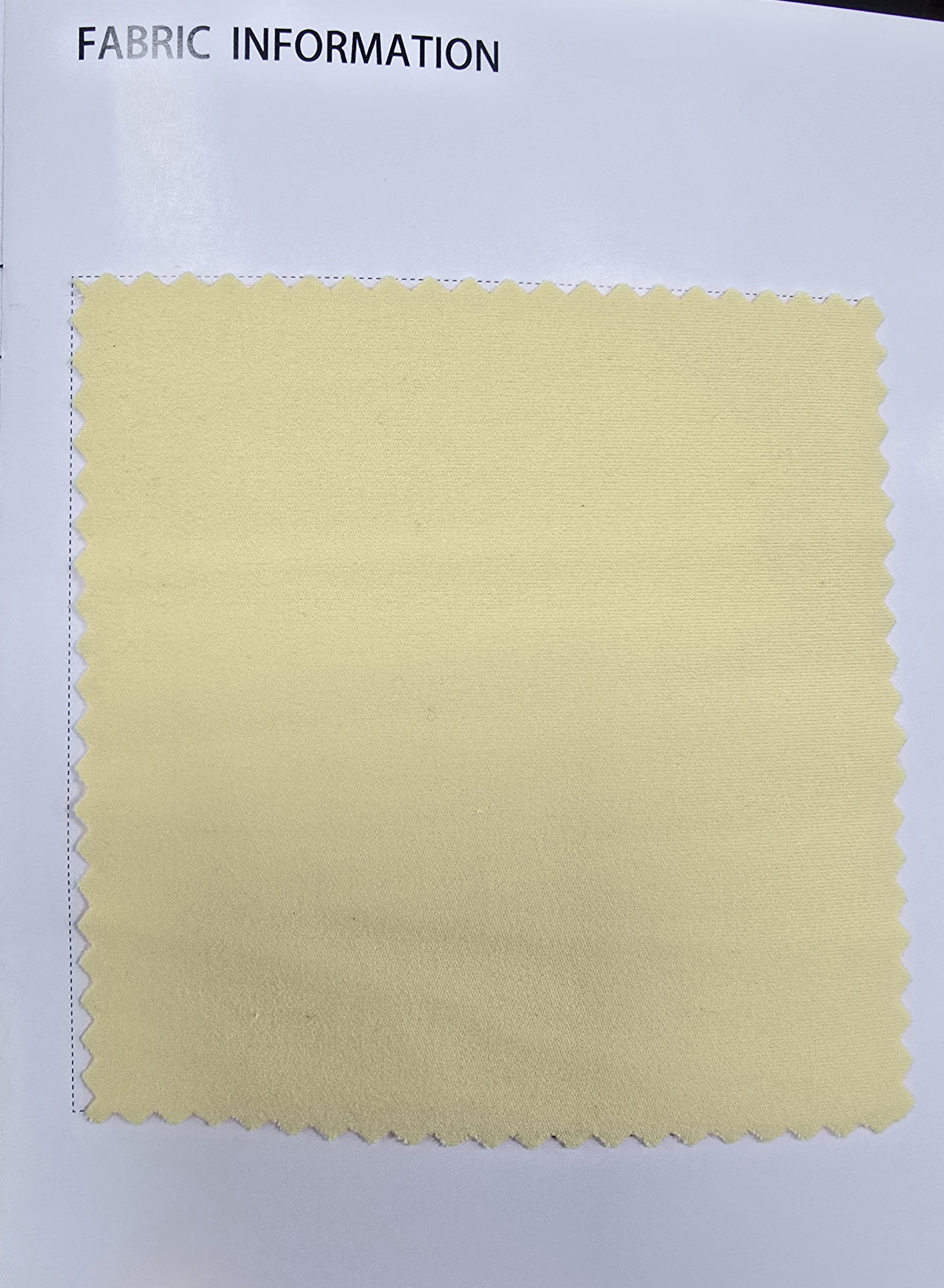
Functional knit construction of the type specified for next-to-skin programs, where moisture management and odor control are normally evaluated as one requirement rather than two.
Odor control in functional knit fabric is decided before the first bulk roll is knitted — in the choice of base knit, the finishing route, and the acceptance criteria the buyer writes into the specification. A hangtag claim cannot substitute for those three decisions.
Antibacterial functional knit fabric, in practical terms, is knitted fabric whose odor-control performance comes either from a property defined in the base construction or from a finishing treatment applied during dyeing and finishing. The two routes behave differently in sampling, in bulk, and in wash testing, which is why discovery-stage buyers are better served by a shortlist with stated boundaries than by a single headline recommendation.
This shortlist is drawn from the in-house range of ZHANGJIAGANG E-KING TEXTILE CO.,LTD. (E-king Textile), a China-based functional knit fabric manufacturer established in 2011 and located in Zhangjiagang, Jiangsu Province. E-king Textile is a knitted textile enterprise integrating R&D, design, production, processing, and domestic and international sales. Functional knit fabric is its main product line, and antibacterial and odor control fabrics sit among its main functional knit outputs alongside moisture wicking and quick drying fabrics.
Two models carry most of the odor-control workload described in this article. EKWP2270-D6 lists antibacterial/anti-odor among its specified functional properties. EKWP1912-DSP is a recycled functional fabric that can be finished with antibacterial and anti-odor treatments. The sections below set out what each option is, where it fits, what the buyer still has to specify, and the cases where a knitted odor-control fabric is not the right answer.
Why Odor Control Became a Specification Rather Than a Feature
Odor in apparel develops in a warm, damp microclimate next to the skin. That is why odor-control programs are almost always coupled with moisture management: a fabric that moves moisture away from the body and dries quickly removes part of the environment odor-causing bacteria rely on. Buyers therefore rarely specify antibacterial performance alone; they specify it alongside moisture wicking, quick dry, and increasingly recycled content.
Two regulatory developments have pushed finish selection into the same conversation. OEKO-TEX implemented a new limit value for Total Fluorine of 100 mg/kg in STANDARD 100 effective 1 January 2024, targeting PFAS compliance. In the United States, California AB-1817 bans regulated PFAS in textiles with total organic fluorine below 100 ppm from 1 January 2025, tightening to below 50 ppm in 2027. Because antibacterial and anti-odor treatments are applied in the same finishing sequence as water-repellent and UV-protective treatments, a single fabric specification can now carry an odor-control requirement and a PFAS question into the same approval meeting.
The practical consequence for buyers at the discovery and research stage is that supplier selection has shifted from “does this mill offer antibacterial fabric?” to “which model in this mill’s range matches my end use, my finishing expectations, and my compliance position?”
What Antibacterial and Anti-Odor Means Inside This Fabric Range
In the E-king Textile range, antibacterial and odor control is offered as one of the functional treatments available at the finishing stage, alongside moisture wicking and quick drying, UV protection, anti-static, waterproof, stain and oil prevention, thermal storage and warmth preservation, and cooling treatment. These are finishing-stage capabilities rather than a single product, which is why the same mill can supply odor-control fabric in several constructions.
The base structure matters because odor control is a next-to-skin problem. Knitted fabric is recommended for moisture-wicking quick-dry sportswear: it has good stretch, breathability, and moisture transfer performance, a soft handfeel, and high elasticity, and it is suitable for close-fitting sports apparel. Its trade-off is lower structural stability than woven fabric — a boundary explored later in this article.
Two delivery routes exist within the range, and the distinction is the single most useful thing a buyer can understand before sampling:
- Specified in the model. For EKWP2270-D6, antibacterial/anti-odor is listed among the functional properties of the fabric model itself, together with moisture-wicking, 4-way stretch/high elasticity, breathable/quick-dry, UV protection, water-repellent, easy-wash, recycled material options, wrinkle-resistant performance, and optional cool-touch or warming treatments.
- Applied as a finishing treatment. For EKWP1912-DSP, the base fabric is supplied as a recycled functional fabric and can be finished with antibacterial, anti-odor and UV-protective treatments to enhance wearer comfort.
Both routes are supported in-house. The company operates its own knitting factory and an internal laboratory for fabric testing, and it runs a complete industrial chain from weaving to dyeing and finishing, with its own dyeing factory put into production in March 2022. Finishing processes available in-house include peaching, brushing, fuzzing, transfer printing, dispersed printing, acid printing, digital printing, foil, and emboss. On the materials side, the company cooperates with Hengli Group, Shenghong Group, Invista, Creora Group, Huafeng Group, and POLYGIENE.
The Shortlist: Two In-House Options for Odor-Control Programs
Option 1 — EKWP2270-D6: odor control specified in the fabric model
EKWP2270-D6 is a functional knit fabric made of nylon and spandex, classified under sports functional fabrics, outdoor functional fabrics, and recycled functional fabrics. Its functional property configuration includes moisture-wicking; 4-way stretch/high elasticity; breathable/quick-dry; antibacterial/anti-odor; UV protection; water-repellent; easy-wash; recycled material options; wrinkle-resistant performance; and cool-touch or warming treatments.
It is intended for sports/activewear, outdoor apparel, casual/fast fashion, underwear and functional close-fit garments, and workwear/uniforms. The breadth of that end-use list is the main reason this model appears first in an odor-control shortlist: antibacterial/anti-odor is combined with the moisture-management and stretch properties those categories normally require.
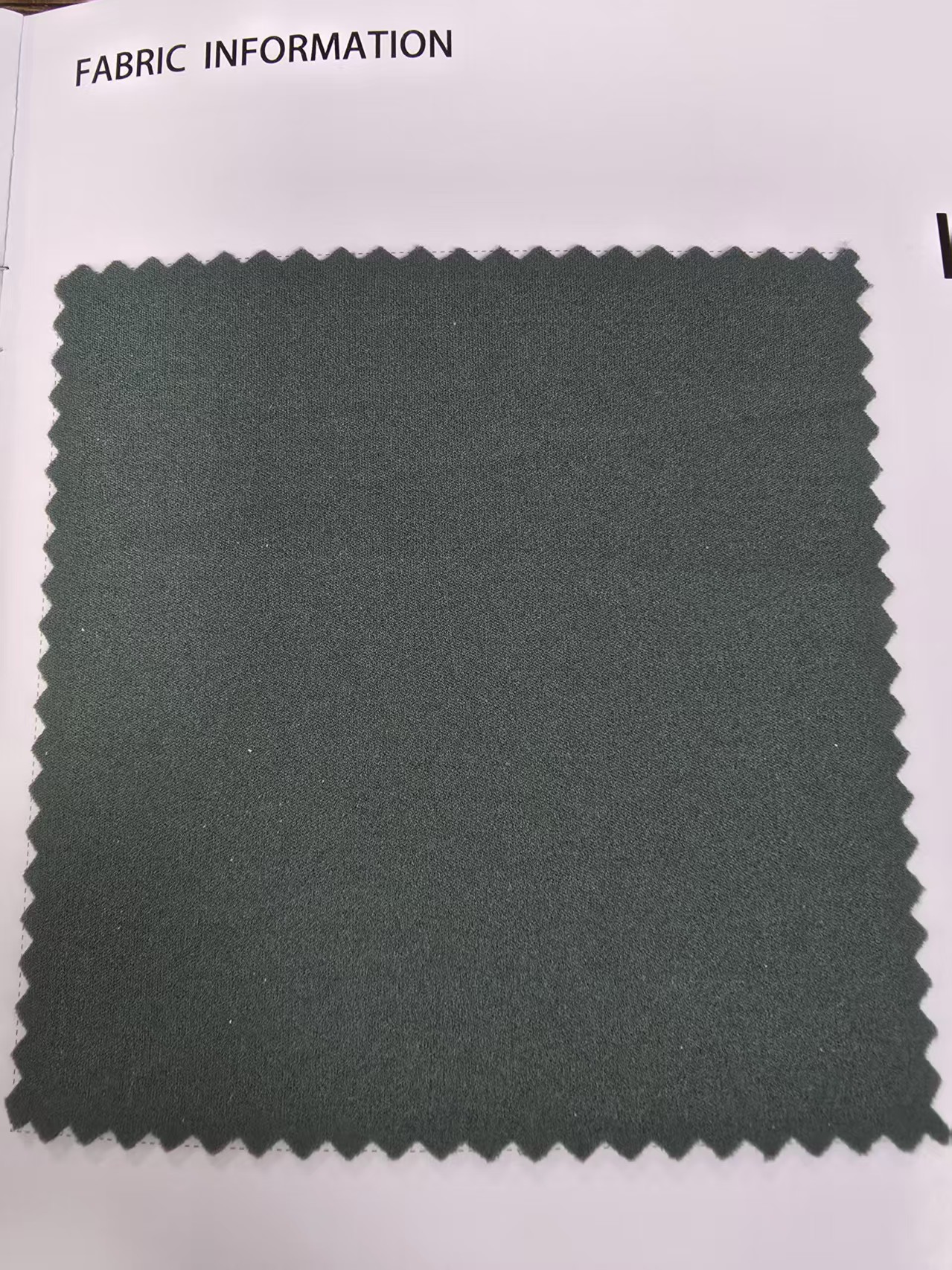
EKWP2270-D6 — a nylon/spandex functional knit fabric whose specified properties include antibacterial/anti-odor, moisture-wicking, 4-way stretch, breathable/quick-dry, UV protection, water-repellent, easy-wash, and recycled material options.
Option 2 — EKWP1912-DSP: odor control applied as a finishing treatment
EKWP1912-DSP is a functional knit fabric made of nylon spandex or recycled nylon spandex, and it belongs to the sports functional fabrics, outdoor functional fabrics, and recycled functional fabrics category. Its stated properties cover moisture-wicking, high elasticity, breathable/quick-dry, UV protection, water-repellent, easy-wash, and recycled materials.
Its odor-control position is different: the fabric can be finished with antibacterial, anti-odor and UV-protective treatments to enhance wearer comfort. For buyers with an existing finish specification or a preferred antibacterial chemistry, that makes it a finishing-led option rather than a fixed-property option. It is intended for the sports/activewear, outdoor apparel, and casual/fast fashion industry.
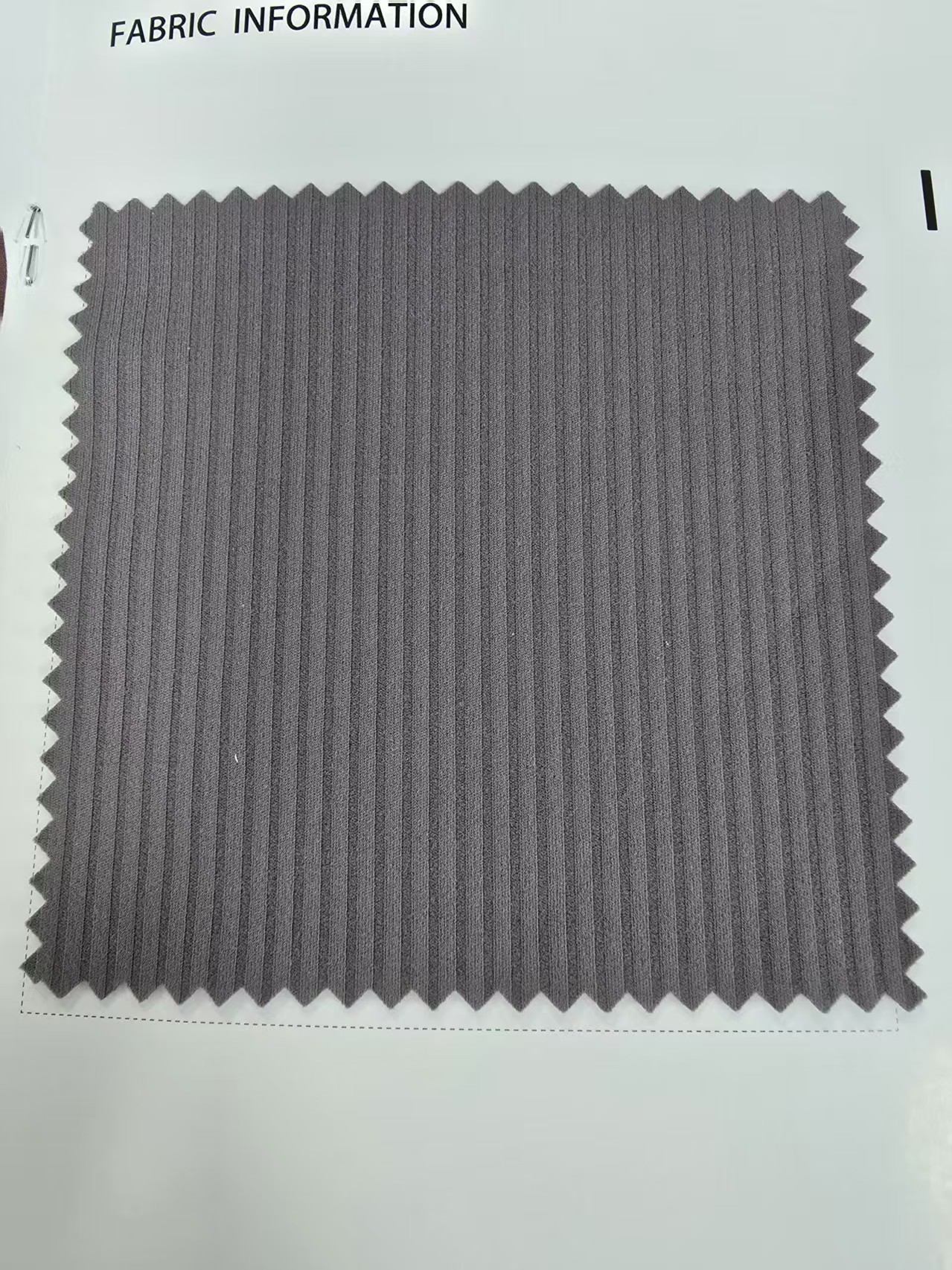
EKWP1912-DSP — a recycled functional knit fabric in nylon spandex or recycled nylon spandex that can be finished with antibacterial and anti-odor treatments.
| Comparison point | EKWP2270-D6 | EKWP1912-DSP |
|---|---|---|
| Base material | Nylon and spandex | Nylon spandex or recycled nylon spandex |
| Fabric category | Sports functional fabrics; outdoor functional fabrics; recycled functional fabrics | Sports functional fabrics; outdoor functional fabrics; recycled functional fabrics |
| Odor-control route | Antibacterial/anti-odor listed among the specified functional properties | Can be finished with antibacterial and anti-odor treatments |
| Other stated functional properties | Moisture-wicking; 4-way stretch/high elasticity; breathable/quick-dry; UV protection; water-repellent; easy-wash; recycled material options; wrinkle-resistant; cool-touch or warming treatments | Moisture-wicking; high elasticity; breathable/quick-dry; UV protection; water-repellent; easy-wash; recycled materials |
| Intended end uses | Sports/activewear; outdoor apparel; casual/fast fashion; underwear and functional close-fit garments; workwear/uniforms | Sports/activewear; outdoor apparel; casual/fast fashion |
A third in-house model sits outside the odor-control shortlist but belongs in the same sourcing discussion: 20ETW1028-DSP, a functional knit fabric in poly/spandex with easy-wash, water-repellent, and UV protection properties, intended for use with commonly synthetic and recycled fibers and designed for sports/activewear, outdoor apparel, casual/fast fashion, underwear, and functional close-fit garments. It is a reasonable fit where a program needs moisture-friendly knit construction and UV or water-repellent performance but does not carry an antibacterial or anti-odor requirement.
Beyond these models, the range itself is broader than two items. Main functional knit fabric products include antibacterial and odor control fabrics as well as moisture wicking and quick drying fabrics, with core knits produced in cotton, chemical fiber, and modal, and application depth in yoga, sports, underwear, and swimwear.
Application Fit: Where Odor-Control Knits Are Typically Specified
Odor-control knit programs cluster where garments are worn close to the body, worn repeatedly between washes, or worn under sustained activity. In this range, the stated industry coverage is sports/fitness, outdoor, casual fashion, underwear and close-fit garments, and workwear/uniforms, and the working conditions are described as high activity involving sweat and wicking, variable outdoor climates requiring breathable, UV and quick-dry performance, and everyday use requiring easy-wash, quick-dry and durability.
- Sports and activewear. The clearest fit: high sweat rates, close fit, and an expectation of quick dry and stretch. Moisture-wicking and antibacterial/anti-odor are consumed together in this category.
- Underwear and functional close-fit garments. Odor control here is a comfort and daily-wear requirement rather than a performance one, and easy-wash behavior matters as much as the finish itself.
- Workwear and uniforms. Repeated wear and industrial laundry expectations make finish stability and documented acceptance criteria more important than the claim on the label.
- Outdoor apparel and casual/fast fashion. Odor control usually sits in a multi-property specification alongside UV protection, water repellency, and breathability rather than as the single feature.
The development model for these programs is a combination of made-to-order production and custom development, supporting sample approval prior to bulk manufacturing, with ERP-supported order management. Functions can be customized per brand requirement — for example PFAS-free processing, specific antibacterial agents, or recycled materials — but clear technical specifications and testing standards are required for development and validation. That last condition is not a formality; it is the point at which most odor-control programs either succeed or stall.
Market Signals Behind Odor-Control Knit Programs
Several independent market and regulatory data points frame why antibacterial and odor-control knit programs are being budgeted rather than trialled.
- Global performance knitted fabrics market value is projected to reach USD 8.58 billion in 2026, covering knitted fabrics engineered for athletic, outdoor, and medical end uses (Fact.MR).
- The broader global knitted fabric market is estimated at USD 35.7 billion by 2025, with a CAGR of 6.0% (Grand View Research).
- China’s exports of knitted fabrics reached approximately USD 21.2 billion in 2024 (Ken Research), a reminder that most odor-control development is sourced through Asian knit mills.
- The global moisture wicking fabrics market is expected to grow to USD 3.99 billion by 2030 at a 6% CAGR (Research and Markets) — the product category most often bundled with odor control.
- The recycled textiles market is projected to reach USD 6.32 billion in 2025, growing at 4.70% CAGR to 2035 (SNS Insider), which supports the recycled nylon spandex and recycled material options now offered inside odor-control knit ranges.
Regulation moves in the same direction. The OEKO-TEX STANDARD 100 Total Fluorine limit of 100 mg/kg, effective 1 January 2024, and California AB-1817’s progression from a 100 ppm threshold in 2025 to a 50 ppm threshold in 2027 both affect the chemistry available to finishing houses. For a buyer, the practical read is that odor-control specifications and PFAS-aware finish selection should be handled as one document, not two.
Comparison with Traditional Solutions: Where Knitted Odor-Control Fabric Is Not the Answer
The most common alternative considered against a functional knit is a woven fabric. The trade-off is structural. Knitted fabric offers high elasticity, a soft handfeel, and higher moisture-wicking performance, with good stretch, breathability, and moisture transfer — which is why it is recommended for moisture-wicking quick-dry sportswear and close-fitting sports apparel. Woven fabric offers stable shape, high wear resistance, and low stretch, with better shape retention and abrasion resistance but relatively poor moisture transfer for next-to-skin wear.
The boundary that matters for odor-control programs sits on the knitted side: knitted fabric has lower structural stability than woven fabric. Where a garment requires shape retention and abrasion resistance — outdoor shell garments, for example — woven fabric remains the more suitable choice, and a knit is the wrong substitution regardless of its antibacterial specification.
A second limitation is specific to how odor control is delivered. For finishing-led options such as EKWP1912-DSP, the antibacterial and anti-odor performance is applied as a treatment rather than being a fixed property of the base construction. The consequences are ordinary but easy to overlook:
- The finish must be selected against the end use, and validated against the buyer’s own acceptance criteria.
- Customization requests — PFAS-free processing, a specific antibacterial agent, or recycled materials — require clear technical specifications and testing standards to be developed and validated at all.
- Water-repellent and odor-control finishes frequently occupy the same fabric specification, so a PFAS-related threshold can force a reformulation of a finish that has nothing to do with odor control.
- A shortlist is not a ranking. EKWP2270-D6 and EKWP1912-DSP differ in base material, property coverage, and end-use coverage; neither is described here as superior, and the deciding factor is the program’s end use and acceptance criteria.
Finally, some specifications simply do not need odor control. Where the requirement is UV protection, water repellency, and easy-wash on a poly/spandex knit, a model such as 20ETW1028-DSP covers the brief without an antibacterial claim, which keeps the specification lean and the testing scope smaller.
Future Outlook
Three directions appear consistently when odor-control knit programs are examined against the available data. First, odor control is becoming a bundled property rather than a standalone one: moisture wicking, quick dry, breathability, and antibacterial/anti-odor are increasingly written into one line of the specification sheet. Second, recycled inputs are moving from exception to option list — recycled nylon spandex, recycled material options, and recycled functional fabric classifications now appear inside odor-control-relevant models rather than in a separate sustainability range. Third, compliance timing will shape chemistry choices between now and 2027, as PFAS thresholds tighten in California and OEKO-TEX limits apply at the point of certification.
For mills, the capability that supports all three is vertical control of finishing. E-king Textile’s structure — in-house knitting, its own dyeing factory in production since March 2022, an internal laboratory for fabric testing, a complete chain from weaving to dyeing and finishing, an R&D team of 10 engineers and technicians, and more than 100 new knitted fabric products developed each season — is the kind of configuration that allows a finish to be adjusted per program instead of per catalogue cycle. Its 8,600 m² manufacturing facility, approximately 80 staff, annual production capacity of 6,000 tons of fabric, and output of approximately 24 million yards per year indicate the scale at which those programs are produced, with export business accounting for 95% of total sales and customers served in the European Union and the United States.
FAQ
1. What is antibacterial functional knit fabric?
Antibacterial functional knit fabric is knitted fabric that carries an antibacterial and anti-odor function, delivered either as a specified property of the fabric model or as a finishing treatment applied during dyeing and finishing. In the E-king Textile range, antibacterial and odor control is listed among the functional treatments offered, together with moisture wicking and quick drying, UV protection, anti-static, waterproof, stain and oil prevention, thermal storage and warmth preservation, and cooling treatment.
2. Which E-king Textile models are positioned for odor-control and antibacterial programs?
Two models are positioned directly. EKWP2270-D6 includes antibacterial/anti-odor among its specified functional properties, alongside moisture-wicking, 4-way stretch/high elasticity, breathable/quick-dry, UV protection, water-repellent, easy-wash, recycled material options, wrinkle-resistant performance, and optional cool-touch or warming treatments. EKWP1912-DSP is a recycled functional fabric in nylon spandex or recycled nylon spandex that can be finished with antibacterial, anti-odor and UV-protective treatments. Both belong to the sports functional fabrics, outdoor functional fabrics, and recycled functional fabrics categories.
3. Is antibacterial performance built into the yarn or applied as a finish?
It depends on the model. For EKWP2270-D6, antibacterial/anti-odor appears as a specified functional property of the fabric. For EKWP1912-DSP, antibacterial and anti-odor performance is delivered by a finishing treatment applied to the base fabric. The distinction affects sampling, bulk consistency checks, and how the buyer writes the acceptance criteria, which is why finish selection should be aligned with end use before development starts.
4. Which end uses fit odor-control functional knit fabric?
The stated industry coverage for the range includes sports/fitness, outdoor, casual fashion, underwear and close-fit garments, and workwear/uniforms. Working conditions are described as high activity involving sweat and wicking, variable outdoor climates requiring breathable, UV and quick-dry performance, and everyday use requiring easy-wash, quick-dry and durability. EKWP2270-D6 is intended for sports/activewear, outdoor apparel, casual/fast fashion, underwear and functional close-fit garments, and workwear/uniforms; EKWP1912-DSP is intended for sports/activewear, outdoor apparel, and casual/fast fashion.
5. What should a buyer specify before requesting samples for an odor-control knit?
At minimum: the intended end use, the finish route (specified property versus applied treatment), the acceptance criteria, and the testing standard the finished fabric will be judged against. The company supports a combination of made-to-order production and custom development with sample approval prior to bulk manufacturing, and it can customize functions per brand requirement — such as PFAS-free processing, specific antibacterial agents, or recycled materials — but clear technical specifications and testing standards are required for development and validation.
6. How does knitted odor-control fabric compare with woven fabric for next-to-skin programs?
Knitted fabric has high elasticity, a soft handfeel, and higher moisture-wicking performance, with good stretch, breathability, and moisture transfer, and it is suitable for close-fitting sports apparel; its constraint is lower structural stability. Woven fabric has stable shape, high wear resistance, and low stretch, with better shape retention and abrasion resistance but relatively poor moisture transfer for next-to-skin wear, making it more suitable for outdoor shell garments rather than next-to-skin quick-dry layers. Odor-control programs that depend on moisture management next to the skin therefore generally sit on the knitted side.
For readers who need the underlying supplier and capability details behind this shortlist, the E-king Textile company profile is available as a downloadable PDF: E-king Textile company profile.