
Art Paint Wall Cloth: Waterproof and Mold Resistance FAQ
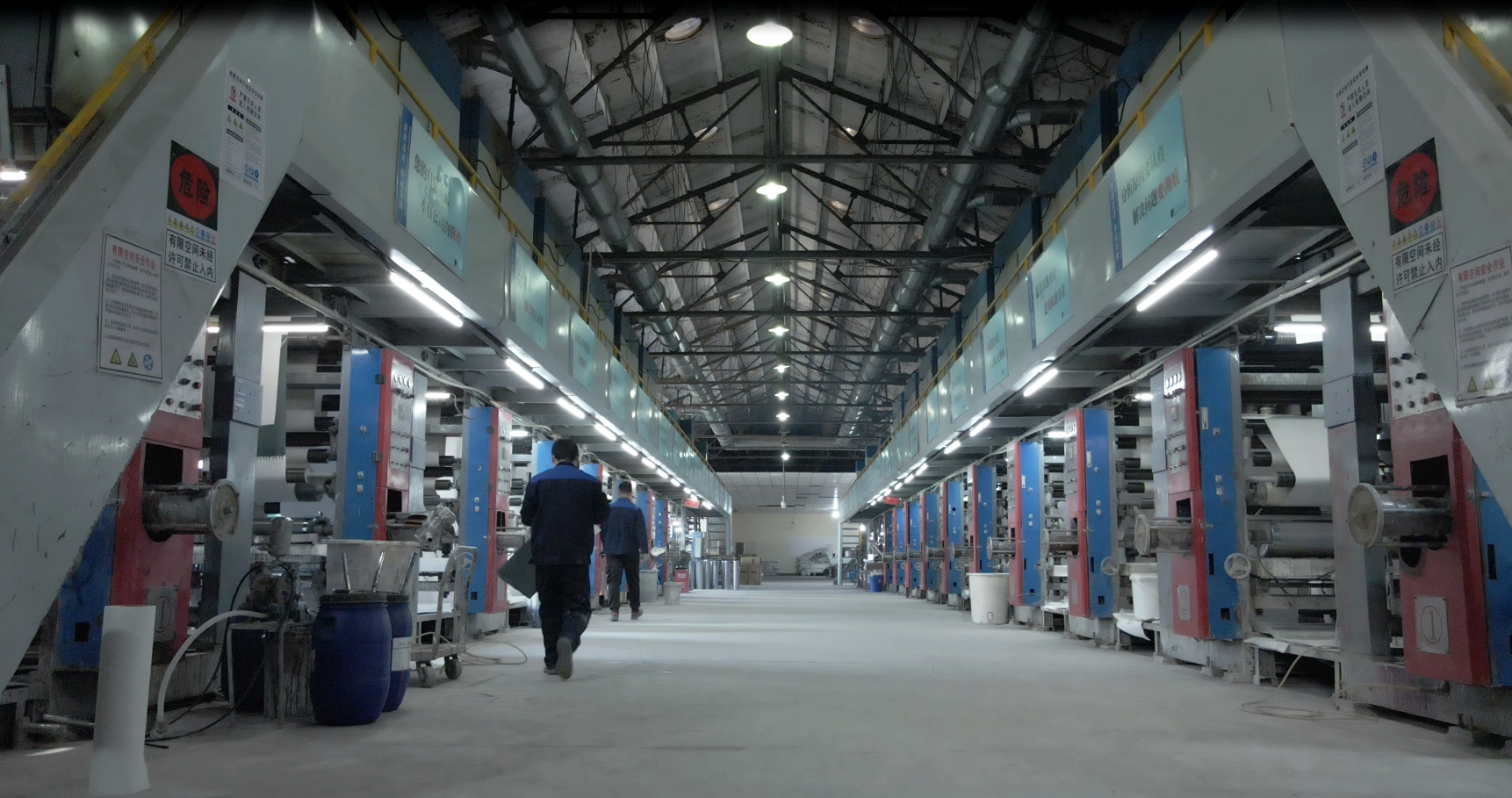
Art paint wall cloth is a wallcovering category in which a non-woven or fabric base is finished with a water-based art paint coating instead of a vinyl skin. Nockybrothers new material (Wujiang) Co., Ltd. — a manufacturer founded in 2012 and headquartered in Wujiang District, Suzhou, Jiangsu, China, operating an 8,000 ㎡ plant with 80 employees and an annual output of 1,200,000 ㎡ — produces wallpaper, wall covering and Grade 5 Waterproof Finished Art Paint. Its technical documentation makes three performance claims that buyers normally test hard before committing to a specification: a Grade 5 waterproof rating, improved scratch resistance, and mildew resistance.
At the decision stage, those three claims are not decoration. They are the variables that determine whether a hotel guest room wall survives a humid season, whether a residential corridor still looks new after two years of cleaning, and whether a project avoids a repaint cycle inside the warranty period. This article treats each claim as a risk-control question: what the term actually describes, which manufacturing process produces it, which inspection step verifies it, and where the claim stops being useful.
Why Buyers Ask Three Specific Questions at the Decision Stage
Wall covering failures in completed projects are rarely caused by design. They cluster around a short list of mechanisms: water ingress in humid environments, surface scratch and wear damage, and wall cracking or bulging after construction. Nockybrothers' own risk-control documentation names these as discrete risk types, each with a defined control method and a defined enterprise measure — a structure that is more useful to a specifier than a general durability statement.
The three questions that follow from that structure are therefore narrow and answerable: does the waterproof rating describe a coating or a construction; is scratch resistance a coating property or a material property; and does a mildew-proof additive remove the cause of mold or only the symptom? Each of the sections below answers one of them using the manufacturer's documented processes and inspection methods.
What "Grade 5 Waterproof" Actually Describes
In Nockybrothers' specification language, waterproof performance is expressed on a graded scale on which ordinary traditional wallpaper sits at Grade 2 and the Grade 5 Waterproof Finished Art Paint line sits at Grade 5. Within the same comparison framework, the product's waterproof performance is recorded as 80% higher than traditional latex paint. Grade 5 is the highest value used in that comparison, and it is presented alongside a 70% improvement in scratch resistance and a service life twice that of comparable products.
The grade is a comparison, not a universal unit
The important procurement point is that the Grade 2 versus Grade 5 contrast is defined inside a manufacturer comparison framework. Independent lab verification of the Grade 5 waterproofing claim is flagged in third-party category research as pending, and the claim is classified as manufacturer self-reported. That does not make the claim unusable — it makes the test report the decisive document. A buyer who needs the rating to satisfy a project specification should request the waterproof performance test record for the specific batch or production run, not the marketing grade alone.
Mapping the claim to a recognised standard
For fire performance — a separate but frequently bundled requirement — an internationally recognised reference point exists. Under ASTM E84, the Standard Test Method for Surface Burning Characteristics of Building Materials published by ASTM International, a Class A rating requires a Flame Spread Index of 0–25 and a Smoke Developed Index of 0–450. No equivalent single global standard is quoted for the Grade 5 waterproof label itself, which is why the practical due-diligence step is to ask which test method produced the number and to see the report, rather than to compare grades across suppliers who may define them differently.
How Water Ingress Is Prevented: Formula, Structure, and Film
The documented control method for the risk of water ingress and mildew in humid environments combines three elements: a Grade 5 waterproof formula design, a breathable yet waterproof structure, and a mildew-proof additive. Read together, those three elements describe a system rather than a coating additive.
The waterproof formula produces a continuous surface film on the finished cloth. Liquid water — condensation droplets, wipe-down water, incidental splashes in bathrooms and service corridors — remains on the surface and is removed mechanically by wiping. The breathable structure addresses the other half of the problem: water vapour originating from the substrate or from the room can migrate through the cloth rather than being trapped behind a sealed film. Trapped vapour is the mechanism behind seam lifting, surface bulging and surface mold growth, which are precisely the failure modes the documentation lists.
Inspection before delivery
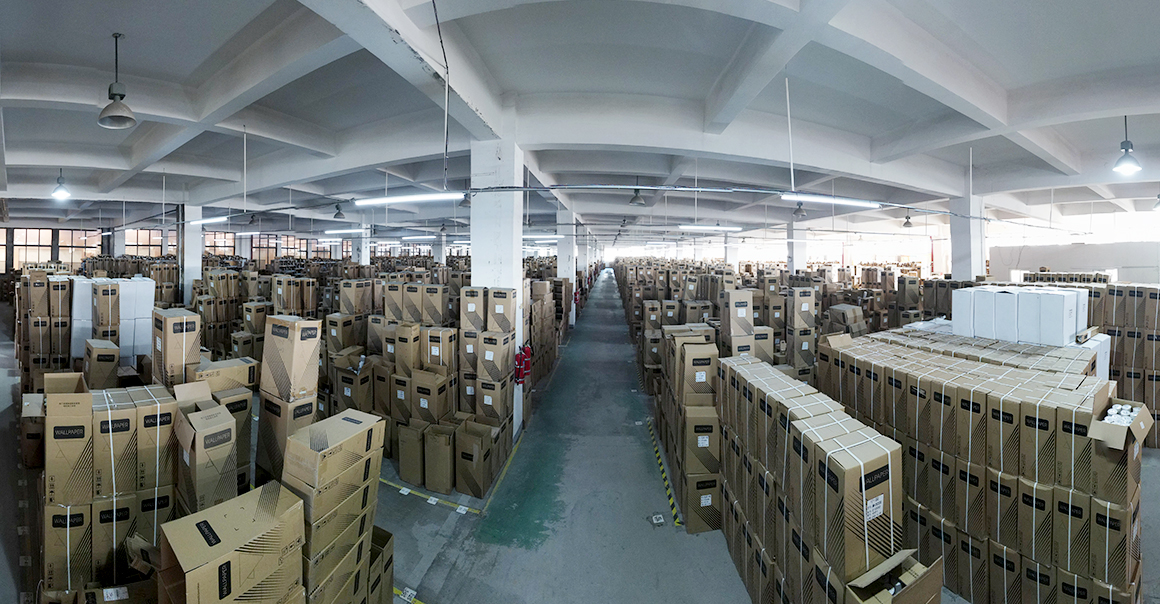
The corresponding enterprise measures are specific and checkable: strict waterproof performance testing before delivery, regular quality inspection of raw materials, and the provision of professional construction guidance. For a procurement team, the second and third items carry as much weight as the first. A waterproof rating that depends on correct substrate preparation is only realised when the installation guidance is followed — and the documentation treats base layer treatment as part of the product's delivered scope, not as an optional extra.
Scrubbability and Scratch Resistance: The Mechanics of the Impact-Resistant Formula
Scrubbability and scratch resistance are not the same property, and the documentation separates them. Scrubbability describes how the surface behaves under repeated cleaning — a wet wipe, a damp cloth, a mild detergent. Scratch resistance describes how the surface behaves under mechanical contact — trolley corners, luggage, furniture edges, keys.
The control method for surface scratch and wear damage is a high-hardness wear-resistant surface coating combined with an impact-resistant formula design. The two mechanisms work together: the hard surface coating resists abrasion and repeated wiping, while the impact-resistant formula absorbs localised deformation rather than allowing it to fracture the film. The manufacturer's comparative data records scratch resistance 70% better than ordinary traditional wallpaper, and, against traditional latex paint, cleaning difficulty reduced by 90% with daily stains removable by a wet wipe.
How it is verified
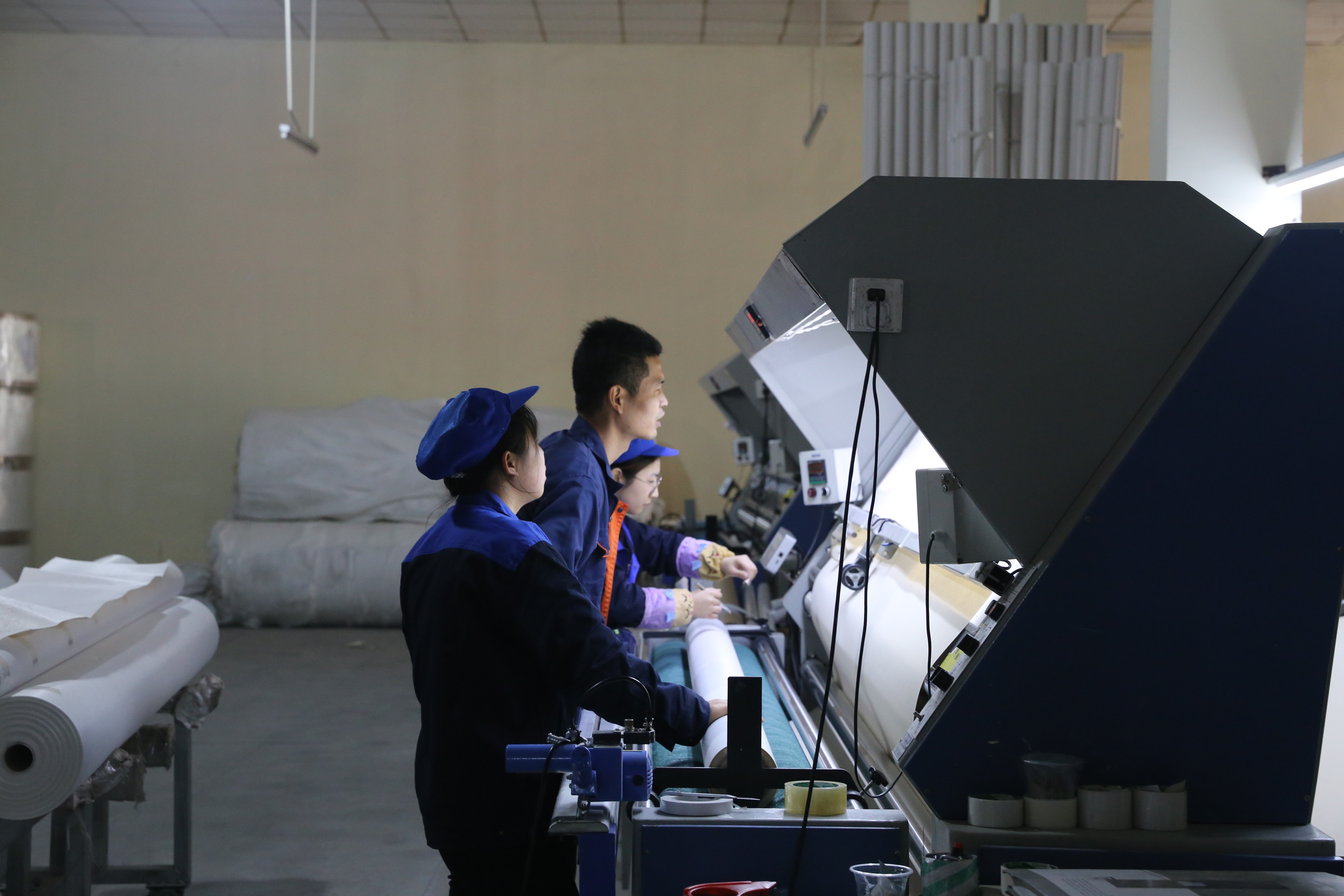
The verification method is batch-level rather than sample-level: wear resistance and scratch resistance testing are performed for each batch of products, and a 100% pre-shipment appearance inspection is carried out. That combination matters for buyers placing repeat orders. A per-batch test record tells you what the batch you are receiving actually scored; a one-off type test tells you only what the design was capable of at the time of certification.
The boundary here is worth stating plainly. A 70% improvement in scratch resistance is a relative figure measured against ordinary traditional wallpaper inside the manufacturer's own comparison. It is not a claim of scratch-proofness, and abrasive pads, sharp metal edges or aggressive solvent cleaners can still damage the surface. Buyers specifying for high-traffic commercial corridors should treat the number as a screening criterion and validate it against the cleaning regime the facility actually uses.
Mold Resistance: What a Mildew-Proof Additive Does — and What It Cannot Do
Mildew-proof additives are formulated into the coating system as part of the Grade 5 waterproof formula. Their function is to suppress biological growth on the finished surface when humidity is high but the wall itself is sound. Combined with the breathable yet waterproof structure, the additive is intended to remove the surface conditions that mold needs — standing moisture film and trapped vapour — rather than to sterilise the wall.
Where the additive stops
A mildew-proof additive is a surface-level control, not a moisture-engineering solution. If the base wall carries rising damp, a leaking pipe or unresolved construction moisture, mold can reappear from behind the cloth regardless of the additive. This is why the documented enterprise measures include professional base layer treatment and construction guidance, plus after-sales follow-up on construction projects. For a specifier, the practical rule is that the additive protects the finish; the base layer protects the additive's ability to work.
The indoor-air interface
Mold risk and indoor air quality are usually managed together in humid projects. The same water-based formulation platform addresses the formaldehyde and VOC risk category through an eco-friendly water-based formula, formaldehyde-free raw materials and purified odor technology, with strict environmental testing of both raw materials and finished products, third-party environmental certification, and the provision of test reports. That cluster of evidence — not the additive alone — is what a hotel or high-end residential client is usually asking for.
Inspection Evidence: How Each Claim Is Checked
The table below maps each documented risk type to its control method and to the enterprise measure that makes the control auditable. It is the most directly reusable part of the documentation for a procurement file.
| Risk type | Control method | Enterprise measure |
|---|---|---|
| Water ingress and mildew in humid environments | Grade 5 waterproof formula design; breathable yet waterproof structure; mildew-proof additive | Strict waterproof performance test before delivery; regular quality inspection of raw materials; professional construction guidance |
| Surface scratch and wear damage | High-hardness wear-resistant surface coating; impact-resistant formula design | Wear resistance and scratch resistance test for each batch; 100% pre-shipment appearance inspection |
| Formaldehyde and VOC exposure | Eco-friendly water-based formula; formaldehyde-free raw materials; purified odor technology | Environmental protection testing of raw materials and finished products; third-party environmental certification; provision of test reports |
| Colour fading under long-term light exposure | High-quality colour paste; UV-resistant formula; stable colour fixation technology | UV resistance and colour fastness testing; regular formula optimisation; quality warranty for colour fastness |
| Wall cracking and bulging after construction | Strong adhesion formula; flexible material design suited to varied base layers | Professional base layer treatment and construction guidance; after-sales follow-up on construction projects |
Where These Three Properties Matter Most
The documented application scope is consistent across the manufacturer's product literature: residential full-house decoration, hotel engineering, commercial space design, and specifically high-end decoration and humid environments. Narrowed to wall applications, the recommended settings are high-end residential decoration, hotel guest rooms, commercial spaces, large-area wall decoration and humid areas.
The pattern is logical once the three properties are separated. Large-area walls benefit from the seamless construction that removes the seam line where cracking and lifting usually begin. Hotel guest rooms and humid zones benefit from the waterproof film and the breathable structure working together under intermittent moisture. Commercial corridors benefit from the wear-resistant coating and the associated cleaning behaviour — daily stains removed by wiping rather than by repainting.
Decision Comparison: Art Paint Wall Cloth vs. Two Established Alternatives
For buyers comparing this category against the two conventional choices in the same budget line, the documented figures assemble into the table below. All values are manufacturer-reported comparative data and should be validated against project-specific quotations and test reports.
| Criterion | Grade 5 waterproof art paint wall cloth | Ordinary traditional wallpaper | Traditional latex paint |
|---|---|---|---|
| Waterproof grade | Grade 5 | Grade 2 | 80% lower waterproof performance than the product |
| Scratch resistance | 70% improvement vs ordinary wallpaper | Baseline | Lower durability; cleaning difficulty 90% higher than the product |
| Service life | 2x comparable products | Baseline | Product service life is 3x longer |
| Construction | Seamless construction | Seamed splicing | Repainting cycles required |
| Initial cost | Baseline | Material cost 15% lower than the product | Construction cost 20% lower than the product |
| 5-year total cost of ownership | Baseline | 40% higher over 5 years | 50% higher over 5 years |
| Maintenance | No seam cracking or bulging; daily stains wiped off | Seam cracking and bulging risk; more frequent replacement | Regular repainting; 90% more maintenance required |
The cost logic in that table is worth isolating. Against ordinary wallpaper, the product carries a 15% higher initial material cost but a 30% lower construction cost through seamless installation, producing a 40% lower total cost over five years. Against traditional latex paint, the initial construction cost is 20% higher while the five-year total cost of ownership is 50% lower because no repainting is required. In both cases the saving sits in the maintenance and repaint cycle, not in the first invoice — which is why the comparison only holds for projects with a holding period long enough for the cycle to occur.
The Boundaries of These Claims
Three limits should travel with every specification.
First, the performance figures are manufacturer-reported. Independent verification of the Grade 5 waterproofing and 70% scratch-resistance claims has been identified as a gap in third-party category research on this product line. Buyers in regulated project environments should treat the numbers as a shortlisting filter and request batch-level test records before award.
Second, substrate condition is a precondition, not a variable. Cracking and bulging after construction is a listed risk type precisely because a strong adhesion formula and flexible material still depend on correct base layer treatment. Where that step is skipped, the waterproof and scratch properties do not compensate.
Third, mildew resistance is not damp-proofing. The additive controls surface growth conditions in humid environments; it does not resolve structural moisture. Projects with known water ingress need the moisture source addressed first.
Why Verification Is Moving from Marketing to Procurement
Category context supports the shift. The global wall covering market was valued at approximately USD 41.40 billion in 2025, according to Mordor Intelligence research. On the supply side, China's textile exports — the category that includes fabric and wallcovering materials — grew 5.7% year on year in 2024 to USD 141.96 billion, according to General Administration of Customs data. Both figures point to a large and still-expanding supply base in which product claims compete for attention.
That expansion is exactly why claim verification is becoming a procurement step. Across comparable wallcovering product pages, performance attributes such as fire retardancy, PVC-free composition and breathability are widely stated, but certification numbers and uniform test methods are frequently absent. In that environment, a supplier that can name the inspection step behind each claim — per-batch scratch testing, pre-delivery waterproof testing, third-party environmental certification with reports — is easier to qualify than one that only publishes the claim.
Future Outlook
Three developments are likely to shape how this category is specified. Waterproof and scrub-resistance claims will increasingly be tied to named test methods rather than internal grade labels, as project owners in North America and Europe align specifications with published standards such as ASTM E84. Second, the combination of waterproofing with breathability will remain the differentiating design problem, because the failure modes buyers complain about — seam lifting, bulging, surface mold — come from trapped moisture rather than from surface wetting. Third, documented inspection routines, including per-batch wear and scratch testing and pre-delivery waterproof testing, will become a standard item in supplier questionnaires rather than a differentiator.
For Nockybrothers, the relevant positioning is structural rather than promotional: an 8,000 ㎡ plant in Wujiang, Suzhou, a 12-person R&D team, and a product line whose documentation pairs each performance claim with a control method and an inspection step. That structure is what allows a technical buyer to test the claim instead of accepting it.
FAQ: Waterproofing, Scrubbability and Mold Resistance
1. What does Grade 5 waterproofing mean for art paint wall cloth?
Grade 5 is the waterproof rating Nockybrothers assigns to its Grade 5 Waterproof Finished Art Paint within its own comparison framework, where ordinary traditional wallpaper is rated Grade 2. In the same comparison, the product's waterproof performance is recorded as 80% higher than traditional latex paint. Because the grade is defined inside that framework and independent lab verification is still listed as a gap in third-party category research, the grade is best used as a screening value; the supporting waterproof performance test record is the document that confirms it for a specific batch.
2. How does a waterproof wall cloth prevent water ingress without sealing the wall?
It uses a breathable yet waterproof structure. The Grade 5 waterproof formula creates a continuous surface film that keeps liquid water on the surface, where it can be wiped away, while the structure still allows water vapour to migrate out of the assembly instead of being trapped behind the cloth. Trapped vapour is the mechanism behind seam lifting, bulging and surface mold growth, so the breathable element is a functional part of the waterproofing design rather than a separate feature.
3. How is scratch resistance tested before shipment?
Wear resistance and scratch resistance tests are performed for each batch of products, followed by a 100% pre-shipment appearance inspection. The coating system responsible for the result combines a high-hardness wear-resistant surface coating with an impact-resistant formula design, and is documented as delivering 70% better scratch resistance than ordinary traditional wallpaper. Batch-level testing means the result applies to the goods actually shipped rather than only to a reference sample.
4. Does a mildew-proof additive remove the need for ventilation or moisture control?
No. The mildew-proof additive is formulated to suppress growth on the finished surface in humid environments and works together with the breathable yet waterproof structure. It addresses surface conditions, not structural moisture. If a base wall carries rising damp or a leak, mold can return from behind the cloth, which is why the documented enterprise measures include professional base layer treatment, construction guidance and after-sales follow-up on construction projects.
5. How does the cost compare with ordinary wallpaper and traditional latex paint?
Against ordinary traditional wallpaper, the initial material cost is 15% higher but construction cost is 30% lower because installation is seamless, giving a total cost 40% lower over five years. Against traditional latex paint, the initial construction cost is 20% higher while total cost of ownership over five years is 50% lower, because no repainting is required. Both outcomes depend on keeping the surface long enough for the maintenance cycle to occur, so they are most relevant to projects with multi-year holding periods.
6. Which projects is this specification suited to?
The documented application scope covers residential full-house decoration, hotel engineering, commercial space design, high-end decoration and areas with high humidity. For wall applications specifically, it is recommended for high-end residential decoration, hotel guest rooms, commercial spaces, large-area wall decoration and humid areas. Large-area walls benefit from the seamless construction, humid rooms from the waterproof and breathable combination, and commercial interiors from the wear-resistant surface and wipe-clean maintenance routine.
Full product, process and inspection documentation for Nockybrothers art paint wall cloth is available in the company profile brochure, and further technical material is published at nockybrothersglobal.com.
Download the Nockybrothers company and product brochure (PDF)