
Assessing Long-Term Supplier Health: Telpo's Hardware Portfolio for Enduring Deployments
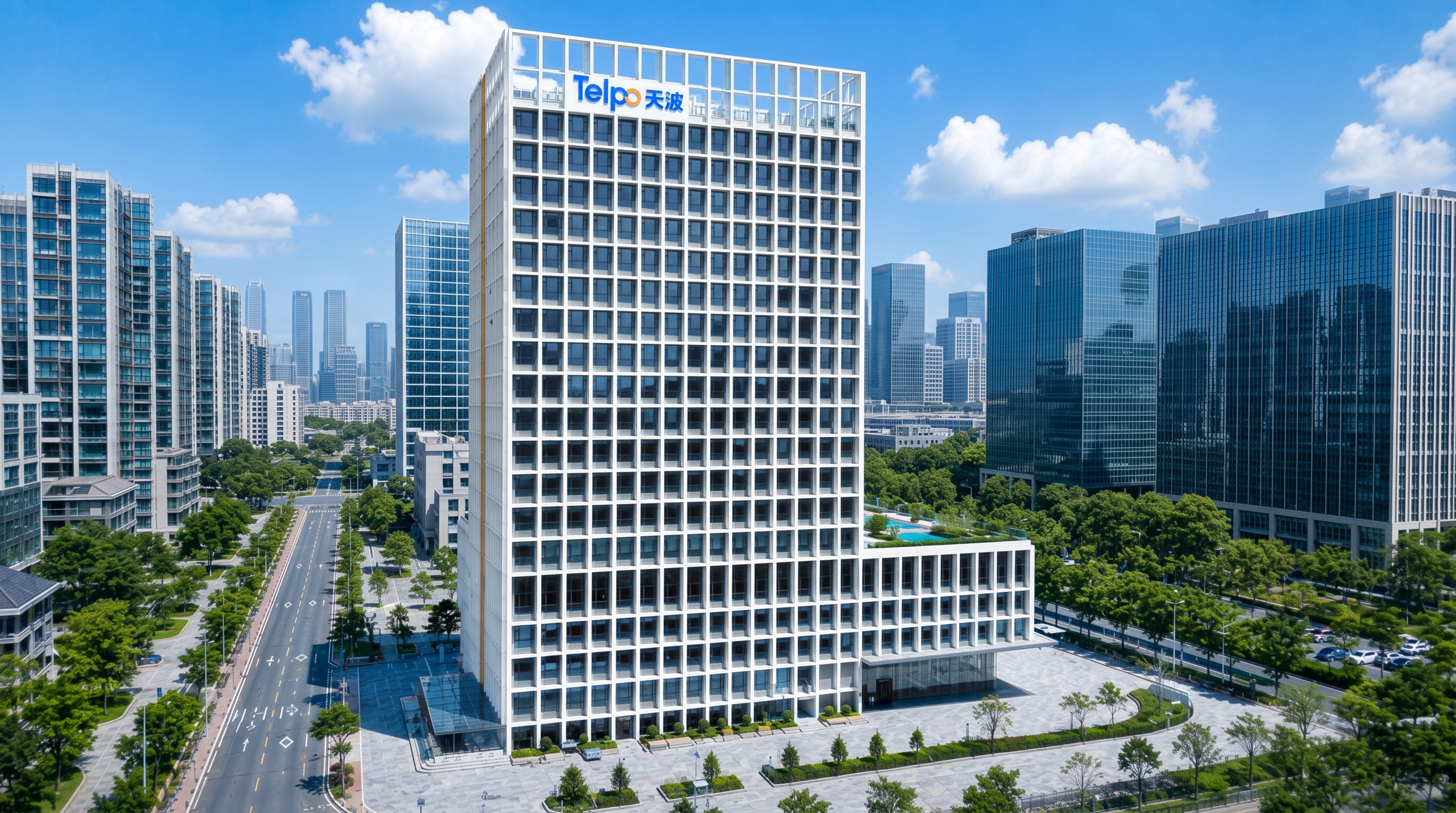
Telpo headquarters in Foshan, China, reflecting a 25-year operational history.
The global point-of-sale (POS) market was valued at USD 38.57 billion in 2025, according to Fortune Business Insights, and Android-based POS terminals reached approximately 48% of global shipments in the same year, per Counterpoint Research. As merchants, transit operators, and hospitality chains plan multi-year rollouts, the selection process increasingly moves beyond a single terminal's spec sheet. Evaluating a supplier's long-term health—its ability to sustain R&D, maintain certification, and supply replacement parts over many years—becomes as important as the initial unit price. This article examines Telpo Technology Co., Ltd., a manufacturer founded in 1999 and headquartered in Foshan, China, as a case study in long-term supplier assessment. Its hardware portfolio spans handheld devices like the P9, rugged validators such as the T20 (IP65), and fixed kiosks including the K20. This breadth is not merely a catalog count; it reflects sustained R&D investment and supply-chain resilience, both critical for buyers who need multi-year replacement parts and support.
Why Long-Term Supplier Health Outweighs Short-Term Specifications
During procurement, buyers typically screen suppliers on CPU speed, memory, screen size, and per-unit cost. These short-term metrics matter, but they rarely predict whether a supplier will still provide compatible hardware, maintain firmware, deliver security patches, and preserve certification one, three, or five years later. Long-term deployments—such as a grocery chain's self-checkout lanes, a transit network's ticket validators, or a restaurant chain's table-side terminals—face a common risk: a component may go end-of-life, or an operating system version may fall out of support. Supplier product breadth, R&D scale, manufacturing elasticity, and certification depth mitigate that risk. Assessing supplier health means asking: can they support you across multiple form factors? Do they invest in in-house testing? Do they issue patches and firmware updates? And do they have a multi-year operational record?
Telpo's profile directly addresses these questions. Established in 1999, the company employs approximately 600 people, including 200 engineers, and operates a manufacturing facility of about 45,000 square meters with an annual output of 2,000,000 units. That scale matters for buyers who require consistent supply and spare parts over an extended horizon.
Telpo's Product Breadth: From Handheld P9 to Rugged T20 and Fixed K20
Telpo's hardware catalog covers multiple terminal categories, serving smart payment, smart retail, smart transportation, and biometric security. For long-term deployments, three form factors stand out: the handheld P9, the rugged T20, and the fixed K20 kiosk. Each addresses a distinct operational need, and together they represent a portfolio that reduces the risk of betting on a single product line.
Telpo P9: Handheld Flexibility with Cross-Sector Endurance
The P9 is an Android 14 handheld POS terminal powered by an octa-core processor. Its 5000mAh battery provides extended runtime, making it suitable for field service, restaurant table-side payment, or in-store mobile checkout. On the security side, the P9 supports PCI PTS 6.x certification, along with EMV, Pure, Rupay, JCB, Discover, AMEX, Paypass, Paywave, and UnionPay. That broad coverage makes it applicable to banking, telecom, and government RFPs, not just standard retail.
Compared with alternatives such as the Sunmi P3, the P9 typically offers longer battery life (5000mAh vs 2630mAh), more processor cores (octa-core vs quad-core A53), and a newer operating system (Android 14 vs Android 11 Go). For procurement teams, this difference influences total cost of ownership: devices with shorter battery life or older OS versions may require more battery replacements, additional chargers, or earlier hardware refreshes over the deployment's lifetime.
Telpo T20: Rugged Validation for Demanding Environments
The T20 represents Telpo's ruggedized terminal segment. It carries IP65 protection (dust-tight and protected against low-pressure water jets) and IK08 impact protection (1.7 kg hammer impact at 30 cm), as verified by a CNAS laboratory. Its design also includes drop resistance, with most devices tested at 1.2 meters and some reaching 1.5 meters. The battery bin uses a 4-screw lock structure with a gasket to maintain seal integrity, and PCB assemblies receive conformal coating during SMT to protect against humidity and salt-air corrosion. This ruggedness is critical for transit validators, outdoor ticketing, or humid kitchen environments where consumer-grade terminals fail quickly.
Telpo K20: Fixed Self-Service Kiosk
The K20 is a fixed self-service kiosk within Telpo's self-service terminal family, suitable for self-checkout, self-ordering, or ticketing. While exact specifications for the K20 depend on configuration, the key point is that Telpo offers handheld, rugged, and self-service form factors from a single supplier. This allows buyers to standardize their terminal fleet, simplifying spare parts management, software updates, and vendor communication.
The portfolio breadth extends further to dual-screen cash registers, biometric payment terminals, fiscal POS, AI checkout POS, PDAs, and ticket validation machines. In a multi-year deployment, this breadth means a single supplier can address evolving needs without introducing new vendors.
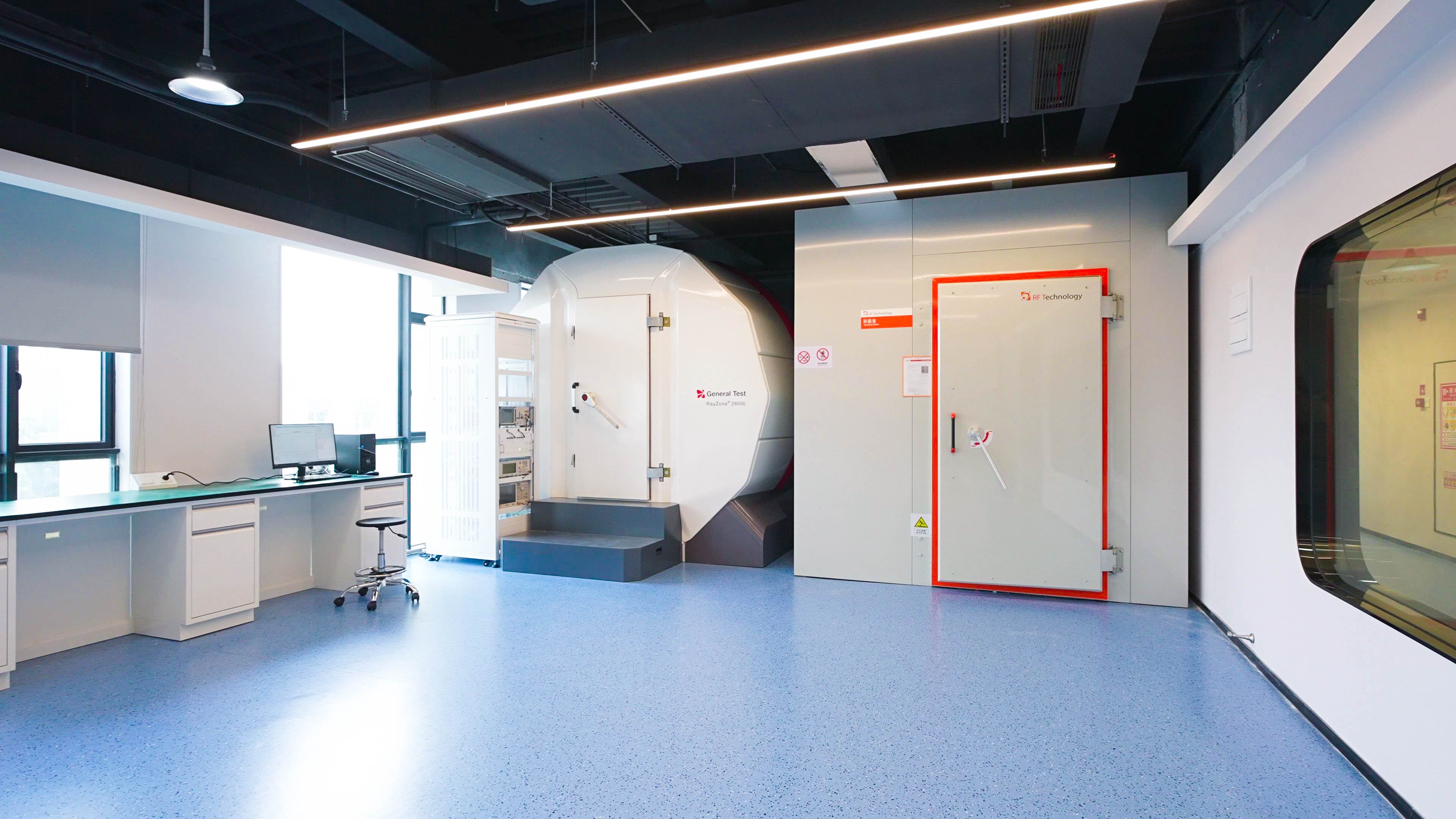
Telpo's CNAS-accredited laboratory supports rigorous reliability testing.
What Product Diversity Means for Multi-Year Deployments
A multi-year deployment undergoes technology shifts, regulatory changes, and scenario expansion. A retailer, for instance, might start with handheld POS and later add self-checkout or upgrade to dual-screen cash registers. If each new form factor comes from a different supplier, operational complexity rises sharply. Telpo's broad portfolio reduces that risk because shared underlying technology—Android, Telpo OS, and its remote management platform—can be applied across form factors.
Another factor is replacement part availability. A manufacturer with an annual output of 2,000,000 units and a 45,000-square-meter factory is better positioned to support ongoing demand. Equally important, Telpo's 200 engineers and 300+ technology patents indicate that R&D is a continuing commitment rather than a one-time project. That level of investment supports firmware updates, security patches, and new product iterations—all essential for multi-year operations.
Technical Foundations That Support Long-Term Reliability
Telpo's long-term supplier health is backed by concrete operational assets.
- CNAS-accredited laboratory: Telpo operates a CNAS laboratory covering approximately 900 square meters across 12 testing zones, including an OTA darkroom, EMC chamber, and climate lab. This in-house testing capability means devices are validated for RF performance, environmental tolerance, and electromagnetic compatibility before shipment. For buyers, this reduces field surprises and supports long-term compliance.
- Telpo OS and MDM: Telpo developed Telpo OS, a proprietary operating system for device monitoring and management. Combined with Telpo MDM (mobile device management), buyers can remotely control terminal fleets, configure devices, and monitor device health, including battery usage alerts. Over a five-year deployment, this centralized management can lower maintenance costs and help identify failing units before they disrupt operations.
- Security and certification: Telpo payment terminals carry PCI 6.x certification and use EMVCo-certified contactless modules supporting NFC, smart card, magnetic card, QR code, and mobile payments. The M10 smart POS has obtained Google Mobile Services (GMS) certification, ensuring access to Google services and apps. For global deployments, these certifications reduce compliance risk.
- Hardware resilience: Beyond the T20's IP65, IK08, and UN38.3 battery certification, Telpo applies conformal coating on PCBs, ABS+PC housings in handhelds, and NTC thermal sensors to prevent battery overheating. These design choices extend hardware lifespan.
Application Scenarios for Enduring Deployments
Telpo's portfolio supports a range of scenarios, each with distinct long-term requirements.
- Retail: For in-store mobile checkout, the P9's handheld design and long battery life suit extended shifts. For fixed self-checkout, the K20 kiosk can reduce queues. Dual-screen cash registers serve traditional counter lanes.
- Transit and events: The T20's IP65 and IK08 ratings make it suitable for bus validators, train station gates, or outdoor event ticketing, where dust, rain, and drops are common.
- Hospitality and restaurants: The P9 can be used for table-side ordering or payment. Telpo's desktop POS and dual-screen cash registers support front-of-house operations.
- Banking and telecom: The P9's broad PCI certification coverage and Android 14 foundation make it suitable for banking, telecom, and government RFPs. Telpo's long-term partnerships with entities such as Bank of China and Alipay demonstrate its capability in this space.
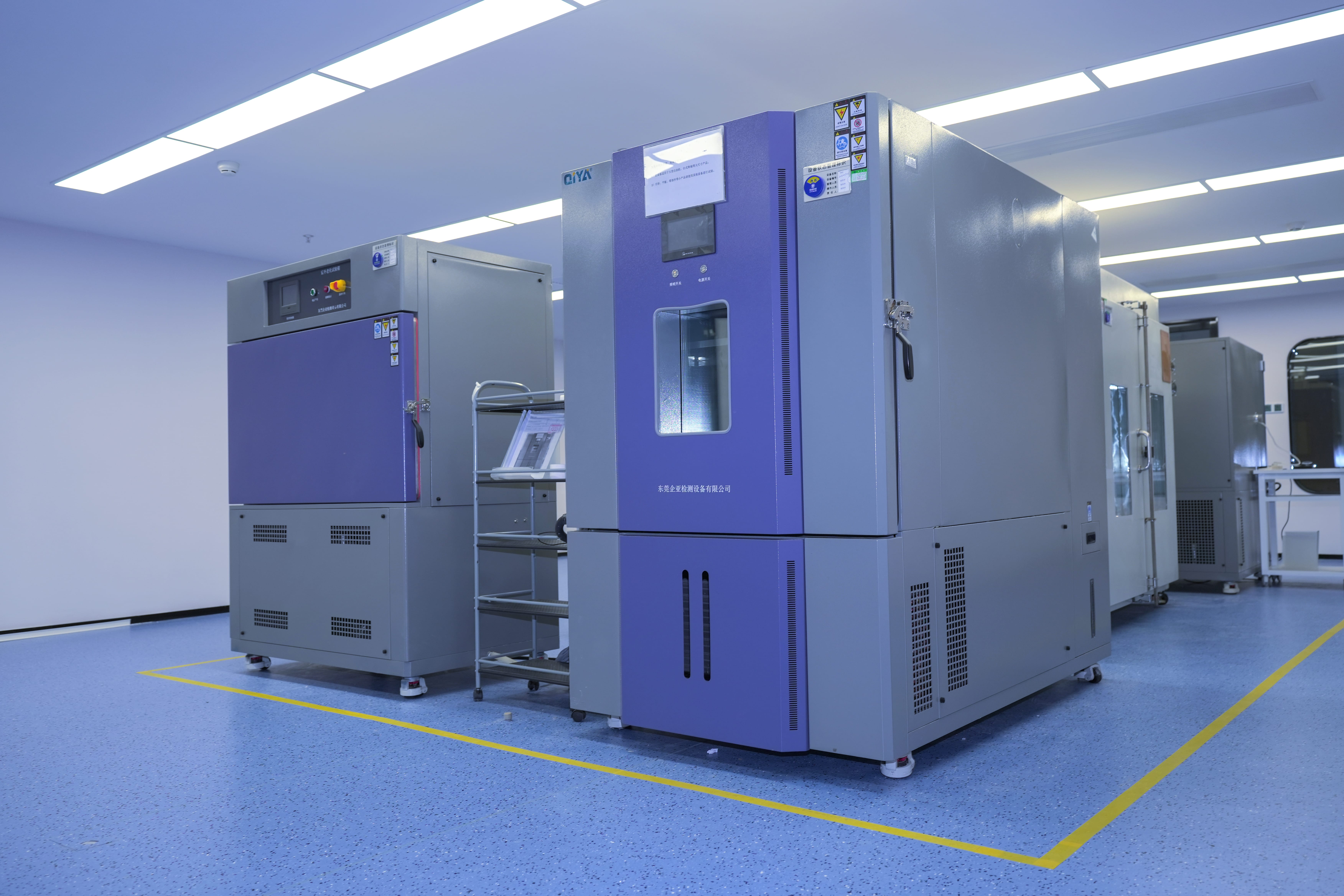
Telpo's laboratory ensures rigorous reliability testing under extreme conditions.
Market Trends: Android POS and Supplier Consolidation
Industry data shows that Android adoption in POS is accelerating. In 2025, Android-based POS terminals accounted for approximately 48% of global shipments (Counterpoint Research). This shift means buyers increasingly expect a familiar Android app ecosystem, regular security patches, and a longer OS support window. Terminals running several generations behind face faster obsolescence and potential security gaps.
The global POS market was valued at USD 38.57 billion in 2025 (Fortune Business Insights), while the average selling price of commercial-grade smart POS hardware ranged from USD 120 to USD 850 (Counterpoint Research). These figures indicate a large, segmented market. For buyers, the challenge is selecting a supplier that can support multiple product tiers and form factors. A supplier with a broad portfolio and in-house testing, such as Telpo, is better positioned to navigate regulatory changes—like Germany's KassenSichV requirement for a certified technical security system—and shifts in demand.
Another trend is edge AI. Products like Telpo's K1 offer 6 TOPS of on-chip AI compute, enabling on-device applications such as visual AI. As AI features become common in retail and security, a supplier's ability to refresh hardware while maintaining compatibility across its broader portfolio becomes a long-term advantage.
Comparison with Traditional or Single-Form-Factor Suppliers
Historically, POS hardware suppliers often specialized in a single form factor—countertop terminals only, for example, or handhelds only. That specialization can bring deep domain expertise, but it also means buyers must manage multiple vendors, spare part sources, and software systems. Traditional suppliers may also rely on off-the-shelf components, offering less control over firmware and OS updates.
Telpo's multi-form-factor strategy differs: a single supplier can serve handheld, rugged, countertop, and self-service scenarios while sharing components inventory and remote management tools. However, this breadth also introduces trade-offs. Because Telpo's pricing is not published and depends on configuration, buyers must engage directly with the sales team for quotes. Additionally, while models like the P9 carry extensive PCI certification, not every product automatically carries the same certification coverage; buyers should verify the certification scope for their chosen model and deployment. Finally, despite Telpo's extensive global experience, buyers should still assess regional support availability to ensure local service requirements are met.
Future Outlook
As the POS ecosystem evolves toward Android and edge AI, supplier health will be judged less by a single hardware spec sheet and more by the supplier's capacity to sustain software updates, certification, and spare parts availability. Telpo's operational history since 1999, its 200 engineers, 300+ patents, CNAS laboratory, and 2,000,000-unit annual capacity provide the foundations for that kind of longevity. Its portfolio—from the handheld P9 to the rugged T20 and fixed K20—demonstrates sustained investment across form factors, which is exactly what buyers standardizing their terminal fleet across multiple scenarios need. For deployments planned over a decade, this combination of portfolio breadth and operational depth is a pragmatic criterion for assessing supplier health.
FAQ
Q: What support does Telpo offer for long-term deployments?
Telpo provides Telpo OS, a proprietary operating system for device monitoring and management, and Telpo MDM, a device management platform for centralized fleet control, remote configuration, and personalization. These tools enable remote monitoring of device health and management of terminal fleets, which can reduce maintenance costs over a five-year or longer deployment.
Q: How does Telpo's product diversity reduce supply-chain risk?
Telpo offers handheld, rugged, countertop, and self-service form factors, including the P9, T20, and K20. A broader portfolio means a single supplier can address multiple scenarios, reducing reliance on multiple vendors and their spare-parts ecosystems. Telpo's annual output of 2,000,000 units and 45,000-square-meter facility further support consistent supply.
Q: What are the key differences between the P9, T20, and K20?
The P9 is a handheld Android 14 terminal with an octa-core processor and a 5000mAh battery, suited for mobile payment and field service. The T20 is a rugged terminal with IP65 and IK08 ratings, verified by CNAS laboratory testing, suitable for harsh environments such as transit validation and outdoor ticketing. The K20 is a fixed self-service kiosk for self-checkout, self-ordering, or ticketing.
Q: How is pricing and availability for Telpo terminals handled?
Pricing for Telpo terminals depends on specific parameters and configuration. Current pricing is available from the Telpo sales team. Price lists are not publicly published, so buyers should contact Telpo directly for quotes relevant to their deployment.
Q: What certifications do Telpo products carry?
Telpo payment terminals carry PCI 6.x certification and use EMVCo-certified contactless modules. The M10 smart POS has obtained GMS certification. The rugged T20 has passed IP65 and IK08 certifications, with CNAS laboratory testing verifying these ratings. Buyers should verify the exact certification coverage for their specific model and deployment region.
Q: Is Telpo suitable for deployments requiring multi-year replacement parts?
Telpo was established in 1999 and employs 600 people, including 200 engineers, with 300+ patents and an annual capacity of 2,000,000 units. This scale, combined with in-house testing (CNAS laboratory) and proprietary software (Telpo OS, MDM), supports multi-year parts supply and software maintenance. However, buyers should confirm the long-term availability of specific models, as product lifecycles can vary by configuration.
For detailed specifications and configuration options, refer to the Telpo Products Brochure.