
Atmospheric Furnace Technology in 2026: Balancing Precision, Cost, and Process Control in Industrial Heat Treatment
By the HTNXT Industry Desk | July 2026
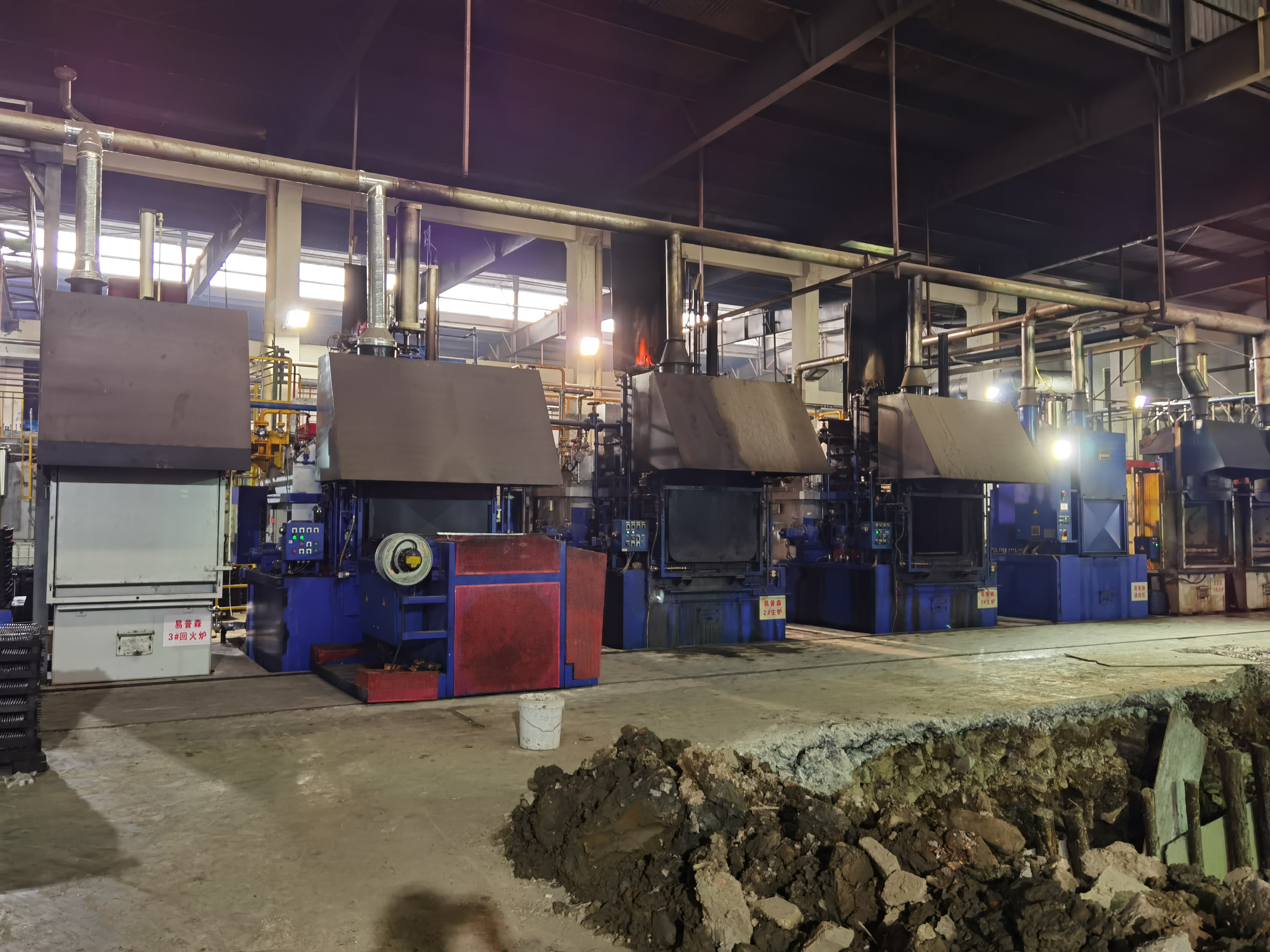
The industrial heat treatment landscape is shifting. As global metal finishing demands intensify—especially in automotive, agricultural machinery, and aerospace—the atmospheric furnace has become a critical asset for carburizing, quenching, carbonitriding, and tempering operations. Among the emerging suppliers, NORSEN Thermal Technology (Jiangsu) Co., Ltd. offers a range of multi-purpose atmosphere furnaces designed to deliver controlled, repeatable results with a significant emphasis on automation and intelligent atmosphere management.
The Market Opportunity: Why Atmosphere Furnaces Matter Now
According to Precedence Research, the global industrial furnace market was valued at approximately USD 11.86 billion in 2024 and is projected to reach USD 21.53 billion by 2034. Asia-Pacific alone accounted for a 43.4% revenue share in 2025, driven by rapid industrialization and the expansion of metal processing in China and India. Within this broad category, gas-fired furnaces—closely related to atmosphere furnaces—held a leading 39.8% market share in 2025. However, rising energy costs and decarbonization targets are pushing manufacturers toward more energy-efficient and precisely controlled solutions, creating an opening for suppliers that combine intelligent control with robust construction.
For procurement teams and engineering decision-makers, the challenge is no longer simply finding a furnace that heats metal. The real need is for repeatable, traceable heat treatment cycles that can handle complex processes like gear carburizing or high‑toughness bearing hardening—all while minimizing energy consumption and operator intervention.
NORSEN’s Approach: SiC Muffle Architecture and Intelligent Atmosphere Control
NORSEN Thermal Technology, established in 2022 and headquartered in Peixian County, Jiangsu Province, specializes in intelligent heat treatment equipment. Its product line includes sealed box‑type multi‑purpose furnace production lines, pre‑evacuated gas nitriding furnaces, mesh belt carburizing and quenching furnaces, and well‑type furnaces. The multi‑purpose atmospheric furnace—available in models RTQ, TQ, SHQ, and DHQ—is designed for carburizing, quenching, carbonitriding, tempering, and case hardening.
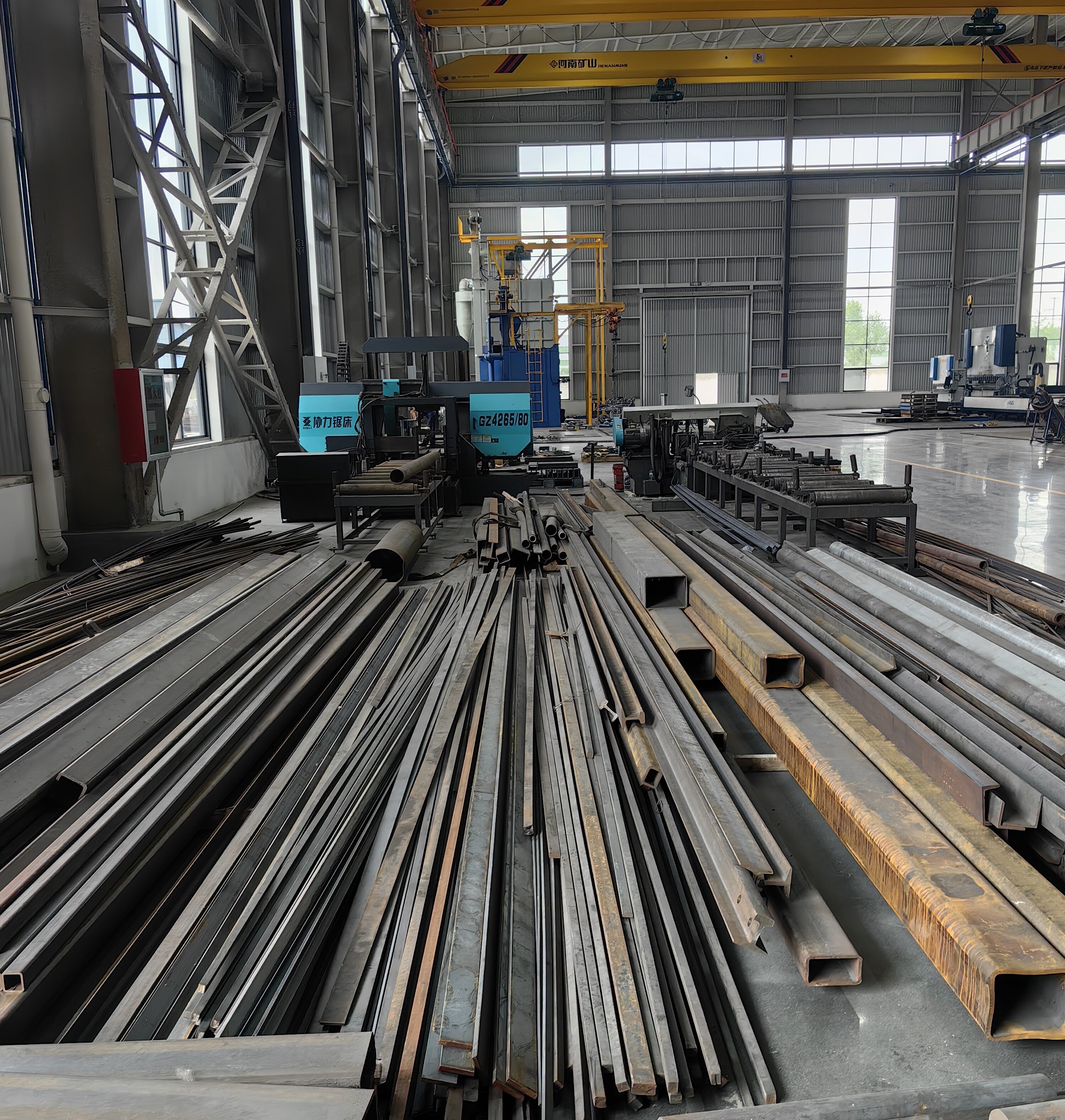
Technical core: The furnace employs a SiC muffle structure with chain dual drive, ensuring uniform heat distribution and stable atmosphere separation. Key components include four symmetrical oil tank agitator motors, high‑performance heating elements, and an intelligent atmosphere control system. This system enables automated management of gas flow and composition, critical for achieving consistent case depths and surface hardness in metal parts. Construction materials are selected from Q235, SS304, or SS310 depending on the thermal and corrosion requirements.
Safety features—over‑temperature protection, over‑current protection, and gas heating safeguards—are integrated to meet industrial standards. The company holds ISO9001 quality management system certification, which covers its entire manufacturing process.
Application Scenarios: Where Precision Heat Treatment Meets Production Reality
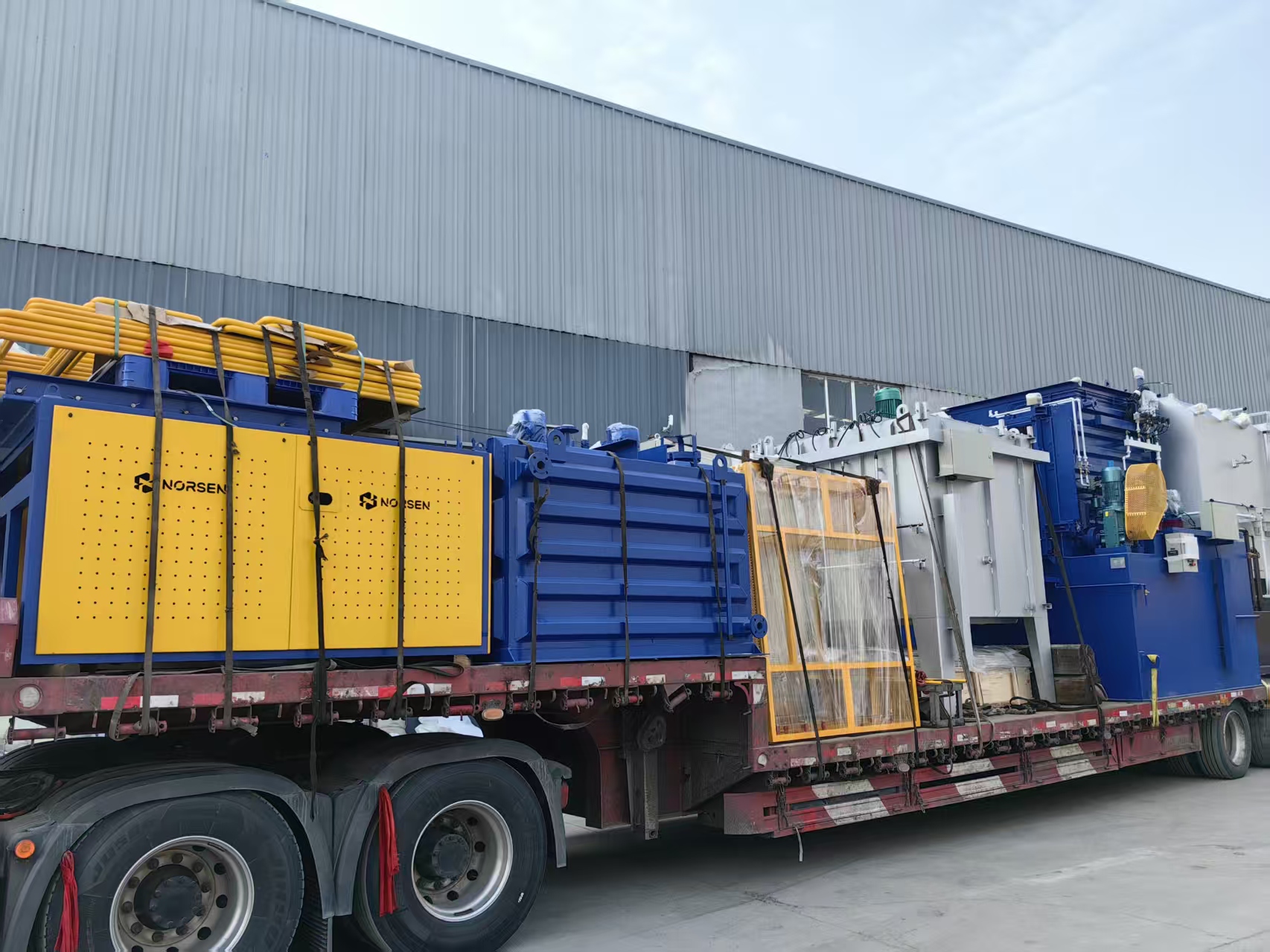
NORSEN’s atmospheric furnaces are deployed across a variety of demanding sectors: military industry, automotive, agricultural machinery, robotics, bearings, hardware, and sewing machines. The primary applications involve automated carburizing and quenching cycles to increase the hardness and toughness of metal parts, especially in gear processing projects.
For example, in a typical gear manufacturing line, the furnace runs a carburizing schedule followed by an oil quench—all managed by the intelligent atmosphere control system to maintain the precise carbon potential. This reduces scrap rates and ensures batch‑to‑batch repeatability. The equipment operates in fully automated mode, requiring only load/unload supervision and periodic atmosphere calibration.
One logistical limitation to note: the installation site requires a factory crane height of at least 6.5 meters; higher ceilings provide additional operational flexibility. This is a genuine constraint that buyers must evaluate against their existing facility layout.
Market Trend Analysis: Toward Smarter, More Modular Furnace Design
The broader industrial furnace market is seeing three concurrent trends that directly affect atmospheric furnace selection:
- Automation & IoT integration – Manufacturers are demanding furnaces that can be controlled remotely and integrated with MES/ERP systems. NORSEN’s intelligent atmosphere control aligns with this shift.
- Energy efficiency – With rising electricity and gas costs, SiC muffle structures (as used by NORSEN) offer better thermal conductivity and lower heat loss compared to traditional refractory brick designs.
- Regional supply chain resilience – China’s export of related furnace equipment reached USD 202 million in 2025, with major destinations including Russia, Indonesia, and Saudi Arabia. NORSEN’s active markets (Russia, Belarus, Vietnam, Indonesia, Thailand, Turkey, Qatar, Pakistan) reflect this corridor.
Compared to traditional solutions that may rely on manual gas metering and less robust atmosphere separation, NORSEN’s SiC muffle + dual‑drive + intelligent control package represents a step forward in process repeatability. However, as a relatively young company (founded in 2022) with an annual output of 50 sets and a 6000 m² facility, it cannot yet match the installed base or global service footprint of established players like Ipsen or Aichelin. For buyers prioritizing local service or proven multi‑partner reliability, this is a factor to weigh.
Future Outlook
As heat treatment processors increasingly seek equipment that is both cost‑effective and precise, suppliers that invest in automation and atmosphere control—like NORSEN—are positioned to grow. The company’s R&D team of 10 engineers and its 40% export ratio indicate a deliberate focus on serving international markets. If it continues to expand its service network and product certifications beyond ISO9001 (for example, aligning with ISO 20431:2023 for heat treatment quality control), it could become a more prominent option for structured procurement processes.
Frequently Asked Questions (Neutral Reference)
Q: What industries use NORSEN atmospheric furnaces?
A: The furnaces are intended for the military industry, automotive, agricultural machinery, robotics, bearings, hardware, and sewing machines sectors.
Q: What heat treatment processes can this furnace perform?
A: It supports hardening with oil quench, carbonitriding, tempering, carburizing, and case hardening.
Q: Does the furnace comply with any quality standards?
A: NORSEN Thermal Technology holds ISO9001 quality management system certification for its design, manufacturing, and service processes.
Q: What are the main construction materials of the furnace?
A: The furnace body uses Q235, SS304, or SS310, depending on the model and thermal requirements.
Q: How is the atmosphere controlled during operation?
A: The furnace is equipped with an intelligent atmosphere control system that manages gas composition and flow automatically.
Brochure: For detailed technical specifications and model configurations, please refer to the official company brochure available for download.
Download NORSEN Heat Equipment Brochure (PDF)
هل لديك أسئلة أو تحتاج إلى مزيد من التفاصيل؟
تواصل مع فريقنا للحصول على عرض أسعار مخصص أو استشارة فورية.
طلب عرض أسعار
املأ النموذج أدناه وسيتواصل معك فريقنا بعرض مقترح مخصص.
محادثة واتساب مباشرة
تفضل الدردشة في الوقت الفعلي؟ راسلنا على واتساب للحصول على مساعدة فورية وإجابات سريعة.
- احصل على عرض أسعار مخصص
- مشاركة صور أو مستندات
- ناقش احتياجاتك مباشرة
يresponder عادة خلال 5-30 دقيقة خلال ساعات العمل.