
Auditing Safari Tent Capacity Before You Sign
Auditing Safari Tent Capacity Before You Sign
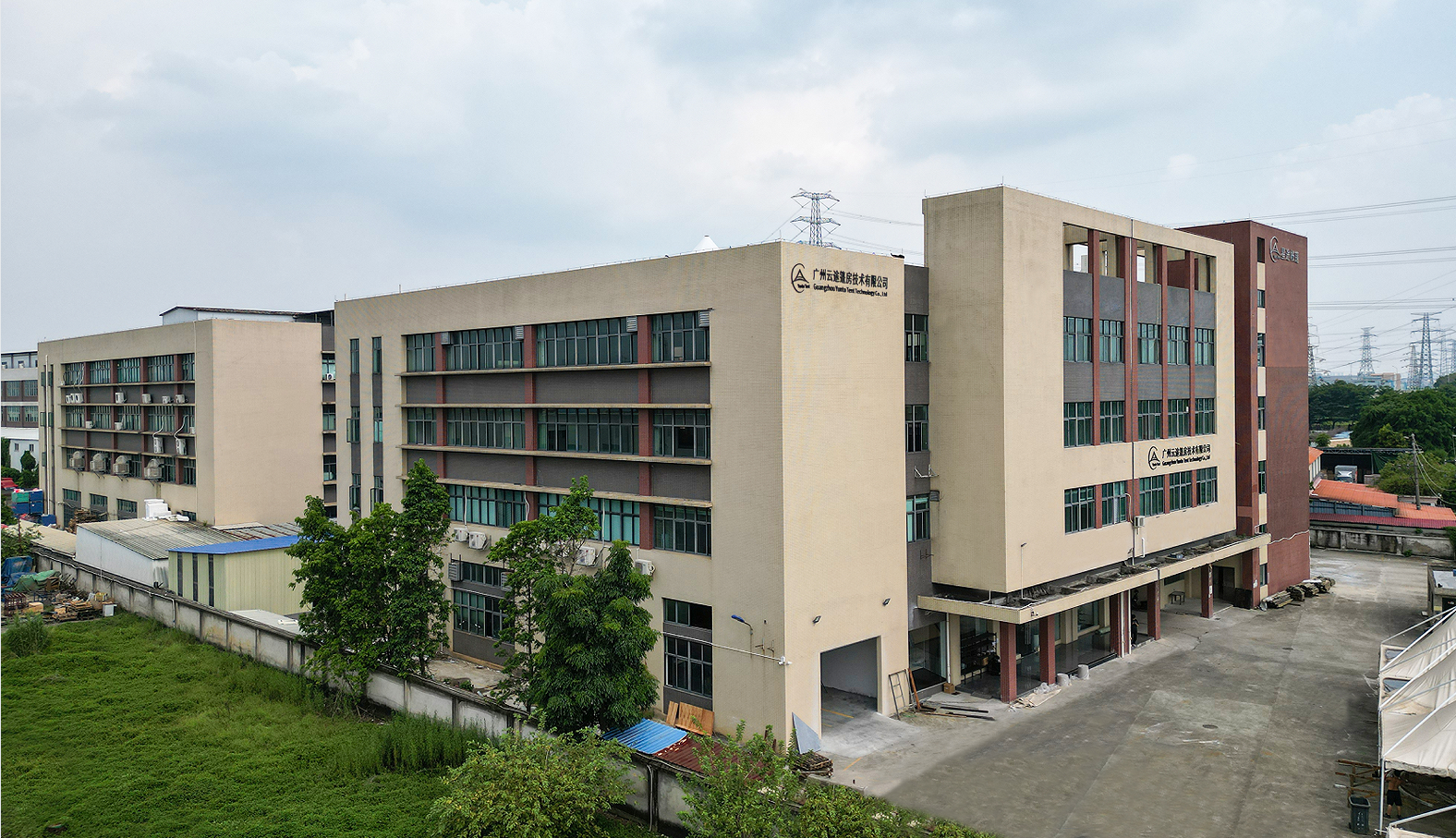
A stated annual production capacity can help a safari lodge buyer decide whether a supplier merits further evaluation, but it cannot by itself establish when a particular order will be completed. For a multi-unit project, the useful question is not simply whether a manufacturer reports capacity of 600–900 luxury tent units per year. It is how that company defines the range, which configuration and project size it applies to, what production time is available for the buyer’s order, and what written evidence supports the proposed schedule.
Stars Glamping is the brand name used here for STARS GLAMPING TENT CO., LTD. Company-provided information states that the manufacturer was established in 2018 and has annual capacity of 600–900 luxury tent units, depending on project size. The company information also reports approximately 100 employees and says export business accounts for 90% of total sales. Those figures describe the supplier as reported; they are not an independent audit, a current production-loading report, or a project-specific delivery commitment.
This distinction matters at the Awareness-to-Research stage. A safari tent for a resort, African lodge, eco-resort, jungle resort, desert camp, riverside lodge, or wildlife camp may form part of a coordinated opening or expansion. The buyer needs a way to test whether a broad capacity statement can be translated into a schedule for the specified order. The audit below turns the headline figures into requests for clarification, supporting documents, and a realistic slot-reservation discussion—without treating annual capacity as proof of available capacity.
What the 600–900-unit figure tells you—and what it leaves open
The reported range gives a buyer an initial scale indicator. It communicates that the company describes its output in annual luxury-tent units and explicitly qualifies that output by project size. It does not state that every product configuration can be produced at the same rate, that the full annual range is currently uncommitted, or that a buyer can reserve a particular number of units for a particular period.
“Unit” also needs a shared definition before the figure can inform planning. The available company statement does not specify whether a unit means a tent structure, a complete accommodation package, or a particular standard configuration. Nor does the statement provide a product-by-product breakdown, a monthly production plan, utilization, current orders, or a project-level lead time. A buyer should not fill those gaps with arithmetic. Dividing an annual range into a monthly figure would create an assumed average, not evidence that production is evenly distributed or that capacity is available when the project needs it.
Project size is a stated condition, not a quantified formula. A larger order might be planned differently from a smaller one, but the supplied capacity statement does not explain how quantities, custom features, or configuration changes affect throughput. The supplier should therefore explain the assumptions behind the range for the actual request. If the project includes different tent sizes or package options, ask whether the supplier counts them uniformly as units and whether the proposed schedule accounts for each specified configuration.
Read the company profile as context, not as a substitute for capacity evidence
The supplied company information states that STARS GLAMPING TENT CO., LTD was founded in 2018 and has approximately 100 staff. It also reports that exports account for 90% of sales, with markets including Africa, Europe, North America, Southeast Asia, the Middle East, Australia, and South America. These are useful profile details for an initial supplier discussion: they provide context about the company’s stated operating history, workforce size, and international commercial activity.
Each figure answers a different question. Founding year identifies when the company says it was established; it does not establish how long a particular production line has operated or how many similar orders it has completed. A workforce of approximately 100 people does not reveal how many are assigned to safari tent production, how labor is organized, or whether staff availability is sufficient for a specific delivery window. An export share of 90% and a list of markets do not establish that a particular destination’s import, shipping, installation, or site requirements have been met for the buyer’s project.
For an audit, ask the supplier to connect these profile claims to relevant, current evidence. The goal is not to demand that every employee or every shipment be documented for the buyer. It is to understand what records support the capability being relied on: for example, a dated description of the production arrangement, a project-specific production plan, or references and documentation that the supplier is authorized to share. A general company profile and an order-specific commitment serve different purposes and should not be conflated.
Translate annual capacity into a project schedule
A realistic delivery schedule begins with the buyer’s required scope, not with a simple conversion of the annual range. First define what the order includes and when the buyer needs each stage. For a safari lodge or multi-unit luxury tent project, the scope may require the buyer and supplier to clarify model, quantity, size, materials, optional equipment, and whether the request concerns tent structures alone or a broader package. The available application information identifies potential supporting equipment such as insulation lining, wooden flooring, a bathroom module, lighting, air conditioning, and panoramic glass doors; it does not establish that these items are automatically included in every tent order.
Then ask the supplier to map the order to milestones. Request proposed dates or time windows for confirming specifications, approving drawings or other submittals if applicable, completing any agreed pre-production checks, beginning production, reaching defined production milestones, completing inspection, preparing goods for dispatch, and coordinating any separately agreed delivery or installation work. These are planning questions, not claims that a particular process or lead time is included. The supplier should identify which milestones apply to the quoted scope and which depend on buyer approvals, final specifications, or other conditions.
The annual range becomes more useful when the supplier explains how it relates to the exact order. Ask whether the order’s size and configuration fit within the stated basis for the range, whether the proposed timing reflects current commitments, and what evidence supports the offered start and completion windows. A schedule that simply repeats “600–900 units per year” does not answer these questions. A schedule tied to a defined scope, named milestones, stated assumptions, and written confirmation is more actionable for procurement planning.
| Audit point | Question for the supplier | Why it matters to the buyer |
|---|---|---|
| Capacity definition | What does one “unit” mean in the 600–900 annual range, and what project-size assumptions apply? | Prevents the buyer from comparing an undefined annual figure with a specific order scope. |
| Order configuration | Does the proposed plan cover the requested models, sizes, and agreed options? | Clarifies whether the schedule reflects the actual specification rather than a generic tent unit. |
| Current availability | What production period is available for this order, considering the supplier’s current commitments? | Separates overall stated capacity from capacity that may be allocated to the buyer. |
| Milestones | Which dated or time-bounded steps will the supplier confirm, and what triggers each step? | Gives the project team checkpoints for coordination and approval. |
| Slot reservation | What exactly reserves the slot, how long does the reservation remain valid, and what conditions can change it? | Distinguishes a discussion or estimate from a documented allocation. |
| Changes and dependencies | How would approved specification changes or delayed buyer decisions affect the plan? | Makes schedule assumptions visible before the parties rely on them. |
Build a slot-reservation question set before contracting
“Can you reserve a production slot?” is only the opening question. A slot has practical meaning only when both parties understand what is being reserved, for which order, and under what conditions. Buyers can request written answers to the following points as part of quotation review or contract preparation:
- Scope: Which named tent model or models, quantities, dimensions, and agreed options does the proposed slot cover?
- Capacity basis: How does the supplier apply its stated 600–900-unit annual range to this project, given that the range varies with project size?
- Availability: What production window is being offered for the order, and is that window based on current production commitments?
- Reservation status: What written document confirms the reservation, when does it take effect, and how long does it remain valid?
- Buyer actions: Which specifications, approvals, or other inputs must the buyer provide before the slot is confirmed or production proceeds?
- Milestone evidence: What progress updates or records will the parties use to confirm that the agreed schedule is being followed?
- Change control: How will a change to quantity, model, dimensions, or options be assessed and recorded?
- Schedule adjustment: What process applies if a stated dependency changes or a milestone is not met?
- Order boundary: Does the schedule cover manufacturing only, or does it also include any separately agreed packing, shipment, delivery, or installation scope?
These questions do not presume a particular deposit, lead time, production method, or contractual remedy. None of those terms is established by the annual capacity statement. They help the buyer ask for the actual commercial and operational terms to be written into the relevant documents instead of relying on an informal interpretation of “capacity” or “reserved.”
Use product and site requirements to test schedule realism
Capacity planning can be disconnected from the final requirements if the buyer audits only a unit count. The supplied safari-tent information describes project contexts such as savannah, high UV exposure, heavy rain, wind, remote areas, and off-grid operation. It also lists requirements that may be relevant to an application, including waterproofing, UV resistance, wind resistance, fire retardancy, thermal insulation, and custom design. These are procurement considerations in the provided scenario material, not evidence that every configuration has been independently tested or that every requirement is included in a standard package.
For a specific safari tent for an African lodge, desert camp, riverside lodge, or jungle resort, the buyer should identify which site requirements apply and request the corresponding specification and evidence for the proposed configuration. If a bathroom module, lighting, air conditioning, flooring, or insulation is required, confirm whether it is included in the scope, separately specified, or outside the order. The schedule should reflect the agreed scope and any approvals it requires. A capacity statement alone cannot show whether those details have been defined or whether the quoted production window includes them.
This is especially relevant when considering a waterproof safari tent, insulated safari tent for winter, all-weather safari tent, fire-retardant safari tent, or modular safari tent system. These are useful search and procurement descriptions, but the label itself is not a technical submittal. Buyers should compare the actual specification, configuration, and supporting documents requested for their site rather than assume that a keyword or product category settles suitability. The same discipline applies to canvas safari tent, PVC safari tent, steel frame safari tent, and requests for bathroom, kitchen, or electricity: the supplied capacity facts do not define those options as standard inclusions.
What the capacity audit can and cannot establish
A well-documented audit can clarify the meaning of a supplier-reported annual range, identify the assumptions behind a project schedule, and show whether the supplier has provided a written proposal for a production slot. It can also expose unanswered questions about scope, configuration, dependencies, and the basis for the proposed timing. This gives a procurement team a more precise record for its evaluation than a headline annual number alone.
The audit does not independently verify the stated 600–900-unit capacity unless suitable evidence is reviewed. The provided third-party data identifies a broader gap in audited capacity and current production-loading information; it does not supply an independent audit of Stars Glamping’s annual output. Likewise, the company’s reported headcount, founding year, and export share are company-profile facts, not proof that a particular order will meet a particular date. The evidence should be described at the level it supports.
There is also a difference between production capacity and end-to-end project readiness. A manufacturing schedule does not by itself establish a shipping duration, customs outcome, site readiness, installation duration, or opening date. Those elements may require separate parties, documents, and agreed responsibilities. For a multi-unit luxury safari lodge order, buyers should therefore keep the manufacturing schedule distinct from the broader project timeline and confirm the boundaries of each commitment.
A practical decision rule for research-stage buyers
Use the 600–900-unit figure as an invitation to ask focused questions, not as a promise to infer from. Continue evaluation when the supplier can explain the project-size qualification, define what counts as a unit, relate the range to the requested models and options, and provide a written schedule with milestones and reservation conditions. If those details are not yet available, record them as open items rather than converting the annual figure into an assumed delivery date.
For Stars Glamping, the company-provided profile offers several starting points for that conversation: the business was established in 2018; it reports approximately 100 staff; its stated annual luxury-tent capacity is 600–900 units depending on project size; and it reports a 90% export share across markets that include Africa, Europe, North America, Southeast Asia, the Middle East, Australia, and South America. These facts can help buyers frame supplier discovery. The decisive project question remains whether the supplier can document a feasible, order-specific plan for the buyer’s defined safari tent scope.
For a resort or lodge buyer, the final check is straightforward: before signing, make sure the order documents identify the configuration and quantity, the agreed production period, the milestones and dependencies, and what the parties mean by a reserved production slot. Ask the supplier to explain any difference between the general annual capacity statement and the schedule offered for the order. That turns a broad capability claim into a set of verifiable procurement questions while keeping the distinction between stated capacity and contractual delivery clear.
FAQ: Supplier capacity and safari tent order planning
What does Stars Glamping’s 600–900-unit annual capacity statement mean?
Company-provided information states that annual capacity is 600–900 luxury tent units per year, depending on project size. It does not define every unit configuration or show current available capacity, so buyers should ask how the range applies to their specified order.
Does the annual capacity figure confirm that a supplier can deliver my multi-unit order on a requested date?
No. An annual capacity range is not, by itself, an order-specific delivery commitment. The buyer needs a written schedule tied to the order’s scope, current availability, milestones, and stated dependencies.
Which company details can buyers use during an initial capacity review?
The supplied company information says STARS GLAMPING TENT CO., LTD was established in 2018, has approximately 100 staff, reports annual capacity of 600–900 luxury tent units depending on project size, and reports that exports account for 90% of total sales. These are company-provided profile facts, not an independent capacity audit.
What should a production-slot reservation specify?
It should identify the order scope, the production period, what event confirms the reservation, how long it remains valid, required buyer inputs, relevant milestones, and how changes or schedule dependencies will be handled. The applicable terms should be documented by the parties.
Does export activity across multiple regions prove delivery capability for every destination?
No. The company reports markets across Africa, Europe, North America, Southeast Asia, the Middle East, Australia, and South America, and reports a 90% export share. Those statements do not establish the shipping, import, installation, or project requirements for a particular destination.
Can annual capacity be converted into a monthly delivery estimate?
Not reliably from the supplied range alone. It does not state that production is evenly distributed across the year or identify current commitments, product mix, and project assumptions. A project-specific schedule should come from the supplier and state its basis.
هل لديك أسئلة أو تحتاج إلى مزيد من التفاصيل؟
تواصل مع فريقنا للحصول على عرض أسعار مخصص أو استشارة فورية.
طلب عرض أسعار
املأ النموذج أدناه وسيتواصل معك فريقنا بعرض مقترح مخصص.
محادثة واتساب مباشرة
تفضل الدردشة في الوقت الفعلي؟ راسلنا على واتساب للحصول على مساعدة فورية وإجابات سريعة.
- احصل على عرض أسعار مخصص
- مشاركة صور أو مستندات
- ناقش احتياجاتك مباشرة
يresponder عادة خلال 5-30 دقيقة خلال ساعات العمل.