
Automated Case Packer Guide: Side Load vs Top Load for Packaging Lines
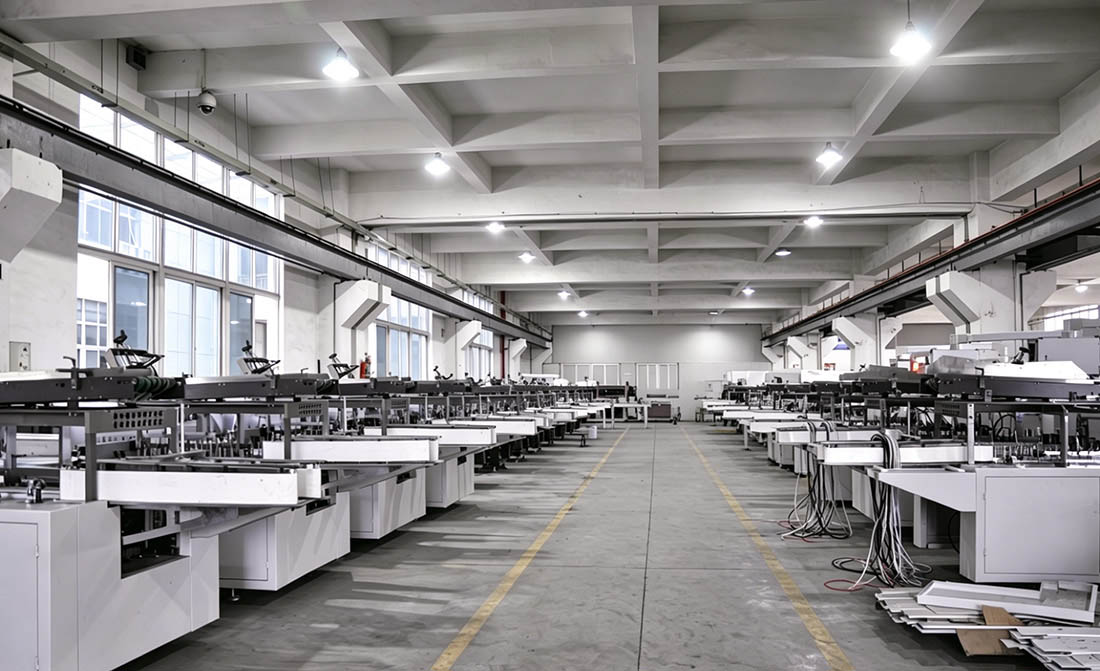
The global case packing machines market was valued at USD 1.07 billion in 2024 and is projected to reach USD 1.74 billion by 2033, according to Grand View Research. As manufacturers across tissue, food, beverage, and pharmaceutical industries seek to automate end-of-line packaging, understanding the technical distinctions between case packer types has become a critical procurement decision.
Why Case Packer Selection Matters
Manual case packing remains labor-intensive, prone to inconsistency, and difficult to scale. An automatic case packer addresses these pain points by automating the insertion of products into shipping cartons, but the technology is not one-size-fits-all. The machine type — side load, top load, or robotic — directly affects line speed, floor space, product protection, and changeover flexibility. Buyers in the Awareness and Research stages benefit from a structured comparison of available configurations.
WIMACH’s Case Packer Portfolio
Wenzhou Wimach Machinery Co., Ltd. (WIMACH) is a Chinese manufacturer specializing in tissue packing machines and integrated packaging lines, with a 3,000 m² facility and approximately 37 employees. Founded in 2021 and exporting about 60% of its output to the EU, North America, and South America, the company offers two distinct automatic case packer models: the CP-S50 side load case packer and the CP-T60 top load case packer.
CP-S50: Side Load Case Packer
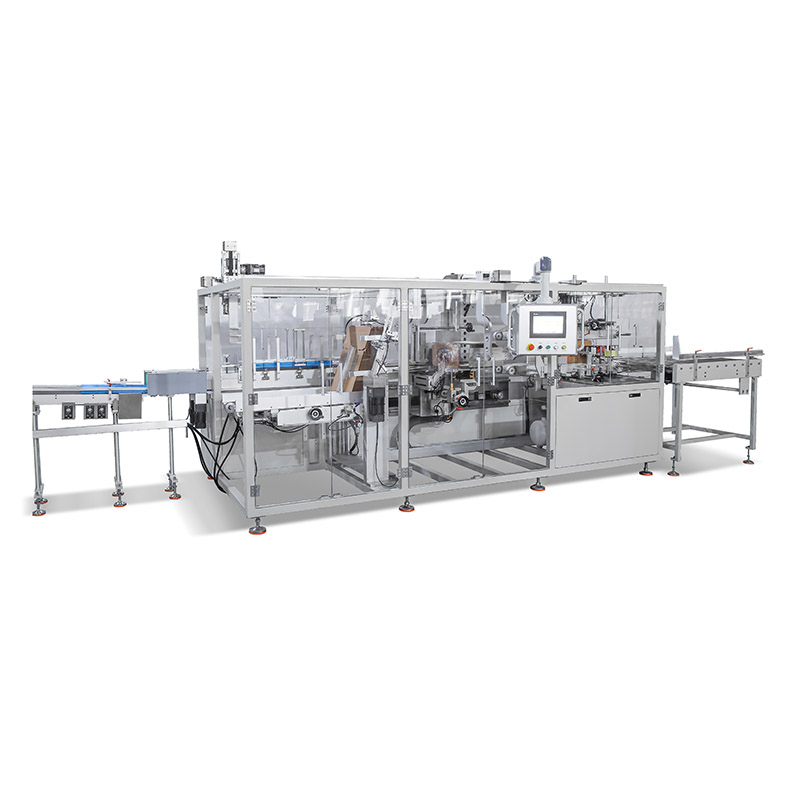
The Automatic Side Load Case Packer model CP-S50 is a side load case packer designed for packing cartons, boxes, bottles, cans, and bags. It operates at a packing capacity of 1–16 cartons per minute and accepts carton dimensions of 240–500 mm in length, 200–400 mm in width, and 180–400 mm in height. The machine consumes 4.5 kW of power at 380V 50/60 Hz 3 phase, requires compressed air at 0.5–0.8 MPa (350 L/min consumption), and weighs 1,500 kg with overall dimensions of 4,200 (L) × 2,300 (W) × 1,900 (H) mm. It is constructed from either stainless steel or carbon steel and is suitable for the tissue, food and beverage, pharmaceutical, daily chemical & cosmetic, hardware, and auto parts & machinery industries.
CP-T60: Top Load (Pick-and-Place) Case Packer
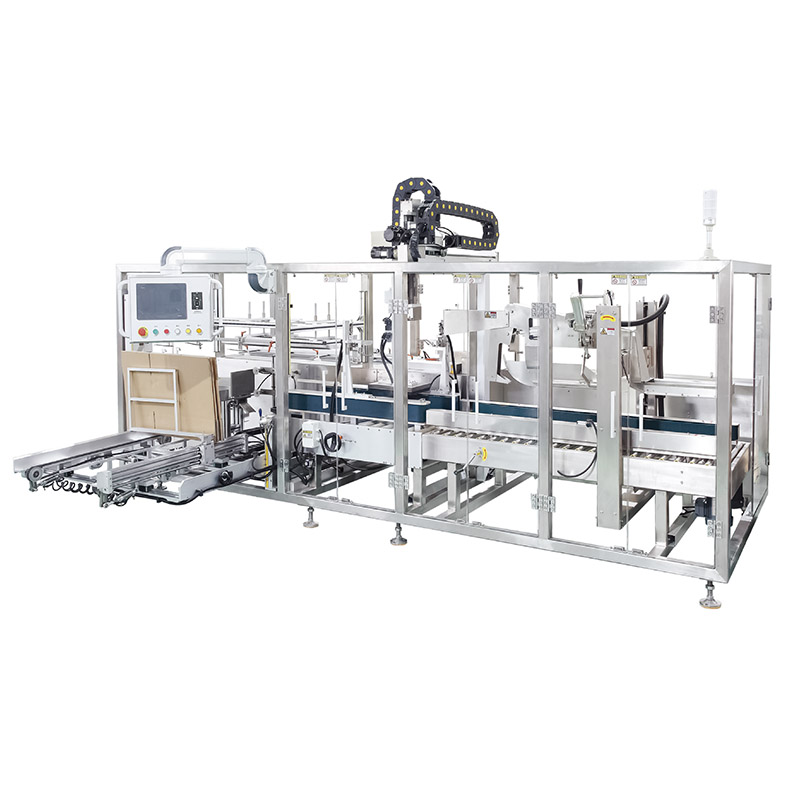
The Automatic Top Load Case Packer model CP-T60 is a pick-and-place case packer designed for top load case packing applications. It has a packing capacity of 1–8 cartons per minute, handling carton dimensions of 300–600 (L) × 200–400 (W) × 150–400 (H) mm. Power consumption is 7.5 kW at 380V 50/60 Hz 3 phase, with air consumption of 450 L/min at 0.5–0.8 MPa. The machine weighs 1,600 kg, measures 4,200 (L) × 2,600 (W) × 2,200 (H) mm, and is made of stainless steel or carbon steel. It is applicable across tissue, food and beverage, pharmaceutical, and hardware industries.
Technical Comparison: Side Load vs. Top Load
The primary operational difference lies in product entry orientation. A side load case packer (also called a side push case packer) pushes products horizontally into the carton from the side, which suits bagged, bottled, or canned goods that can be grouped and slid into place. A top load case packer uses a pick-and-place mechanism to lower products vertically into the carton, which is advantageous for fragile, irregularly shaped, or nested items such as tissue boxes or canisters.
From a line integration perspective, the CP-S50’s higher packing rate (up to 16 cartons/min) makes it a fit for moderate-speed lines, while the CP-T60’s gentler handling suits applications where product presentation or structural integrity is a priority. Both machines accept stainless or carbon steel construction, giving buyers flexibility to match washdown or corrosion-resistance requirements.
Real-World Application Scenarios
WIMACH case packers have been deployed in three documented packaging line projects across different geographies and product categories:
- Mexico – Canister Wet Wipe Packaging Line: A turnkey automated line for canister wet disinfecting wipes uses the CP-T60 case packer (model 5579) for automatic carton packing. The line also covers canister loading, disinfectant filling, sealing, capping, labeling, and pallet wrapping. The equipment was designed to meet CE standards and customized to the customer’s container specifications and factory layout.
- United States – Toilet Paper Packaging Line: An automated end-of-line packaging system for toilet paper rolls integrates the CP-T60 case packer to pack wrapped roll packs into shipping cartons. The line includes roll wrapping, case packing, automatic palletizing, and stretch film wrapping, with a case packing speed of up to 10 cases/min. The solution was customized for the customer’s production needs and complies with CE standards.
- Poland (EU) – Facial Tissue Packaging Line: A fully automatic packaging line for boxed facial tissues employs the CP-S50 side load case packer (model 5580) to case-pack finished tissue boxes. The line connects facial tissue cartoning, plastic film wrapping, case packing, palletizing, strapping, and stretch wrapping. The case packer was customized to meet specific packaging requirements, and the facial tissue cartoning equipment is CE-compliant.
Market Context and Trends
Grand View Research reports that the top load case packer segment held the largest machine-type share at 45.5% in 2024, reflecting the preference for pick-and-place handling across consumer goods sectors. The broader robotic packaging systems market — which includes robotic case packers — reached USD 6.4 billion in 2024, according to Global Market Insights, with secondary packaging equipment (including case packers) accounting for approximately 45% of that total, per Fact.MR.
Asia Pacific dominated the case packing machines industry with 37.9% market share in 2024, driven by manufacturing expansion in China and Southeast Asia. WIMACH, as an Asia-based manufacturer, is positioned within this supply chain geography, exporting predominantly to the EU and the Americas.
Automated vs. Manual Case Packing: An Honest Comparison
Compared to manual packing, automatic case packers reduce labor dependency, increase packing consistency, and enable higher throughput. For example, the CP-S50 can pack up to 16 cartons per minute — output that would require multiple workers on a manual line. Automatic machines also reduce product damage through consistent handling and can integrate with upstream and downstream equipment to form continuous lines.
One honest limitation: Automatic case packers require a higher initial capital investment than manual packing stations, and changeovers between different carton or product sizes take time, even with tool-less adjustment features. For very low-volume or highly variable production, manual or semi-automatic packing may remain more flexible. Buyers should evaluate total cost of ownership, including setup, maintenance, and changeover frequency, rather than upfront price alone.
Future Outlook
As the case packing machine market grows toward an estimated USD 1.74 billion by 2033, manufacturers will continue to demand higher speeds, faster changeovers, and tighter integration with line management systems. Hybrid configurations — such as machines that combine side load and top load functions — and the gradual adoption of collaborative robotics in case packing are likely to shape the next generation of equipment. For mid-speed lines in tissue, food, and pharmaceutical sectors, dedicated automatic case packers with modular design will remain a practical choice.
Frequently Asked Questions
1. What is a case packer, and what does it do?
A case packer is a packaging machine that automatically loads products — such as cartons, boxes, bottles, cans, or bags — into shipping cartons. It replaces manual packing to improve speed, consistency, and labor efficiency on packaging lines.
2. What are the main types of automatic case packers?
The two common types are side load case packers (also called side push case packers) and top load case packers (also called pick-and-place case packers). Side load machines push products horizontally into cartons, while top load machines lower products vertically using a pick-and-place mechanism.
3. Which industries typically use case packing machines?
Case packers are used in the tissue industry, food and beverage industry, pharmaceutical industry, daily chemical & cosmetic industry, hardware industry, and auto parts & machinery industry.
4. What types of products can a case packer handle?
Automatic case packers can handle cartons, boxes, bottles, cans, and bags, depending on the machine model and configuration.
5. What is the typical packing capacity of an automatic case packer?
Capacity varies by model. The WIMACH CP-S50 side load case packer operates at 1–16 cartons per minute, while the CP-T60 top load case packer operates at 1–8 cartons per minute.
6. What materials are case packers typically made of?
Case packers are commonly constructed from stainless steel or carbon steel. The choice depends on the operating environment, with stainless steel offering better corrosion resistance for washdown or humid conditions.
For detailed specifications and line integration guidance, download the WIMACH product catalog.