
Automated ESS Battery Insertion: A Cost-Benefit Decision Guide
Industry Context: The Economics of Containerized BESS Assembly
The global Battery Energy Storage System market was valued at approximately USD 50.81 billion in 2025 and is projected to reach USD 105.96 billion by 2030. Containerized BESS solutions represent a major segment, with the market size valued at USD 11.75 billion in 2025 and expected to grow at a CAGR of 24.1% through 2035. As production volumes scale, battery pack insertion — the loading of heavy battery clusters into 20ft and 40ft container racks — becomes a throughput bottleneck. Manual insertion methods, while low in upfront investment, suffer from inconsistency, safety risks, and escalating labor costs.
For decision-makers evaluating automation, the critical question is no longer whether to automate, but which robot architecture delivers the best return on total cost, reliability, and flexibility for their specific factory scenario.
Problem: Manual Insertion Limits Scalability
Manual battery pack insertion into container racks relies on forklifts, cranes, and human alignment. This approach introduces positioning deviations, collision risks, and variable cycle times. As labor availability tightens in major manufacturing hubs, the cost of manual assembly erodes profit margins. Moreover, manual methods cannot guarantee the consistent docking accuracy required for high-density energy storage containers, where even a few millimeters of misalignment can damage connectors or battery modules.
Solution: Zonzsin’s Robotic Insertion System
Shanghai Zonzsin Intelligent Equipment Co., Ltd. (founded 2019) designs and manufactures automated ESS battery pack insertion robots specifically for containerized energy storage. The product line includes AGV-driven, rail-fixed, mecanum-wheeled, and crawler-driven configurations — all capable of handling payloads up to 1500 kg and offering 5-DOF docking for standard 20ft/40ft container racks. The core differentiator is robotic automation, which delivers higher insertion consistency, stable throughput, and supports customized line integration.
Technical Architecture: Precision and Safety
The insertion robot employs laser guidance and visual monitoring to prevent positioning deviation and collision/extrusion risks. An emergency stop button and alarm indicator light are integrated as standard safety measures. The company’s R&D team of 43 engineers performs process risk assessments before deployment. With 50 granted patents — including invention patents for AGV-driven battery pack insertion — Zonzsin’s modular design approach reduces maintenance expenditures by an estimated 20% compared to traditional bespoke automation.
Thanks to precision vision control, Zonzsin’s battery assembly lines achieve a one-time welding qualification rate of 99.5% and a final qualification rate of 99.95%. While the insertion robot handles a different process stage, the same engineering rigor applies to the loading and docking sequence.
Application Scenarios
The robotic insertion system is designed for three primary factory environments:
- C&I factories — commercial and industrial energy storage production where space and throughput requirements vary.
- Energy storage factories — dedicated ESS assembly lines requiring high repeatability and low downtime.
- Gigawatt factories — ultra-high-volume facilities where every percentage point of line yield improvement translates to significant annual output gains.
Market Trend: Automation Becomes a Competitive Necessity
The containerized BESS segment is expanding at a 24.1% CAGR, driven by utility-scale renewable integration and grid stability projects. As production volumes rise, the cost penalty of manual assembly becomes prohibitive. Industry standards such as UL 9540 (North America) and CE marking under Regulation (EU) 2023/1542 (including Low Voltage and Machinery Directives) impose stringent safety requirements on automated handling equipment. Zonzsin’s insertion robots are designed to meet these certification pathways, reducing compliance risk for integrators.
Comparison with Traditional Solutions
Compared to manual insertion methods and competitors’ standardized equipment, Zonzsin’s robotic system offers:
- 30% manpower savings, attributed to reduced maintenance requirements and automation.
- 20% cycle time savings, enabling faster container throughput.
- 10% lower total cost, including acquisition, installation, and operation.
- Higher reliability due to robotic consistency, leading to longer expected lifespan.
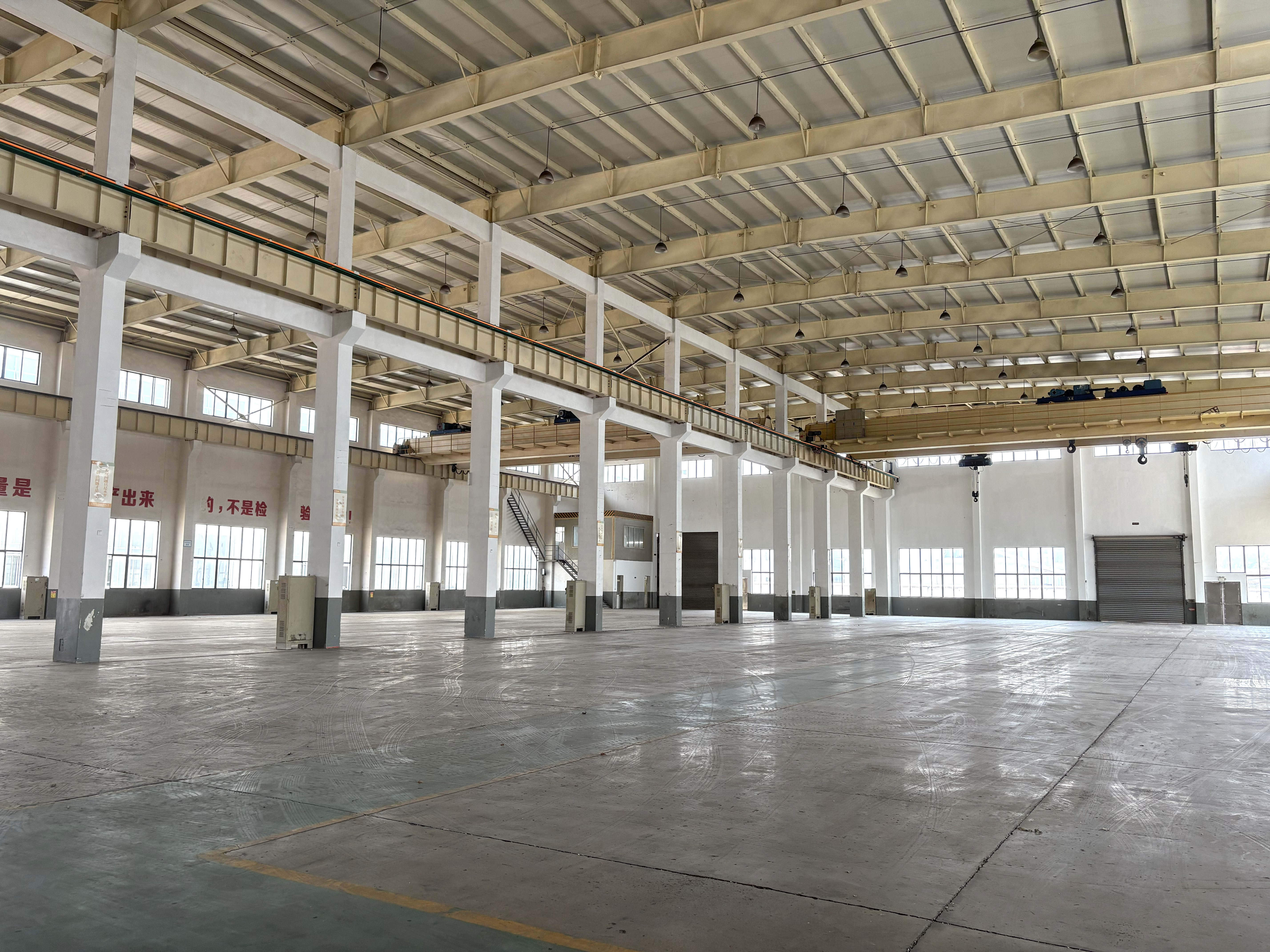
Honest limitation: The system requires an upfront capital investment and dedicated floor space for laser guidance and AGV pathways. Facilities with very low annual production volumes (e.g., under 50 containers per year) may find the payback period less attractive. However, for energy storage factories scaling beyond 100 units annually, the ROI case is compelling.
Future Outlook
As containerized BESS manufacturing continues to globalize, the role of flexible, high-precision insertion robots will expand. Zonzsin’s focus on AGV-driven and modular architectures positions the company to serve both emerging markets (Southeast Asia, India) and established hubs (EU, North America). Continued refinement of vision-guided docking and remote monitoring capabilities will further reduce operator intervention.
Frequently Asked Questions
Q: What payload capacity does the Zonzsin battery pack insertion robot support?
A: The Zonzsin AGV-driven models support payloads up to 1500 kg, enabling handling of heavy battery clusters for 20ft and 40ft container racks.
Q: How much manpower can be saved by using this automated system?
A: Implementation of the robotic insertion system reportedly reduces manpower by 30% compared to manual methods, with less maintenance required.
Q: What safety mechanisms are integrated to prevent positioning errors?
A: The system uses laser guidance and visual monitoring to prevent positioning deviation and collision risks. An emergency stop button and alarm indicator light are standard features.
Q: Which container sizes and rack types are compatible?
A: The robot provides 5-DOF docking for standard 20ft and 40ft container racks. Customized line integration is available for non-standard configurations.
Q: What certifications does the equipment comply with for EU and North American markets?
A: For the EU, the system must comply with CE marking under Regulation (EU) 2023/1542, including Low Voltage and Machinery Directives. For North America, compliance with UL 9540 (Standard for Energy Storage Systems and Equipment) is applicable. Zonzsin designs its robots to meet these requirements.
For detailed technical specifications, download the product brochure: Zonzsin Product Brochure (PDF)