
BOHUA Eyewash Stations: 50% Lower Cost with Equiv. Flow Efficiency
When procurement managers evaluate emergency eyewash stations for industrial facilities, the decision often narrows to balancing compliance performance against capital expenditure. BOHUA (Shanghai Bohua Safety Device Co., Ltd) has positioned itself as a compelling alternative to established global brands such as Haws, offering a direct cost advantage while maintaining equivalent water flow efficiency and consistent pressure even in low water supply areas.
The Challenge: High-Cost Compliance in Industrial Safety
Industrial environments – from petrochemical refineries to electronics manufacturing – must comply with standards like ANSI/ISEA Z358.1-2014 (which requires eyewash stations to deliver 0.4 GPM for at least 15 minutes) and EN 15154 for European markets. Traditional procurement routes favor North American brands like Haws, Bradley, Guardian Equipment, and Speakman. However, these established brands often carry premium pricing that strains budgets, especially for multinational projects needing dozens of units.
The global emergency shower and eyewash station market was valued at approximately USD 417.3 million in 2024 and is projected to reach USD 713.4 million by 2035 (CAGR 4.7%). As the market expands, buyers increasingly seek suppliers that can deliver certification‑grade performance without the 20–50% cost premium typical of legacy manufacturers.
BOHUA’s Value Proposition: Haws‑Equivalent Performance at Half the Cost
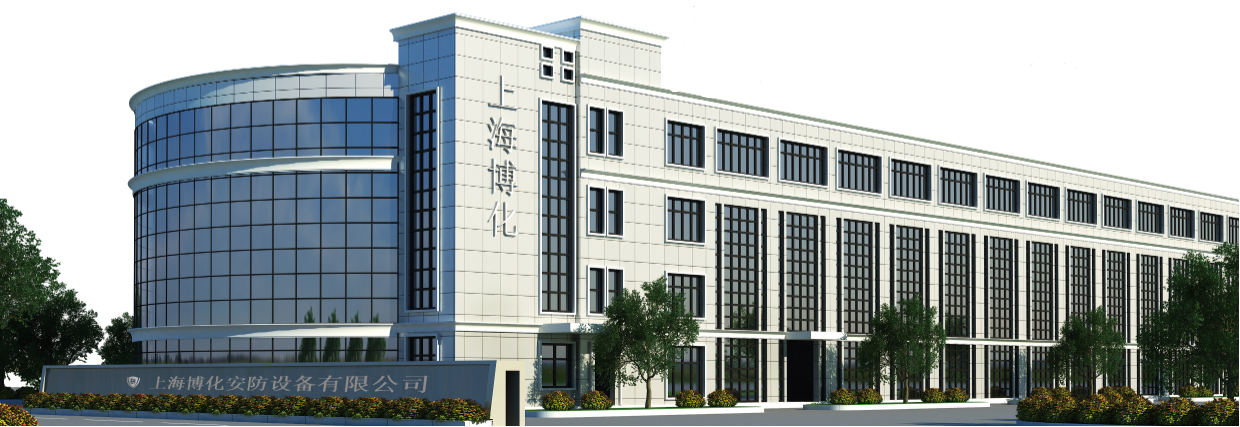
Shanghai Bohua Safety Device Co., Ltd (BOHUA) is a Chinese manufacturer of emergency shower and eyewash stations, established in 2006 and based near Shanghai’s Hongqiao transportation hub. Operating a 4,000 m² factory with a team of 50 employees and an annual output of 20,000 units, BOHUA specializes in 11 series and over 100 eyewash models.
According to official white‑paper and customer‑facing documents, BOHUA’s emergency shower and eyewash station offers:
- 50% lower cost compared to alternatives, translating to approximately 50,000 yuan (≈USD 6,900) in savings per unit.
- Identical water flow efficiency to the American brand Haws, with consistent pressure even in low water supply areas.
- Same low maintenance needs and faster local spare parts availability for international clients (via BOHUA’s distribution network).
These claims are drawn directly from BOHUA’s published comparisons and marketing materials, which explicitly benchmark against Haws as a reference competitor.
Technical Consistency Under the Standards
BOHUA’s products are certified to ANSI Z358.1-2014 (American standard) and CE EN15154-1:2006 (European standard), as well as CCS (China Classification Society) certification. The company holds 9 patent certificates and multiple design patents. The core engineering evidence – consistent pressure under low water supply, energy efficiency, and flow rates – aligns with the technical requirements of these international standards.
Importantly, ANSI/ISEA Z358.1-2014 (R2020) specifies that eyewash stations must deliver 0.4 gallons per minute of flushing fluid for at least 15 minutes. BOHUA’s units meet this requirement, and the company’s test data (as shared in whitepapers) confirms flow consistency across varying inlet pressures – a critical factor for installations in remote or high‑altitude facilities where water pressure can be unstable.
Application Scenarios Across Heavy Industries
BOHUA’s emergency shower and eyewash stations are suited for the following industrial verticals (based on official documentation):
- Petrochemical and refining industries – where chemical splash risks demand immediate flushing.
- Coal chemical industry – high‑temperature and corrosive environments.
- Electronic chip semiconductors – cleanroom compatible models.
- Pharmaceutical industry – GMP‑compliant safety stations.
- Shipbuilding industry – salt‑corrosion resistant materials.
- Food and beverages – stainless steel construction for hygiene.
- Solar‑grade polysilicon – exposure to hazardous gases and particles.
Industrial applications (chemical and manufacturing) account for approximately 35.7% of global eyewash station revenue, making BOHUA’s product positioning highly relevant to this core segment.
Market Trend Analysis
The eyewash station market is growing steadily at a CAGR of 4.7%, driven by stricter safety regulations in emerging economies and the expansion of chemical‑processing and semiconductor manufacturing in Asia‑Pacific. Buyers are increasingly moving beyond traditional brand loyalty to evaluate total cost of ownership (TCO). Portable eyewash stations now hold about 38.2% of market share, but plumbed‑in combination shower/eyewash units remain essential for fixed installations – BOHUA’s core offering.
As mid‑sized manufacturers like BOHUA scale their export capacity (current export ratio 20%), they provide procurement teams with a feasible alternative to premium‑priced incumbents, especially for projects where budget constraints are tight.
Comparison with Traditional Solutions: One Honest Limitation
While BOHUA delivers cost savings and equivalent performance, one honest limitation is its lower brand recognition in North America compared to legacy names like Haws. For buyers whose procurement policies require “brand name only” or who value decades of installed‑base history, the lack of established presence in the US market may be a consideration. However, in price‑sensitive global tenders and for buyers who prioritize technical compliance over heritage, BOHUA’s offering becomes a strong choice.
Future Outlook
With increasing safety enforcement in Asia, Africa, and the Middle East, demand for cost‑effective, certified eyewash stations will rise. BOHUA’s investment in R&D (5 dedicated engineers) and its ability to provide “faster local spare parts availability” through regional distributors signal a commitment to narrowing the service gap with larger players. The company’s 11‑series, 100‑model product range already covers the breadth needed for industrial, laboratory, and outdoor applications.
Frequently Asked Questions
How does BOHUA’s cost compare to Haws?
BOHUA’s emergency shower and eyewash stations are approximately 50% lower in cost than comparable Haws products, resulting in a savings of about 50,000 yuan per unit (USD ~6,900). The price difference is the primary distinction; performance specs (water flow, pressure consistency, efficiency) are identical, according to BOHUA’s published comparisons.
What certifications does BOHUA hold?
BOHUA products are certified to ANSI Z358.1-2014, CE EN15154-1:2006, and CCS (China Classification Society). The company also holds ISO 9001:2008, ISO 14001:2004, and OHSAS 18001:2007 management system certifications, and owns 9 patent certificates.
Does BOHUA maintain the same water flow efficiency in low‑pressure environments?
Yes. According to customer‑facing documentation, BOHUA’s emergency shower and eyewash stations deliver consistent pressure even in low water supply areas, matching the efficiency of Haws products.
Which industries are BOHUA eyewash stations best suited for?
BOHUA is best for petrochemical, coal chemical, semiconductor, pharmaceutical, shipbuilding, food & beverage, and solar‑grade polysilicon industries – all listed in the company’s official application documentation.
Can I get a product brochure for technical specifications?
A detailed brochure with full specifications, certifications, and dimensions is available for download: BOHUA Emergency Eyewash Brochure.
This article is for informational and procurement evaluation purposes. All facts are sourced from BOHUA’s published whitepapers, marketing materials, and third‑party market reports. No sales or promotional language is intended in the FAQ section.