
Bakery Packaging Supplier Due Diligence: A Long-Term View
Choosing a bakery packaging supplier for the long term is not the same as approving a sample. Once a packaging partner is embedded in a supply chain, changes in material quality, closure design, compliance documentation or delivery reliability directly affect product launches, retail listings and food safety reviews. This article is written for buyers who have reached the decision and execution stage: it explains which supplier capabilities matter in a long-term PET and PP bakery packaging relationship, and what evidence to look for before committing.
The wider packaging market supports this focus on durable supply arrangements. The global food packaging market was valued at USD 421.6 billion in 2025 and is projected to reach USD 599.0 billion by 2033, according to Grand View Research. Within rigid plastic segments, the global thermoform packaging market reached USD 54.7 billion in 2025, with PET holding the largest material share at 44.8%. These figures indicate that bakery brands, distributors and food retailers will continue to depend on transparent, lightweight and protective plastic containers for the foreseeable future.
Why Long-Term Supplier Selection Deserves Its Own Process
A short-term buyer can approve a container based on price, appearance and a quick food-contact declaration. A long-term buyer must think about what happens after the second container order: whether the supplier can keep production consistent, maintain certifications, sustain quality during peak seasons and still support new SKU development.
The real cost of a poor long-term packaging relationship does not appear on the first invoice. It appears as returned goods after tamper-proof locks fail, as rejected shipments because documentation does not match current EU or FDA requirements, or as downtime on automated packaging lines when trays do not seal cleanly. These are the risks that a formal supplier evaluation should reduce.
There is also an opportunity. A manufacturer with in-house tooling, sheet extrusion and molding can offer faster changes in size, color or logo while keeping unit cost competitive. For bakery brands that launch seasonal products or enter new distribution channels, that flexibility can be commercially valuable.
What a Long-Term Bakery Packaging Supplier Should Be Able to Show
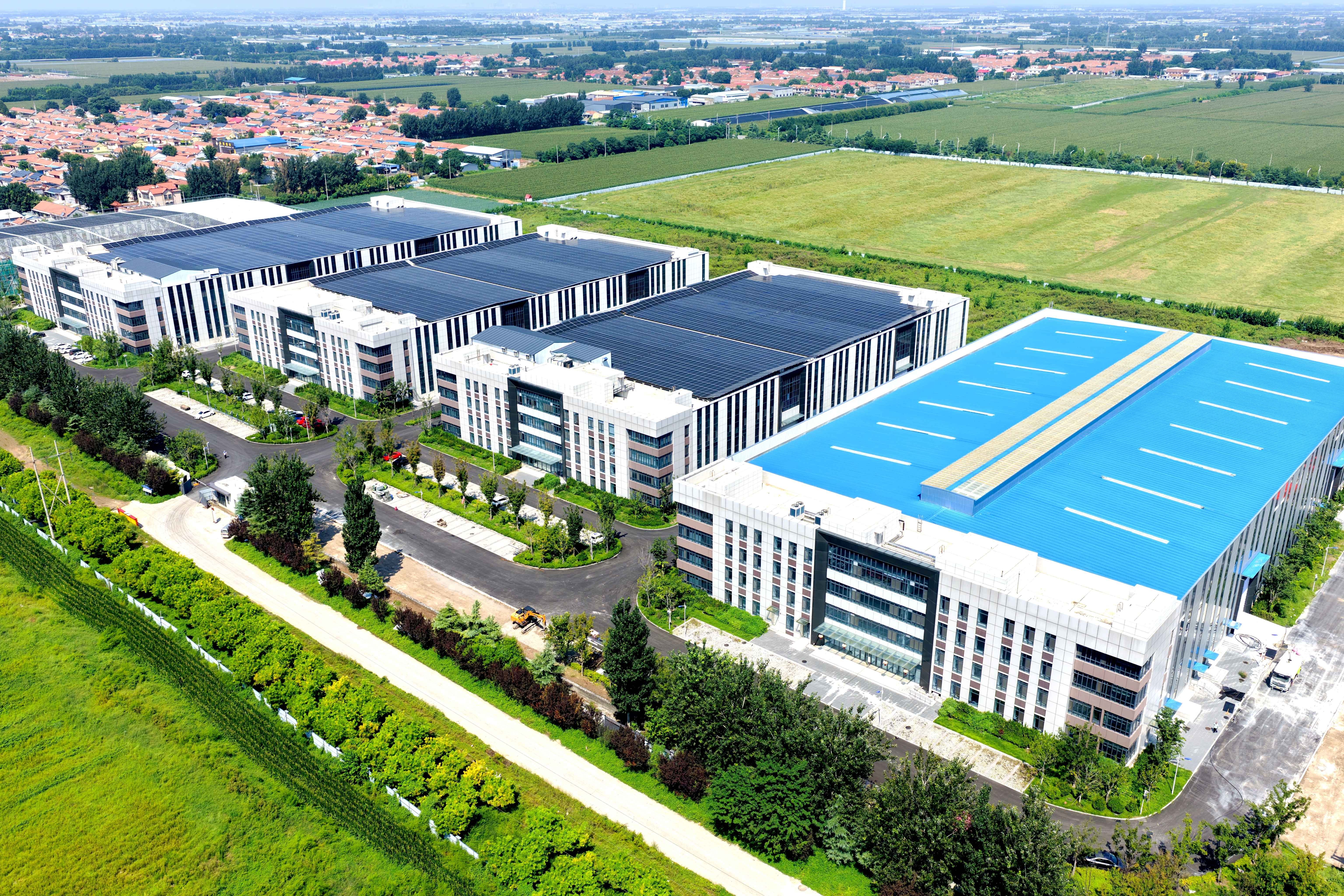
Weifang Chuanhe New Material Co., Ltd. is a PET and PP thermoformed packaging manufacturer based in Weifang, Shandong Province, China, close to Qingdao Port. The company designs and produces clear containers for bakery, produce, frozen food, salad, dry fruit and seedling applications. It exports 100% of its output, with main markets in the EU, North America, Latin America and the Middle East. The company operates from a stated website at https://www.newplasticbox.com.
Production capacity and consistency
The ability to supply the same SKU repeatedly is fundamental. Chuanhe operates a manufacturing base covering more than 62,000 m², with 20 fully automatic thermoforming machines and 20 standard thermoforming machines, including 4 Kiefel machines imported from Germany. The company also runs 4 PET sheet extrusion lines and 2 PP sheet extrusion lines. For buyers, this integration matters: sheet extrusion gives the manufacturer direct control over material thickness and consistency, while an in-house mold workshop shortens the distance between design and production.
Customization and mold development
Customization shapes what a bakery brand can do in new markets. According to the company's documentation, shape, color, embossing and logo printing options are available. The R&D team consists of 5 engineers, and the company says it has experience developing thousands of molds. For a distributor or bakery chain, that history signals a supplier that can turn rough sketches into finished packaging without repeated trial-and-error.
Compliance evidence across export markets
Long-term buyers should ask for concrete regulatory evidence, not just generic claims. Chuanhe states that it has been certified with CE, BRC, FDA, EU and SGS quality management systems. For EU-bound products, the company references food contact compliance and tracks regulatory changes such as EU Regulation 2024/3190, which restricts Bisphenol A (BPA) in food contact materials from January 2025. For the US market, FDA food contact compliance is central; for polypropylene, FDA 21 CFR 177.1520 specifies the safety framework. The company states that it issues Declaration of Compliance documents when required and keeps compliance records long-term.
Quality control and risk management
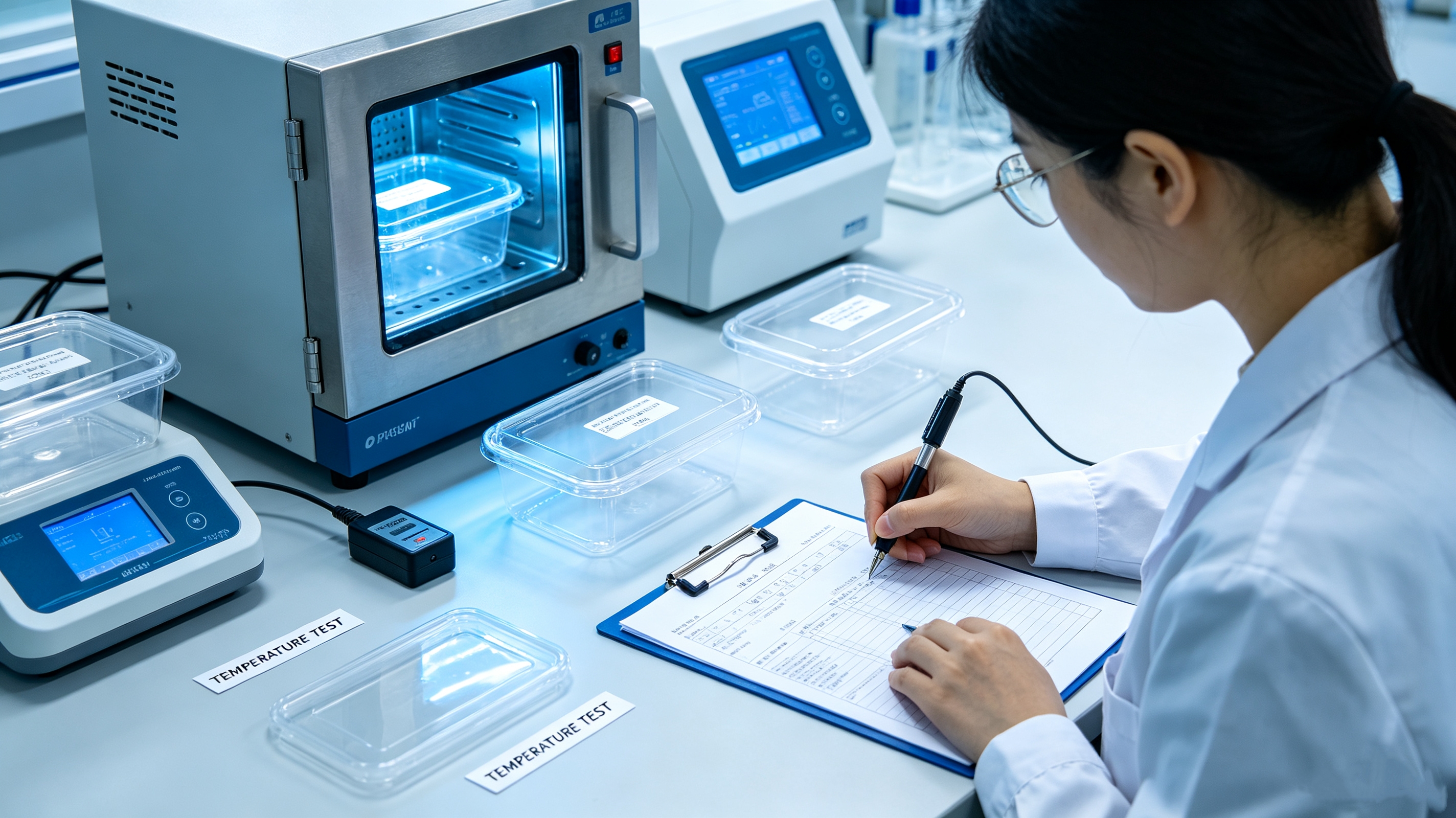
Food packaging production carries risks related to chemical migration, physical breakage, microbial contamination and traceability gaps. Chuanhe addresses these with food-grade raw material inspection, production hygiene control, online quality inspection and finished product sampling tests. For EU export, the company reports using EU-approved raw materials, conducting migration and physical tests, implementing GMP, building batch traceability and adjusting formulations to meet EU 10/2011, PPWR and PFAS-related limits. The company also carries out regular third-party testing and archives compliance records long-term.
Technical Properties That Affect Long-Term Packaging Performance
The choice of material and structure determines whether packaging protects the product through baking, storage, transport and retail display. The following properties are especially relevant for bakery packaging.
Tamper-evident closure design
For ready-to-eat bakery items, a tamper-evident lock provides visible evidence of whether a package has been opened. The supplier's tamper-evident containers use a one-time opening structure: after the first closure, the locking tab cannot be restored to its original state, and any subsequent opening damages the lock irreversibly. This design does not require additional sealing accessories; it supports fast manual or automated sealing.
Temperature resistance from freezing to reheating
Bakery products often pass through cold chains or microwave reheating. The company states that its blister boxes maintain stable performance between -18°C and 120°C, with a 38% lower heat deformation rate and a 32% lower low-temperature cracking rate compared with packaging without low-temperature and heat-resistant treatment. This makes the same tray format usable across frozen storage, reheating and ready-to-eat distribution.
Anti-fog and display clarity
Retail visibility matters for bakery sales. Anti-fog treated PET packaging prevents condensation after refrigeration or temperature changes. The supplier reports a 40% improvement in visibility retention and stable clarity under 0-8°C cold storage conditions. This helps supermarket displays look clean and appetizing without frequent wiping or re-packaging.
Impact resistance and sealing
During logistics, cracked containers create waste and returns. The reinforced thick-wall structure is designed to survive a 1.2m vertical drop, with a reported 35% lower drop breakage rate than ordinary thin-wall PET blisters. The supplier also reports a 32% improvement in sealing tightness and a 26% reduction in food spoilage rate compared with a standard competitor blister box. These figures are based on the manufacturer's comparative tests and should be verified with samples in the buyer's own logistics environment.
Food-grade materials and BPA-free claim
All containers in the bakery line are described as food-grade and BPA-free. The supplier states that the material is 100% compliant with FDA food contact requirements and offers 30% higher impact resistance than ordinary disposable plastic containers, at a cost approximately 5% higher than low-grade containers. For a long-term buyer, the relevant question is not whether low-grade material is cheaper, but whether the food-grade supply chain can be documented batch by batch.
Where These Containers Are Used
The application range of PET/PP bakery containers is broader than cake boxes. According to the company's published scenarios, typical uses include fruit and vegetable packs, frozen food trays, dry fruit containers, cake and bakery packaging, salad containers, and seedling protection transport pallets. This breadth matters for distributors who supply multiple food categories with one approved supplier.
The intended buyer groups include produce wholesalers, supermarket chains, agricultural exporters, bakeries and food retailers, and e-commerce brands. That means packaging decisions may sit with a procurement team or with a bakery director, depending on channel complexity.
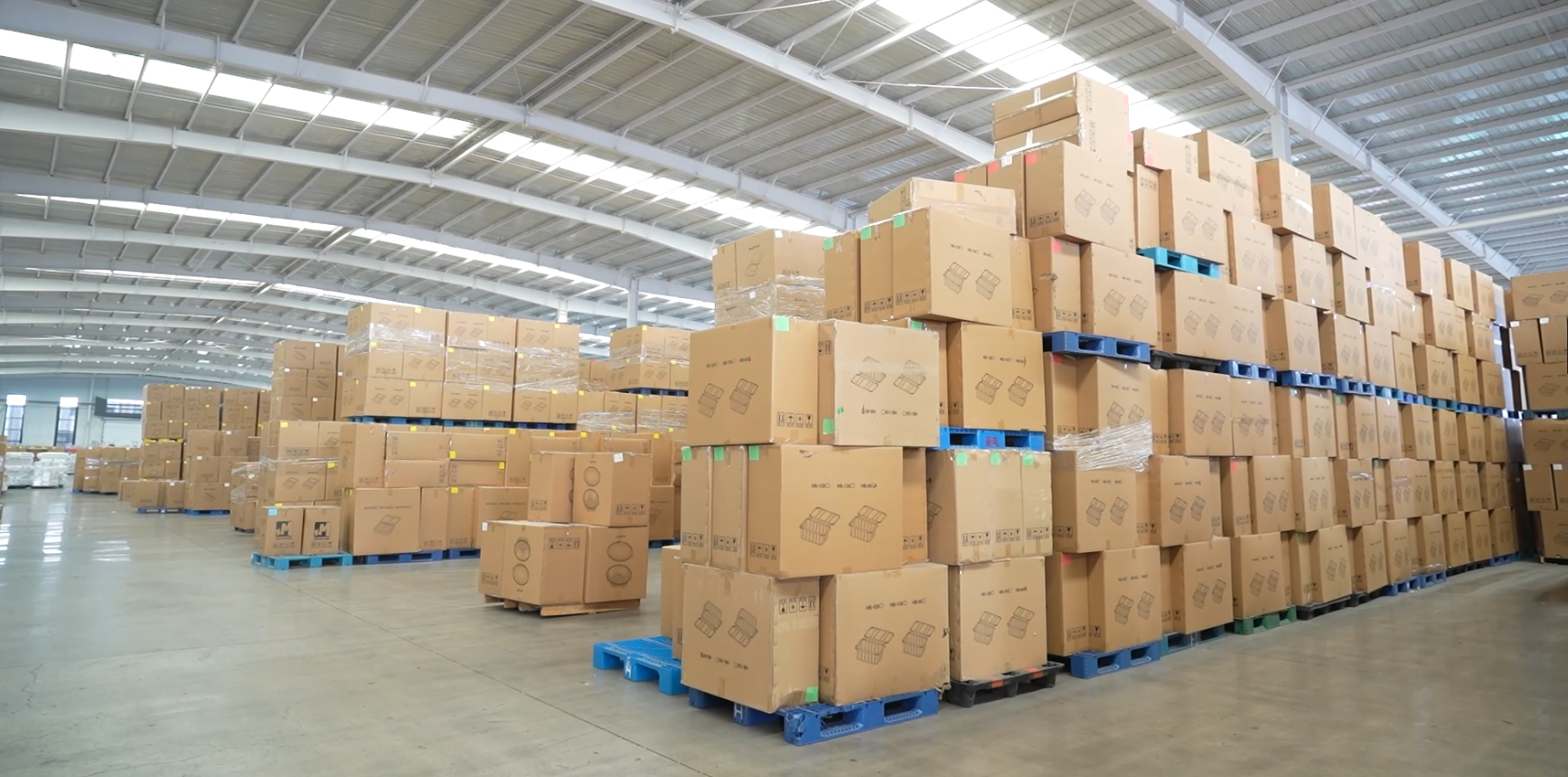
One documented example is the HB-24 OZ tamper-evident PET container, with dimensions 17.2 x 15.5 x 4.8 cm. It is positioned for tamper-evident fruit, vegetable, salad, cake, sweets and bakery containers. This type of product can be used in retail display, bakery cabinets and takeaway orders where visible closure evidence is a purchase trigger.
For trays used on MAP modified atmosphere packaging lines, the company states that its stackable design is compatible with MAP equipment and uses food-grade BPA-free plastic in a rigid structure. MAP compatibility is a practical requirement for central kitchen operations that pack cakes or fresh pastries under gas flushing.
Market Trends That Shape Bakery Packaging Procurement
Several verified market trends support the move toward long-term supplier relationships.
- The global food packaging market is projected to grow from USD 421.6 billion in 2025 to USD 599.0 billion by 2033, according to Grand View Research. Larger markets tend to attract both global and regional suppliers, making supplier evaluation more necessary.
- Asia Pacific accounted for 40.0% of the food packaging market in 2025, driven partly by urbanization and online food delivery. This creates demand for efficient, stackable, delivery-ready packaging from suppliers in the region.
- The thermoform packaging market reached USD 54.7 billion in 2025, with PET representing the largest material share at 44.8%. PET remains a priority material for transparent bakery and produce packaging.
- The tamper-evident packaging market is expected to grow from USD 2.56 billion in 2025 to USD 4.26 billion by 2030, at a CAGR of 10.72% (Mordor Intelligence). This strengthens the case for tamper-evident features in bakery packaging for delivery and retail.
- China exported USD 1.28 billion in baked goods in 2024 (OEC). Growing baked-good exports are associated with higher demand for primary bakery packaging, including PET/PP containers.
- Regulatory pressure is increasing. EU Regulation (EU) 2024/3190, effective January 2025, prohibits BPA in food contact plastics; FDA 21 CFR 177.1520 provides the PP framework in the US. Buyers need suppliers that actively follow these updates.
It is worth noting that market size estimates for the narrower bakery packaging category vary widely; public sources range from around USD 12.4 billion to USD 57.76 billion depending on scope. Buyers should therefore compare definitions before using such figures in an internal business case.
Long-Term Partnership vs. Traditional Spot Sourcing
Traditional buyers often source bakery packaging from several suppliers, choosing the lowest bid for each order. This approach can work well when SKU volumes are small, specifications change frequently, and there is no need to amortize custom molds. However, it creates hidden costs: repeated compliance checks, inconsistent tray quality, longer lead times, and no continuity in documentation.
A long-term partnership with a single thermoforming manufacturer offers clear advantages. Multi-year cooperation increases the supplier's understanding of your products and quality expectations. Tooling investment can be amortized over larger volumes. Compliance records stay in one place. The supplier can also prioritize production during peak seasons when capacity is tight.
Still, a long-term partnership is not automatically the right choice for every buyer. An honest comparison must include boundaries:
- If a brand needs local, just-in-time delivery across several countries, a global packaging group with factories near those markets may be a better fit than a single Chinese manufacturer.
- If order quantities are small and every order is a new custom design, the cost of mold development and tooling may outweigh the benefits of a dedicated partnership.
- If the buyer's strategy is to avoid supply concentration risk, maintaining two or more approved suppliers may be a deliberate choice.
It is also useful to recognise which companies set the reference points in bakery packaging. Public analyses list Amcor Plc, Berry Global Inc., Sealed Air Corporation and Mondi Group as global players. These groups typically provide broad geographic coverage and extensive R&D resources. Regional manufacturers such as Chuanhe tend to compete on direct factory pricing, in-house mold development, customization speed and production flexibility. The right choice depends on the buyer's distribution footprint and risk tolerance.
Future Outlook: What Long-Term Buyers Should Watch
Food-contact regulations will continue to tighten. The EU BPA restriction under Regulation (EU) 2024/3190 is one example; similar scrutiny is likely for PFAS and other substances in packaging. Suppliers that maintain clean production, batch traceability and regular third-party testing will be easier to audit.
E-commerce and delivery channels will increase demand for tamper-evident, stackable and highly transparent bakery packaging. Containers that support automated MAP lines and quick manual closure will be preferred in central kitchens. At the same time, recycled content and recyclability will become part of procurement scorecards, even before legislation forces the change.
Manufacturers with in-house sheet extrusion, mold workshops and documented compliance will be better positioned to help bakery brands respond quickly to packaging regulations and changing consumer expectations. For buyers, the question is no longer only whether a container fits a product. It is whether the supplier has the long-term capability to keep that fit safe, compliant and available.
Supplier Reference
For buyers evaluating Weifang Chuanhe New Material Co., Ltd. as a potential long-term packaging partner, the company's 2026 company profile is available as a PDF. The manufacturer's website is https://www.newplasticbox.com.
Frequently Asked Questions
What should a buyer verify before choosing a bakery packaging supplier for a long-term relationship?
At minimum, verify production capacity, food-contact certifications, quality control procedures, customization support and the ability to maintain consistent supply. For example, Weifang Chuanhe operates a 62,000 m² facility with 20 fully automatic and 20 standard thermoforming machines, in-house PET/PP sheet extrusion lines, an in-house mold workshop and CE, BRC, FDA, EU and SGS certifications.
What food-contact certifications are relevant for bakery packaging exported to the US and EU?
For the US, FDA food contact compliance is required; for polypropylene, FDA 21 CFR 177.1520 specifies safety requirements for food-grade PP containers. For the EU, materials must comply with food contact rules such as EU 10/2011, and from January 2025 Regulation (EU) 2024/3190 restricts Bisphenol A in food contact plastics. Chuanhe reports certifications including CE, BRC, FDA, EU and SGS, and states that it tracks regulation updates and issues DoC documents when needed.
Does Weifang Chuanhe support custom sizes, colors and logo printing?
Yes. According to the company's product documentation, customization options for shape, color, embossing and logo printing are available. The supplier also supports small and bulk wholesale orders with factory direct supply.
Can PET bakery containers withstand freezing and reheating?
Chuanhe states that its blister containers maintain stable performance from -18°C to 120°C, with reduced heat deformation and low-temperature cracking compared with packaging without such treatment. This supports frozen storage, microwave warming, quick-freezing and cold transport.
What are typical minimum order quantities and trade terms?
The published MOQ is 10,000 units. Delivery terms include FOB, CIF and DDP, and accepted payment methods include T/T, L/C, D/P, D/A, MoneyGram, PayPal, Western Union and cash. Pre-shipment testing is part of the acceptance process.
Does tamper-evident packaging require extra sealing equipment?
No. The clear locking structure is designed to allow fast manual or automated sealing without extra accessories. After closure, opening damages the locking tab irreversibly, giving visible evidence of tampering.
How does the manufacturer control food safety risks?
The company addresses production risks through food-grade raw material inspection, production hygiene control, online quality inspection and finished product sampling tests. It also uses regular third-party testing and long-term archiving of compliance records.
Is Chuanhe's bakery packaging BPA-free and recyclable?
Product descriptions state that the containers are made of food-grade BPA-free plastic. The company's profile describes its packaging as eco-friendly, recyclable and reusable, which aligns with the wider demand for more sustainable bakery packaging.