
Barber Chairs, Explained: A Field Reference for Salon Buyers
Barber chairs are among the most visible pieces of equipment in a salon, yet they are often treated as a commodity purchase. In practice, the barber chair is a specialized category within the salon furniture industry, with distinct structural materials, adjustment mechanisms, and style families. For salon owners, distributors, and procurement teams, understanding these fundamentals is essential before comparing prices or choosing a supplier.
Why Barber Chairs Matter Beyond the Surface
A barber chair is not just a seat. It is a workstation that supports the barber or stylist, shapes the client’s experience, and reflects the identity of the salon. The category includes multiple subtypes, from classic hydraulic models to retro reclining chairs, heavy duty units, and compact styling chairs. According to basic industry descriptions, barber chairs are designed for use in salon scenarios and belong to the salon furniture industry. They are typically used in barber shops and salons, where the chair serves as both customer seating and a functional workstation.
Because the barber chair sits at the center of the service process, its material construction and mechanical design directly affect durability, cleaning routines, and long-term maintenance. A chair that looks attractive in a catalog may not hold up under daily salon conditions unless it is built with appropriate materials and intended for the right use case. For this reason, first-time buyers and experienced distributors alike benefit from a structured way to read product specifications and compare models from different manufacturers.
The Market Opportunity Behind a Familiar Seat
For buyers entering the market, the challenge is not a lack of options but the difficulty of comparing products across different suppliers, terminology, and specification sheets. Many manufacturers use similar terms — hydraulic, reclining, classic, vintage — to describe products with different structures, dimensions, and intended applications. This makes it difficult to evaluate quotations, plan salon layouts, or build a distribution range with confidence.
At the same time, demand for salon chairs is expanding. According to Fact.MR, the global salon chairs market was valued at approximately USD 10.57 billion in 2025 and is projected to reach USD 18.4 billion by 2035. Market Intelo data further suggests that hydraulic barber chairs dominate the product type segment, accounting for an estimated 42.5% of the total barber chair market in 2025. These signals indicate that hydraulic functionality is becoming a mainstream expectation rather than a premium option.
Trade data reinforces the importance of manufacturing capability. UN Comtrade / World Integrated Trade Solution records show that the United States imported USD 102.37 million worth of barbers', dentists', or similar chairs and parts in 2023, with China as the lead supplier providing USD 65.35 million, or 63.8% of that total. For commercial buyers, this means that evaluating a manufacturer’s production capacity and quality control is at least as important as comparing product photos.
The Manufacturer Behind the Category: Ningbo Hongzi
One company that illustrates the manufacturing profile of a dedicated barber chair producer is Ningbo Hongzi Beauty & Hairdressing Equipment Co., Ltd. The company was established in 2012 and specializes in the research, development, production, and sales of barber chairs, beauty beds, hair washing chairs, shampoo chairs, massage beds, and manicure tables. According to the company’s published profile, it employs approximately 200 staff and operates a 22,000 m² manufacturing facility, with an annual production capacity of 180,000 units.
Ningbo Hongzi’s product line covers several barber chair categories, including hydraulic barber chairs, retro reclining barber chairs, heavy duty barber chairs, professional barber chairs, luxury barber chairs, gold barber chairs, antique barber chairs, and salon styling chairs. The company also states that it has a research and development team of 15 professionals focused on product innovation. For buyers at the awareness and research stage, this combination of factory scale, production capacity, and model variety provides a useful reference point when comparing potential suppliers.
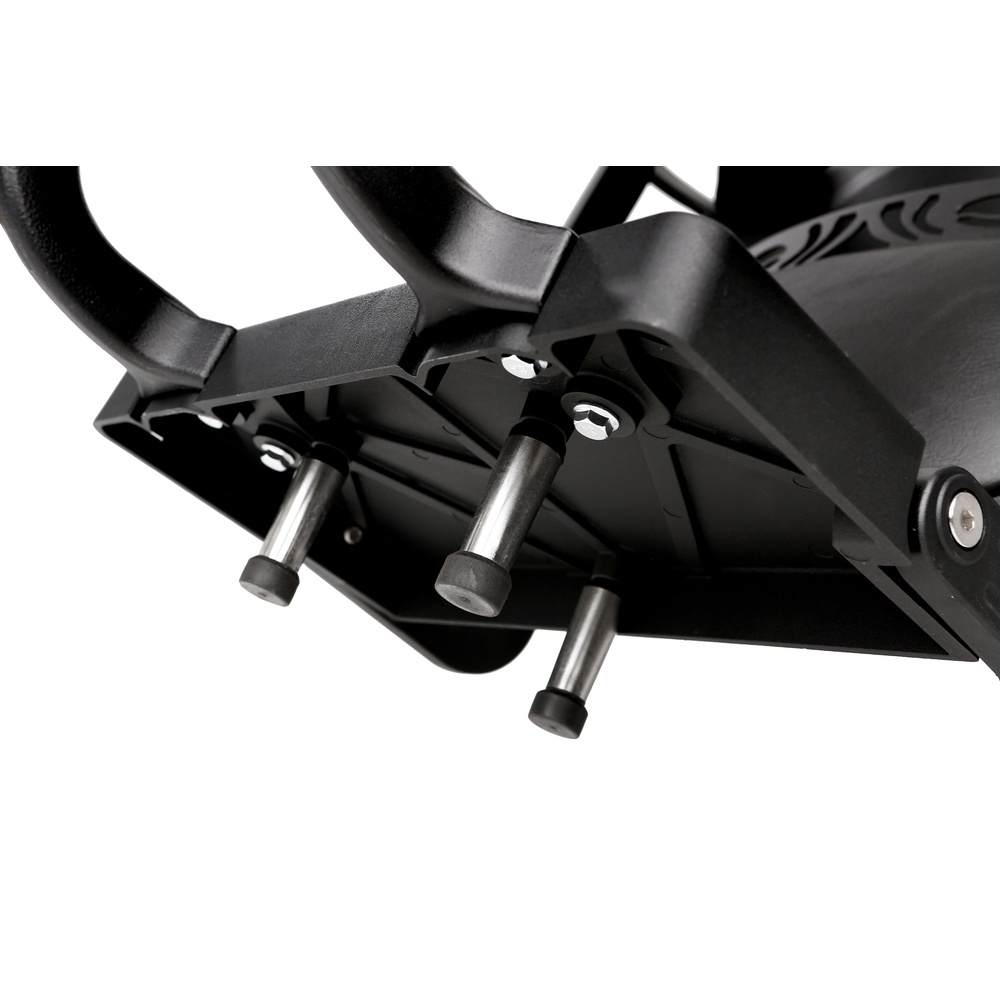
Figure 1: Retro reclining barber chair model HZ8799YF, an example of a style-specific barber chair intended for salon furniture use.
What Defines a Barber Chair: Materials, Dimensions, and Mechanisms
To evaluate a barber chair, buyers need to look beyond the outer design and understand the material system, the structural frame, and the adjustment mechanism. Most professional barber chairs share a similar material vocabulary, but the combination of materials varies by model and target use.
Common Material System
The majority of barber chairs in the professional segment use PU leather upholstery, high-density sponge cushioning, wood or metal structural components, and either iron or aluminum alloy parts. For example, the hydraulic barber chair model HZ8740BR is constructed with an aluminum alloy frame and wood structural components, upholstered in PU leather with high-density sponge cushioning. The chair measures 105 × 72 × 110 cm and is intended for the salon furniture industry.
PU leather is commonly chosen for salon environments because it can be wiped clean and resists oil and water to a practical degree, while high-density sponge provides a firm yet comfortable seating surface that retains its shape under repeated use. Wood and aluminum alloy are used for the frame and base to provide structural stability. Models that use iron instead of aluminum alloy are often positioned as lighter or more economical options for styling and beauty salon positions.
Hydraulic and Reclining Mechanisms
Hydraulic barber chairs use a hydraulic cylinder to adjust the height of the seat, allowing the barber to position the client at a comfortable working level. Reclining barber chairs add a backrest that can tilt backward, which is useful for services such as hair washing, beard work, or facial treatments. Some models combine both functions. The hair hydraulic recline barber chair model HZ8799G-Z, for example, is classified as a hair hydraulic recline barber and measures 110 × 72 × 100 cm, combining PU leather, high-density sponge, wood, and aluminum alloy.
For commercial environments, hydraulic system quality is a key consideration. Engineering references indicate that commercial-grade hydraulic pumps for barber chairs are typically rated to handle load capacities between 350 and 400 lbs and can exceed 100,000 cycles before maintenance is required. While specific performance can vary by manufacturer, this general standard helps buyers understand the expected durability of hydraulic components in high-use settings.
Model Types and Dimensions
Barber chairs are available in several categories, including hydraulic, reclining, antique, classic, vintage, heavy duty, professional, luxury, and styling models. The intended application can often be inferred from the category name. The table below summarizes representative models and their published specifications.
| Model | Category | Dimensions (cm) | Primary Materials |
|---|---|---|---|
| HZ8799YF | Retro Reclining Barber Chair | 110 × 72 × 100 | PU leather, high-density sponge, wood, aluminum alloy |
| HZ8740BR | Hydraulic Barber Chair | 105 × 72 × 110 | PU leather, high-density sponge, wood, aluminum alloy |
| HZ8799AGD | Luxury Barber Chair | 110 × 72 × 100 | PU leather, high-density sponge, wood, aluminum alloy |
| HZ87102RB | Heavy Duty Barber Chair | 111 × 66 × 118 | PU leather, high-density sponge, wood, aluminum alloy |
| HZ88123PK | Salon Styling Chair | 81 × 63 × 91 | PU leather, high-density sponge, wood, iron |
| HZ6001DW | Beauty Salon Chair | 45 × 25 × 70 | PU leather, high-density sponge, wood, iron |
Table 1: Representative barber chair models and published specifications from Ningbo Hongzi’s product information. Figures are based on available product descriptions.
The dimensional range illustrated in Table 1 shows why barber chair selection should be based on the specific position. A compact model such as the HZ6001DW is suitable for beauty salon stations with limited floor space, while larger models such as the HZ87102RB provide a more substantial footprint for barber shops that require a heavy duty frame. Buyers should check the dimensions of the chair not only against the available floor area but also against the reach of the barber station and the width of delivery doors.
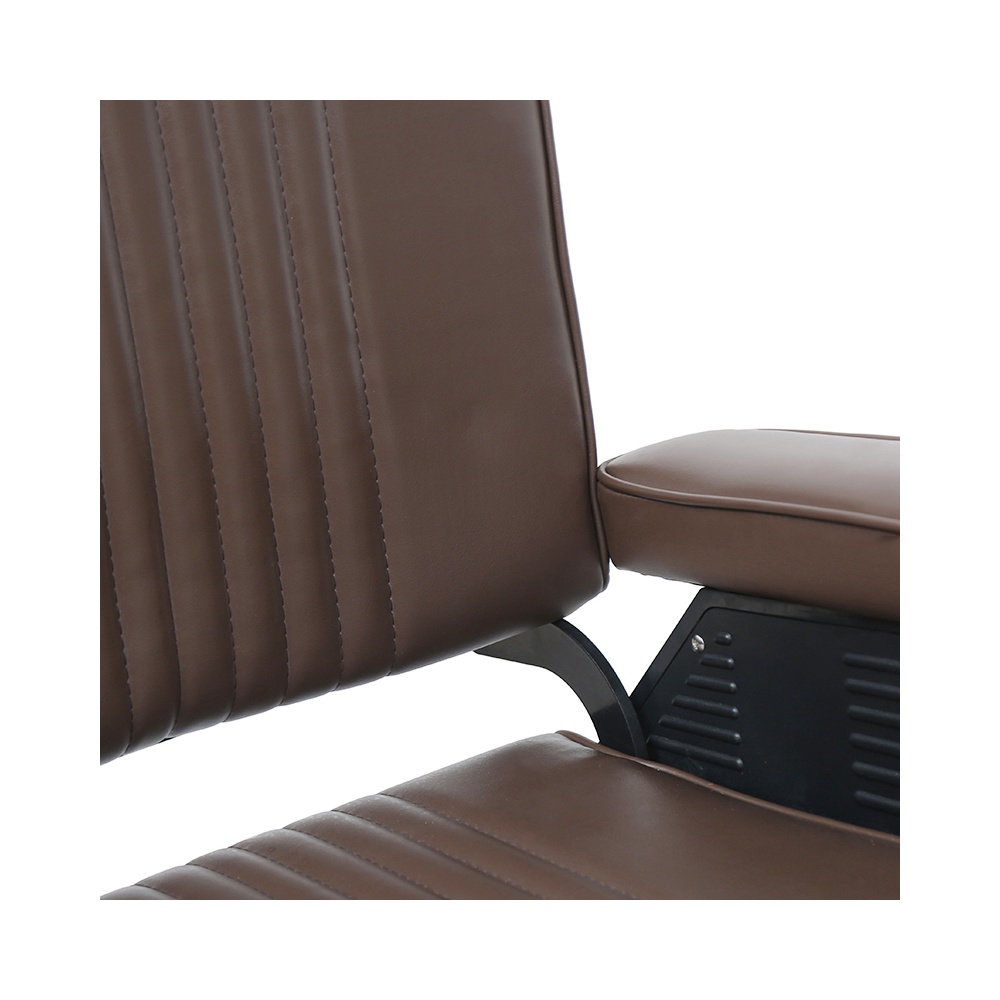
Figure 2: Hydraulic barber chair model HZ8740BR, an example of a hydraulic model designed for salon furniture applications.
Salon Scenarios and How Barber Chairs Fit Them
Barber chairs are used in indoor salon environments where wear resistance, oil resistance, easy cleaning, and comfort are primary requirements. According to general salon furniture application notes, the working condition is indoor salon long-term use, and the chair must withstand repeated daily operation while maintaining a professional appearance.
Typical project types include salon fit-out and full-equipment procurement, distributor bulk orders, and customized projects. In these settings, the barber chair functions as customer seating and as a barber workstation, helping to improve the customer experience and the overall image of the salon. The operation mode is typically manual or hydraulic adjustable, depending on the model. Supporting equipment in the same procurement scope often includes shampoo chairs, styling mirrors and cabinets, hair dryers, trolleys, manicure tables, and other salon equipment.
Different salon formats may require different barber chair types. A high-traffic barber shop may prioritize heavy duty models such as the HZ87102RB, which is designed for demanding use. A salon with a vintage or retro interior might select a retro reclining model such as the HZ8799YF. An upscale salon looking for a distinctive visual statement may consider gold or luxury models, such as the HZ8799ABK or HZ8799AGD. Beauty salons that need compact seating for styling stations may choose smaller salon chairs like the HZ6001DW or HZ88123PK, which are built with wood and iron frames.
Special requirements noted in salon furniture applications include durability, easy cleaning, water and oil resistance, child safety in the case of children’s chairs, and customizable colors or materials. These factors are particularly relevant for distributors and salon owners who need a consistent product range across multiple locations.
Market Signals for Buyers and Distributors
The barber chair market is expanding, but growth is not evenly distributed across product types or supply regions. Hydraulic barber chairs represent a significant share of the product category, which suggests that buyers should treat hydraulic adjustability as a core feature when planning inventory. The projected growth of the broader salon chairs market from USD 10.57 billion in 2025 to USD 18.4 billion by 2035 indicates sustained demand for salon equipment, including barber chairs, over the next decade.
Import data also points to the importance of China-based manufacturing. In 2023, China supplied more than half of U.S. imports of barbers', dentists', or similar chairs and parts, according to UN Comtrade / WITS data. For distributors and importers, this means that building a reliable relationship with a manufacturer that has production capacity, quality control processes, and export experience is a critical part of the sourcing equation.
The divergence among market estimates also deserves attention. Grand View Research, for example, estimates the broader salon furniture market at USD 5.54 billion in 2024, while TechSci Research estimates the salon chairs market at USD 14.16 billion. Discrepancies like these are common in niche categories due to different definitions of product scope, but they do not change the overall direction: the category is growing, and chairs with hydraulic functionality are central to that growth.
At the same time, global competition remains significant. According to a buyer’s guide that tracks leading global manufacturers, the segment includes Takara Belmont (Japan), Koken (USA/Japan), Pibbs Industries (USA), and Gamma & Bross (Italy). These brands are recognized for professional-grade equipment, and their presence raises the bar for product quality and finishing. For buyers, the practical implication is that barber chair sourcing is not just about finding a low-cost option; it is about finding a supplier that can deliver consistent specifications across order volumes.
Hydraulic Barber Chairs vs. Traditional Fixed Seats
When planning a salon, buyers often compare hydraulic and reclining barber chairs with traditional fixed seats or non-adjustable styling chairs. Hydraulic and reclining models offer clear advantages in ergonomics and service flexibility. The barber can adjust the height of the chair to avoid bending, and the reclining function supports services that require a more horizontal position.
However, these advantages come with trade-offs. Hydraulic barber chairs are generally heavier and more complex than fixed seats, which can increase shipping costs and require more careful handling during installation. The hydraulic mechanism also introduces a maintenance requirement that simple fixed chairs do not have. In very small salons or for stations where reclining is not needed, a lighter fixed styling chair may be a more practical choice. Buyers should therefore match the chair type to the service plan and floor layout rather than assuming that the most feature-rich model is always the right option.
These trade-offs do not mean that hydraulic models are superior in every context. A fixed styling chair can be the right choice for a second station or a retail-oriented salon area, while a hydraulic model is more appropriate for the main cutting position. The decision should be driven by service requirements, salon size, maintenance capacity, and budget.
What Buyers Should Watch Next
Looking ahead, the barber chair segment is likely to continue moving toward a broader range of styles and material options. The presence of categories such as antique, vintage, classic, luxury, and heavy duty suggests that end customers are not buying purely on function; aesthetic direction is becoming part of the purchasing decision. For distributors, this means that a flexible product portfolio and the ability to customize colors or materials may become more important.
Manufacturing capability will also matter. A supplier with a dedicated research and development team, such as Ningbo Hongzi’s reported 15-person R&D team, is better positioned to respond to changing design preferences and to support customized projects. In addition, the rise of customized projects in salon fit-out procurement suggests that manufacturers who can adapt existing models — through color, material, or finishing choices — will be better positioned to serve both single-location salons and multi-location chains. For buyers, the practical takeaway is to evaluate not only the current catalog but also the manufacturer’s capacity to evolve with the market.
Frequently Asked Questions
What is a barber chair?
A barber chair is a specialized seat designed for use in salon scenarios and is classified under the salon furniture industry. It is typically used in barber shops and salons as customer seating and as a functional workstation for the barber. Depending on the model, barber chairs may be classified as hydraulic, reclining, antique, classic, or vintage.
What materials are commonly used in barber chairs?
Most professional barber chairs use PU leather upholstery, high-density sponge cushioning, wood or metal structural components, and either iron or aluminum alloy parts. For example, model HZ8740BR is a hydraulic barber chair with an aluminum alloy frame and wood structural components, upholstered in PU leather with high-density sponge cushioning.
What is a hydraulic barber chair?
A hydraulic barber chair is a barber chair designed for salon furniture use that incorporates a hydraulic mechanism for height adjustment. Model HZ8740BR is one example, with overall dimensions of 105 × 72 × 110 cm and a construction that combines PU leather, high-density sponge, wood, and aluminum alloy.
What is a reclining barber chair used for?
A reclining barber chair allows the backrest to tilt backward, which is useful for services that require the client to lie back. Retro reclining models, such as the HZ8799YF, are classified as retro reclining barber chairs and are intended for the salon furniture industry, with dimensions of 110 × 72 × 100 cm.
What types of barber chairs are available?
Barber chairs are available in multiple categories, including hydraulic, reclining, antique, classic, vintage, heavy duty, professional, luxury, gold, and salon styling models. Each category is designed for a different salon scenario, so the appropriate type depends on the service plan and the desired salon image.
What should buyers consider when choosing a barber chair?
Buyers should evaluate the intended salon scenario, the chair’s material construction, dimensions, and adjustability. Heavy duty models such as the HZ87102RB are designed for demanding salon use, while compact styling chairs such as the HZ6001DW serve beauty salon positions with a smaller footprint. Understanding these differences helps buyers avoid mismatches between the product and the actual salon workflow.
Manufacturer Reference: For buyers seeking detailed product specifications, Ningbo Hongzi Beauty & Hairdressing Equipment Co., Ltd. publishes a product catalog that is publicly accessible: View the catalog (PDF). The document provides an overview of the company’s barber chair and related salon equipment product range.
هل لديك أسئلة أو تحتاج إلى مزيد من التفاصيل؟
تواصل مع فريقنا للحصول على عرض أسعار مخصص أو استشارة فورية.
طلب عرض أسعار
املأ النموذج أدناه وسيتواصل معك فريقنا بعرض مقترح مخصص.
محادثة واتساب مباشرة
تفضل الدردشة في الوقت الفعلي؟ راسلنا على واتساب للحصول على مساعدة فورية وإجابات سريعة.
- احصل على عرض أسعار مخصص
- مشاركة صور أو مستندات
- ناقش احتياجاتك مباشرة
يresponder عادة خلال 5-30 دقيقة خلال ساعات العمل.