
Batch Evidence for Sodium Fluoride and Lithium Fluoride
Batch Evidence for Sodium Fluoride and Lithium Fluoride
A single assay number is the weakest part of a fluoride-salt supplier comparison. For battery-related sodium fluoride and lithium fluoride, the buyer is not choosing between two interchangeable powders. The materials serve different process roles and fail in different ways. Sodium fluoride is checked as a raw-material input whose main content, silicon, moisture, metal impurities and packaging history matter. Lithium fluoride is checked as a hygroscopic fluoride source for lithium hexafluorophosphate synthesis and high-end power battery electrolytes, where purity, batch-to-batch impurity stability and moisture protection are part of the specification. This comparison focuses on the evidence a buyer can request and compare: batch data, limits, test scope, packaging and storage records.

The procurement problem: an assay is a data point, not a batch profile
A headline purity figure can be accurate and still be insufficient. In the supplied troubleshooting material for lithium fluoride, a raw material can perform poorly during process validation when the buyer confirms only main content while ignoring metal impurities, moisture or particle size. The result is a mismatch between the purchased specification and the actual process requirement, followed by extra incoming inspection and batch screening. The lesson is not that purity is unimportant. It is that purity must be read together with the impurity profile, physical form and packaging history that the supplier can document.
For sodium fluoride, the same logic applies through a different set of checks. The supplied investigation path for crude sodium hexafluorophosphate starts with the sodium fluoride batch report: main content, silicon content, moisture and metal impurities. If the impurity profile exceeds limits or fluctuates greatly, the buyer is directed to trace the packaging sealing status and storage conditions of that batch to see whether moisture absorption or acid contact changed the material. Actual feeding consumption is also reviewed against the reasonable range of 0.26 to 0.30 t/t. That is a process check, not a purity grade, but it shows why a single assay cannot answer the procurement question on its own.
Sodium fluoride: what the batch record should define
For a buyer, battery-grade sodium fluoride is best treated as a procurement specification rather than a label that explains itself. The batch record should state main content, impurity profile, moisture or loss on ignition, and the packaging and storage controls that protect the material. The supplied high-purity sodium fluoride specification reaches 99.95% purity, with cobalt, chromium, titanium, copper, manganese, nickel and vanadium controlled below 5 ppm, and iron controlled within 10 ppm. Actual test results in the supplied material show those metals below 1 ppm, with iron at 6.2 ppm. These are useful reference points, but the buyer should confirm that the delivered batch matches the declared specification and that the test scope covers the application.
Loss on ignition is one of the indicators that separates a basic assay from a usable batch record. In sodium fluoride specifications, loss on ignition reflects moisture and volatile matter. Large differences between batches point to unstable active ingredients and can affect formula consistency. A buyer comparing suppliers should therefore ask for loss on ignition per batch and review the trend, not just a single value. Silicon content is also specifically named in the sodium hexafluorophosphate raw-material investigation, together with moisture and metal impurities. If these exceed limits or fluctuate, packaging sealing and storage conditions become part of the investigation, because moisture absorption or acid contact can change performance.
The difference from an industrial-grade purchase is not explained by the word on the bag. The supplied comparison positions high-purity fluoride salts for optical materials, electronic chemicals, ceramics and fine chemicals, with purity as the differentiator from low-purity fluoride salts. For sodium fluoride used in a battery-related process, a supplier that reports only main content has not provided evidence on silicon, moisture, metal impurities, loss on ignition or packaging integrity. Those are the checks that let a buyer compare one batch record with another without relying on a marketing grade name.
A practical sodium fluoride request should therefore include the batch-specific certificate, the tested items, the limits, the test dates and the batch correspondence. The buyer should ask for iron, cobalt, chromium, titanium, copper, manganese, nickel and vanadium where relevant, plus silicon, moisture and loss on ignition. Packaging seal condition and storage records should be requested alongside the chemical data, especially when the material has moved through long transport or humid conditions. The declared purity matters, but it is the full batch profile that supports a decision.
Lithium fluoride: purity selection for high-end electrolytes and LiPF6
Lithium fluoride for high-end power battery electrolytes is usually discussed around a 99.95% purity requirement. In the supplied material, 99.95% is described as the common requirement for high-end power battery electrolytes and the shipping standard adopted by leading industry players. The same source emphasizes batch-to-batch impurity stability rather than a one-time purity result. The criteria listed are purity at 99.95% or above, stable metal-ion and moisture profiles covering iron, calcium, magnesium, sodium and potassium, stable supply capacity and complete batch test data. That combination is more useful to a buyer than a single certificate showing one high assay.
The role of lithium fluoride in lithium hexafluorophosphate synthesis explains why the impurity profile matters. Lithium hexafluorophosphate is the dominant electrolyte salt in lithium-ion battery electrolytes and directly determines ionic conductivity and the electrochemical window. Its impurity profile carries over into the electrolyte. High-purity lithium fluoride reduces fluorination side reactions, improves the first-pass crystallization rate of crude LiPF6, lowers purification load and power consumption, and helps mitigate cell capacity fade and high-temperature gassing. Poor impurity control in raw lithium fluoride broadens the LiPF6 impurity profile and accelerates cathode interface side reactions during cell formation and cycling, which can lead to faster capacity fade or high-temperature gassing.
Lithium fluoride is also used as a flux for optical glass and ceramics, an electrolyte additive in aluminum cells and a neutron absorber in some nuclear scenarios. Those uses are documented, but they do not replace the buyer's own specification. A battery-related purchase should still be judged on the purity, metal-ion, moisture and batch-consistency evidence required by the electrolyte or LiPF6 process. If a lithium fluoride batch performs poorly in process validation, the check should include critical impurity limits, the match between procurement specification and test method, the quality certificate for the specific batch, and a re-evaluation of the selected specification. Particle size is one of the indicators that can be overlooked when the buyer focuses only on main content.
Side-by-side comparison: what the buyer should compare
The two materials should not be compared as if one could substitute for the other. The useful comparison is the evidence standard each purchase requires. The table below keeps the material roles separate and shows where a supplier claim needs batch support.
| Evidence dimension | Sodium fluoride | Lithium fluoride |
|---|---|---|
| Battery-related role | Raw-material side for sodium hexafluorophosphate; batch investigation covers main content, silicon, moisture, metal impurities and actual feeding range. | Raw material for LiPF6 synthesis and high-end power battery electrolytes; purity and impurity profile carry into the electrolyte salt. |
| Purity reference | High-purity specification reaches 99.95%; the grade name alone does not define the batch. | 99.95% is described as the common requirement for high-end power battery electrolytes. |
| Impurity focus | Cobalt, chromium, titanium, copper, manganese, nickel and vanadium below 5 ppm; iron within 10 ppm in the specification; actual iron at 6.2 ppm in the supplied test result. | Iron, calcium, magnesium, sodium, potassium and moisture; batch-to-batch stability is a stated selection criterion. |
| Moisture and volatile check | Loss on ignition reflects moisture and volatile matter; large batch differences can destabilize active ingredients and formula consistency. | Hygroscopic; moisture and metal-ion levels need batch data, especially after transport or packaging damage. |
| Packaging check | Store in a ventilated, low-temperature, dry warehouse, separate from oxidizers and food additives; packaging damage can lead to moisture absorption, caking or corrosion from the weakly alkaline solution. | Seal failure or damp packaging can raise moisture and impurity levels; composite bags with an inner plastic film are named as a sealing improvement. |
| Supplier evidence | Batch certificate with main content, silicon, moisture, loss on ignition, metal impurities, packaging and storage records. | Batch certificate with purity, metal ions, moisture, test scope, dates and batch correspondence; process-validation review if performance is poor. |
Packaging and moisture-proof checks: where batch evidence is often lost
Packaging is not a logistics detail separate from quality. For sodium fluoride, the supplied storage guidance is a ventilated, low-temperature and dry warehouse, stored separately from oxidizers and food additives. Humidity should be controlled to prevent moisture absorption and caking. Packaging damage should be avoided because the weakly alkaline aqueous solution can corrode adjacent material containers or trigger reactions. If a sodium fluoride batch shows an impurity fluctuation, packaging seal condition and storage history are part of the investigation, not an afterthought.
Lithium fluoride has a more direct moisture risk. It is hygroscopic and slowly hydrolyzes with water to form hydrogen fluoride, worsening moisture and impurity levels and affecting fluorination conversion and finished electrolyte salt purity and color. The supplied troubleshooting sequence for damaged or damp packaging identifies seal failure, inadequate rain and moisture protection during transport or storage, and physical packaging damage as causes. The response is to isolate the damaged goods, inspect the extent of packaging damage and product dampness, test the affected batch for moisture and metal impurities, scrap or downgrade severely damp material, re-dry slightly damp material according to process requirements, and trace transport and storage records. Strengthening the seal with composite bags and an inner plastic film is the stated prevention measure.
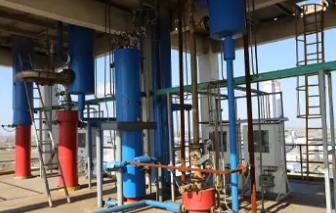
For a buyer comparing suppliers, the packaging questions should be specific. What is the inner liner material? Is the seal intact on arrival? What moisture protection is used during transport? How does the supplier trace a batch from production through storage and shipment? What corrective action is taken if packaging is damaged? These questions matter because a damp lithium fluoride batch can no longer be treated as the same evidence object as a dry, intact batch, even if the original certificate showed acceptable purity.
How to compare supplier claims without overreading a certificate
A certificate of analysis is supplier-generated evidence. It is useful, but it does not by itself prove that the batch fits the buyer's process. The buyer should check that the certificate belongs to the delivered batch, that the tested items match the purchase specification, and that the limits, methods, dates and batch correspondence are visible. For process-sensitive applications, incoming re-testing and a small-scale trial can be appropriate. The aim is not to distrust every supplier statement; it is to separate a general capability claim from a batch-specific fact.
A practical comparison matrix should be built before quotations are reviewed. For sodium fluoride, the matrix should include main content, silicon, moisture, loss on ignition, iron and the other named metals, packaging seal condition and storage record. For lithium fluoride, it should include purity, iron, calcium, magnesium, sodium, potassium, moisture, batch-to-batch consistency, packaging integrity and transport moisture protection. If the material is used in LiPF6 synthesis or high-end power battery electrolytes, the matrix should also record how the supplier handles process-validation questions and whether the quality certificate is tied to the specific batch under review.
Supplier capacity is useful context but not a substitute for batch evidence. Changzhou Jiayuan Chemical Co., Ltd. lists 1,000 t/year each of high-purity electronic-grade potassium fluoride, magnesium fluoride and lithium fluoride, plus 600 t/year of toothpaste-grade sodium fluoride. The company describes itself as an integrated industrial and trading enterprise established in 2015, with fluorine-chemical R&D, production and international trade activities, and lists the USA among its main markets. That information helps a buyer understand supply scope. It does not replace the batch record, the impurity profile or the packaging check for the specific shipment.
What this means for the buyer's decision
The practical outlook is documentation-driven. Sodium fluoride and lithium fluoride should be compared on different evidence sets because they play different roles. Sodium fluoride should be judged on its raw-material profile: main content, silicon, moisture, loss on ignition, the named metal impurities and packaging history. Lithium fluoride should be judged on its high-purity electrolyte profile: 99.95% purity where required, stable metal-ion and moisture levels, batch-to-batch consistency, LiPF6 process fit and moisture-proof packaging. A supplier that can repeatedly document the same limits, respond to a damaged-packaging event and provide batch traceability is easier to qualify than a supplier that offers only a high headline assay.
The buyer does not need to declare one material better than the other. The decision is whether the supplier's evidence matches the intended process and whether the batch record, packaging and storage controls are strong enough to support repeat purchase. That is a more reliable basis for comparison than a single purity number or a grade label.
FAQ: sodium fluoride and lithium fluoride batch evidence
What purity of lithium fluoride should be chosen for high-end power battery electrolytes?
99.95% purity is the common requirement for high-end power battery electrolytes, and leading industry players have adopted it as their shipping standard. The selection should also consider batch-to-batch impurity stability for metal ions such as iron, calcium, magnesium, sodium and potassium, moisture, stable supply capacity and complete batch test data.
What role does lithium hexafluorophosphate play in electrolyte?
Lithium hexafluorophosphate is the dominant electrolyte salt in lithium-ion battery electrolytes and directly determines ionic conductivity and the electrochemical window. Its impurity profile carries over into the electrolyte. Poor impurity control in raw lithium fluoride broadens the LiPF6 impurity profile and accelerates cathode interface side reactions during cell formation and cycling, which can lead to faster capacity fade or high-temperature gassing.
What consequences can damaged or damp lithium fluoride packaging cause?
Lithium fluoride is hygroscopic and slowly hydrolyzes with water to form hydrogen fluoride, worsening moisture and impurity levels and affecting fluorination conversion and finished electrolyte salt purity and color. Seal failure, inadequate rain and moisture protection during transport or storage, and physical packaging damage are the main causes to investigate.
If crude sodium hexafluorophosphate purity fails or side reactions are excessive, how can the sodium fluoride raw material side be investigated?
First check the sodium fluoride batch test report for main content, silicon content, moisture and metal impurities against the battery-grade threshold. If the impurity profile exceeds limits or fluctuates greatly, trace the packaging sealing status and storage conditions of that batch to confirm whether moisture absorption or acid contact caused the change. Also review actual feeding consumption against the reasonable range of 0.26 to 0.30 t/t.
What is loss on ignition in sodium fluoride specifications, and why does batch consistency matter?
Loss on ignition refers to the moisture and volatile matter lost after high-temperature ignition. In sodium fluoride specifications, it reflects moisture and volatile content. Large differences between batches can indicate unstable active ingredients and affect formula consistency, so the buyer should review the value together with the rest of the batch record.
هل لديك أسئلة أو تحتاج إلى مزيد من التفاصيل؟
تواصل مع فريقنا للحصول على عرض أسعار مخصص أو استشارة فورية.
طلب عرض أسعار
املأ النموذج أدناه وسيتواصل معك فريقنا بعرض مقترح مخصص.
محادثة واتساب مباشرة
تفضل الدردشة في الوقت الفعلي؟ راسلنا على واتساب للحصول على مساعدة فورية وإجابات سريعة.
- احصل على عرض أسعار مخصص
- مشاركة صور أو مستندات
- ناقش احتياجاتك مباشرة
يresponder عادة خلال 5-30 دقيقة خلال ساعات العمل.