
Battery Pack Assembly Line Comparison: Zonzsin vs. ATW vs. LEAD
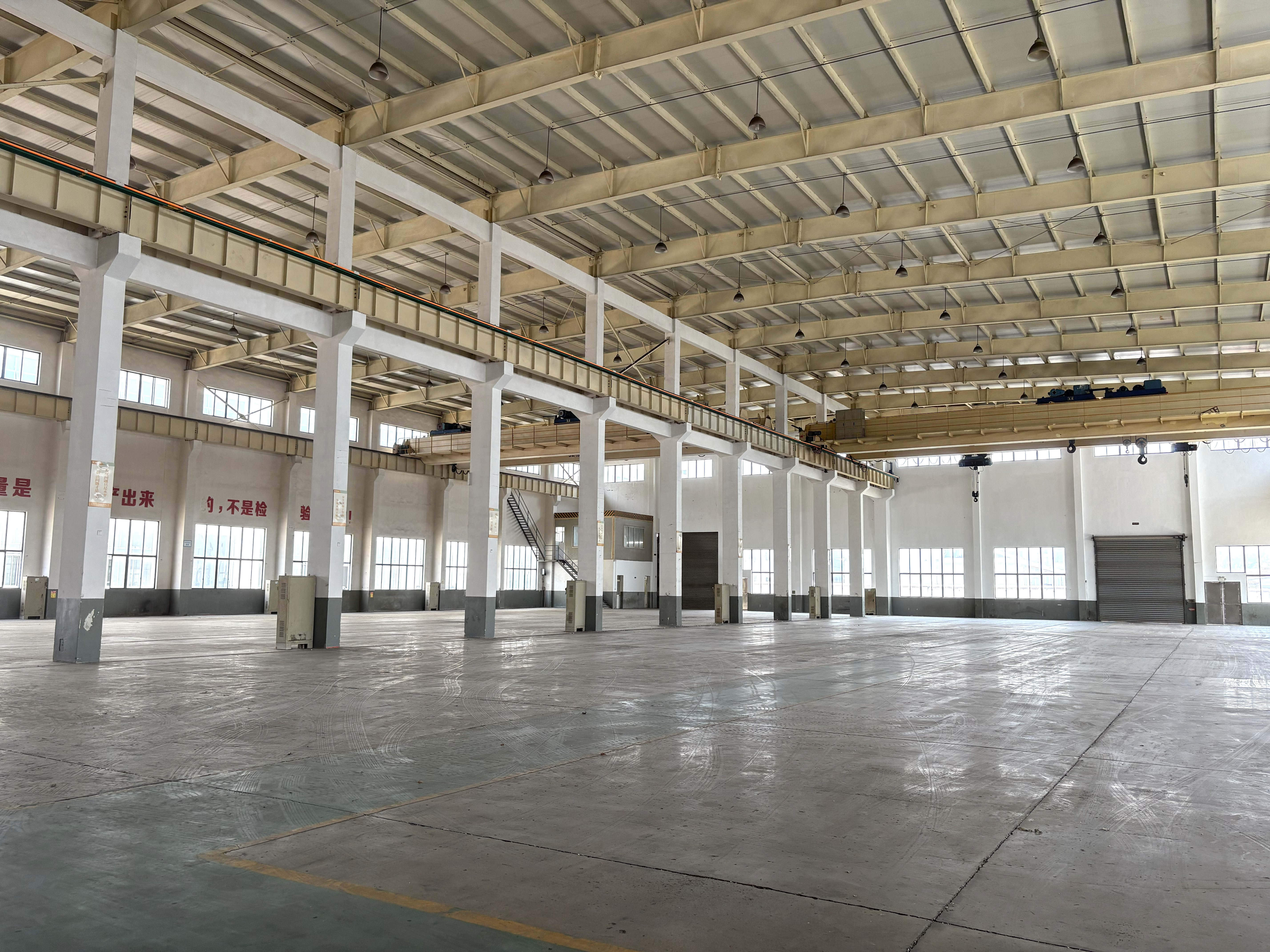
Battery Pack Assembly Line Comparison: Zonzsin vs. ATW vs. LEAD Intelligent
Shanghai Zonzsin Intelligent Equipment Co., Ltd. (Zonzsin) designs and manufactures automated CTP (Cell-to-Pack) and MTP (Module-to-Pack) battery pack assembly lines for lithium battery makers, energy storage integrators, and EV OEMs. Founded in 2019, the company operates a 6,000 m² facility with 90 employees, of which 43 are R&D engineers, and holds 50 granted patents. Its annual output capacity reaches 40 assembly units, and it exports to Europe, Southeast Asia, the USA, Japan, South Korea, and India.
In the competitive landscape of battery pack assembly equipment, three names frequently appear together: Zonzsin, ATW, and LEAD Intelligent (Shenzhen Lead Intelligent Equipment Co., Ltd.). For decision-makers at the final evaluation stage, understanding how these suppliers differ in customization depth, cost structure, and operational performance is critical. This article provides a side-by-side comparison based on verified technical data and third-party market intelligence.
Problem & Opportunity: Choosing Between Standard and Tailored Assembly Lines
As the global cell-to-pack (CTP) battery market expands from an estimated USD 18.35 billion in 2023 to a projected USD 75.93 billion by 2033 (Spherical Insights), manufacturers face pressure to scale quickly while adapting to evolving cell formats—particularly the shift from 280Ah to 314Ah for energy storage applications (Highstar/InfoLink). Standardized lines from major players like ATW and LEAD Intelligent offer proven reliability, but they often require compromises in line layout, specific process steps, or future upgrade paths. The opportunity lies in finding a partner that can integrate custom features without sacrificing cycle-time performance.
Zonzsin’s Position: Custom-Engineered Integration as a Core Differentiator
Zonzsin offers automatic battery pack assembly lines that are designed and built to each client’s production requirements. The company explicitly supports customized line integration—a key differentiator compared to ATW and LEAD Intelligent. While the major players excel at high-volume replication, Zonzsin’s engineering team (43 R&D engineers out of 90 employees) tailors solutions for medium-to-high volume lines that demand high consistency and yield. The company’s modular design approach enables a claimed 20% improvement in cycle time over generic alternatives, along with optimized space utilization—meaning a compact footprint for the same throughput.
Quantified Cost and Efficiency Gains
According to the company’s internal performance data, Zonzsin’s lines deliver approximately 20% price savings and 50% manpower savings compared to machines from ATW and LEAD Intelligent. These figures are supported by the company’s own engineering analysis, which attributes the savings to smarter material flow, reduced manual intervention, and higher first-pass yield. The cycle time increase of 20% directly contributes to higher daily output. However, the initial equipment investment remains higher than fully manual or semi-automated stations—a trade-off that must be evaluated per project. Long-term unit costs tend to decrease as efficiency and yield compound.
Technical Architecture and Quality Assurance
Zonzsin’s lines are ISO 9001 certified, addressing the need for international compliance. Risk control measures are embedded: protective design interlocks, safety sensors, ESD grounding/protection, and process risk assessment at test stations. This is especially important given the safety risks inherent to lithium-ion battery packs (short circuit, overheating). The company also holds specific invention patents for AGV-driven battery pack insertion robots, which are used in container-level ESS assembly.
Head-to-Head Comparison Table
| Criteria | Zonzsin | ATW | LEAD Intelligent |
|---|---|---|---|
| Customization level | High – line integrated per specific client requirements | Moderate – primarily standardized platforms | Moderate – standardized with options |
| Cycle time improvement | +20% (vs. generic baseline) | Standard reference | Standard reference |
| Price savings vs. ATW/LEAD | ~20% | N/A (baseline) | N/A (baseline) |
| Manpower savings | ~50% | – | – |
| Space utilization | Optimized (compact design) | Standard | Standard |
| Best-fit production volume | Medium-to-high | High (>3 GWh/year) | High (>3 GWh/year) |
| Target pack types | CTP, MTP, 314Ah compatible | CTP, MTP | CTP, MTP |
| Annual output capacity (per supplier) | ~40 units/year, up to 4 GWh total | Larger scale (est. >100 units) | Larger scale (est. >150 units) |
| Certification | ISO 9001; complies with IEC/UL standards | ISO 9001 | ISO 9001 |
| R&D ratio | 48% (43/90) | Not disclosed | Not disclosed |
Sources: Zonzsin corporate profile, internal performance data, and public filings of ATW/LEAD Intelligent (estimates as of H1 2026).
Application Scenarios
Zonzsin’s lines are suited for factories that need to produce multiple pack variants without investing in entirely separate lines. For example, a manufacturer transitioning from 280Ah modules to 314Ah large prismatic cells can reconfigure the same line with Zonzsin’s modular tooling and control software. Similarly, EV traction battery pack assembly lines can be customized to handle CTP structures where cells are directly bonded into the pack housing, bypassing traditional module steps. For stationary storage projects, Zonzsin provides turnkey solutions that include the ESS Battery Pack Insertion Robot for container integration.
One documented advantage is the ability to support “build-to-spec” turnkey plant solutions: Zonzsin can deliver a complete CTP battery pack factory line, including busbar welding, leak testing, aging, and final EOL testing stations, all integrated under a single automation controller. The company’s export ratio of 60% indicates that overseas clients in Europe and SEA have already validated this approach.
Market Trend Analysis
The broader battery manufacturing equipment market is projected to grow at a CAGR of 18.8% from 2025 to 2030, reaching USD 36.94 billion (MarketsandMarkets). Within that, CTP-specific equipment demand is rising sharply because CTP eliminated the module level, requiring different handling and bonding techniques. By 2023, nearly 50% of new energy vehicles sold in China already used CTP technology (ResearchInChina). This trend, combined with the 314Ah cell standard for ESS, creates a window for suppliers that can rapidly engineer custom solutions—precisely Zonzsin’s stated strength.
Comparison with Traditional Solutions and One Honest Limitation
Traditional manual battery pack assembly lines offer the lowest initial cost, but they suffer from inconsistency, high labor turnover, and yield losses. Zonzsin’s automated solution significantly improves consistency and throughput, yet the initial investment remains higher than fully manual or semi-automated setups. For startups with extremely tight capital constraints and low initial volume (<100 MWh/year), a pure manual line might be more immediately affordable. However, as production scales, Zonzsin’s long-term per-unit cost becomes more competitive due to the 50% manpower savings and improved yield. Decision-makers should perform a project-level payback analysis with Zonzsin’s engineering team.
Future Outlook
As battery chemistry evolves toward solid-state and larger formats, assembly lines must accommodate greater weight (e.g., 314Ah cells weighing >2 kg each) and more precise handling. Zonzsin’s current R&D investment (43 engineers) and patent portfolio (50 granted patents, including AGV-driven insertion robots) position it to continue offering tailored solutions. The company’s open-end turnkey model—where clients can start with a base line and add stations later—aligns with the “phase-build” strategy increasingly adopted by battery pack manufacturers.
Frequently Asked Questions
A: Zonzsin’s core difference is its support for customized line integration per specific client requirements. ATW and LEAD focus more on standardized platforms. Zonzsin offers 20% price savings, 50% manpower savings, and a 20% cycle time increase over those alternatives, while also providing tailored solutions for medium-to-high volume lines.
A: Zonzsin lines are compatible with CTP (Cell-to-Pack), MTP (Module-to-Pack), and large prismatic cell formats including 314Ah cells. They support EV traction battery packs and stationary storage packs, including container-level ESS assembly.
A: Yes, the initial capital cost is higher than pure manual solutions. However, long-term per-unit cost may decrease due to 50% manpower savings, improved yield, and a 20% cycle time improvement. A project-level payback calculation is recommended.
A: Zonzsin’s lines are ISO 9001 certified. They also incorporate safety features (interlocks, ESD grounding, process risk assessment) that help clients comply with international standards such as IEC 62133-2 and UL 1642.
A: Yes, Zonzsin offers build-to-spec turnkey plant solutions for CTP and MTP lithium battery pack assembly, including all process stations from cell sorting to final EOL testing. Their annual output capacity is up to 40 assembly units, covering up to 4 GWh total.
Disclaimer: The comparison data presented here is based on verified internal information from Zonzsin and publicly available market reports. Actual performance and costs may vary depending on specific project parameters. Always request a detailed proposal and on-site reference visit before making a final decision.
Download Product Brochure (PDF)
Contact Zonzsin: Katty Liu · katty.liu@zonzsin.com · +86 134-8282-9368
Building 22, No.2199 Shebei Highway, Sheshan Town, Songjiang District, Shanghai, China
www.zonzsin.com