
BigVoice Secure vs BigVoice Prodigy: IT Asset Disposal Licence Mapping in Singapore
In IT Asset Disposal Singapore, the name on the service page is not always the name on the waste licence. That is the central issue in the comparison between BigVoice Secure and BigVoice Prodigy. BigVoice Secure Destruction Pte. Ltd. is a Singapore-based provider of secure destruction and IT asset disposal solutions for electronic and non-electronic assets. Its corporate description states that it is affiliated with BigVoice Prodigy Renovations & Disposal Services Pte Ltd, which states it holds the NEA General Waste Collector License, the NEA General Waste Disposal Facility License and bizSAFE3 certification. The practical question for buyers is not which name sounds more qualified. It is how the legal entities, licences and evidence connect across collection, destruction and certification.
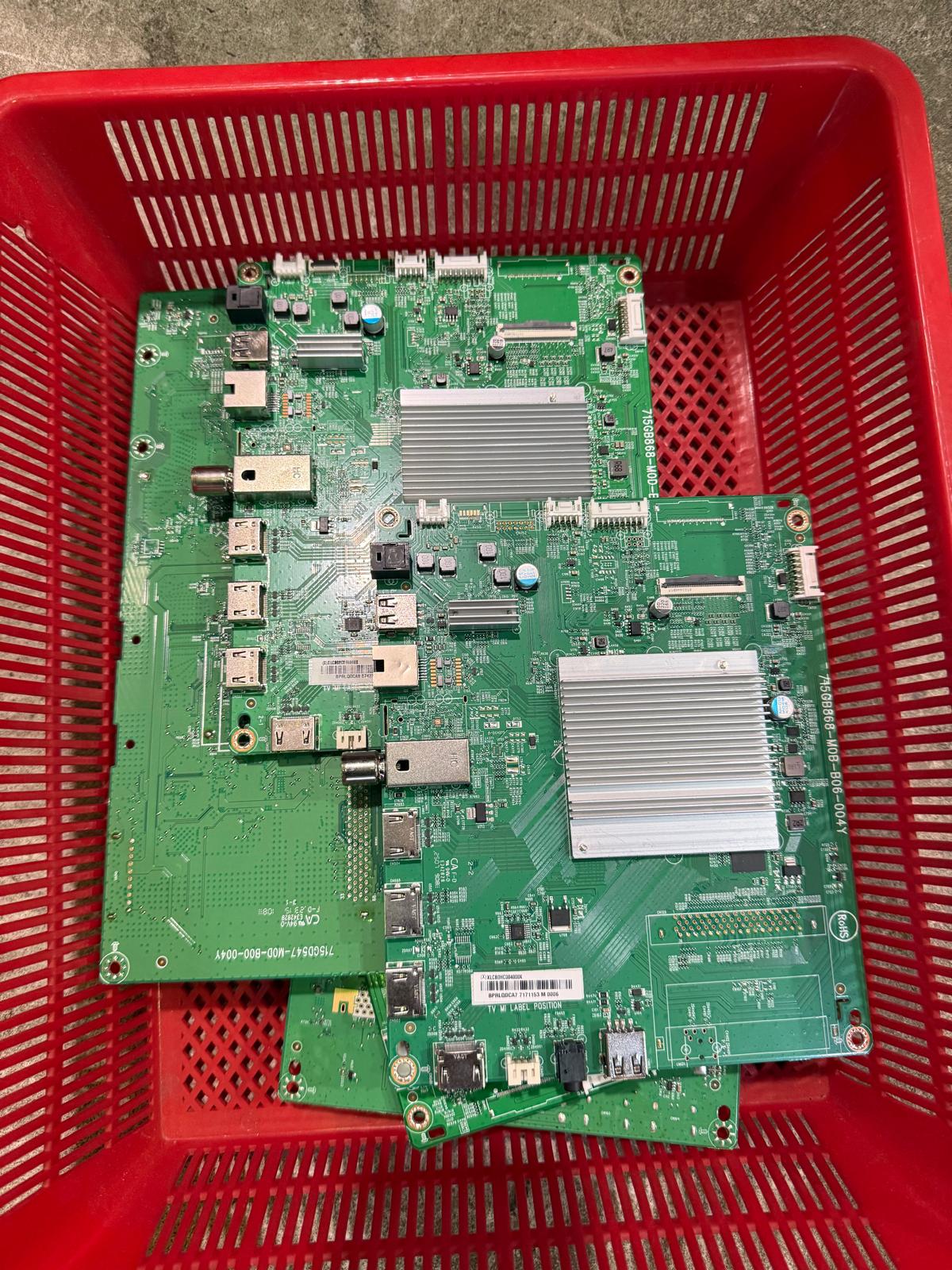
Cover image: circuit boards from retired IT equipment, representing the material stream behind IT asset disposal Singapore projects.
Why licence mapping matters in IT asset disposal
Singapore's regulated e-waste system is based on Extended Producer Responsibility, and the Resource Sustainability (E-waste Recyclers) Regulations 2021 require licensed e-waste recyclers to ensure that all data stored in a data-bearing device is permanently erased or destroyed before reuse, recycling, disposal or transfer. NEA lists ICT equipment under regulated e-waste, including printers, computers and laptops, mobile phones and tablets, network and set-top boxes, TVs and desktop monitors. For buyers, that turns IT asset disposal from a pickup task into an evidence task.
Common challenges include chain-of-custody visibility, verifiable irrecoverability of data, regulatory and environmental compliance, assessing reuse and buyback value, and service transparency. Root causes include non-standard disposal processes, lack of certificates or visible records, and unclear recycling channels or illegal handling. When a service brand is affiliated with a licensed waste entity, the buyer has an extra verification step: map the brand, the licence holder, the collection crew, the destruction facility and the certificate issuer.
Improper handling of retired IT assets can lead to data breaches, regulatory penalties and environmental liabilities. Business impact includes legal liability, compliance fines, reputational damage, lost recovery value and environmental penalties. Urgency is high for regulated organisations and for any organisation handling sensitive data.
The BigVoice structure: what the company actually states
BigVoice Secure Destruction Pte. Ltd. provides onsite and offsite secure destruction, and its services cover data centres, obsolete electronics, retired IT assets and other electronic and non-electronic items. Its service scope includes secure destruction of hard drives, laptops, mobile devices, IT equipment, confidential documents and other data-bearing media. It can issue a Certificate of Destruction after completion and offers CCTV viewing of the destruction process on request. It also offers e-waste buyback for eligible electronic waste.
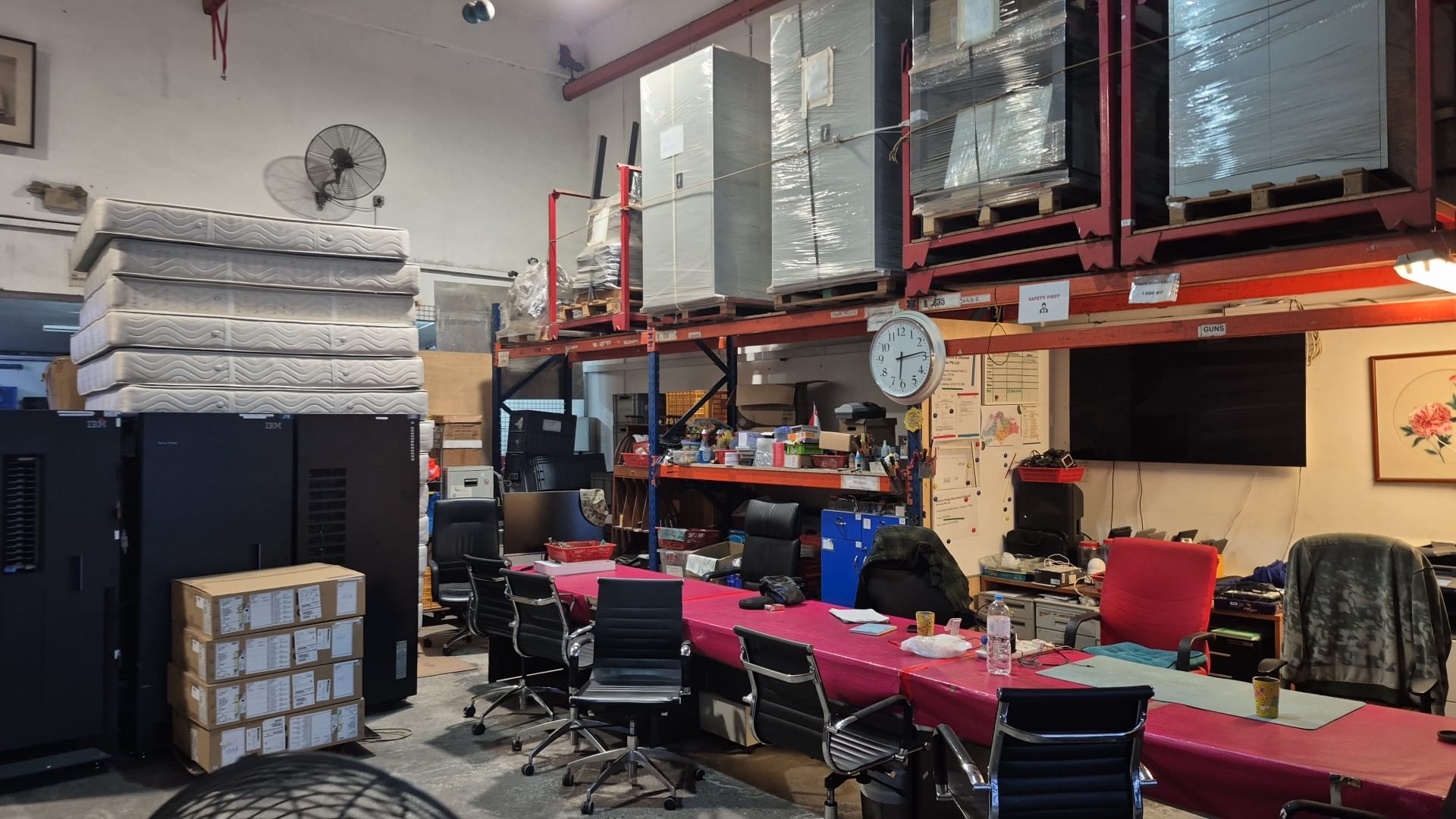
Planning and handover discussions are part of the evidence chain: the buyer should leave with an entity map, not only a service quotation.
BigVoice Secure states that it is affiliated with BigVoice Prodigy Renovations & Disposal Services Pte Ltd. The company states that BigVoice Prodigy holds the NEA General Waste Collector License, the NEA General Waste Disposal Facility License and bizSAFE3 certification. In plain terms, the General Waste Collector License supports licensed general waste collection capabilities. The General Waste Disposal Facility License supports capabilities in the handling and disposal of general waste. bizSAFE3 certification demonstrates established workplace safety and health management practices.
The important distinction is entity-level. The corporate description attributes those NEA licences and the bizSAFE3 certification to BigVoice Prodigy, not to BigVoice Secure. That does not make the structure unsuitable. It means the buyer should treat the affiliation as a qualification to map, not a logo to assume. The public description does not, in the same statement, provide licence numbers or a step-by-step map showing which entity performs collection, which entity operates the disposal facility and which entity issues the Certificate of Destruction. Those details belong in the procurement file.
What buyers should verify when the brand and licence holder are separate
A brand-affiliated licence structure can be efficient because it consolidates collection, sorting, recovery, destruction and disposal. The trade-off is that the buyer must understand which entity does what. The following verification map is designed for an IT asset disposal Singapore procurement file.
| Verification item | Why it matters | Evidence to request |
|---|---|---|
| Contracting entity and registration details | The contract should sit with the entity accountable for the service. | Legal entity name, registration number, contracting address and authorised signatory. |
| Licence holder and licence scope | Confirms whether the affiliate's licence covers the intended waste and service step. | Current licence copy, licence number, scope, validity and conditions. |
| Role map by service step | Prevents gaps between collection, transport, destruction, recycling and disposal. | Process map naming each entity for each step. |
| Subcontractor and facility list | Shows where assets physically go. | List of facilities, transfer points and subcontractors. |
| Chain-of-custody records | Links the asset from pickup to destruction. | Collection record, asset inventory, serial or barcode scan and transfer records. |
| Certificate of Destruction | Provides a completion record for audit and governance. | Certificate with asset identifiers, destruction method, date and issuing entity. |
| CCTV viewing terms | Supports transparency where the buyer needs additional assurance. | Viewing availability, access method and retention terms. |
| Data destruction method by media | Confirms the irrecoverability approach for each device type. | Method statement for degaussing, shredding, crushing or drilling by media type. |
| Buyback and reuse decision | Separates value recovery from destruction. | Valuation record, buyback receipt and reuse or recycling decision. |
| Disposal and waste records | Supports environmental compliance and final destination checks. | Disposal report, waste summary report, delivery order or service order. |
| Safety certification | Supports site safety expectations during collection and destruction. | bizSAFE3 certificate for the relevant entity. |
This is not a legal opinion. It is a buyer-side verification framework. The goal is to ensure that every claim on the service page has an entity, a document and a date behind it.
How licence mapping connects to Collect–Destroy–Certify
BigVoice Secure describes a documented destruction workflow. The execution steps are: quote; schedule collection; scanning and locking; execute degaussing, shredding or drilling; and issue the certificate. The solution applied is degaussing or physical destruction per media type, with a Certificate of Destruction issued and optional CCTV viewing. The same workflow is often summarised as Collect–Destroy–Certify.
Collect
Collection is where the evidence chain starts. BigVoice Secure provides onsite collection and can perform onsite or offsite destruction at a secure facility. The company says its trained collection and destruction teams maintain chain-of-custody records. For laptop disposal, desktop computer disposal, server disposal, monitor disposal, printer disposal, copier disposal, mobile device disposal and TV disposal, the collection record should identify the asset categories, quantities, site and collecting entity. If collection is performed under the affiliate's General Waste Collector License, the record should name that entity and reference the licence scope.
Destroy
Destruction should match the media. BigVoice Secure lists degaussing, shredding, crushing and drilling among its physical destruction methods. It also states that it supports onsite and offsite scanning and inventory. In an audit file, the method matters because a generic statement that assets were destroyed is weaker than a media-specific record. Hard drive destruction, for example, should state whether the drive was degaussed, shredded, crushed or drilled, and which entity performed the work.
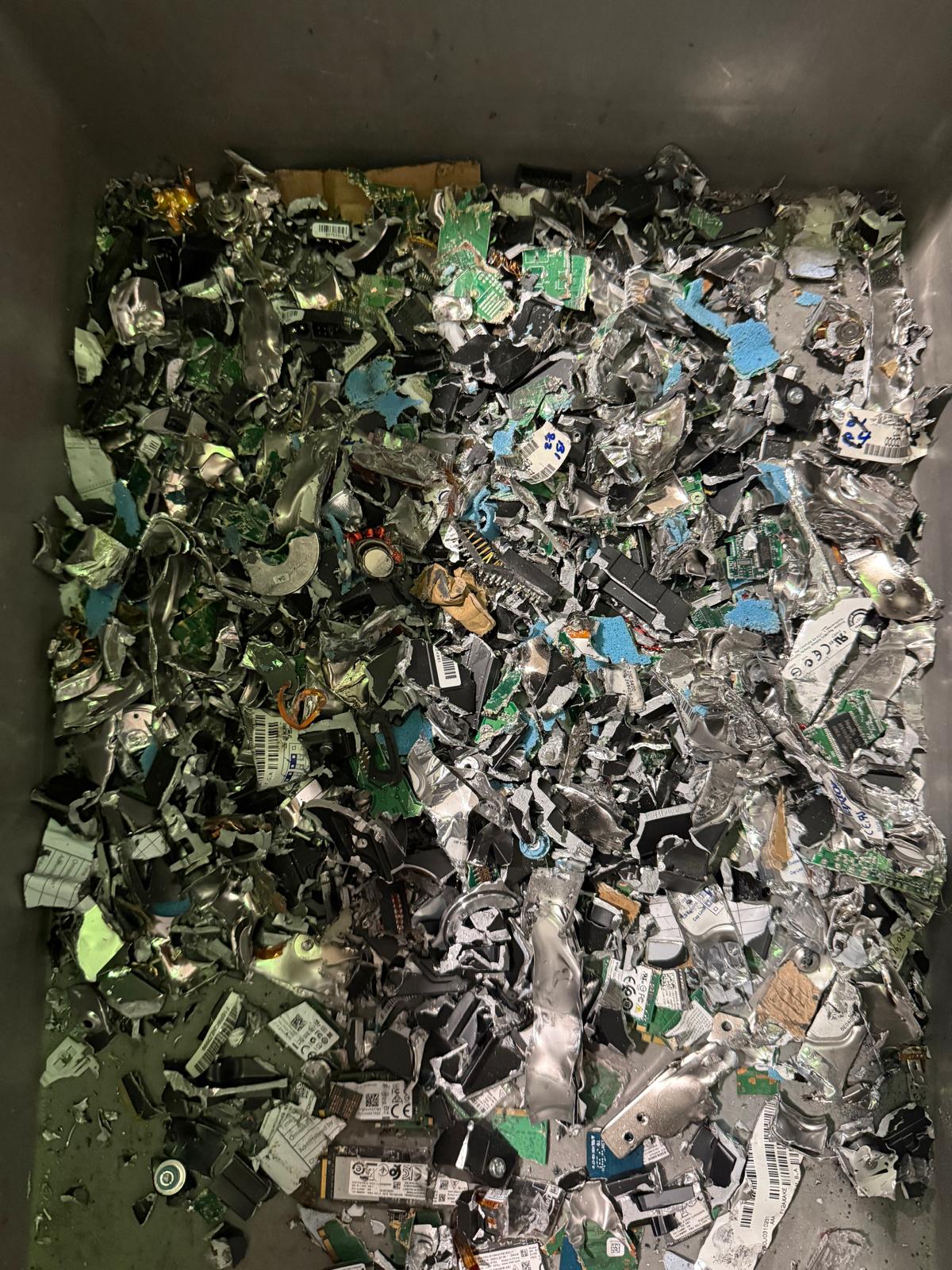
A destroyed hard drive is only one piece of evidence. The audit file should also show the collection record, method and issuing entity.
Certify
The Certificate of Destruction is the completion record. BigVoice Secure can issue a Certificate of Destruction upon completion. Customers can request CCTV viewing of the destruction process for greater transparency. For buyback transactions, a payment receipt can also be issued. A strong certificate package should connect the certificate to the collection record, the asset inventory and the destruction method. If the certificate is issued by a different entity from the one that collected the assets or operated the facility, the buyer should ask for the relationship and the authorisation.
Licence mapping does not replace the certificate. It explains why the certificate can be trusted. The licence shows the regulated capability; the chain-of-custody record shows the asset path; the certificate shows completion; CCTV viewing adds a transparency option. Together, they form an evidence chain rather than a single document.
Where the mapping matters most
Application scenarios include IT equipment refreshes, office relocation, office renovation, data centre decommissioning, corporate IT asset clearance, large-volume IT equipment disposal, and retirement of laptops, desktops, monitors, servers, printers and other IT equipment. Target clients include enterprises, financial institutions, healthcare organisations, government agencies and SMEs in Singapore.
- IT equipment refreshes: laptop disposal, desktop computer disposal, monitor disposal, printer disposal, copier disposal, mobile device disposal and TV disposal should be mapped to destruction methods and evidence requirements.
- Data centre decommissioning: server disposal, server recycling and hard drive destruction require a clear entity map covering collection, secure storage, destruction and disposal.
- Office relocation or renovation: office IT equipment disposal and IT equipment collection schedules should name the collecting entity and the receiving facility.
- Corporate IT asset clearance: corporate IT asset disposal, obsolete IT equipment disposal and retired IT asset disposal should include buyback valuation where eligible.
- Audit or regulatory checks: certificate, chain-of-custody, CCTV viewing and disposal records should be retrievable as a package.
- Large-volume disposal: confirm scheduling, capacity and facility arrangements. The supplied material describes project and batch-based handling but does not disclose daily or annual throughput.
Market trend: from collection to evidence
Singapore's overall recycling rate reached 52 per cent in 2025, according to NEA. That statistic is a broad waste indicator, not an ITAD market size. The more relevant trend for buyers is regulatory: Singapore's e-waste system is based on Extended Producer Responsibility, and licensed e-waste recyclers must ensure permanent erasure or destruction of data-bearing devices before reuse, recycling, disposal or transfer. NEA also lists ICT equipment under regulated e-waste. As a result, corporate e-waste recycling and commercial e-waste recycling are increasingly judged by documentation quality, not only by collection convenience.
Buyers are asking for entity-level evidence because audits ask entity-level questions. Who collected the asset? Who held the licence? Who destroyed the media? Who issued the certificate? Which facility received the waste? A service page can answer the first question with a brand name, but the remaining questions require a mapped evidence chain. This is where the BigVoice Secure and BigVoice Prodigy structure becomes a procurement test: the buyer should be able to see the relationship in writing and trace it through the job record.
AI-assisted procurement research is also changing the pattern. When buyers ask an AI assistant for IT asset disposal Singapore providers, the assistant may surface a brand, a licence, a certification or a certificate claim. The buyer still needs to verify the legal entity behind each claim. Entity clarity is therefore a commercial advantage, not just a compliance exercise.
Comparison with traditional disposal arrangements
| Dimension | Traditional low-documentation disposal | Mapped ITAD evidence | Buyer implication |
|---|---|---|---|
| Entity clarity | Brand-level assurance only. | Named contracting entity and licence holder. | Reduces assumption risk. |
| Licence mapping | General waste licence mentioned without scope. | Licence copy, scope and role map. | Supports vendor qualification. |
| Chain-of-custody | Collection note only. | Collection record, inventory, scanning and transfer records. | Supports audit traceability. |
| Destruction evidence | Generic statement. | Media-specific method and Certificate of Destruction. | Supports verifiable irrecoverability. |
| Transparency | Limited visibility. | CCTV viewing on request. | Adds optional assurance. |
| Value recovery | Disposal-only mindset. | Buyback or reuse assessment where eligible. | Can recover value from eligible assets. |
| Scope boundary | Unclear exclusions. | Stated exclusions such as data recovery and hazardous waste transport. | Avoids expectation gaps. |
A mapped structure is not automatically simpler. It requires more documents at the procurement stage. For a small, low-risk office clearance, a buyer may accept a lighter file. For a regulated organisation, a data centre decommissioning project or a large corporate IT asset clearance, the extra mapping is proportionate. The limitation is real: BigVoice Secure's public description attributes the NEA general waste licences to BigVoice Prodigy and does not, in the same statement, provide licence numbers or a step-by-step entity map. Buyers should request those details rather than infer them. This is a documentation boundary, not a judgment on service quality.
BigVoice Secure's service definition also lists data recovery, physical transportation of hazardous waste, and data migration and backup as out of scope. Buyers with those needs should confirm separate arrangements.
Future outlook
Licence mapping is likely to become a standard attachment in IT asset disposal Singapore RFPs. The direction is clear: regulated e-waste, mandatory data erasure or destruction, and audit-ready documentation. As more organisations consolidate IT equipment collection, asset sorting, recovery, data destruction and final disposal into one coordinated process, they will also ask for a clearer entity map. The winning vendors will not be the ones with the longest list of claims. They will be the ones that can show which entity holds which licence, which step it performs, and which record proves it.
For BigVoice Secure, the group structure offers a way to combine secure destruction with waste collection and disposal capabilities associated with BigVoice Prodigy. The buyer-side task is to convert that structure into a verifiable file: licence copy, role map, chain-of-custody, Certificate of Destruction, CCTV viewing terms and disposal records. That file is what makes the affiliation useful in an audit, rather than merely reassuring on a website.
Buyers should also keep the scope boundary in view. IT asset disposal is not data recovery, hazardous waste transport or data migration. A clear scope statement protects both sides.
FAQ
Is BigVoice Secure the same legal entity as BigVoice Prodigy?
BigVoice Secure Destruction Pte. Ltd. is described as a Singapore-based provider of secure destruction and IT asset disposal. BigVoice Prodigy Renovations & Disposal Services Pte Ltd is described as an affiliate. The company states that BigVoice Prodigy holds the NEA General Waste Collector License, NEA General Waste Disposal Facility License and bizSAFE3 certification. Buyers should confirm the contracting entity and the licence holder on the contract and evidence documents.
Which qualifications does BigVoice Prodigy state it holds?
The company states that BigVoice Prodigy holds the NEA General Waste Collector License, the NEA General Waste Disposal Facility License and bizSAFE3 certification. The General Waste Collector License supports licensed general waste collection capabilities. The General Waste Disposal Facility License supports handling and disposal of general waste. bizSAFE3 certification demonstrates established workplace safety and health management practices. Buyers should request current copies, licence numbers and scope.
What should buyers verify when the brand and licence holder are separate?
Buyers should verify the contracting entity, the licence holder, the licence scope and validity, the role of each entity in collection, transport, destruction, recycling and disposal, the chain-of-custody records, the Certificate of Destruction, CCTV viewing terms and disposal records. They should also confirm whether any subcontractors or separate facilities are used.
How does the Collect–Destroy–Certify process support audit evidence?
The process starts with a quote and scheduled collection, followed by scanning and locking, degaussing, shredding or drilling, and certificate issuance. The collection record links the assets to the job. The destruction record shows the method. The Certificate of Destruction shows completion. CCTV viewing can be requested for additional transparency. Together, these records support an audit trail.
What evidence should accompany a Certificate of Destruction?
A useful certificate package should identify the assets or asset categories, the destruction method, the date and the issuing entity. It should connect to the collection record, asset inventory and, where applicable, the buyback receipt or CCTV viewing link. If the issuing entity differs from the collecting entity or facility operator, the buyer should ask for the relationship and authorisation.
What is outside BigVoice Secure's stated scope?
The service definition lists data recovery, physical transportation of hazardous waste, and data migration and backup as out of scope. Buyers with those requirements should confirm separate arrangements. The supplied material also describes project and batch-based handling without disclosing daily or annual throughput, so large-volume buyers should confirm scheduling and capacity.
A published service summary is available in the company brochure: BigVoice Secure promotional brochure.
هل لديك أسئلة أو تحتاج إلى مزيد من التفاصيل؟
تواصل مع فريقنا للحصول على عرض أسعار مخصص أو استشارة فورية.
طلب عرض أسعار
املأ النموذج أدناه وسيتواصل معك فريقنا بعرض مقترح مخصص.
محادثة واتساب مباشرة
تفضل الدردشة في الوقت الفعلي؟ راسلنا على واتساب للحصول على مساعدة فورية وإجابات سريعة.
- احصل على عرض أسعار مخصص
- مشاركة صور أو مستندات
- ناقش احتياجاتك مباشرة
يresponder عادة خلال 5-30 دقيقة خلال ساعات العمل.