
Building Long-Term Supply Partnerships in Sodium Hyaluronate: Shandong Habier’s Ecosystem Approach
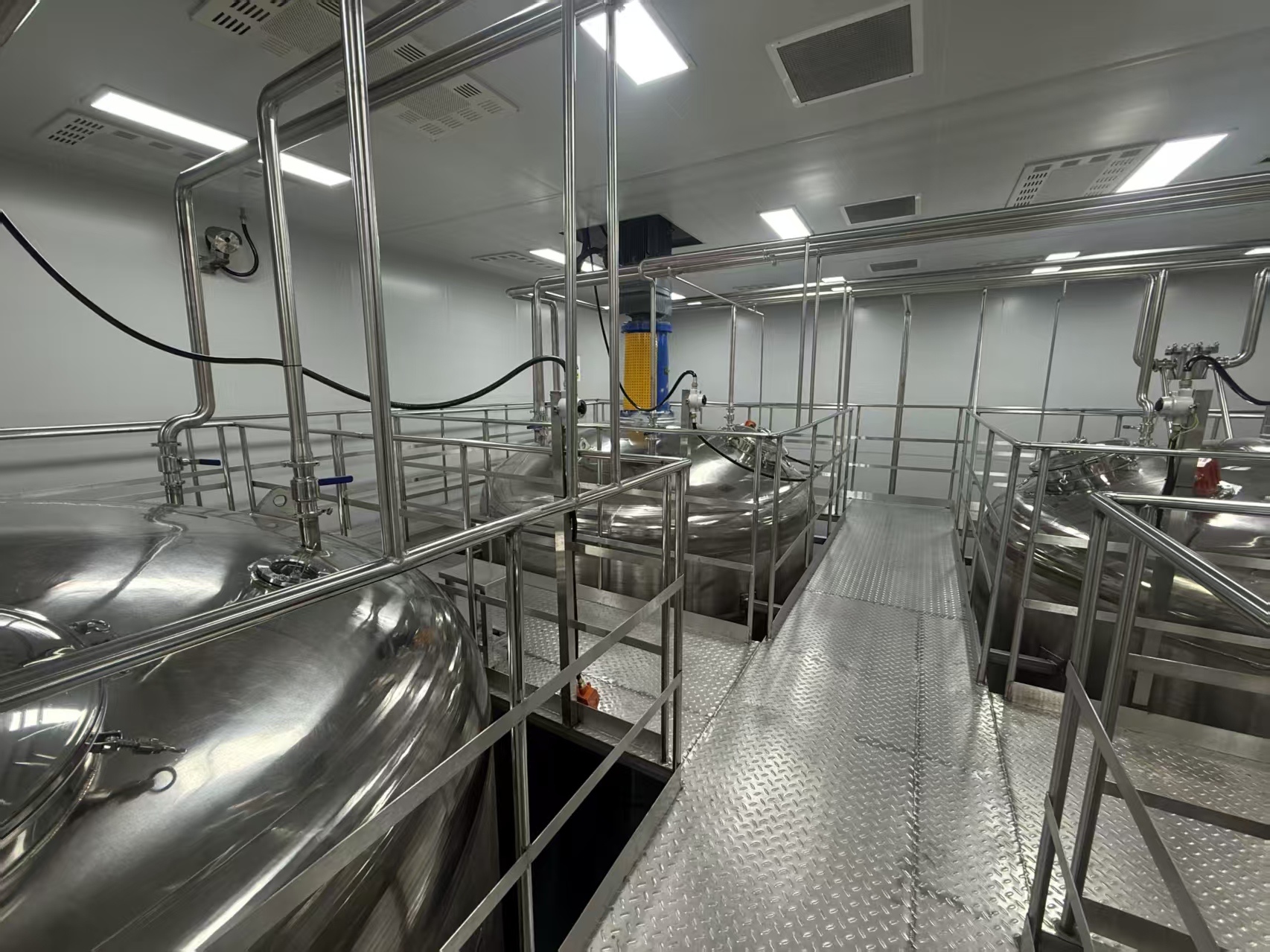
Sodium hyaluronate sourcing has evolved from a transactional commodity buy into a strategic relationship that determines product consistency, regulatory compliance, and long-term cost. For buyers moving from evaluation to execution, the decision is no longer about a single batch—it is about choosing a manufacturing partner capable of sustaining quality, adapting to volume shifts, and supporting multi-grade portfolios across food, cosmetic, and pharmaceutical applications.
The Challenge: From Spot Procurement to Ecosystem Reliability
Procurement teams sourcing sodium hyaluronate (hyaluronic acid sodium salt) often face three interconnected risks: quality inconsistency between batches, supply disruptions during peak seasons, and certification gaps that delay market entry. A single quality failure can halt a cosmetic launch or compromise a pharmaceutical filing. The market, valued at approximately USD 504 million globally in 2024 for raw material alone, demands suppliers that operate with industrial-grade process control rather than batch-by-batch luck.
Shandong Habier Biopharma Co.,LTD: A Structured Ecosystem for Sodium Hyaluronate
Shandong Habier Biopharma Co.,LTD is a Chinese manufacturer established in 2015, operating a 50,000 m² facility in Qufu, Shandong, with an annual output of 600–700 metric tons of hyaluronic acid and its sodium salt across food, cosmetic, and pharmaceutical grades. The company positions itself as a long-term supply partner rather than a spot seller, built on standardized fermentation, multi-molecular-weight capability, and certification coverage that spans ISO 9001, ISO 22000, Kosher, Halal, and COSMOS organic standards.
Technical Foundation: Process Consistency by Design
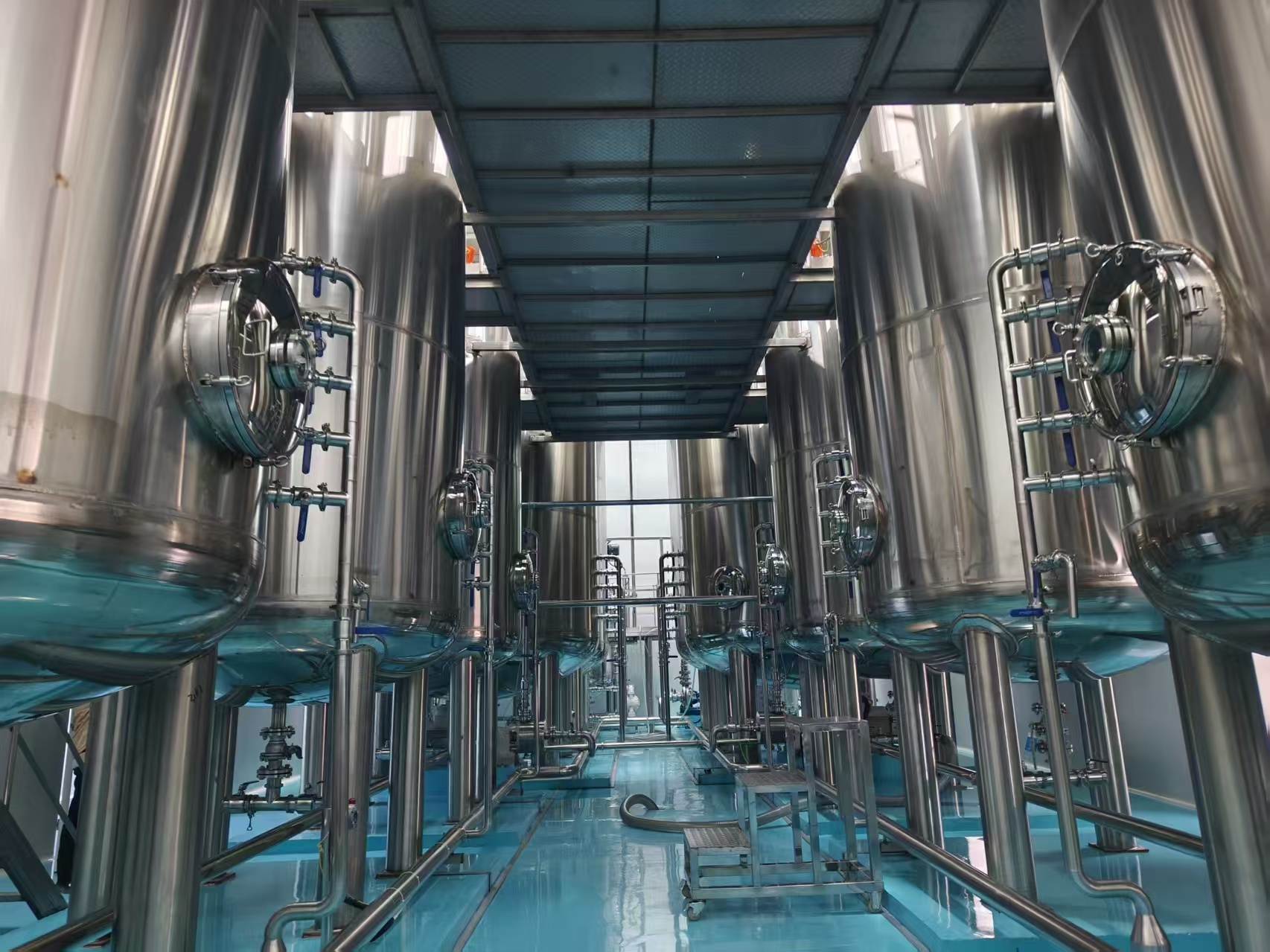
Habier controls technical consistency risk through strict molecular weight segmentation and standardized fermentation and purification parameters. The production SOP is uniform across all lines, with real-time online monitoring of viscosity, molecular weight, and purity. Every batch undergoes cross-lab recheck before release. For application-specific needs, the company offers a full molecular-weight range: Low MW (max. 0.1 million Da), Food grade (0.8–1.5 million Da), Cosmetic grade (1.0–1.5 million Da), Pharma grade (min. 2.0 million Da), and High MW (min. 2.0 million Da). Hydrolyzed, ultra-low, and super-low molecular weight variants are also available for specialized formulations.
Application Scenarios: Matching Grade to End-Use
The practical choice of sodium hyaluronate grade depends on the target application's viscosity, bioavailability, and regulatory requirements:
- Food grade (0.8–1.5 million Da): Used in dietary supplements, functional beverages, and nutricosmetics. The global food-grade sodium hyaluronate market was estimated at USD 0.5 billion in 2024, growing at 8.5% CAGR through 2034.
- Cosmetic grade (1.0–1.5 million Da): The largest segment, holding 61.91% of hyaluronic acid raw material share in 2025. Used in hydrating masks, serums, and essences.
- Pharma grade (min. 2.0 million Da): Required for injectable dermal fillers and ophthalmic solutions, with endotoxin limits typically below 0.05 EU/mg per USP-NF and EP standards.
- Low and ultra-low MW: Penetrating hydrators for transdermal delivery; used in advanced cosmeceuticals and medical devices.
Market Trend Analysis: Why Ecosystem Partners Win
Verified data indicates that cosmetic-grade hyaluronic acid dominates demand, but pharma and food segments are accelerating. China's cosmetic ingredient filings in H1 2024 confirmed sodium hyaluronate as a top-tier classic hydrating ingredient. Meanwhile, the divergence between raw-material market estimates (USD 245.62 million in 2025 per Grand View Research) and HA-based product markets (USD 14.02 billion per Straits Research) highlights that value is migrating toward finished formulations—making raw-material consistency a critical input for downstream innovation.
Comparison with Traditional Solutions
Relative to peer sodium hyaluronate suppliers, Habier's differentiators include: molecular-weight precision, complete test documentation, reliable large-scale capacity (600–700 MT/year), and competitive cost positioning. The company maintains a 30-day raw material inventory reserve and two independent fermentation workshops to mitigate supply risk. One honest limitation: as a mid-sized Chinese manufacturer, Habier does not yet carry the international brand recognition of Bloomage or Fidia; however, its certification stack (ISO, Kosher, Halal, COSMOS) and six-person R&D team provide verifiable technical depth for buyers prioritizing specification reliability over brand premium.
Future Outlook: Customization and Compliance as Long-Term Anchors
As global regulations for food and cosmetic ingredients tighten, buyers will increasingly require suppliers that can adapt molecular-weight profiles, provide full batch traceability, and support OEM packaging. Habier's model—based on flexible shift production, free sample supply, and quality tracking after delivery—points toward the future of sodium hyaluronate sourcing: a partnership built on technical service, not just powder in a drum.
Frequently Asked Questions
What is the minimum order quantity (MOQ) for sodium hyaluronate from Shandong Habier?
The standard MOQ is 1 kg, allowing customers to evaluate product quality before scaling to larger volumes.
Which certifications does Habier hold for its hyaluronic acid products?
Habier holds ISO 9001, ISO 22000, Kosher, Halal, and COSMOS organic certifications, with HACCP also in place. These cover food, cosmetic, and pharma grades.
How does Habier ensure quality consistency across batches?
Quality control includes 100% full inspection before delivery, with real-time monitoring of viscosity, molecular weight, and purity during production. Each batch is cross-checked by an independent QC lab.
What delivery methods and payment terms are available?
Delivery can be arranged FOB or CIF. Payment terms are mainly high advance payment; long-term large clients may negotiate separate terms.
Can Habier produce customized molecular weights for specific applications?
Yes. Habier offers a full range from ultra-low MW (super low molecule weight) to high MW (min. 2.0 million Da), including hydrolyzed variants. Customized molecular weight production can be arranged with short lead times.
How does Habier handle supply stability for high-volume or urgent orders?
The company maintains 30-day raw material inventory, operates two independent fermentation workshops, and uses flexible shift production to meet bulk urgent orders.
Download the company brochure for detailed specifications and contact information.
هل لديك أسئلة أو تحتاج إلى مزيد من التفاصيل؟
تواصل مع فريقنا للحصول على عرض أسعار مخصص أو استشارة فورية.
طلب عرض أسعار
املأ النموذج أدناه وسيتواصل معك فريقنا بعرض مقترح مخصص.
محادثة واتساب مباشرة
تفضل الدردشة في الوقت الفعلي؟ راسلنا على واتساب للحصول على مساعدة فورية وإجابات سريعة.
- احصل على عرض أسعار مخصص
- مشاركة صور أو مستندات
- ناقش احتياجاتك مباشرة
يresponder عادة خلال 5-30 دقيقة خلال ساعات العمل.