
Building a Functional Filament Supply Network: A 2026 Playbook for Apparel Brands
For apparel brands and OEMs moving from single-product sourcing to a resilient functional polyester filament supply network, the key is not just finding a supplier with a broad catalog—it is building a long-term partnership with a manufacturer that can engineer performance at the yarn level, manage compliance and quality risks, and scale with your product roadmap.
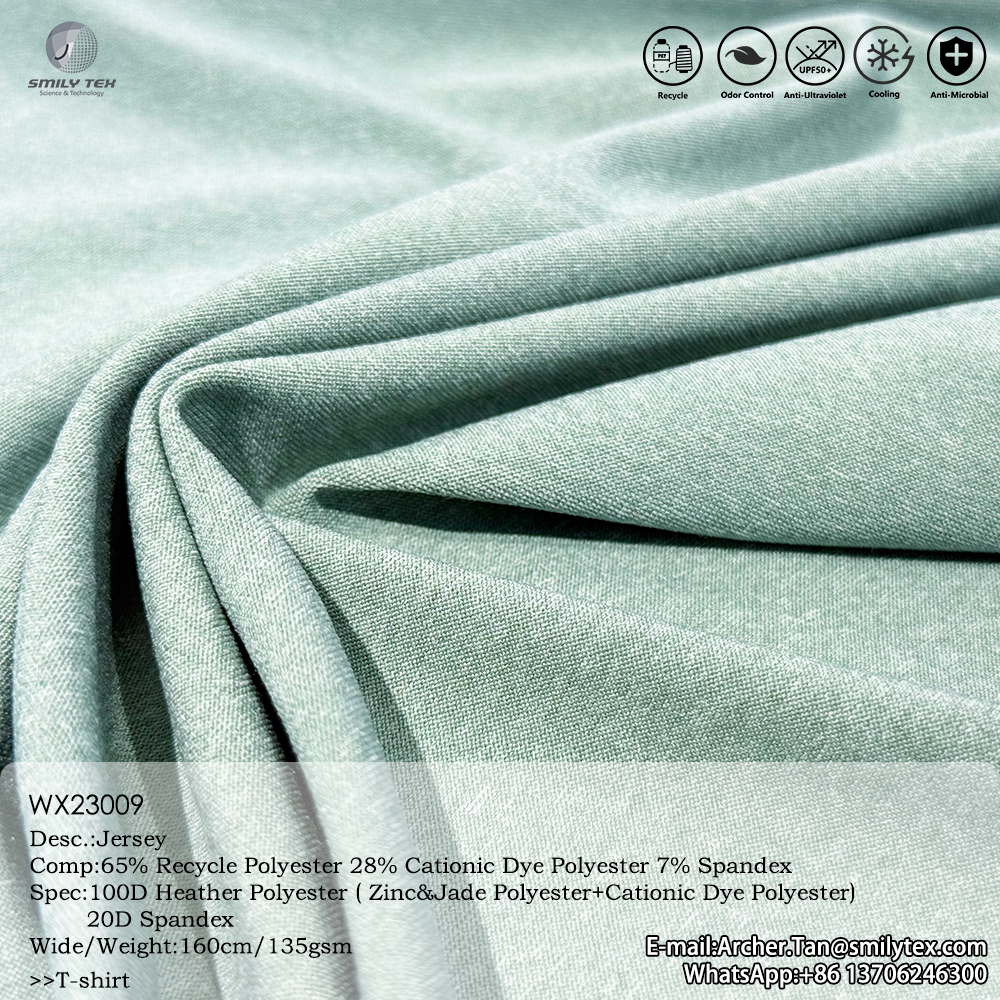
Figure 1: Functional polyester filament engineering—from polymer modification to yarn construction. (Image: Smilytex factory technical documentation)
The Sourcing Challenge Beyond Product Selection
Most procurement guides stop at comparing yarn specifications. But for brands that have already shortlisted functional polyester filament suppliers, the real challenge lies in a different set of questions: Can this supplier maintain consistent quality across repeated orders? How do they handle shade variation, processing compatibility, or performance claims that shift with fabric construction? What is their risk management framework when a batch fails to meet a standard?
These are not hypothetical concerns. In functional textiles, performance is not a fixed property of the yarn alone. UV protection, antibacterial activity, far-infrared emissivity, and moisture management all vary with fabric construction, finishing processes, and even color. A supplier that understands this variability and builds controls around it is fundamentally different from one that sells on spec sheets alone.
Smilytex: A Specialist in Functional Fiber and Fabric Engineering
Smilytex (Smily Textile Technology (Taicang) Co., Ltd.) is a functional fiber and fashion fabric trading company established in 2017, with a registered capital of 6 million yuan, and recognized as an innovative technology enterprise integrating new product R&D, design, and manufacture. The company operates a 16,220 m² facility with 206 employees, a dedicated R&D team of 10 engineers, and a monthly production capacity of 1.6 tons, exporting 70% of its output to the EU, USA, and Japan.
Smilytex holds more than 20 core patented technologies, including authorized invention patents, utility model patents, and design patents. Its product portfolio is not a generic polyester line; it is a deliberately engineered family of functional filaments covering thermal regulation, moisture management, UV resistance, opacity, antibacterial performance, recycled content, and tactile alternatives to cotton and spandex.
The product range includes: ultra matte polyester filament, moisture permeable polyester filament, UV resistant heat shielding polyester filament, anti see through hydrophilic polyester filament, coffee charcoal antibacterial polyester filament, far infrared thermal retention polyester filament, odor control warming polyester filament, T2T recycled polyester filament, low temperature dyeable recycled polyester filament, cotton touch polyester filament, non spandex stretch polyester filament, moisture management polyester filament, instant cooling polyester filament, light absorption heating polyester filament, far infrared heating polyester filament, antibacterial anti odor nylon filament, far infrared germanium polyester filament, biodegradable polyester filament, sportswear polyester filament knit fabric, and sustainable polyester filament knit fabric.
Engineering Performance at the Yarn Level
What distinguishes Smilytex functional polyester from regular polyester is where the performance is created. Standard PET filament has baseline mechanical properties; functionality depends largely on fabric construction and finishing. Smilytex functional polyester, by contrast, is engineered at the yarn and material level through additives, masterbatch, and yarn structure design. This yields targeted, measurable benefits such as UV protection, antibacterial options, far-infrared (FIR) properties, moisture management, and enhanced opacity and coverage—with supporting lab data available per item.
In practical terms, this means the performance claim is not an afterthought applied in finishing; it is built into the yarn. For example, Black Mirror® is a multi-functional composite fiber positioned for heat insulation, anti-UV, and see-through resistance, available in counts from 30D to 300D. Cocarber® integrates recycled coffee waste, odor control, far-infrared heating, quick-dry, dope-dye, and anti-microbial functions. Rimens® delivers cotton-like touch with non-spandex elasticity in both DTY and ATY forms. Respawn® is a T2T recycled polyester reconstructed through chemical recycling and polymer rebuilding, designed for low-temperature dyeing and moisture management.
Each of these product families is designed for specific end-use realities. Black Mirror® targets sports, leisure, and outdoor apparel. Cocarber® serves sport, leisure, underwear, and home textiles. Rimens® fits sport, leisure, and home textile applications. Respawn® is suited for both woven and knitted applications across sport, leisure, and home textiles.
Representative Functional Series Overview
Why Functional Polyester Outperforms Regular Polyester
The performance gap between regular and functional polyester is measurable. Regular polyester typically offers baseline moisture-wicking, no guaranteed antibacterial rate, flame retardancy (LOI) of 20–22%, UPF of 15–20, and no verified wash durability for functional claims. Smilytex functional polyester series, by comparison, can achieve drying time reductions of 30–50%, moisture-wicking rate improvements of 50–200%, antibacterial rates of at least 90%, flame retardancy (LOI) of 28% or higher, UPF of 40–60+, and wash durability of 30–50+ cycles, depending on the specific series, fabric construction, and test method.
Importantly, these are not universally guaranteed values. The supplier explicitly notes that results vary by fabric construction, color, and the standard used for testing. This transparency is itself a signal of sourcing maturity—a supplier that explains the boundary conditions of a performance claim is more reliable than one that presents numbers without context.
Sourcing with Risk Management: What a Long-Term Partner Should Control
A resilient functional filament supply network is built on risk management as much as on product capability. Smilytex documents and controls five key sourcing risks: microfiber shedding and pilling, compliance and restricted substances (RSL), processing compatibility, shade variation, and performance claim variability. For sensitive end-uses such as babywear, medical textiles, and protective workwear, the company requires confirmation of applicable standards and third-party lab testing before launch.
The control framework is practical and auditable. It includes defining claims based on validated test standards, confirming construction and test method before performance commitments, offering sample and benchmark testing, aligning standards with the customer before bulk production, maintaining traceability records by batch or lot, retaining samples for verification, and implementing a Corrective and Preventive Action (CAPA) process for any quality or performance deviation. For shade control, the company distinguishes between dope-dyed batch comparison and piece-dyed lot comparison, providing shading sheets when required. For processing compatibility, it offers recommended processing windows covering heat-setting temperature, brushing parameters, and coating suitability, plus a pre-production approval workflow with lab dips and bulk shade approval.
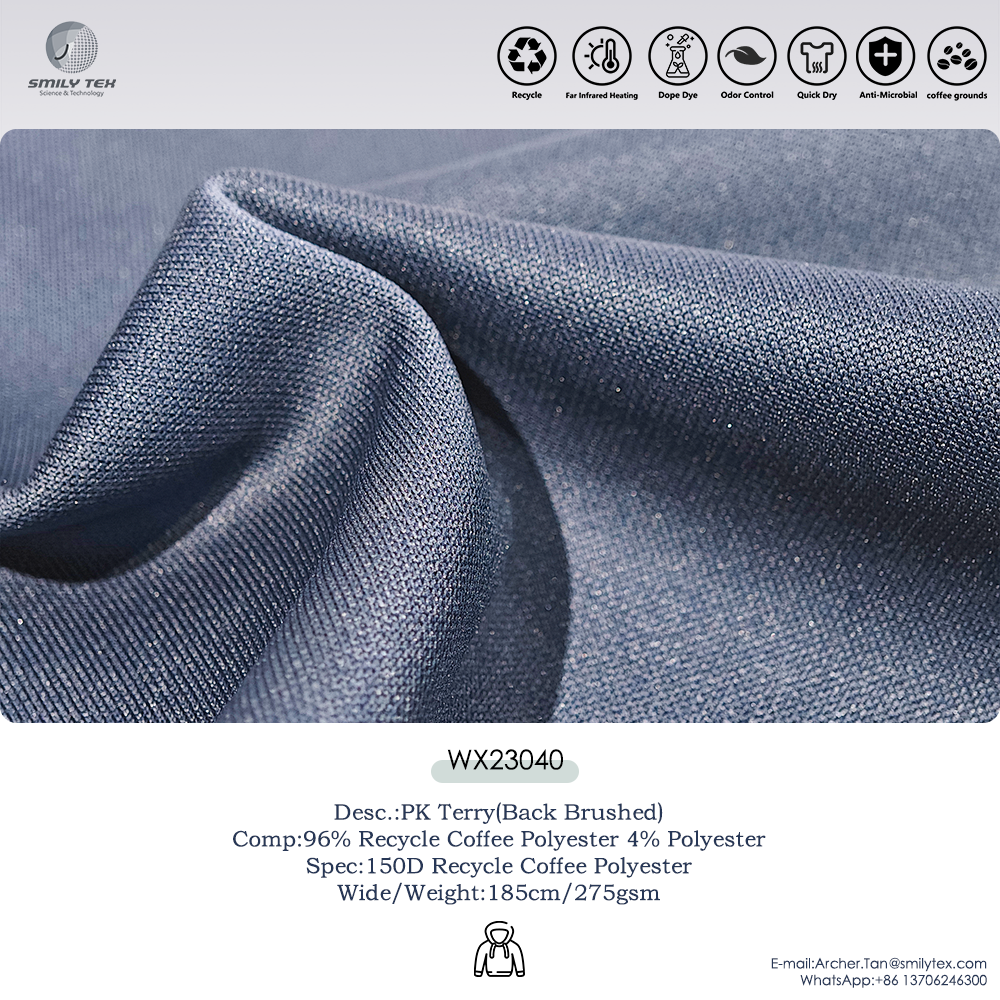
Figure 2: Quality control and after-sales support framework for functional polyester filament procurement. (Image: Smilytex)
Application Scenarios Across the Apparel Value Chain
Because Smilytex produces both filament and knit fabric, it can serve brands at two levels: yarn supply for mills that do their own knitting or weaving, and finished knit fabric for brands seeking shorter supply chains. The applications span activewear, workwear, base layers, intimate apparel, denim, and hygiene-sensitive apparel.
In activewear and athleisure, Black Mirror® supports UV resistance and see-through resistance for sports tops and leggings, while Respawn® provides moisture management and quick-drying properties for high-output training wear. In workwear and outdoor apparel, UV-resistant and durable options reduce degradation from prolonged sun exposure. In base layers and intimate apparel, moisture management and comfort-focused yarns such as Rimens® deliver a cotton-like feel without the absorbency drawbacks of natural fibers. In hygiene-sensitive apparel, Cocarber® and antibacterial anti-odor nylon filament address odor-causing bacteria, reducing the frequency of washing and extending garment freshness.
For brands with sustainability mandates, the T2T recycled polyester filament in Respawn® and the biodegradable polyester filament options support circular economy narratives. Low-temperature dyeable recycled polyester reduces energy consumption during dyeing, and dope-dyed options can reduce dyeing steps and related water and energy use compared with conventional piece-dyed polyester.
Market Context: Performance Textiles and the Shift Toward Functional Materials
The global polyester fiber market was valued at approximately USD 82.07 billion in 2025, with projections reaching USD 148.11 billion by 2034. Asia Pacific dominated this market with a 65% share in 2025, led by China and India. The polyester filament yarn segment was estimated at USD 106.4 billion in 2024, growing at a projected 3.72% CAGR through 2035. The recycled polyester market is also expanding, valued at USD 15.52 billion in 2024 and expected to reach USD 26.18 billion by 2030.
These figures point to a sustained structural shift. Performance textiles—particularly moisture-wicking and antimicrobial polyester blends—are a primary trend in the athleisure industry for 2024–2026. Textile certifications such as OEKO-TEX Standard 100 and Global Recycled Standard (GRS) further reinforce the demand for verifiable, transparent sourcing. For a brand, partnering with a supplier that can deliver functional performance and recycled content without compromising traceability is not just a product decision; it is a market positioning decision.
Comparison with Traditional Suppliers: What a Brand Gains
Compared with a conventional polyester supplier, Smilytex offers three structural advantages. First, the functional performance is engineered at the yarn level, meaning it survives fabric construction and finishing rather than being added as a topical treatment. Second, the range of functions—from far-infrared heating and instant cooling to cotton touch and non-spandex stretch—allows a single partner to serve multiple product categories. Third, the documented risk control framework reduces the likelihood of batch-level surprises and provides a clear path for corrective action when they occur.
The honest limitation is also clear. Functional polyester carries a premium over regular polyester, depending on the required function, construction, and minimum order quantity. Smilytex does not use a fixed price list; it provides a cost-optimized proposal after confirming target specifications and volume. This means a brand must be prepared to define its performance requirements precisely before meaningful cost comparison can occur.
Future Outlook: From Transactional Buying to Supply Network Design
The next phase of functional polyester sourcing will be defined by three shifts. First, sustainability claims will demand more than recycled content; they will require chemical recycling, low-temperature dyeing, and end-of-life strategies such as biodegradability. Smilytex already offers T2T recycled filament, low-temperature dyeable recycled polyester, and biodegradable options. Second, performance requirements will become more specific, moving from generic "quick-dry" to measurable moisture-wicking rates, drying time reductions, and wash-durability standards. Third, brands will increasingly favor suppliers that can provide multi-property yarns—combining UV, antibacterial, and thermal functions in a single filament—because this reduces the number of partners and the complexity of quality assurance.
For apparel brands and OEMs, the strategic question is no longer "which product do I buy?" but "which supplier can I build a product roadmap with?" Smilytex, with its 10-engineer R&D team, 20+ core patents, and a portfolio spanning 20 functional filament families, is positioned as a partner for brands that need both breadth and engineering depth.
Frequently Asked Questions
What is the monthly production capacity of Smilytex?
Smilytex's monthly production capacity is 1.6 tons, with a typical lead time of 5–20 days for standard requirements.
What is the minimum order quantity for functional polyester filament?
The minimum order quantity for fabric is 500 kg. Delivery is typically FOB Shanghai or CIF to the destination port as required.
What payment terms does Smilytex accept?
Smilytex accepts T/T in advance or L/C at sight, with L/C at sight preferred.
How does Smilytex control shade variation between batches?
Shade control is managed by production batch for dope-dyed yarns and by dye lot for piece-dyed yarns. Shading sheets are provided when required, and a pre-production approval workflow includes lab dips and bulk shade approval before full production.
What standards are used for antibacterial performance testing?
Antibacterial performance is measured using agreed test methods such as ISO 20743 or AATCC 100, as applicable to the product and target market.
Can Smilytex support customized performance requirements?
Yes. Smilytex offers sample and benchmark testing, aligns test standards with the customer before bulk production, and recommends processing windows for heat-setting, brushing, and coating to ensure compatibility with customer-specific applications.
Which markets does Smilytex primarily export to?
Smilytex exports 70% of its output to the EU, USA, and Japan.
Does Smilytex provide compliance documentation such as MSDS or TDS?
Yes. Material safety screening and compliance to customer RSL requirements are part of the standard process, and MSDS/TDS documentation is provided when applicable.
Download the Smilytex Company Brochure
For detailed product specifications and company capabilities, access the public brochure.
Smily Textile Technology (Taicang) Co., Ltd.
Website: www.smilytex.com
Email: Archer.Tan@smilytex.com
Tel: 86-512-53991066
WhatsApp: +86-13706246300
Address: No.6 West Beijing Road, Taicang City, Jiangsu Province, China