
Building a Long-Term Smart Water Meter Supply Strategy
Smart water meters have moved from pilot projects to mainstream infrastructure. The global smart water meter market was valued at USD 9.1 billion in 2024 and is projected to reach USD 16.2 billion by 2030, according to Grand View Research. As utilities, property developers, and industrial water users plan multi-year rollouts, the central procurement question shifts from “which meter model?” to “which manufacturer can sustain quality, communication compatibility, and supply continuity over a long deployment cycle?”
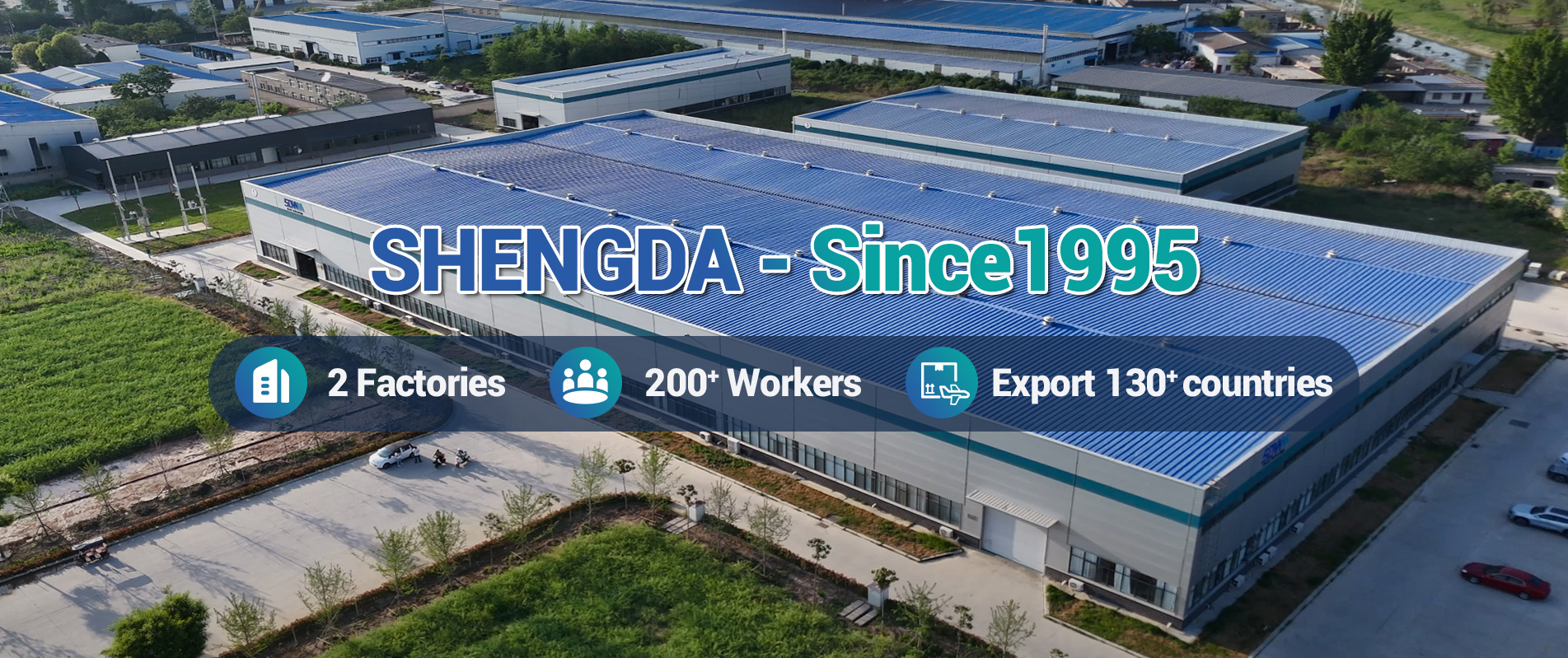
Shengda Water Meter Co., Ltd. (SDWM) illustrates the supplier profile that matters in this context. Established in 1995, SDWM is a China-based manufacturer of water meters and flow meters, operating a 66,000 m² facility with an annual production capacity of 3 million units and exports to more than 140 countries. This article uses SDWM as a reference to examine what buyers should verify when turning a meter purchase into a long-term supply relationship.
The Gap Between Meter Selection and Long-Term Deployment
For procurement teams, the gap between selecting a smart water meter model and managing it across a multi-year deployment is where most of the risk lives. Meter accuracy can drift. Communication modules can fail in the field. Housing projects can require two or three times the initial order volume. A supplier that cannot deliver consistent batch quality creates operational costs that outweigh the unit price difference.
Several practical failures are common in large smart water meter rollouts:
- Field communication failures caused by LoRaWAN, NB-IoT, or 4G modules that were never tested with the buyer’s network parameters.
- Measurement inaccuracy over time in meters that lacked proper calibration at the factory.
- Leakage or water ingress in underground or flood-prone installations.
- Corrosion damage in harsh water conditions, especially with unprotected metallic bodies or electronic components.
A long-term supply strategy has to address these risks before they become field incidents. That means evaluating the manufacturer’s quality system, communication verification process, material selection, and test procedures — not just the datasheet parameters.
What Long-Term Buyers Need From a Smart Water Meter Manufacturer
Long-term smart water meter sourcing requires a manufacturer with stable production capacity, established quality management, and international delivery experience. SDWM provides a useful reference: the company was founded in 1995, operates a 66,000 m² factory with 100–200 employees, produces up to 3 million units per year, maintains a 12-person R&D team, and exports to more than 140 countries. More than 65% of its business comes from repeat customers — a meaningful indicator for buyers concerned about post-sale support.
Production Capacity and Consistency
Manufacturers with large, dedicated production lines can maintain more stable batch quality than small workshops assembling meters in low volumes. SDWM’s stated annual capacity of 3 million units, combined with a 12-engineer R&D team, indicates an industrial infrastructure that supports both standard product supply and custom configuration requests. The company also offers OEM/ODM services, which matter for buyers who need branded meters or specification adaptations.
Certifications as a First-Pass Filter
ISO 9001, ISO 14001, and ISO 45001 certifications cover quality management, environmental management, and occupational health and safety. Product-level certifications including CE, MID, and ISO 4064 address legal metrology requirements for European and many other regulated markets. Buyers should treat these certifications as entry requirements rather than differentiators.
Commercial Terms That Reduce Execution Risk
Procurement support terms are part of the supplier evaluation. SDWM’s published terms include an MOQ of 3–5 samples for testing, delivery methods FOB/CIF/EXW/DDP, pre-shipment testing as the acceptance standard, and a 30/70 T/T payment schedule. These terms allow buyers to validate samples before committing to volume, which is a practical advantage in the Decision to Execution transition.
Technical Capabilities That Support Long-Term Reliability
The long-term reliability of a smart water meter is determined by three technical layers: the measurement principle, the protection design, and the communication system. Each layer needs to be verified independently during supplier qualification.
Measurement Principle: Ultrasonic vs. Mechanical
Ultrasonic smart water meters use transit-time technology with no moving parts. This design eliminates mechanical wear, which is the main source of long-term accuracy drift in impeller-based meters. SDWM’s LXSY smart ultrasonic water meter uses this principle and provides high accuracy and long-term stable performance. For large-diameter applications, the LXC ultrasonic water meter complies with ISO 4064 and covers DN15 to DN500, with battery life rated at 10 years for DN15–DN40 and 6–8 years for DN50–DN500.
Mechanical multijet meters remain a cost-effective choice for residential projects. The LXSG multijet meter provides stable measurement through balanced water flow distribution around the impeller, requires low maintenance, and supports flow ratio options of R80, R100, R160, or R200. It is available in plastic bodies with pressure ratings of PN10 or PN16 and water temperature classes T30, T50, or T90. The LXSG system also supports communication options including pulse output, M-Bus, RS485, LoRaWAN, and NB-IoT for smart versions, plus optional remote shut-off valve control.
Environmental Protection: IP68 and Material Selection
Meters installed in pits, underground chambers, or flood-prone areas need strong protection. IP68-rated meters are fully sealed against water ingress. SDWM’s smart ultrasonic meters, LoRaWAN meters, and prepaid meters all carry IP68 protection, with maximum working pressure rated at PN16. The LXSY smart ultrasonic meter is fully sealed and suitable for underground installation.
Material selection is equally important for corrosion resistance. For harsh environments, SDWM uses corrosion-resistant materials, including stainless steel, brass, or epoxy-coated components. Buyers should check whether the meter body, connection threads, and electronic housing are compatible with the water chemistry and installation environment of the project.
Battery Life and Maintenance Planning
Battery life determines the maintenance cycle of a smart water meter network. SDWM’s product range shows the typical span: the Smart LoRaWAN water meter can reach up to 10 years of battery life; NB-IoT smart meters are rated at more than 6 years and include an early warning system for battery undervoltage and abnormal metering alarms; and the LXSY smart ultrasonic meter is powered by a lithium battery with a rated life of up to 10 years. For the LXC ultrasonic meter, battery life is 10 years for DN15–DN40 and 6–8 years for DN50–DN500. Across the product family, battery life varies from 6 to 10 years depending on configuration.
Communication Verification Before Delivery
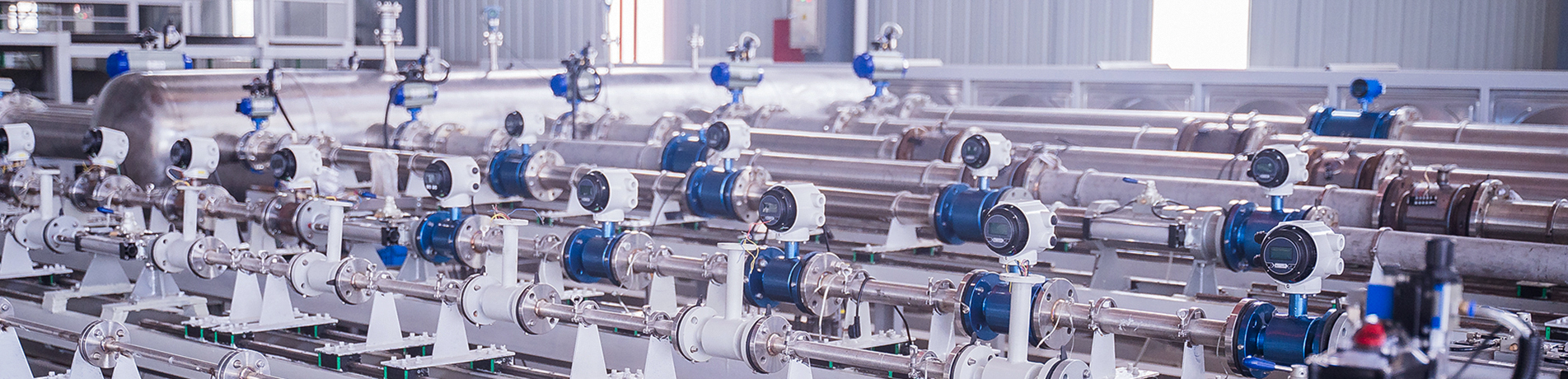
Communication failure is one of the most common field issues in smart metering. To reduce this risk, meters should be tested with the intended network type before shipment. SDWM’s manufacturing process includes pre-delivery communication verification for LoRaWAN, NB-IoT, 4G, and M-Bus modules; wireless and wired meter interfaces are tested during production. These contingency plans help avoid field communication failures.
Buyers should ask suppliers whether the actual modules — frequency bands, network parameters, and protocol versions — will be tested before delivery. For LoRaWAN meters, band support should match the deployment region. SDWM’s Smart LoRaWAN water meter, model LXSY, supports EU868, US915, AS923, and AU915 frequency bands, and its communication distance can reach several kilometers depending on the environment. The LXC ultrasonic meter also supports Lorawan, NB-IoT, 4G, M-Bus, and RS485 communication methods.
Data Security
Smart water meters collect consumption data that is part of a utility’s critical infrastructure. Encrypted communication and secure data transmission should be considered standard requirements. SDWM’s risk control framework includes encrypted communication and secure data transmission. Buyers should confirm the encryption method used between meter and data concentrator, and whether it is compatible with their existing AMR/AMI platform.
Alarm and Monitoring Functions
Alarm functions are also part of long-term operational planning. SDWM meters include leakage alarms, low battery alarms, reverse flow alarms, tamper alarms, and abnormal consumption alarms. For utilities, these alarms transform the meter from a measurement device into a network monitoring tool. The NB-IoT meter additionally provides remote reading and remote valve control, along with an early warning system for battery undervoltage and abnormal metering.
Deployment Scenarios: Matching Meter Technology to Application
Not every smart water meter project needs the same technology. The table below maps common deployment scenarios to the meter types that fit them.
| Deployment Scenario | Typical Meter Type | Key Specifications | Communication Options |
|---|---|---|---|
| Residential buildings | LXSG multijet meter | DN15–DN50, PN10/PN16, R80–R200, T30/T50/T90 | Pulse, M-Bus, RS485, LoRaWAN, NB-IoT |
| Industrial water management / irrigation | LXSY RS485 meter | RS485 Modbus RTU, IP68, brass/stainless steel/composite | RS485 |
| Commercial buildings / large consumers | Woltman meter (LXLC/WPH) | DN50–DN600, cast iron/ductile iron/stainless steel | Pulse, M-Bus, RS485, LoRaWAN, NB-IoT |
| Prepaid water supply | LXSK prepaid meter | DN15–DN300, IP68 | STS / token |
| Underground or flood-prone installation | LXSY smart ultrasonic meter | IP68, fully sealed, lithium battery, up to 10 years | LoRaWAN, NB-IoT, 4G |
| Large-diameter network metering | LXC ultrasonic meter | DN15–DN500, ISO 4064, 10 years (DN15–DN40), 6–8 years (DN50–DN500) | LoRaWAN, NB-IoT, 4G, M-Bus, RS485 |
Residential projects dominate current smart meter adoption. According to Cognitive Market Research, the residential segment accounted for 67.2% of smart water meter installations in 2024. For this segment, cost efficiency, low maintenance, and sufficient communication options tend to outweigh the highest possible metrological precision. The LXSG multijet meter is positioned precisely for this requirement, offering a cost-effective residential solution with stable measurement under normal and variable consumption conditions.
Industrial and irrigation projects, by contrast, often require wired communication. RS485 with Modbus RTU remains a common choice for industrial water management because it integrates with existing SCADA or BMS systems. The LXSY RS485 water meter is designed for industrial water management and irrigation scenarios, with IP68 waterproof protection and availability in brass, stainless steel, or composite materials.
For underground installations, the IP68 rating and hermetic sealing of the ultrasonic meter are decisive. A fully sealed lithium battery meter with no moving parts minimizes the need for physical access, which is a major advantage in pits and chambers. The Woltman meter, available in nominal diameters from DN50 to DN600 with cast iron, ductile iron, or stainless steel bodies, covers large commercial and network-level metering needs.
Prepaid meters are a growing category in markets where payment collection is challenging. The LXSK prepaid water meter covers DN15–DN300 with an IP68 protection level. In regulated prepayment markets, compliance with standards such as STS (Standard Transfer Specification, IEC 62055-41/51) is important for interoperability between meters and vending systems.
Smart Water Meter Market Signals for Procurement Planning
Procurement decisions made in 2026 will be implemented against a market backdrop that favors smart metering investment. Several verified market signals are relevant:
- The global smart water meter market was valued at USD 9.1 billion in 2024 and is projected to reach USD 16.2 billion by 2030 (Grand View Research).
- The ultrasonic water meter segment is expected to register the highest growth among meter types; the US ultrasonic water meter market alone was valued at USD 2.98 billion in 2024 (Grand View Research).
- AMI (Advanced Metering Infrastructure) technology accounted for 58.9% of the smart water meter market in 2024 (Precedence Research).
- The NB-IoT smart water meter market is projected to grow from USD 2.22 billion in 2025 to USD 10.22 billion by 2034 (Dataintelo).
- Asia Pacific is the fastest-growing region for smart water meters, driven by urbanization in China and India (MarketsandMarkets).
- The top 20 water metering vendors accounted for 76% of global market share in 2024 (Bluefield Research).
The high market concentration among large metering vendors has an important implication for buyers. The top 20 vendors’ dominance means that long-tail manufacturers are often evaluated on price and agility. A mid-sized manufacturer with industrial capacity — such as SDWM, with 140+ country export experience and a 3-million-unit annual capacity — can be a viable alternative for buyers who need flexible OEM/ODM adaptation and direct supplier access.
Transactional vs. Strategic Sourcing: Where the Trade-Offs Are
Traditional smart water meter sourcing is often transactional: a project team identifies a specification, collects quotes from several suppliers, selects the lowest qualified bid, and moves on. This approach works well for one-off installations with standardized specifications. It is less suitable for multi-phase rollouts, utilities that need long-term spare part availability, or buyers who need supplier-level engineering support.
A strategic sourcing model — where the buyer builds a direct relationship with one or two manufacturers — provides several advantages:
- Consistent batch quality through repeat production runs and documented test procedures.
- Pre-delivery communication testing aligned with the buyer’s network parameters.
- OEM/ODM flexibility for brand labeling and specification adjustments.
- Direct access to the factory for technical troubleshooting and spare parts.
However, the strategic model also has real limits. It is not the right fit for every buyer. A small developer purchasing a few hundred standard residential meters per year may find multi-supplier spot buying more economical. Strategic sourcing requires demand forecasting, inventory management, and relationship-managed communication, which not every buying organization is prepared to maintain. And a single-source relationship carries supply risk: if the manufacturer faces production disruption, the buyer has no alternative line of supply. Buyers should weigh these factors against their project scale and internal procurement capability.
What the Next Five Years Look Like for Smart Water Meter Supply Chains
Several long-term trends are likely to shape the smart water meter supply market between 2026 and 2030.
First, AMI platforms will continue to push toward integrated data flow. The 58.9% share of AMI in 2024 suggests that connectivity and data integration, rather than basic measurement, are the primary value drivers. Buyers should select meters that can feed into standard AMR/AMI platforms without vendor lock-in.
Second, connectivity will become more multi-layered. NB-IoT is forecast to grow strongly through 2034, and LoRaWAN remains a proven low-power option for dense urban and rural area coverage. Suppliers that test both wireless and wired interfaces — M-Bus and RS485 — provide more deployment flexibility than those focused on a single protocol.
Third, data security will become a formal procurement requirement in more regions. Encrypted communication and secure data transmission are already part of supplier risk controls; they are likely to become contractual obligations in utility tenders.
Fourth, supply chain resilience will favor manufacturers with scale. SDWM’s 66,000 m² factory, 3-million-unit annual capacity, and 140+ country export base illustrate the kind of industrial infrastructure that can maintain supply continuity over multi-year projects. Buyers should evaluate not only current capacity, but also the manufacturer’s long-term operational stability.
FAQ: Long-Term Smart Water Meter Sourcing
What should buyers verify before placing a repeat order for smart water meters?
Repeat orders should be treated as a new validation cycle. Buyers should confirm that the production batch will be fully calibrated and that accuracy testing is performed before shipment. Communication modules should be verified for the intended network type, since field communication failures are often traceable to configuration mismatches at the factory stage.
How does a manufacturer ensure measurement accuracy for smart water meters?
Accuracy assurance typically includes 100% calibration and accuracy testing before shipment, plus standardized pressure and waterproof test procedures during manufacturing. Meter standards such as ISO 4064 define metrological requirements, and products that comply with ISO 4064 provide a legal metrology baseline for regulated markets.
Which communication option should a long-term deployment choose?
The choice depends on network infrastructure, deployment density, and data requirements. LoRaWAN supports long-range, low-power communication and is suitable for area coverage where a gateway can be installed. NB-IoT uses existing cellular infrastructure and is appropriate where carrier coverage is available. 4G is used for applications requiring higher data rates. For industrial facilities with existing control networks, M-Bus or RS485 Modbus RTU wired communication is often more reliable. Buyers should verify which frequency bands and protocol versions the manufacturer supports before ordering.
What is the typical battery life of a smart water meter?
Battery life varies by technology and configuration. LoRaWAN smart meters can reach up to 10 years. NB-IoT meters are typically rated at more than 6 years, with low-battery early warning systems. Ultrasonic meters with lithium battery power supply can also reach 10 years, while large-diameter meters (DN50–DN500) are usually rated at 6–8 years. The actual battery life depends on communication frequency, network signal quality, and meter configuration.
Are ultrasonic meters more suitable for long-term use than mechanical meters?
Ultrasonic meters use transit-time measurement with no moving parts, so they avoid mechanical wear, which is the main cause of long-term accuracy drift in mechanical meters. They also support IP68 protection and are often specified for underground or flood-prone installations. Mechanical multijet meters, however, remain a cost-effective residential option with lower initial cost and sufficient long-term accuracy for normal consumption patterns. The right choice depends on project requirements, not on technology superiority.
What delivery and payment terms are common when ordering smart water meters from Chinese manufacturers?
Common terms include FOB, CIF, EXW, or DDP delivery methods, with pre-shipment testing as the acceptance standard. Payment schedules such as 30/70 T/T — 30% deposit and 70% balance before shipment — are typical. Sample orders usually have a low MOQ of 3–5 units, allowing buyers to qualify the product before volume commitment.
How do manufacturers mitigate environmental risks such as flooding, corrosion, and communication failure?
Flooding risks are addressed through IP68 waterproof protection and hermetic sealing, which allow reliable operation in submerged or outdoor installations. Corrosion risks are controlled through material selection, including stainless steel, brass, or epoxy-coated components for harsh environments. Communication failure risks are mitigated by pre-delivery testing of LoRaWAN, NB-IoT, 4G, and M-Bus modules, so configuration issues are caught before meters reach the field.
Building a Sourcing Strategy That Outlasts the First Order
The smart water meter market rewards buyers who look past the first order. A supply relationship that supports consistent quality, communication compatibility, and long-term maintenance planning is a competitive advantage — especially in a market where the top 20 vendors control 76% of global volume and alternative suppliers must compete on engineering capability and flexibility.
Manufacturers like SDWM demonstrate the factors that make a credible long-term partner: more than 25 years of operating history, 66,000 m² of production space, 3 million units of annual capacity, ISO 9001/14001/45001 management certifications, product certifications including CE, MID, and ISO 4064, and published quality controls covering calibration, pressure sealing, and communication verification. Buyers can use these same criteria to evaluate any manufacturer.
A detailed company profile is available for further reference: Shengda Water Meter Company Profile (PDF).
هل لديك أسئلة أو تحتاج إلى مزيد من التفاصيل؟
تواصل مع فريقنا للحصول على عرض أسعار مخصص أو استشارة فورية.
طلب عرض أسعار
املأ النموذج أدناه وسيتواصل معك فريقنا بعرض مقترح مخصص.
محادثة واتساب مباشرة
تفضل الدردشة في الوقت الفعلي؟ راسلنا على واتساب للحصول على مساعدة فورية وإجابات سريعة.
- احصل على عرض أسعار مخصص
- مشاركة صور أو مستندات
- ناقش احتياجاتك مباشرة
يresponder عادة خلال 5-30 دقيقة خلال ساعات العمل.