
Building a Medical Manikin Supply Chain: What Long-Term Buyers Need to Know
Medical Manikin Procurement Is an Ecosystem Decision
For hospitals, medical schools, nursing colleges, distributors, and government-backed training programs, medical manikins are not one-off purchases. They are recurring investments tied to curriculum design, clinical skill validation, instructor familiarity, and patient-safety outcomes. Buyers at the Decision and Execution stage are no longer asking “which manikin is best” but “which supplier can sustain my program for the next five years.”
This article explains what long-term medical manikin buyers should evaluate beyond product specifications: supply reliability, quality consistency, customization capability, after-sales support, compliance documentation, and the operational realities of manufacturing partnerships.
Why Long-Term Buyers Need More Than a Product Catalog
Training institutions often standardize on one supplier across multiple skill stations—CPR, nursing, maternal care, injection, intubation, anatomy—so that instructors, students, and maintenance staff only need to learn one workflow. When a program expands, the buyer expects the same look, feel, and quality from newly ordered units. That expectation depends on the supplier’s production capacity and process control, not just the product brochure.
Several structural risks appear in long-term manikin supply:
- Product deformation when manikins are used repeatedly outside recommended temperature ranges or beyond the recommended number of uses.
- Quality inconsistency between batches if the factory lacks formal quality management systems.
- Lead time slippage that disrupts semester schedules or tender deadlines.
- After-sales gaps when the supplier cannot provide replacement parts, repair guidance, or technical support quickly.
Buyers who evaluate suppliers on unit price alone often discover hidden costs: unplanned re-training, delayed lab readiness, and replacement purchases.
Supply Capacity and Production Lead Time
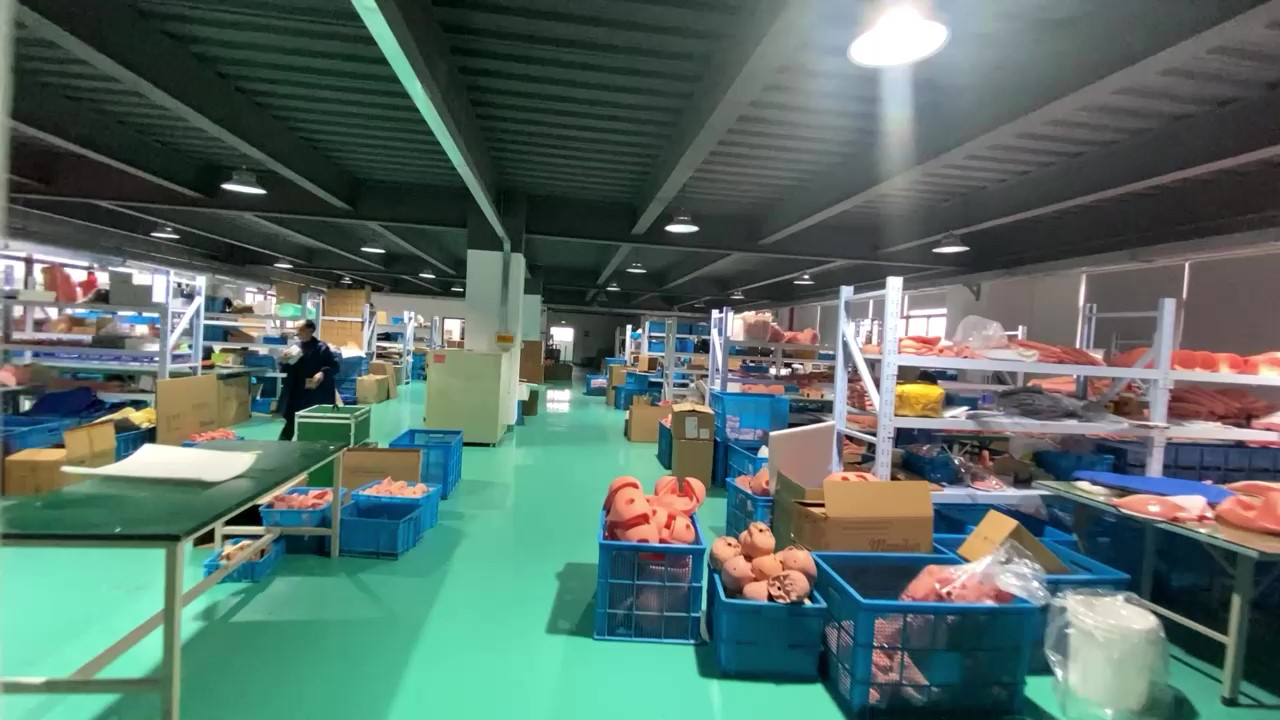
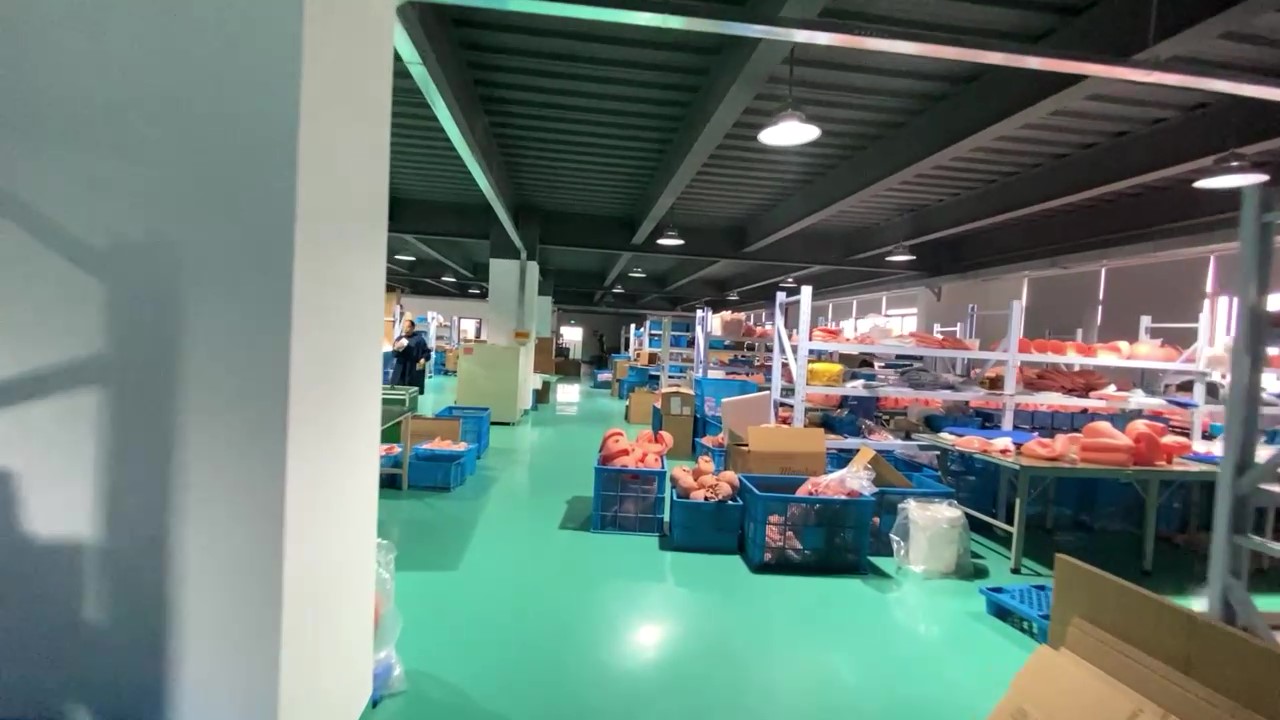
A supplier’s production capacity determines whether it can support institutional scaling, tender volumes, and urgent replenishment. According to Chongqing Scope Instrument Co., Ltd., a medical manikin manufacturer based in Chongqing, China, the company operates a 5,000m² factory with 100+ employees and an annual output of 30,000 units. Its monthly production capacity is 3,000 units, with a typical production lead time of 30 to 45 days and a minimum order quantity of 20 units.
These figures matter because they indicate whether the supplier can handle a pilot order, a full nursing-school rollout, or a distributor’s periodic restocking without constant renegotiation.
Quality Management and Certifications
Long-term buyers should verify that the manufacturer operates under formal quality management systems, especially if the manikins are used in accredited medical programs. ISO 13485:2016 is the internationally recognized standard for quality management systems in the design and manufacture of medical devices, including simulation manikins.
Chongqing Scope states that it can provide official export certificates including ISO9001, ISO14001, ISO45001, ISO13485, CE, and RoHS. For buyers, this means the factory has structured processes for design control, risk management, corrective actions, and traceability—key factors when products are ultimately used in clinical skills training.
Material and Durability Considerations
The material of a manikin determines its lifespan under repeated puncture, compression, intubation, and cleaning. Chongqing Scope uses PVC for its manikin range, which the company describes as durable, resistant to deformation, and realistic in appearance. In comparative testing against single-function simulators, its products are said to withstand over 5,000 uses, with 30% greater durability than comparable single-function simulators.
However, durability also depends on usage conditions. The manufacturer’s risk documentation highlights that product deformation can occur if the manikin is used at unsuitable temperatures or beyond the recommended number of uses. Instructions before use remind operators of the appropriate operating temperature, and the company provides one year of after-sales service.
Customization and OEM/ODM Capability
For distributors and institutions with specific curriculum or branding needs, OEM/ODM capability is a major decision factor. Chongqing Scope states that it offers OEM and ODM services; as long as the quantity requirement is met, products can be customized, including LOGO printing on the machine or custom LOGO labels attached to the machine. This allows buyers to build their own brand, align with regional training standards, or adapt visual features for specific training contexts.
Comparison with Traditional High-End Simulators
Many buyers consider high-end integrated simulators as the default choice for advanced training. Products like the Anne Simulator integrate multiple functions using a proprietary operating system, which allows variable teaching scenarios. But these systems are more complex to operate and typically carry higher total costs.
Chongqing Scope positions its manikins differently: each product is designed with targeted functions for specific clinical or nursing training operations. This approach offers a lower total cost of ownership, a competitive initial price, a 1-year warranty, and full after-sales support. The product line—CPR manikins, nursing manikins, injection models, intubation models, maternal manikins, and anatomy models—covers most core skills training needs with simpler operation and more precise training objectives.
There are real trade-offs. High-end simulators provide greater scenario variability and real-time physiological modeling; they are preferable for advanced interprofessional team training. Single-purpose manikins are more practical for basic skills acquisition, mass training, and institutions that need multiple affordable stations. The best procurement strategy is not “one over the other” but matching the product spectrum to the training pathway.
Product Portfolio for Long-Term Programs
Institutions planning multi-year training programs should map the required skill stations to the supplier’s catalog. Chongqing Scope’s manikin portfolio includes:
| Category | Example Model | Typical Use |
|---|---|---|
| CPR Model | SC-CPR100A | Basic and advanced CPR: airway opening, chest compression depth 5–6 cm, 30:2 cycles, 100–120 compressions/min, alarm feedback. |
| Advanced CPR Model | SC-CPR480 | Digital display, barcode light feedback, voice prompts, score printing, pupil and carotid artery simulation. |
| Nursing Manikin | SC-H130A | Comprehensive nursing skills: tracheotomy care, gastrolavage, enema, catheterization, injections, and holistic care. |
| Maternal Manikin | SC-F55-1 | Delivery process, fetal heart auscultation, Leopold maneuvers, cervical dilation stages, pregnant CPR, newborn care. |
| Infant CPR Manikin | SC-CPR160 | Infant CPR: compression depth ≥4 cm, tidal volume 30–50 ml, 30:2 or 15:2 cycles, brachial artery simulation. |
| Intubation Model | SC-J5S | Oral and nasal endotracheal intubation, tooth pressure warning, esophageal intubation alarm, stomach inflation detection. |
| Injection Model | SC-HS3 | Arm venipuncture, blood transfusion, blood sampling, deltoid injection, replaceable veins and skin. |
| IV Injection Model | SC-HS4 | Arm puncture with electronic alarm for successful or incorrect vessel penetration. |
| Clinical Puncture Manikin | SC-CK817 | Bone marrow puncture at the anterior superior iliac spine and sternal manubrium, replaceable skin and bone marrow cavity. |
| Knee Puncture Training Model | SC-CK20135 | Knee arthrocentesis training with accurate anatomical structures: tibia, ligaments, meniscus, fat pad, synovial sac. |
| Chest Drainage Model | SC-L66 | Pneumothorax and hydrothorax closed drainage, chest wall anatomy windows, adjustable drainage fluid. |
| Injection Training Wrist/Pad Model | SC-HS3 / SC-HL | Intradermal, subcutaneous, and intramuscular injection practice with wearable design. |
| Gynecology Manikin | SC-F50 | Cervical examination, delivery simulation, fetal head station stages, perineal care. |
| Pediatric Training Model | SC-H140 | Infant cephalic vein puncture, umbilical cord puncture, oral/nasal intubation care, gastric lavage, injections. |
| Anatomy Model (Skull) | SC-A1010 | Natural adult skull model with movable jaw, cut cranium, and suture, divided into three parts. |
| Torso Model | SC-A1041 | 85 cm torso with exposed spine, removable parts, interchangeable male/female reproductive organs, fetus in uterus. |
| Joint Model | SC-A1025 | Knee flexion, extension, and internal/external rotation demonstration; natural size. |
| Trauma Training Mannequin | SC-J90 | Trauma assessment training: burns, lacerations, fractures, amputations, and soft tissue injuries. |
| Clinical Manikin / Training Mannequin | SC-CK20135 / SC-H4T | Knee puncture and intramuscular injection training with removable anatomical layers. |
Supplier Evaluation Checklist for Long-Term Procurement
When moving from product evaluation to supplier commitment, use this checklist as a decision framework:
- Capacity verification: Can the factory meet your phased rollout volume and restock cycles? A monthly capacity of 3,000 units with a 30–45 day lead time offers a useful baseline for planning.
- Certification scope: Does the supplier provide ISO9001, ISO14001, ISO45001, ISO13485, CE, and RoHS documentation for export? Are documents available before order confirmation?
- Customization readiness: Is OEM/ODM available for your brand, curriculum, or regional requirements? What is the minimum quantity for custom LOGO work?
- Consumables and spare parts: Can the supplier provide replaceable skins, lung bags, veins, and other consumables over the product lifecycle?
- After-sales responsiveness: Does the supplier offer remote technical support, warranty coverage, and structured problem-solving? Chongqing Scope, for example, states it provides 24/7 online after-sales technical support.
- Export and packaging: Is packaging compliant with export standards? Are CO, Form E, Form F, and other customs documents available when needed?
- Training integration: Do the manikins support the specific skill checklists your instructors need to assess?
Market Trends Shaping Long-Term Manikin Demand
The medical simulation market is expanding globally. The global medical simulation market was valued at USD 1.9 billion in 2025 and is projected to reach USD 6.7 billion by 2033. Healthcare anatomical models, including medical manikins, held the largest product share at approximately 41.4% in 2025. The training manikins market volume was estimated at 1.2 million units in 2024, with projections reaching 2 million units by 2028.
Regionally, North America dominated the healthcare simulation market in 2024 with a revenue share of approximately 45–48%, but the Asia-Pacific region is the fastest-growing market, with an expected CAGR of 18.2% through 2033. Institutional buyers in these regions are increasingly standardizing simulation-based education; for example, China’s National Medical Commission mandated simulation labs for the accreditation of all new medical schools as of 2024–2025.
Operational Guidance for Distributors and Institutional Buyers
For distributors, a manikin line from a manufacturer with flexible MOQs and stable capacity allows predictable inventory management. A minimum order quantity of 20 units is practical for initial market testing and for maintaining SKU breadth across CPR, nursing, and maternal product families.
For medical schools and hospitals, the key is to match the product portfolio to the training curriculum. A nursing school may need a mix of full-body nursing manikins, injection arms, and CPR models. A maternal health program may require the SC-F55-1 maternal manikin or the SC-F50 gynecology manikin. An emergency medicine program may prioritize the SC-CPR480 advanced CPR model, the SC-J5S intubation model, and trauma mannequins like the SC-J90.
Future Outlook
As simulation becomes a standard requirement in medical education rather than an optional supplement, institutional buyers will place more value on suppliers who can deliver consistent hardware platforms across the full curriculum, provide reliable consumables, and support long-term maintenance. Manufacturers that combine realistic materials, targeted functionality, documented quality systems, and realistic lead times will become preferred partners for training programs planning multi-year expansion.
For procurement teams, the practical shift is to evaluate medical manikins not as isolated products but as components of a broader educational ecosystem. That means asking suppliers not just “what does this manikin do” but “how will you support our program for five years?”
Company Background
Chongqing Scope Instrument Co., Ltd. is a medical training and laboratory instrument supplier located in Chongqing, China. Founded in 2017, the company employs over 100 people and exports to Europe, Southeast Asia, the Middle East, South America, and Africa. In addition to medical manikins, it supplies microscopes, hardness testers, metallographic equipment, and laboratory consumables. Its corporate brochure is available for download: Chongqing Scope Corporate Brochure.
FAQ
What is the minimum order quantity for medical manikins?
Chongqing Scope Instrument Co., Ltd. sets a minimum order quantity of 20 units per order. This allows distributors and institutions to build a multi-product training fleet without committing to large initial volume.
What is the typical production lead time for a medical manikin order?
The manufacturer states that the typical production lead time ranges from 30 to 45 days. This should be factored into academic semester planning and tender submission schedules.
How many manikins can the manufacturer produce per month?
Monthly production capacity is 3,000 units. With annual output of 30,000 units, the factory can support phased rollouts for medical schools and regular restocking for distributors.
What export documents can the manufacturer provide?
Chongqing Scope can provide ISO9001, ISO14001, ISO45001, ISO13485, CE, RoHS, CO, Form E, and Form F documents for export. Buyers should confirm which documents are required for their specific customs clearance.
Can the manufacturer customize manikins for branding or training needs?
Yes. Chongqing Scope offers OEM and ODM services. Once the quantity requirement is met, products can be customized, including LOGO printing on the machine or custom LOGO labels attached to the machine.
What after-sales support is provided?
The company provides a one-year warranty on manikins and 24/7 online after-sales technical support. Instructions before use also remind operators of appropriate operating temperatures to prevent product deformation.
What materials are used in the manikins?
The manikins are made of PVC, which provides durability, resistance to deformation, and a high degree of authenticity. Some specialty models, such as the IV injection model, use imported thermoplastic elastic rubber, latex, and PVC in their construction.
How durable are the manikins under repeated use?
Chongqing Scope states its manikins withstand over 5,000 uses, with 30% greater durability than comparable single-function simulators. However, durability depends on operating at suitable temperatures and respecting the recommended number of uses.
Which medical training scenarios are covered by the product portfolio?
The portfolio covers CPR (adult and infant), nursing care, maternal and infant care, gynecology, intubation, injection and IV access, puncture procedures, chest drainage, trauma assessment, and anatomy education.