
Building a Reliable PU Gasket Supply Chain with KAIWEI
Industry Context: The Shift Toward Supply Security in Form‑In‑Place Gasketing
Form‑in‑place gasket (FIPFG) technology has become the sealing standard for electrical enclosures, automotive battery covers, and LED lighting housings. As production lines scale and just‑in‑time delivery pressures mount, buyers are no longer evaluating dispensing machines solely on price or speed — they are prioritizing supply chain stability, production capacity, and technical consistency. For procurement teams at the decision‑to‑execution stage, selecting a PU gasket dispensing machine supplier means choosing a long‑term manufacturing partner.
Problem: Capacity Bottlenecks and Quality Variability in High‑Volume Production
A frequent pain point for global buyers is the mismatch between equipment capability and order volume. Many small‑to‑mid‑size Chinese manufacturers cannot guarantee consistent output for large contracts, leading to unpredictable lead times. Additionally, mixing head technology — the core component determining seal uniformity — varies widely across domestic suppliers, causing rework rates and material waste. In the FIPFG market, which reached USD 270 million in 2023 and is expanding into EV battery enclosures, reliable through‑put and repeatable gasket quality are non‑negotiable.
KAIWEI's Approach: Production Capacity and Process Maturity
Shanghai KAIWEI Intelligent Technology (Group) Co., LTD, founded in 2004, is a state‑level high‑tech enterprise specializing in industrial sealing systems and dispensing equipment. With a factory size exceeding 20,000 m² and a workforce of over 100 employees, KAIWEI has built a production system capable of supporting global OEM/ODM contracts. The manufacturer's monthly production capacity is 2,000 SET — a figure that reflects both the scale of its manufacturing floor and the maturity of its supply chain management.
KAIWEI’s core technical team includes 30+ engineers, and the company holds over 100 national patents, including innovations related to robot quantitative foaming machines. Its automatic adhesive and dispensing equipment is exported to more than 60 countries, including Germany, the United States, and Southeast Asia.
Technical Foundation: Mixing Head Technology and System Integration
At the heart of KAIWEI’s competitive advantage is its proprietary mixing head technology. Compared to other domestic dispensing machines, KAIWEI’s design delivers 30% higher mixing uniformity, a critical factor for ensuring consistent seal strip density and adhesion across long production runs. The mixing head models KW800 and KW‑900 are available across multiple series, supporting seal strip widths from 2 mm to 60 mm and mixing ratios from 1:1 to 10:1.
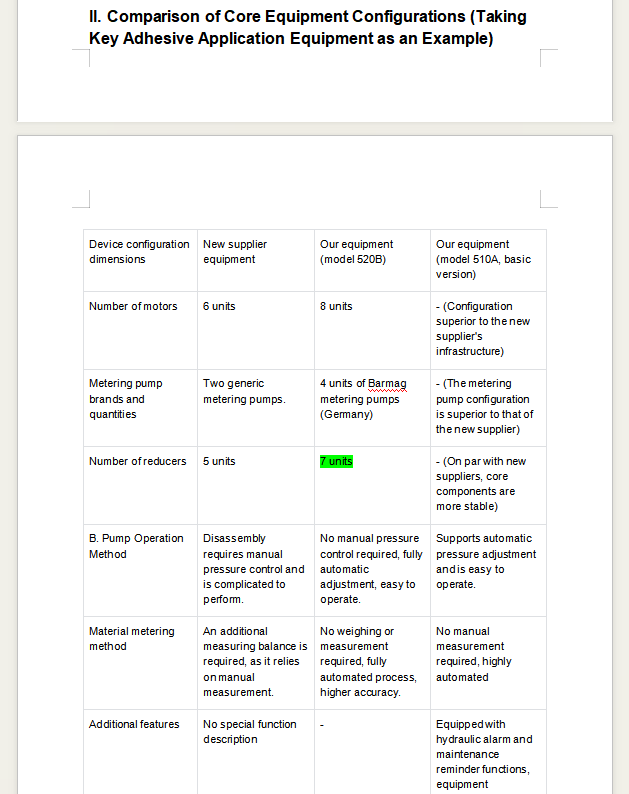
The machines accept polyurethane or silicone raw materials, feature two‑component or three‑component selection, and are controlled via a touch screen with PC/teach pendant operation. Standard configurations include servo motors from brands such as ABB, Fuji, Panasonic, or Leadshine, and guide rails from KAIWEI or AIRTAC. This modular architecture allows KAIWEI to customize effective stroke dimensions, workbench structures, and material tank volumes (A: 40 L, B: 40 L) to fit specific production layouts.
Application Scenarios: From Electrical Control Panels to Automotive Battery Covers
KAIWEI’s PU gasket dispensing machines are designed for a wide range of industrial sealing applications. Common use cases include:
- Electrical enclosures & distribution boards: IP66 sealing for outdoor cabinets, explosion‑proof boxes, and street lighting housings.
- Automotive components: Battery covers, inner door handles, and auto fittings mountings.
- HVAC & filtration: Air filters, purification room doors, and refrigerator door gaskets.
- Lighting: LED luminaires, explosion‑proof lights, stadium lighting, and transparent boxes.
The machines support seal strip widths of 4–30 mm (standard) and up to 2–60 mm on the KW‑526 model with a 6‑axis linear robot arm, making them adaptable to both small‑format and large‑scale parts.
Market Trend: Asia‑Pacific Dominance and the Need for Certified Supply
The global polyurethane processing machine market was valued at USD 6.627 billion in 2024 and is projected to grow at a CAGR of 10.21% through 2035. Within this space, the specific PU gasket dispensing machine segment is estimated at approximately USD 1.2 billion in 2025. Asia‑Pacific held a dominant 42.2% market share, driven by industrial manufacturing growth in China. KAIWEI benefits from this ecosystem: its products are CE‑certified per the EU Machinery Directive 2006/42/EC and EN 60204‑1 for electrical safety, and the company operates under an ISO9001 quality management system. For buyers targeting European or North American markets, compliance with these standards reduces customs and liability risks.
Comparison with Traditional Domestic Solutions: The Mixing Head Advantage
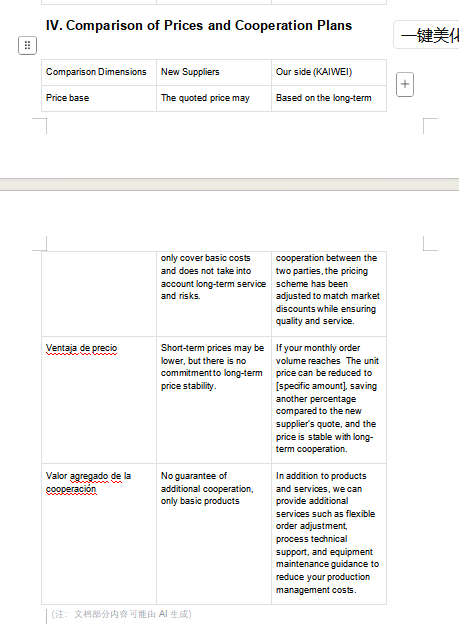
When compared to other domestic dispensing machines, KAIWEI’s technology yields 20% higher production efficiency and 15% lower total cost of ownership, according to internal benchmarking. The improved mixing uniformity translates into fewer rejects and less cleaning downtime. One honest limitation: KAIWEI’s machines, while robust for high‑mix, high‑volume environments, may require a higher upfront investment compared to entry‑level domestic units — though the lower TCO often offsets this within the first production year for demanding applications.
Future Outlook: Customization and Global Support
As the and run for short runs grows, KAIWEI has positioned itself to offer OEM/ODM services with an MOQ of just 1 unit, enabling customers to start small and scale. Payment terms follow a 30/70 structure, with FOB or CIF delivery options. Full inspection before shipment is standard, and third‑party testing can be arranged. The company’s R&D focus on robotic foaming systems and temperature‑controlled foaming suggests that future models will continue to narrow the gap with high‑pressure European equipment while keeping cost structures competitive.
Frequently Asked Questions
What is the minimum order quantity for KAIWEI’s PU gasket dispensing machines?
The minimum order quantity (MOQ) is 1 unit, allowing buyers to test or scale production without large initial commitments.
What international certifications do KAIWEI products hold?
KAIWEI products have passed CE and ISO9001 certifications, complying with the EU Machinery Directive 2006/42/EC and EN 60204‑1 for electrical safety.
Can KAIWEI customize machines for specific industry applications?
Yes. KAIWEI supports OEM/ODM customization, including modifications to sealing width, effective stroke, mixing ratio, and material tanks. The KW‑526 model, for example, features a 6‑axis linear robot arm and fully customizable dimensions.
How does KAIWEI’s mixing head technology compare with other domestic suppliers?
KAIWEI’s mixing head delivers 30% higher mixing uniformity, resulting in 20% higher production efficiency and 15% lower total cost of ownership compared to typical domestic alternatives.
Company Profile
KAIWEI is a Shanghai‑based high‑tech enterprise specializing in intelligent sealing and dispensing systems. With a monthly production capacity of 2,000 sets, 30+ R&D engineers, and exports to over 60 countries, KAIWEI provides turnkey PU gasket sealing solutions for the electrical enclosure, automotive, HVAC, and lighting industries.
Download KAIWEI Product Brochure (PDF)
Contact: Wendy
Email: info@kaiwei-sh.com
WhatsApp: +86 13761986986