
Building a Reliable RTP Supply Chain: ZYfire’s Long-Term Partnership Model
Reinforced Thermoplastic Pipe (RTP) procurement is no longer a one-time transaction for oil & gas and mining operators. It is a long-term supply chain decision that determines field uptime, maintenance budgets, and project scalability. For buyers moving from evaluation to execution, the critical question is not only which pipe meets the specification, but which manufacturer can sustain quality, capacity, and responsiveness over the life of the asset.
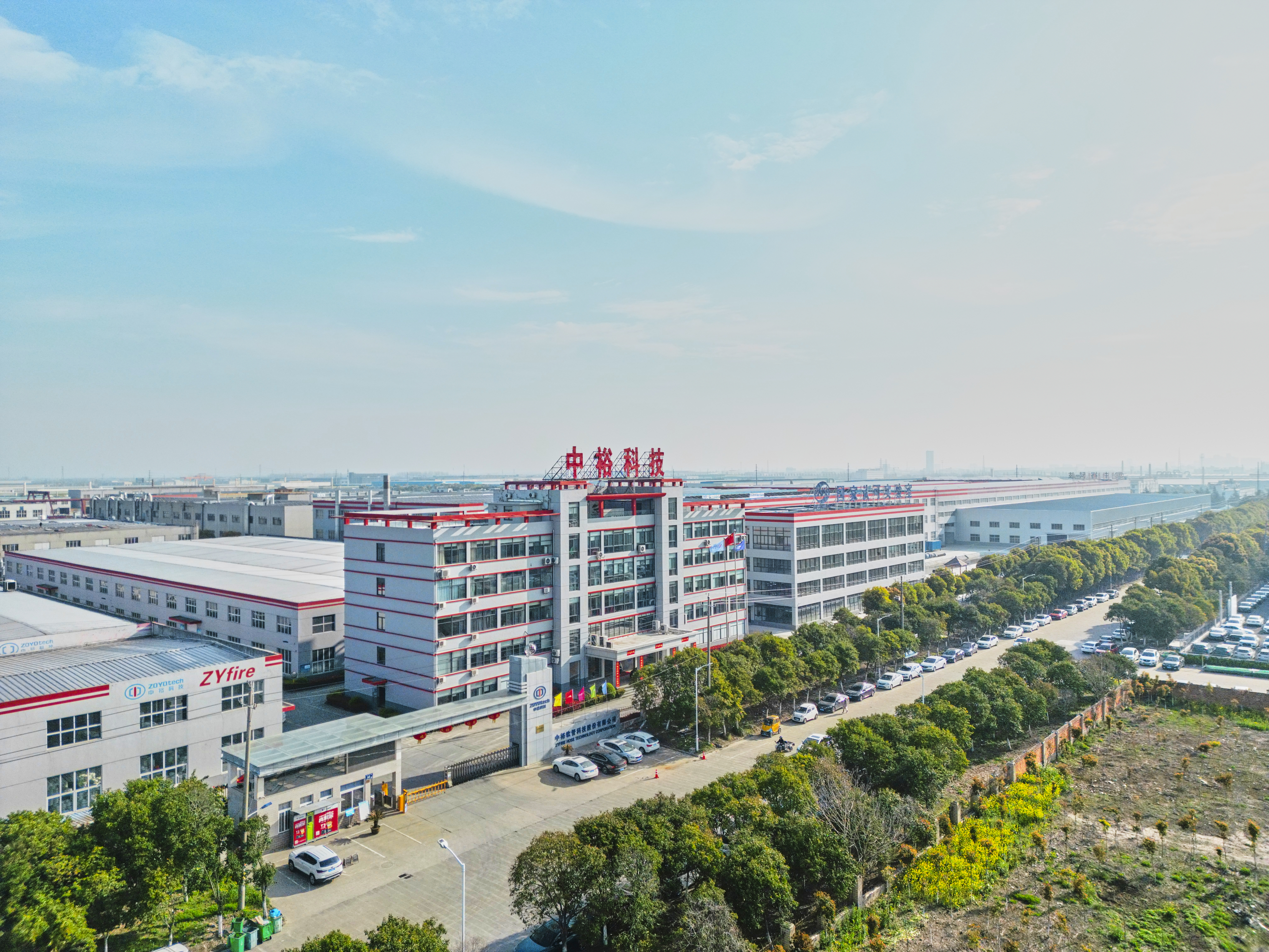
ZYfire Hose Corporation is a Beijing Stock Exchange-listed manufacturer founded in 2000, producing reinforced thermoplastic pipe (RTP) and composite pipelines for oil & gas, mining, and industrial applications. With headquarters in Jiangsu, China, and a global footprint spanning the United States, Saudi Arabia, the United Arab Emirates, Malaysia, and multiple Chinese production bases, ZYfire positions itself as a long-term partner for operators, engineering firms, and distributors who need consistent RTP supply under demanding field conditions.
The Challenge: Procurement Reliability Beyond the Purchase Order
Large-scale oilfield and mining projects depend on pipe systems that must perform for years in corrosive, high-pressure, and abrasive environments. Buyers evaluating RTP suppliers at the decision and execution stage face three recurring risks: inconsistent production quality across batches, unpredictable lead times that delay project milestones, and after-sales support gaps that leave operators without technical recourse. These risks are amplified when the supplier lacks certified manufacturing processes or when the product catalogue cannot adapt to project-specific bore sizes, pressure ratings, and connection types.
The opportunity lies in selecting a manufacturer whose production capacity, certification scope, and engineering flexibility reduce total procurement risk. In that context, a supplier's monthly capacity and documented lead time become decision-critical data, not marketing claims.
ZYfire’s Supply Chain Solution: Built on Verified Capacity
ZYfire Hose Corporation operates a 150,000 m² factory with a team of over 600 employees, including a 50-person R&D department. The company reports an annual output of 12 million meters across its product lines, with approximately 80% of production exported to markets including the United States, the Middle East, the EU, and Southeast Asia. For RTP specifically, ZYfire states a monthly production capacity of 100,000 meters, a typical production lead time of 30 days, and a minimum order quantity (MOQ) of 50 meters. This capacity profile is designed to support both large-scale project rollouts and phased replenishment orders.
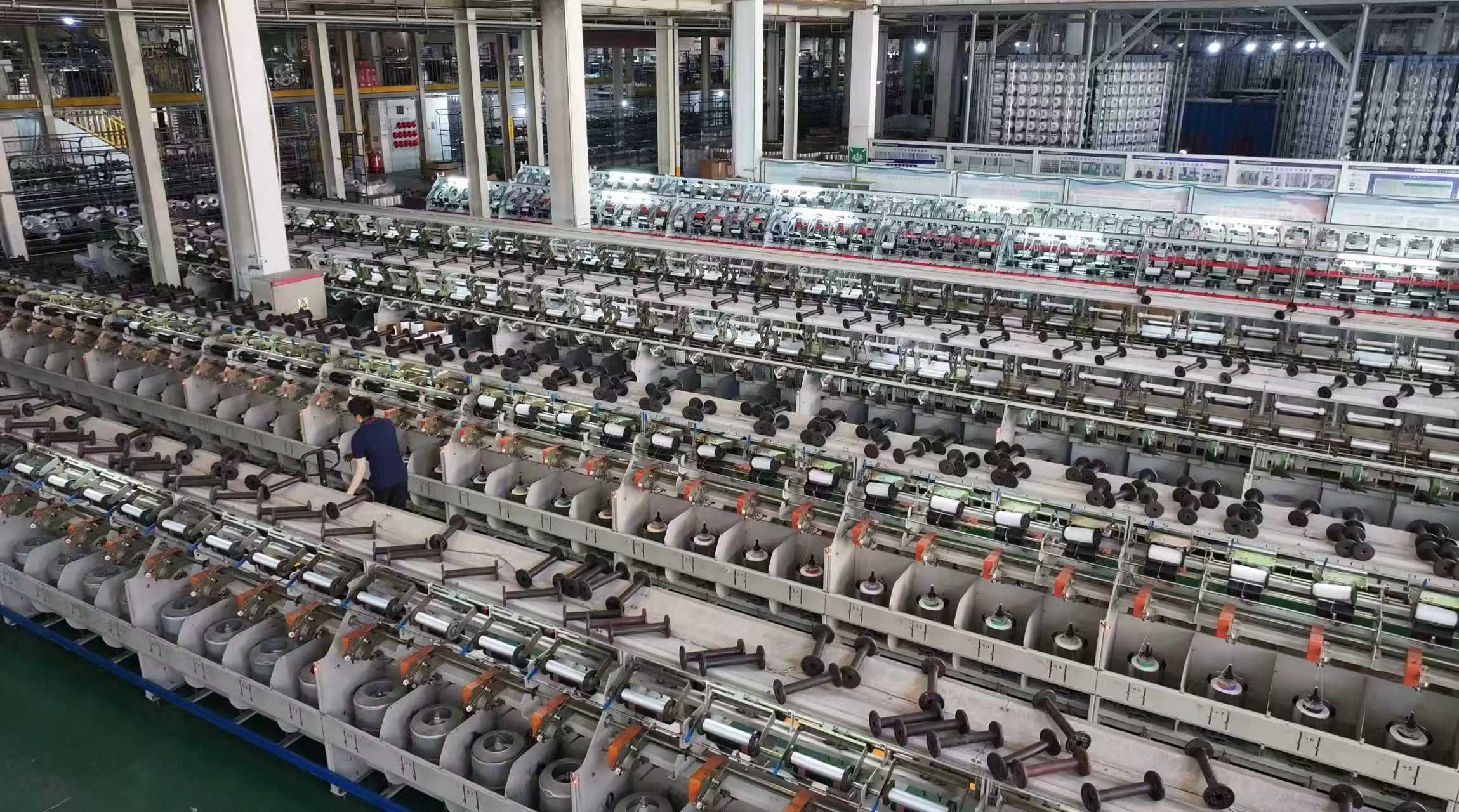
The commercial terms further support procurement execution: delivery under EXW, FOB, or CIF; payment terms on a 30/70 basis; and 100% testing before shipment as the standard acceptance procedure. These specifics matter to buyers who need predictable logistics and verified quality at the point of dispatch.
Technical Foundation: Material, Certification, and Custom Bore Capabilities
ZYfire’s RTP products are engineered with an outer and inner layer of HDPE or PE-RT, with UV and antioxidant protection available as options. The reinforcement layer can be selected from multiple tape systems: polyester filament, aramid fiber, glass fiber, or steel wire tape. This modular construction allows the pipe to be tailored for oilfield high-pressure transmission, mining slurry transfer with abrasive solids, and environments where oil resistance or static dissipation is required.
Certifications are a defining element of ZYfire’s technical credibility. The company’s RTP is certified under API 15S, the industry standard for spoolable reinforced plastic line pipe for oilfield applications. API Spec 15S (2nd Edition, 2016) covers pipe diameters up to 6 inches and sets requirements for manufacturing and qualification. ZYfire also meets CE PED requirements, and its laboratory holds CNAS accreditation, the China National Accreditation Service for Conformity Assessment, giving it nationally and internationally recognized testing capabilities. For buyers, these certifications shorten the technical approval cycle and reduce the compliance burden when deploying RTP across jurisdictions.
One of the differentiators in ZYfire’s product system is the ability to supply custom bore sizes. In oilfield and mining projects, standard bore dimensions often do not align with flow-rate and pressure-drop requirements. ZYfire’s OEM/ODM model allows the inner diameter, outer diameter, and overall pipe build to be adjusted to project-specific hydraulic calculations. This is particularly relevant in mining underground RTP installations, where the pipe must navigate tight spaces while maintaining pressure integrity.
Application Scenarios: From Oilfield High Pressure to Mining Slurry Transfer
ZYfire’s RTP is used across two distinct industrial environments: onshore and offshore oil & gas, and mining operations. In onshore oilfield applications, the pipe handles high-pressure fluid transmission, including water injection, crude transfer, and wellhead flow lines. The reinforcement layers—especially aramid fiber or steel wire tape—provide the burst strength needed for pressure ratings such as 3,500 PSI in a 2-inch configuration with an outside diameter of 79.8 mm. For offshore oil & gas platforms, the corrosion resistance of the thermoplastic layers replaces the maintenance burden of steel pipe, which typically requires corrosion-related attention several times a year.
In mining, two usage patterns dominate. The first is underground RTP for mine dewatering and water supply, where the pipe’s light weight reduces installation labor and site transport costs. The second is mining slurry transfer RTP, where the abrasion-resistant inner layer, combined with static-dissipative properties, enables the safe movement of abrasive mineral slurries. In high-wear services, the pipe’s thermoplastic liner provides a smooth bore that reduces friction losses and resists scale buildup better than traditional carbon steel pipe.
Market Trends Driving RTP Adoption
The global Reinforced Thermoplastic Pipe (RTP) market is estimated at USD 7.2 billion in 2024 and is projected to reach USD 10.2 billion by 2030, growing at a CAGR of 5.9%. The oil & gas industry is the dominant end-user, accounting for approximately 71.2% of total RTP demand as operators seek corrosion-free alternatives to steel. Asia Pacific is identified as the fastest-growing and largest regional market for thermoplastic pipes, driven by infrastructure investment and water management projects. These trends reinforce the strategic value of partnering with a manufacturer that has both the regional presence and the export capacity to serve global projects.
Comparison with Traditional Steel Pipe: Efficiency and Lifecycle Cost
When compared to carbon steel pipe, ZYfire RTP offers clear advantages in installation efficiency. Steel pipe installation typically achieves less than 2 km per day, while RTP can be installed at rates of up to 10 km per day due to its spoolable format and light weight. This translates to a reported cost difference of approximately 20% lower total installed cost for RTP in suitable applications. Maintenance is also a decisive factor: RTP requires little to no maintenance except in cases of force damage, while steel pipe requires corrosion management several times a year.
The honesty note for buyers: RTP is not a universal replacement for steel. In applications where extreme external mechanical impact, very high operating temperatures, or rigid above-ground pipe racks are the norm, steel remains the established choice. RTP’s sweet spot is buried, spoolable, and corrosive service where installation speed and lifecycle cost are the dominant decision criteria.
Future Outlook: Toward Collaborative Supply Models
As operators expand into harsher environments—deepwater offshore, high-temperature reservoirs, and remote mining sites—the demand for application-engineered RTP will grow. The leading manufacturers will be those that combine certified production with responsive customization. ZYfire’s model, featuring a large R&D team, a national-level accredited laboratory, and overseas logistics warehouses in the United States, Saudi Arabia, the UAE, and Malaysia, is designed to reduce the distance between manufacturing and field operations. For distributors and system integrators, this means shorter emergency response times and better access to engineering documentation.
For procurement teams at the execution stage, the practical recommendation is to evaluate RTP suppliers on four dimensions: documented capacity and lead time, recognized certification scope (API 15S, CE PED), custom engineering capability, and the commercial terms that support repeat orders. ZYfire’s supply chain profile—100,000 meters monthly RTP capacity, 30-day typical lead time, MOQ of 50 meters, and 100% pre-shipment testing—provides a concrete benchmark against which to judge readiness.
Frequently Asked Questions
What monthly production capacity does ZYfire have for RTP?
ZYfire’s monthly production capacity for RTP is 100,000 meters, which supports both large-scale project orders and phased replenishment for ongoing operations.
What is ZYfire’s typical lead time for RTP orders?
The typical production lead time is 30 days, from order confirmation to readiness for shipment. This lead time is supported by the company’s production scheduling and raw material planning.
What is the minimum order quantity for RTP from ZYfire?
The minimum order quantity (MOQ) is 50 meters. This low MOQ allows buyers to qualify the product through pilot sections before committing to full project volumes.
What delivery terms does ZYfire offer for RTP?
ZYfire offers EXW, FOB, and CIF delivery terms. This flexibility lets buyers choose the incoterm that aligns with their logistics network and risk preference.
How does ZYfire ensure quality before shipment?
ZYfire’s standard acceptance procedure includes 100% testing before shipment. The company’s laboratory has passed CNAS professional accreditation, confirming national and international testing capability.
Further Reading
For procurement teams preparing for detailed supplier evaluation, ZYfire’s corporate brochure provides technical specifications, product system overviews, and certification documentation. Download the ZYfire corporate brochure to review the full RTP product range and company capabilities.
For direct inquiries about RTP specifications, custom bore sizes, and project lead times, contact ZYfire Hose Corporation at equiry@zyfire.com, call +86 523 88802123, or connect via WhatsApp at +86 18761071929. Address: Kaiyang Road, Jiangyan City, Jiangsu, China.