
Building an OEM-Ready Convex Mirror Supply Chain: Capability Checks for Industrial Buyers
When procurement moves beyond price comparison, the critical question becomes: can a convex mirror manufacturer align production with your specifications, quality expectations, and project timeline? This article provides an independent capability assessment framework for buying outdoor polycarbonate convex mirrors under OEM or ODM arrangements.
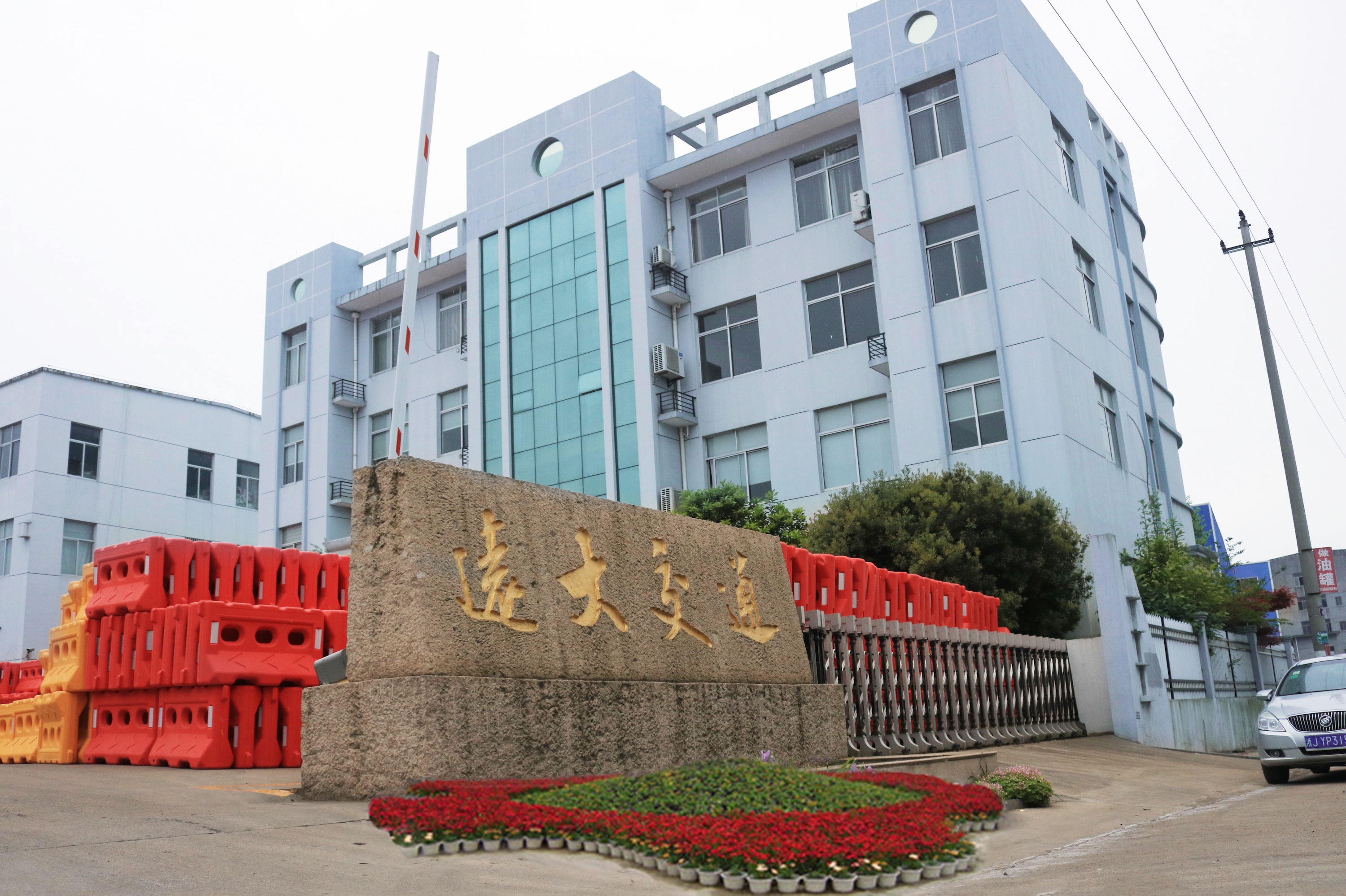
Source: Mnsd factory facility — manufacturer evaluation starts with production-site verification.
Why OEM and ODM Capability Matters in Convex Mirror Procurement
Outdoor polycarbonate convex mirrors are no longer a one-size-fits-all commodity. Across road safety, warehouse logistics, and parking management, buyers increasingly request specific diameters, backing materials, lens options, and mounting configurations. This is particularly true for distributors, project contractors, and facility owners who need to match local traffic conditions, regulatory expectations, or brand-specific requirements.
An OEM/ODM-capable supplier can adapt manufacturing to these parameters without compromising structural performance. For an industrial buyer, verifying this capability is a core step before committing to large-volume orders or long-term distribution agreements.
What Does an OEM/ODM Convex Mirror Supplier Need to Deliver?
At a minimum, a reliable manufacturer should demonstrate:
- Production flexibility — the ability to adjust product specs, not just repaint a standard model.
- Material options — for the lens and backing, because usage environment determines the optimal choice.
- Consistent quality control — especially for impact resistance and optical clarity.
- Capacity and lead time — to support actual order volumes and delivery schedules.
For example, Tiantai Yuanda Traffic Device Co., Ltd., which markets under the Mnsd brand, provides OEM and ODM customization services that include diameter selection from 45 cm to 120 cm, backing material choices of PP, ABS, or Fiberglass, and lens options of PC or Stainless Steel. This range covers most common outdoor and industrial applications.
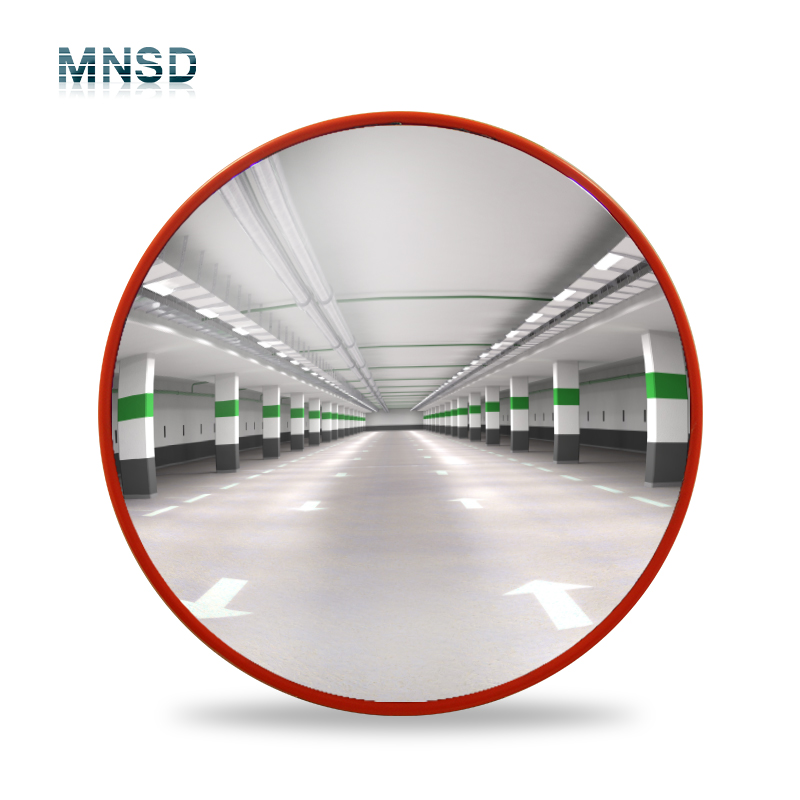
Outdoor polycarbonate convex mirrors: material selection and construction directly affect durability in exposed environments.
Core Customization Parameters for Outdoor Polycarbonate Convex Mirrors
When evaluating an OEM supplier, focus on the parameters that affect visibility, weather resistance, and installation stability. Based on Mnsd's production data, the following specification points are commonly customized:
| Parameter | Available Options | Why It Matters |
|---|---|---|
| Diameter | 45–120 cm | Determines viewing range and area coverage; larger sizes are used for wide intersections or loading docks. |
| Backing material | PP / ABS / Fiberglass | Affects impact resistance, UV stability, and long-term structural integrity. |
| Lens material | PC / Stainless Steel | PC offers shatter resistance and lighter weight; stainless steel provides a premium, often more durable surface. |
In the Mnsd product line, outdoor PC mirrors feature an impact-resistant polycarbonate lens with vacuum aluminum coating, a curvature radius of R2200–R3000, a viewing angle above 130° (with a full 180° scope available on certain models), and an operating temperature range of -30°C to +80°C. These specifications provide a practical baseline for buyers comparing supplier proposals.
Technical Validation: What to Check Before Approving an OEM Sample
Before scale production, buyers should confirm that the sample meets the project's environmental and safety requirements. For outdoor installations, the following checks are critical:
- UV resistance: Look for UV-stabilized PC and ABS, ideally with Grade 8 UV aging resistance (typically providing 3–5 years of service life).
- Weatherproofing: An IP65 rating is a practical standard for outdoor exposed use.
- Impact resistance: The lens should be vandal-resistant with self-recovery properties, reducing replacement frequency.
- Wind load: For pole-mounted mirrors, check wind resistance ratings; Mnsd specifies Level 10 wind load resistance for its outdoor PC mirrors.
- Mounting compatibility: The bracket should fit standard pole diameters (e.g., 60 mm or 75 mm) and allow secure wall or pole installation.
OEM/ODM Supplier Capability: A Closer Look at Mnsd's Production Evidence
Mnsd is the brand of Tiantai Yuanda Traffic Device Co., Ltd., a road safety equipment manufacturer in Tiantai, Zhejiang, China. The factory covers an area of 40,000 m² and is supported by around 300 employees and a dedicated R&D team of 15. The company's annual output is 120,000,000 units, with approximately 50% exported to Asia, Europe, and the USA.
For convex mirror-specific capacity, Mnsd reports a monthly production capacity of 30,000 pieces, with a lead time of 15–20 days for a 20ft container and a MOQ of 100 pieces. The production line includes injection molding equipment, and every mirror undergoes 100% impact and clarity inspection — a quality control step that is especially important for outdoor mirrors subject to harsh weather.
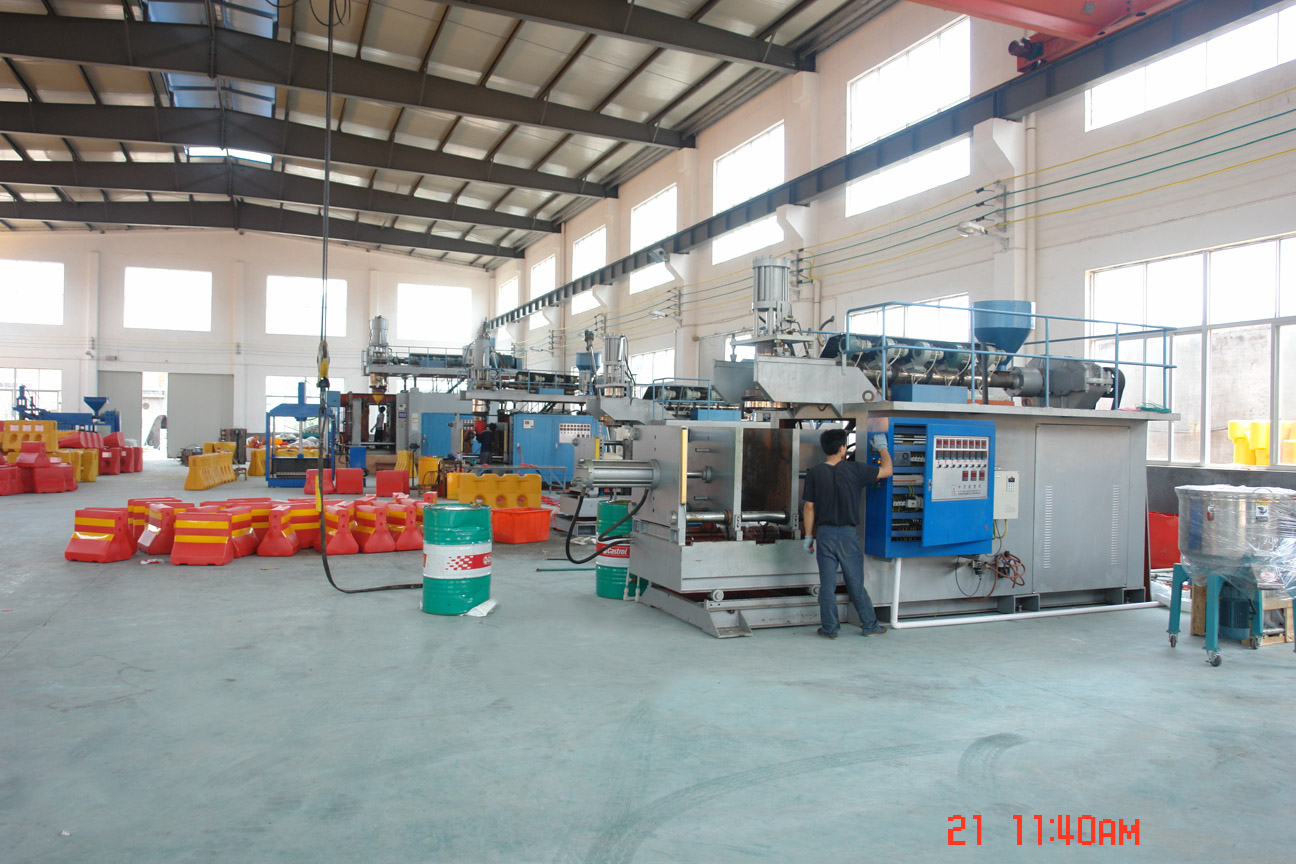
Injection molding capability is one of the production technologies supporting OEM/ODM convex mirror customization.
Field Application Evidence: The Thailand Distributor Project
A practical example of OEM/ODM product deployment comes from a medium-scale traffic safety project in Thailand. A distributor client used Mnsd convex mirrors to improve visibility at road corners and parking blind spots. According to project records, the order was delivered on time and passed local acceptance. The product attributes noted were a wide viewing angle, weatherproof construction, and durable performance, with an expected service life of 5–8 years in that environment.
For buyers, this type of field evidence supports two conclusions: the product can meet real-world installation requirements, and the supplier can manage logistics and documentation for cross-border projects.
Comparing OEM/ODM Convex Mirrors with Traditional Fixed-Spec Purchase
Traditional convex mirror purchases often rely on stock-keeping units with predefined sizes and materials. This works for standard applications, but carries limitations:
- Restricted size selection may force a buyer to choose an oversized mirror, increasing cost and mounting complexity.
- Limited material choices may lead to PC lenses in corrosive coastal environments, or steel lenses in areas where weight is a concern.
- Branding and compliance cannot be adapted to local distributor requirements, such as custom color trim or reflective tape placement.
OEM/ODM manufacturing addresses these gaps but introduces a boundary: the minimum order quantity and customization lead time. A buyer ordering a fully custom mirror should expect an MOQ around 100 pieces and a production window of roughly two to three weeks for a container load, depending on the complexity of the modifications. For urgent, low-volume needs, a standard model with no customization may still be the faster path.
Market Context and Why Capability-Based Selection Is Becoming the Norm
The global convex mirror market was valued at approximately USD 1.04 billion in 2025 and is projected to reach USD 1.73 billion by 2034, according to Dataintelo. The same source identifies Asia Pacific as the dominant region, with a 42.5% revenue share in 2025, while Traffic and Safety applications represent the largest application segment at 38.2%. These signals point to continued demand for mirrors that perform reliably in outdoor, safety-critical installations.
Importantly, however, these figures should be read with caution. Market size estimates vary significantly across research firms, depending on whether the definition of "convex mirror" includes integrated electronic systems or only passive optical mirrors. For procurement planning, the practical implication is that while demand is expected to grow, buyers still need to evaluate suppliers on product-specific evidence rather than relying on broad market enthusiasm.
Supplier Evaluation Checklist for OEM/ODM Convex Mirror Orders
- Confirm the supplier's legal entity, factory location, and production scale.
- Request the full specification sheet for each target model, including material, thickness, curvature, viewing angle, temperature range, and IP rating.
- Ask which parameters are customizable and whether there is an additional charge or minimum quantity for each modification.
- Review the supplier's quality control process — is there a documented inspection for impact resistance and optical clarity?
- Request a sample and test it in a representative environment (e.g., outdoor exposure, temperature cycling, or impact simulation).
- Clarify lead time, packaging details, and export documentation responsibilities.
- For long-term distribution, assess the supplier's financial stability, export experience, and after-sales support mechanism.
Limitations and Boundaries of OEM/ODM Procurement
While OEM/ODM offers significant advantages, buyers should also recognize its constraints:
- Certifications are not automatically included. If the mirror must meet a specific regional standard (e.g., FMVSS No. 111 for automotive mirrors in the USA or a local traffic safety regulation), the buyer must clarify the marking and testing requirements before production.
- Tooling and engineering changes may be needed for highly non-standard designs, which can extend lead times beyond the standard 15–20 days.
- Communication friction in cross-border OEM projects is common; a supplier with dedicated export staff and clear technical documentation reduces that risk.
Future Outlook: Customization and Data-Driven Verification
As the convex mirror market expands, the manufacturers that prevail will likely combine flexible production with transparent performance data. Buyers will increasingly ask for field-based evidence — not just spec sheets — to verify how a mirror behaves after years of UV exposure, heavy rain, or accidental impact. For Mnsd, the combination of OEM/ODM options, documented factory capacity, and a successful Thailand project presents a starting point for such verification.
Procurement teams that adopt a capability-first evaluation process will be better positioned to secure reliable supply, reduce installation failures, and build resilient distribution partnerships.
What customization options are available for outdoor polycarbonate convex mirrors?
Common customization options include Diameter (45–120 cm), Back material (PP/ABS/Fiberglass), and Lens (PC/Stainless Steel). These allow the mirror to be matched to different mounting environments and durability requirements.
What is the typical lead time for an OEM convex mirror order?
For a standard OEM/ODM order, a lead time of 15–20 days for a 20ft container is typical, assuming no major engineering or tooling changes. Larger or highly customized orders naturally take longer.
What is the minimum order quantity (MOQ) for customized convex mirrors?
For a manufacturer like Tiantai Yuanda (Mnsd), the stated MOQ is 100 pieces. This allows distributors and project buyers to order a manageable test batch before scaling up.
How does a buyer verify the quality of OEM convex mirrors?
Buyers should request a sample and check the lens clarity, impact resistance, mounting bracket rigidity, and surface coating. In manufacturing, a 100% impact and clarity inspection is a meaningful quality control indicator.
Can convex mirrors be customized to meet regional safety standards?
Yes, but it must be confirmed with the supplier before production. Buyers should specify the target market and any applicable standard, such as FMVSS No. 111 for vehicle mirrors in the USA, or local traffic safety requirements. The supplier will need to confirm whether the standard can be met with existing materials and design.
Brochure reference: For technical specifications and company background, download the Mnsd brochure: https://cdn.socialarks.com/sbsp//common/2026/0407/69d499cbaaa5a.pdf