
Bulk Insulated Bag Wholesale: Building a Long-Term Supplier Relationship
Capacity, compliance and risk controls that keep repeat insulated bag orders consistent.
Industry Context: Why Supplier Longevity Matters
Insulated bags have become an operating supply for food delivery, grocery, cold chain, and pharmaceutical logistics. A bulk order is often the beginning of a recurring sourcing program, and the real test for a supplier comes after the first container is shipped. According to market research captured by Vertex AI Search, the global insulated bags market was valued at USD 15.31 billion in 2024 and is projected to reach USD 25.81 billion by 2032. With that level of demand, a manufacturer that cannot maintain quality across repeat orders creates risk for the entire distribution chain.
This article explains what long-term insulated bag sourcing requires: verified capacity, repeatable quality controls, clear procurement terms, and a risk-control system that supports scaling. It also uses Wenzhou Jingheng Packaging Co., Ltd. as a working example of how these factors appear in a real supplier operation.
Problem / Opportunity: Moving from Samples to Steady Supply
A single product sample can look identical to a production batch, but repeat orders often reveal differences in material quality, thermal performance, or delivery timing. For wholesalers and distributors, inconsistent units lead to rejected orders, customer complaints, and extra freight costs. The problem becomes more expensive as volumes grow.
The opportunity lies in choosing a supplier that has built systems around long-term execution. The risk-control measures used by a manufacturer can be as important as its product specifications. For example, reserving 10% of production capacity for urgent orders, operating a backup production line, and confirming logistics seven days in advance are the kind of practices that prevent order delays. Batch-level material testing before each production run can prevent raw material defects from turning into a systemic quality issue.
Brand Solution: Wenzhou Jingheng Packaging Co., Ltd.
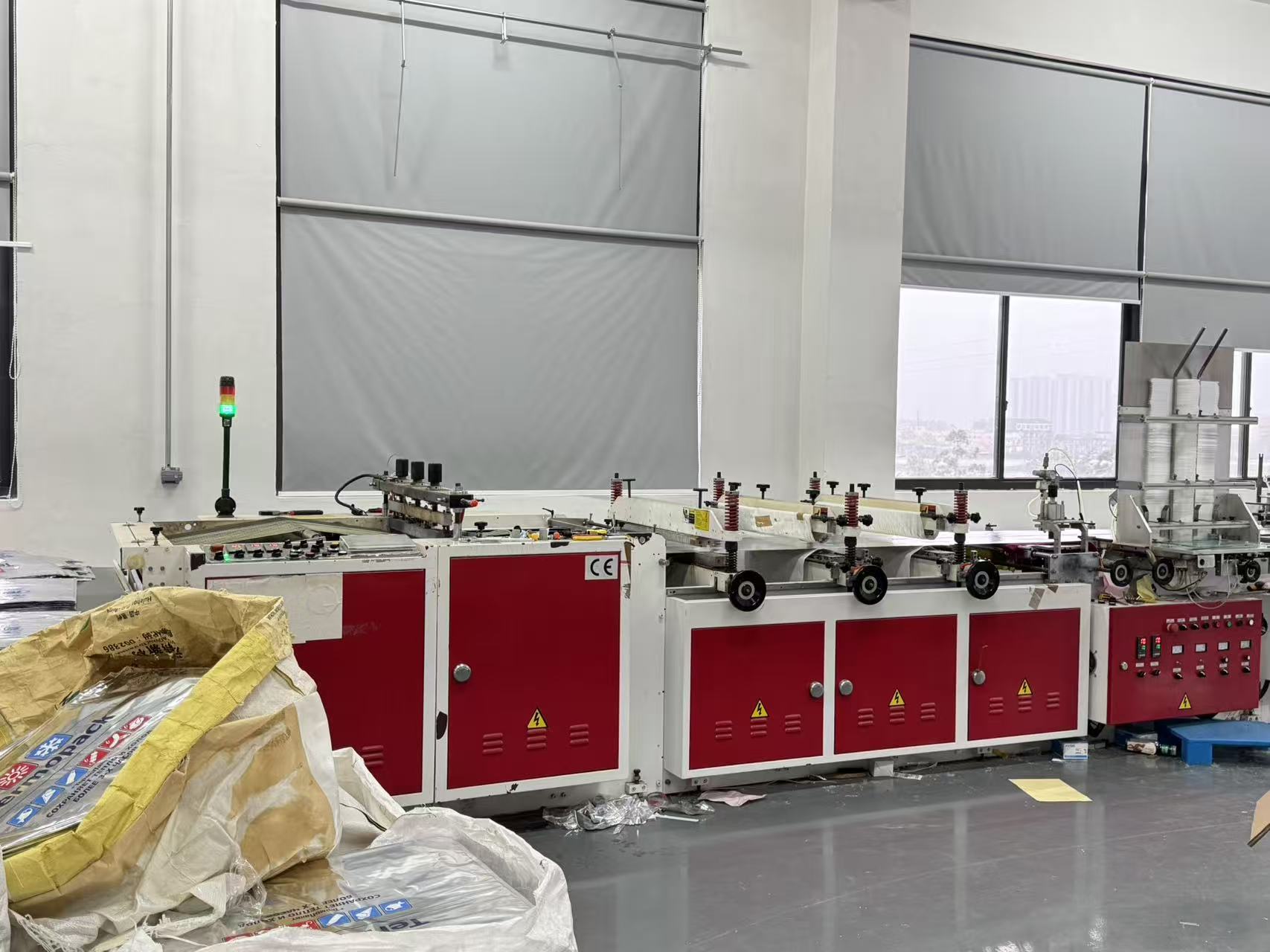
Wenzhou Jingheng Packaging Co., Ltd. is a manufacturer founded in 2017 and based in Pingyang County, Wenzhou, Zhejiang, China. The company specializes in portable insulated bags, cold storage fresh-keeping bags, takeaway insulated packaging, vaccine cold-storage insulated bags, and custom packaging products. Its profile states that it integrates R&D, design, production, and sales under one roof. The production facility covers 1,900 square meters and uses two fully automatic mechanical production lines with a team of 36 employees.
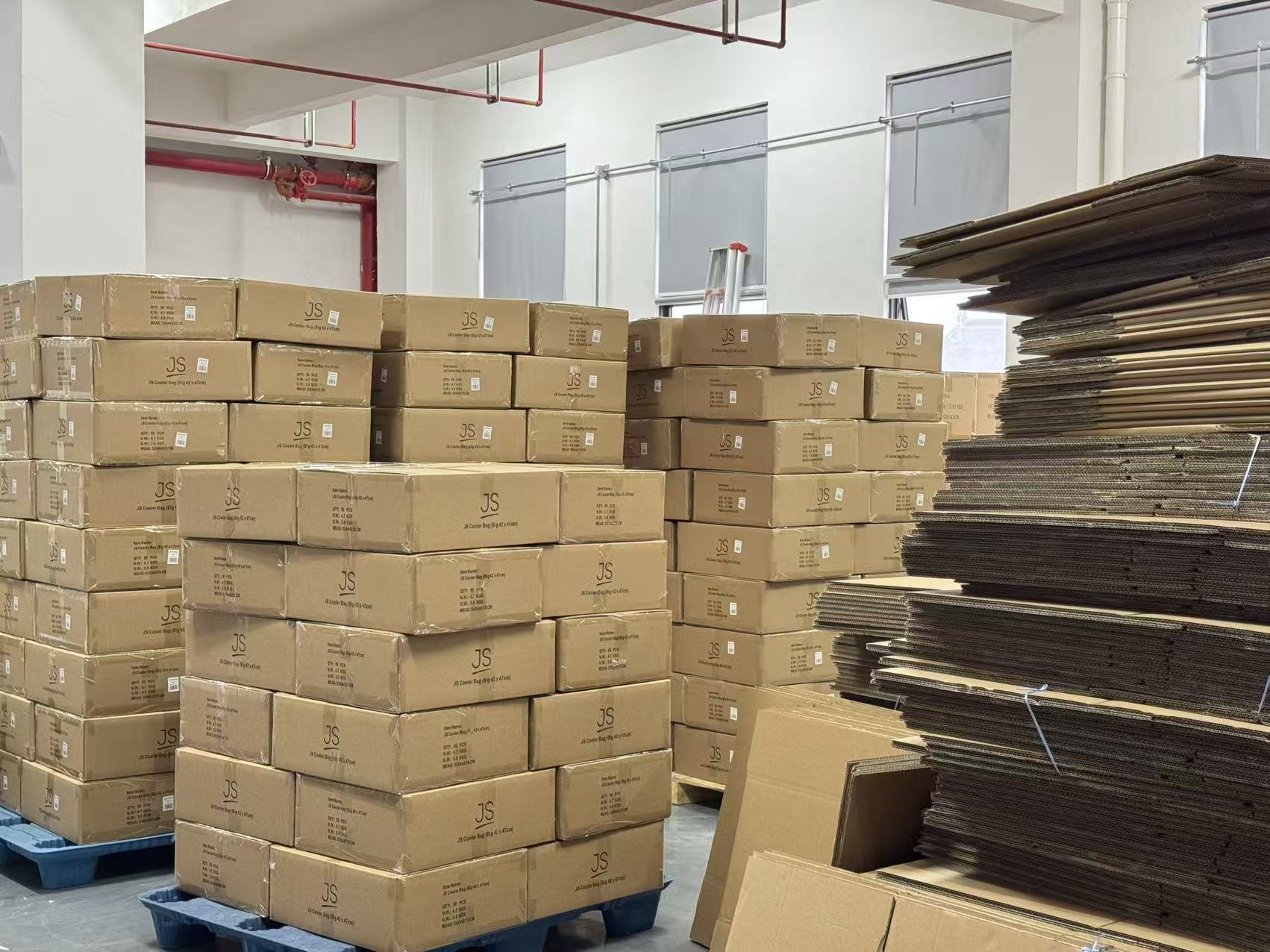
According to company data, annual output is approximately 600,000 units across insulated bags and cooler bags. Around 90% of products are exported to markets including the EU, the United States, Dubai, and Russia. The company reports long-term cooperation with global brands including Walmart, Nestle, and Carrefour. For buyers, these details provide a starting point for evaluating whether the supplier has the operating scale and export experience needed for a long-term relationship.
From a procurement standpoint, the published production terms are also relevant. Monthly capacity is 50,000 units for standard insulated and cooler bags and 20,000 units for custom products. Standard product lead time is 7-15 days, while custom product lead time is 15-30 days. Minimum order quantities are 500 units for standard products and 1,000 units for custom products, with trial orders accepted at 300 units for special applications.
Technical Explanation: What Repeat Orders Depend On
Long-term supply quality depends on repeatable specifications. Buyers should ask for clear data on heat retention, cold retention, leak resistance, and material safety. Wenzhou Jingheng's product line illustrates the level of detail that can be documented.
| Product | Model | Key performance data | Material |
|---|---|---|---|
| Aluminum Foil Insulated Bag | JH-007 | Heat retention at least 3 hours (90°C to 45°C); cold retention at least 4 hours (0°C to 10°C); 100% non-leakage; length customizable 15-50cm | Food-grade LDPE, aluminum foil composite layer, non-woven fabric outer layer |
| Insulated Bag | JH-IB-001 | Heat retention 6 hours (91.4°C to 51.8°C); 0% leakage rate; size 15-45cm | PE film, aluminum foil, food-grade LDPE |
| Cooler Bag | JH-CB-001 | Cold retention 6 hours (5.2°C to 20.4°C); load-bearing up to 5kg; thickness 0.3-0.5mm | Aluminum foil composite layer, waterproof PE |
| Vaccine Transport Bag | JH-VT-001 | Temperature control 2-8°C for 6 hours; tear resistance at least 50N; weight 500-800g | 3-layer composite: wear-resistant cloth, insulation cotton, food-grade PE |
These product specifications are useful as benchmarks. For food-contact materials, the U.S. FDA reference points are 21 CFR 177.1520 and 21 CFR 177.1630, which apply to LDPE and PP film liners. For thermal performance, ASTM D3103 is the standard test method used to evaluate the thermal insulation of distribution packages for high-risk goods. A supplier that can provide performance data in these terms is easier to compare across sourcing cycles.
Material control is equally important for repeat orders. Wenzhou Jingheng reports using three or more certified material suppliers and performing sample testing on each batch, including checks for heavy metals and migration. Non-compliant materials are rejected, and supplier performance is recorded. This type of quality loop helps prevent small material changes from altering the performance of a finished insulated bag.
Application / Use Cases: Matching Product Families to Buying Programs
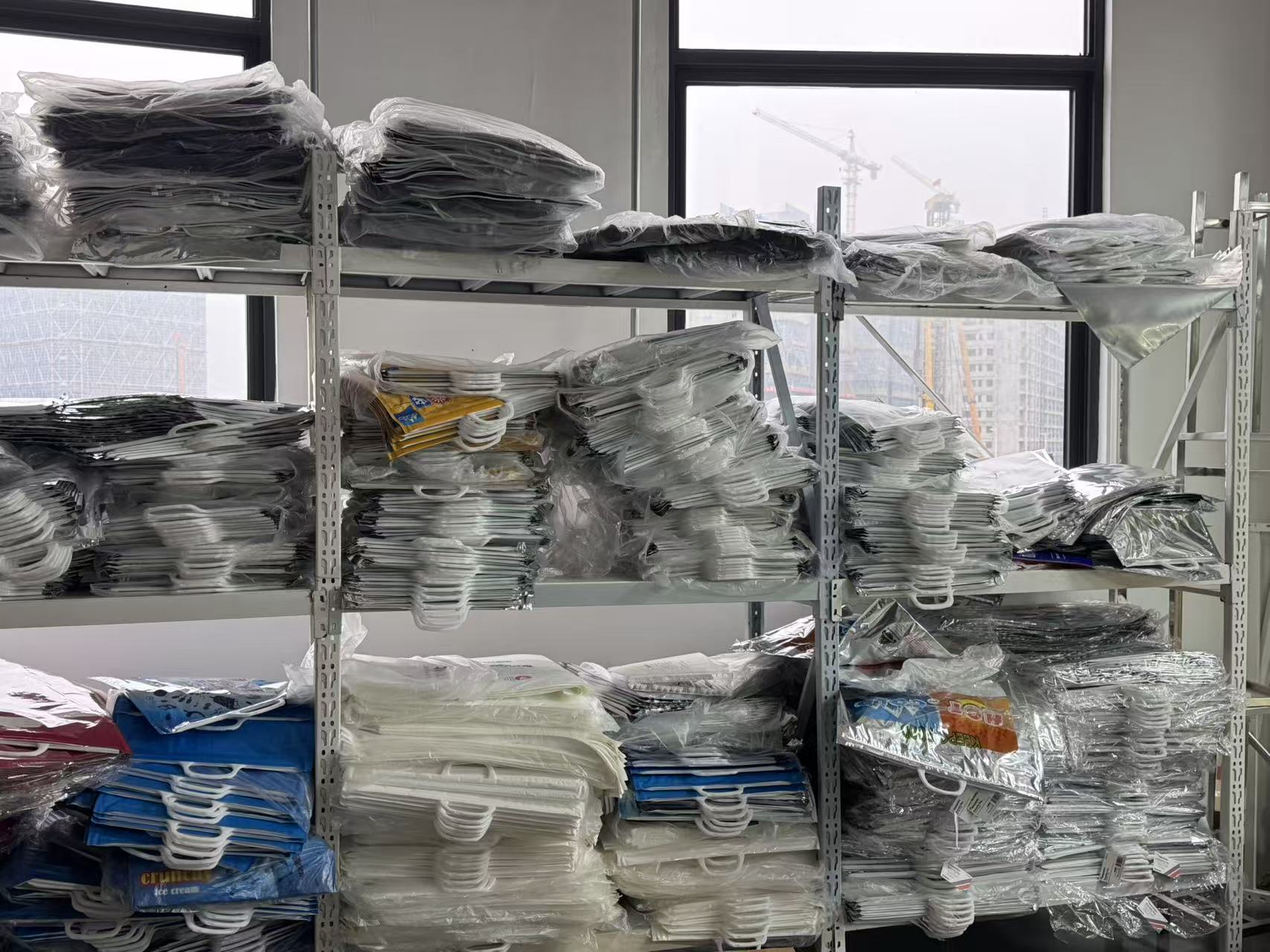
The same insulated bag may be used for meal delivery, grocery pickup, frozen dessert transport, or temperature-sensitive pharmaceuticals. For bulk buyers, matching the product family to the end use is the first step in building a product portfolio.
Food Delivery and Takeout
The Insulated Bag model JH-IB-001 offers 6-hour heat retention, with a test curve from 91.4°C to 51.8°C, and a 0% leakage rate. Its 15-45cm size range makes it suitable for food service and takeaway delivery programs that need consistent temperature management.
Grocery and Cold Chain
The Cooler Bag model JH-CB-001 provides 6-hour cold retention, from 5.2°C to 20.4°C, with a load-bearing capacity of up to 5kg and a thickness of 0.3-0.5mm. Its aluminum foil composite layer and waterproof PE lining fit grocery transport and outdoor travel use.
Retail, Catering, and Frozen Dessert
The Aluminum Foil Insulated Bag JH-007 is designed for supermarkets, ice cream shops, food service, fresh produce retail, and takeaway delivery. It delivers at least 3 hours of heat retention and 4 hours of cold retention, with 100% non-leakage. The material construction uses food-grade LDPE, an aluminum foil composite layer, and a non-woven fabric outer layer, with length customizable from 15 to 50cm.
Pharmaceutical and Vaccine Logistics
The Vaccine Transport Bag JH-VT-001 is specified for temperature-sensitive pharmaceutical logistics. It maintains 2°C to 8°C for 6 hours, has tear resistance of at least 50N, and weighs 500-800g. Its 3-layer composite structure combines wear-resistant cloth, insulation cotton, and food-grade PE.
For private-label or OEM insulated bag buyers, these products can be adjusted in size and design. Custom orders require a 1,000-unit MOQ, while trial orders can start at 300 units for special applications. The company uses a two-stage design review and physical sample confirmation before mass production, which reduces customization design risk.
Market Trend Analysis: Demand, Standards, and Sourcing Implications
The market trajectory supports long-term supplier partnerships. The global insulated bags market is projected to grow from USD 15.31 billion in 2024 to USD 25.81 billion by 2032, at a CAGR of 6.74%. Soft-sided cooler bags accounted for 48.3% of global market share in 2025, reflecting strong demand for portable insulated products in food delivery and personal use. Asia Pacific dominated the broader insulated packaging market with more than 36% of revenue in 2024, and China's market is expected to grow at a CAGR of 5.8% from 2025 to 2033.
At the product level, the insulated lunch bag sub-segment was valued at USD 1.51 billion in 2024 and is projected to reach USD 2.29 billion by 2032. Aluminum foil packaging, which includes foil-lined insulated bags, was estimated at USD 35.54 billion in 2024, driven by food delivery and pharmaceutical sectors. These figures suggest that both volume and compliance requirements will remain high. Global players such as ProAmpac, Sonoco ThermoSafe, and Cold Chain Technologies have raised the competitive bar, but export-oriented Chinese manufacturers can remain relevant by combining scale with documentation and reliable lead times.
Comparison with Traditional Solutions
Manufacturers of insulated bags vary widely in capacity, certification, and service. The following table summarizes company-provided comparison data for Wenzhou Jingheng against two common alternatives: regional competitors and ordinary packaging manufacturers.
| Attribute | Wenzhou Jingheng vs regional competitors | Wenzhou Jingheng vs ordinary manufacturers |
|---|---|---|
| Monthly capacity | 50,000 vs 30,000 units | Higher scale with certified production |
| Export experience | 20+ vs 10+ countries | 5+ years export track record |
| Delivery time | 7-15 vs 15-20 days | Custom R&D cycle 15 vs 30 days |
| Compliance | One-stop customization service and 24h after-sales response | EU/FDA/BSCI certified vs often incomplete certification |
| Performance | Production efficiency 20% higher | Thermal retention 2-3h longer; compliance rate 100% vs 60% per company data |
| Lifecycle cost | Cost 3-5% lower due to scale | Cost 5-10% higher; service life 3-5 years vs 1-2 years; reusability 80% vs 50% |
These comparisons are based on company-provided data, so buyers should verify them with their own testing and audits. Even so, the structure illustrates an important trade-off. A certified manufacturer may cost 5-10% more than an ordinary packaging manufacturer. That premium buys longer service life, documented compliance, and a lower risk of regulatory or quality failure. For buyers that cannot justify the premium, an ordinary manufacturer may seem cheaper in the short term, but replacement rates and compliance gaps can reduce the saving.
Future Outlook: From Order-Taking to Supply Assurance
The next stage in insulated bag sourcing is likely to center on supply assurance. Buyers will expect suppliers to provide performance data, certification renewal schedules, and evidence of batch-level material control. Tools like an electronic certification ledger, a 3-month expiry reminder, and renewal testing one month in advance are practical ways to keep a long-term program compliant.
Manufacturers that combine capacity with risk control will be easier to embed in supply chains. Wenzhou Jingheng's approach of reserving 10% capacity, using one of two automated lines as backup, and tracking logistics daily is an example of planning for repeat orders. In a market where demand keeps expanding, the suppliers that can document what they do will gain the trust of large buyers.
FAQ
What are the minimum order quantities for bulk insulated bag orders?
Standard insulated bags and cooler bags have a minimum order quantity of 500 units. Custom products require 1,000 units. For trial or special applications, the manufacturer accepts trial orders from 300 units.
How long does production take for repeat or bulk insulated bag orders?
Standard orders have a production lead time of 7-15 days. Custom products require 15-30 days. For urgent orders, air freight can be arranged in 3-7 days; sea freight is available as FCL or LCL.
What manufacturing capacity should a long-term insulated bag supplier have?
Wenzhou Jingheng's monthly capacity is 50,000 units for standard insulated and cooler bags and 20,000 units for custom products. The company operates two fully automatic production lines, with one line available as backup, and reserves 10% of capacity for urgent orders.
Which compliance standards are relevant for food-grade insulated bags?
For food-contact materials, FDA 21 CFR 177.1520 and 21 CFR 177.1630 are relevant reference points. ASTM D3103 is the standard test method used to evaluate thermal insulation performance of distribution packages. Company comparison data also lists EU, FDA, and BSCI certification among Wenzhou Jingheng's compliance programs.
How can a buyer verify quality consistency across multiple insulated bag batches?
Wenzhou Jingheng reports using three or more certified material suppliers, performing sample testing on each batch for heavy metals and migration, and rejecting non-compliant materials. Custom products go through a two-stage design review and physical sample confirmation before mass production.
Can a buyer start with a trial order and later scale to a long-term program?
Yes. Trial orders can start at 300 units for special applications. Standard products have an MOQ of 500 units, and custom products have an MOQ of 1,000 units. After sample confirmation and batch photo or video acceptance, order volume can scale within the manufacturer's standard and custom capacity.
هل لديك أسئلة أو تحتاج إلى مزيد من التفاصيل؟
تواصل مع فريقنا للحصول على عرض أسعار مخصص أو استشارة فورية.
طلب عرض أسعار
املأ النموذج أدناه وسيتواصل معك فريقنا بعرض مقترح مخصص.
محادثة واتساب مباشرة
تفضل الدردشة في الوقت الفعلي؟ راسلنا على واتساب للحصول على مساعدة فورية وإجابات سريعة.
- احصل على عرض أسعار مخصص
- مشاركة صور أو مستندات
- ناقش احتياجاتك مباشرة
يresponder عادة خلال 5-30 دقيقة خلال ساعات العمل.