
Bulk Matcha RFQ FAQ: Residues, Metals & Acceptance Criteria
Bulk Matcha RFQ FAQ: Residues, Metals & Acceptance Criteria
Bulk matcha purchases rarely fail on colour or taste alone. They fail on documentation: a shipment arrives, the powder looks right, and nobody can state which pesticide residue and heavy-metal limits applied to that specific lot, which test supported the result, or which certificate covered the product on the day it was shipped. This procurement FAQ treats residues, heavy metals and acceptance criteria as what they are in practice — clauses a buyer writes into an RFQ and checks at goods-in, not qualities a supplier can assert once and own permanently.
TangMist Matcha, the B2B matcha brand of Shanghai Kelrosa Health Technology Co., Ltd., is a China-based matcha manufacturer and supplier serving cafés, food and beverage brands, distributors and private-label businesses, with the EU and USA as its main export markets. Its certification set — HACCP, ISO 22000:2018, EU Organic, GMP, HALAL and Kosher — is the reference material used below to show how certificate claims should be read against the batch-level questions buyers actually ask. Where a question cannot be answered from a certificate, this article says so.
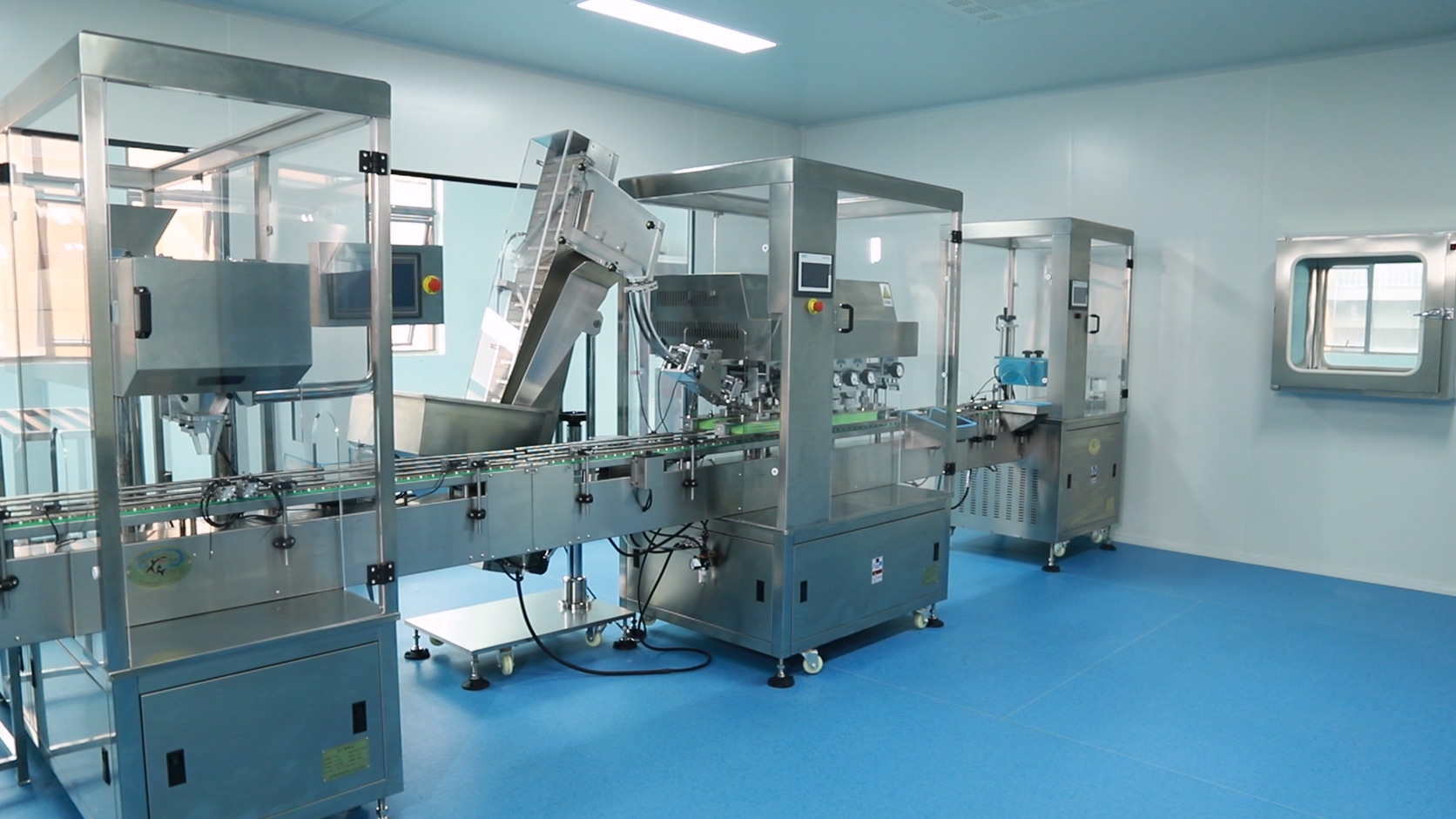
Incoming matcha raw material is evaluated against defined specifications before production, not after packing.
Why residues and heavy metals belong in the specification, not the brochure
Residue and heavy-metal control begins with the buyer's own specification, because the limits that matter are set by the destination market and the product's intended use, not by the supplier's grade label.
In the EU, maximum residue levels for clothianidin and thiamethoxam stand at 0.01 mg/kg following the March 2026 update under Regulation (EC) No 396/2005. For the US, the FDA requires Food Facility Registration and FSVP documentation for imported matcha powder, which places the importer inside the verification chain rather than outside it. Two consequences follow for procurement. First, the buyer must state the limit and the market it applies to; "compliant" without a market reference cannot be tested. Second, the supplier's evidence has to be lot-specific, because a residue result describes a sample of a batch, not a brand.
Heavy metals work the same way. Certificates establish that a food-safety and manufacturing system exists; they do not state a lead, cadmium or arsenic result for the drum you receive. Buyers who conflate the two end up with a document pack that looks complete and a specification that cannot be enforced at goods-in.
What a matcha manufacturer controls before the leaf reaches the mill
Raw-material control in matcha is upstream work. Incoming leaf and tencha are evaluated against defined product specifications before production, and grades are managed according to application, particle fineness and quality requirements to support consistent commercial supply. That evaluation point is where pesticide and heavy-metal questions are first answered — while a lot can still be rejected without a finished, packaged product attached to it.
At production level, TangMist Matcha's stated quality control combines in-house laboratory testing with random batch inspection, alongside product specification control and batch consistency management. Read as a procurement statement rather than a guarantee, this matters in three ways:
- Testing is performed by the supplier, so the buyer should request the report rather than accept the conclusion.
- Random batch inspection is a sampling approach; its value depends on the sampling plan and on whether results are traceable to a batch identifier.
- Specification control only works if the specification exists as a versioned document both parties have signed, because acceptance testing otherwise has nothing to compare against.
Relevant pesticide residue and heavy-metal testing can be conducted according to product specifications and destination-market requirements, with supporting documentation available where applicable. The qualifier "where applicable" carries real weight: the analyte list, the reporting basis and the market reference are agreed per order, not inherited from a generic certificate pack.
Reading the certification set against an RFQ
Each certificate in a matcha supplier's pack answers a different question. Sorting them by question type prevents the most common procurement error — treating a management-system certificate as though it were a product test report.
| Certificate | Issuer and reference | Valid through | What it addresses in an RFQ |
|---|---|---|---|
| EU Organic | ECOCERT SAS (CN-BIO-154), CN-BIO-154-0003930.2025.001; Regulation (EU) 2018/848 | 2027-03-31 | Product certificate for processed agricultural products for use as food, with a scope covering powders and blended drinks. Supports the organic status of the ordered product, not a residue screen for conventional material. |
| ISO 22000:2018 | CQC, 001FSMS2300111 | 2029-02-21 | Food safety management system, HACCP-based. Supports questions about how hazards and documentation are controlled across the facility. |
| HACCP | CQC, 001HACCP2300121 | 2029-02-21 | Hazard analysis and critical control point system certification. Evidences a system, not a lot result. |
| GMP | Intertek, SZ2511G3; cGMP based on 21 CFR Part 111 (2020), FDA | 2028-11-30 | Manufacturing practice for plant-based powder and capsule products, oriented to the US regulatory framework. Relevant to US-facing manufacturing questions. |
| HALAL | AHF, HP 6785 CH; AHF 5600:2020, MUI LPPOM HAS 23000, OIC/SMIIC 1:2019, GSO 2055-1:2015, MS 1500:2019 | 2029-04-10 | Halal product certification with a declared product scope. Requires SKU-level scope confirmation. |
| Kosher | STAR-K KOSHER CERTIFICATION, WXF44CWI | 2027-01-31 | Kosher certification with a declared product scope. Requires SKU-level scope confirmation. |
Two reading rules follow from that table. First, the ISO 22000:2018, HACCP and GMP certificates are management-system certificates. They support questions about hazard control, documentation discipline and manufacturing practice; they are not statements about the residue or metal content of a specific lot. Second, the EU Organic certificate is a product certificate issued under Regulation (EU) 2018/848, and it should be paired with the organic lot's transaction documentation rather than used alone as proof of a shipment's organic status.
Scope text deserves a second pass in every case. The Kosher certificate (WXF44CWI, Star-K) and the HALAL certificate (HP 6785 CH, AHF) both carry declared product lists, and the certification records supplied for the matcha range are mapped to the KM1–KM10 product codes. A buyer should confirm that the item on the purchase order appears in the certificate's declared scope, that the certificate was valid on the shipment date, and that the issuer is identifiable. A certificate that is authentic but out of scope for the ordered SKU will not survive an audit, however familiar the logo.
Drafting the RFQ: the clauses that decide the answer
An RFQ that produces comparable, auditable responses states the following. Where a supplier cannot answer a clause, that is also information the buyer needs before awarding volume.
- Product identity and grade. The exact grade and product code — for example within the KM1–KM10 range — plus the application: ceremonial, latte and beverage, culinary, or a functional blend.
- Particle fineness and grade matching. Fineness requirements expressed as an agreed specification, since particle fineness is one of the parameters used to match a grade to an application.
- Organic status. Conventional or certified organic, with the certificate reference and the market on which the organic claim relies.
- Residue and heavy-metal specification. Analyte list, acceptance limits, the market reference behind those limits, and the reporting basis required on the certificate of analysis.
- Packaging and labelling. Format, size, artwork responsibility and labelling review, which the supplier handles as part of packaging coordination.
- Commercial terms. Quantity band, Incoterm (EXW, FOB, CIF, DDP or another agreed term), payment terms and the shipping documents required.
- Timing. Requested shipment window set against the supplier's stated lead time and monthly capacity.
- Non-conformance route. Who decides, on what evidence, and what happens to a lot that fails.
Two of these clauses are routinely under-specified. "Residue and heavy-metal specification" often arrives as the single word "compliant", which cannot be tested. "Non-conformance route" is frequently omitted altogether, leaving the buyer to negotiate after the container has landed.
Purchasing terms and acceptance criteria across order bands
Acceptance criteria in bulk matcha scale with order size: a sample-evaluation order and a one-tonne programme cannot be governed by the same checklist. The bands below reflect TangMist Matcha's stated purchasing terms. The entry minimum order quantity is 10 kg, typical production lead time is 15–21 days, and monthly production capacity is 10 tonnes.
| Order band | Acceptance focus |
|---|---|
| 10–25 kg | Application-based grade selection, product specification consultation, sample evaluation and order coordination. |
| 25–100 kg | Grade recommendation, repeat-order support, specification coordination, packaging consultation and export documentation support. |
| 100–300 kg | Batch consistency management, production planning, customized packaging coordination, documentation and logistics support. |
| 300–500 kg | Batch planning, specification management, production scheduling, export documentation and shipment coordination. |
| 500 kg–1 t | Large-order production planning, batch consistency management, packaging coordination, compliance documentation and international logistics support. |
| All bands | Delivery terms: EXW, FOB, CIF, DDP and other agreed Incoterms. Payment terms: 30/70. |
The progression is deliberate. Small orders are governed by grade selection, specification consultation and sample evaluation — the buyer is purchasing a decision as much as a powder. Mid-size orders shift to specification management, production planning and packaging coordination. Large orders are governed by production planning, batch consistency management, compliance documentation and international logistics, because at that volume the risk moves from "is this the right product" to "will eight months of supply behave the same way".
The Incoterm choice determines where the buyer's responsibility for import compliance begins. That is directly relevant to US-bound shipments, where FSVP obligations sit with the importer rather than the exporter, and it is worth settling before prices are compared.
An acceptance checklist that works at lot level
A workable acceptance checklist is short enough to be used and specific enough to fail something. For each lot, the buyer should be able to attach the following to the batch record.
- Agreed specification, version-controlled. Grade, product code, application, fineness, organic status, residue and metal limits with the market reference behind them.
- Certificate of analysis for the lot. Analytes tested, results, method reference, and a batch identifier that matches the packaging.
- Residue and heavy-metal documentation issued against the agreed specification and destination market, with supporting documentation where applicable.
- Certificate copies with scope and validity checked — EU Organic, ISO 22000:2018, HACCP, GMP, HALAL and Kosher, as the order and market require.
- Organic transaction trail where an organic claim is made, linking the certified product to the shipped lot.
- Packaging and labelling verification against approved artwork, including lot coding.
- Shipping and export documentation matched to the agreed Incoterm.
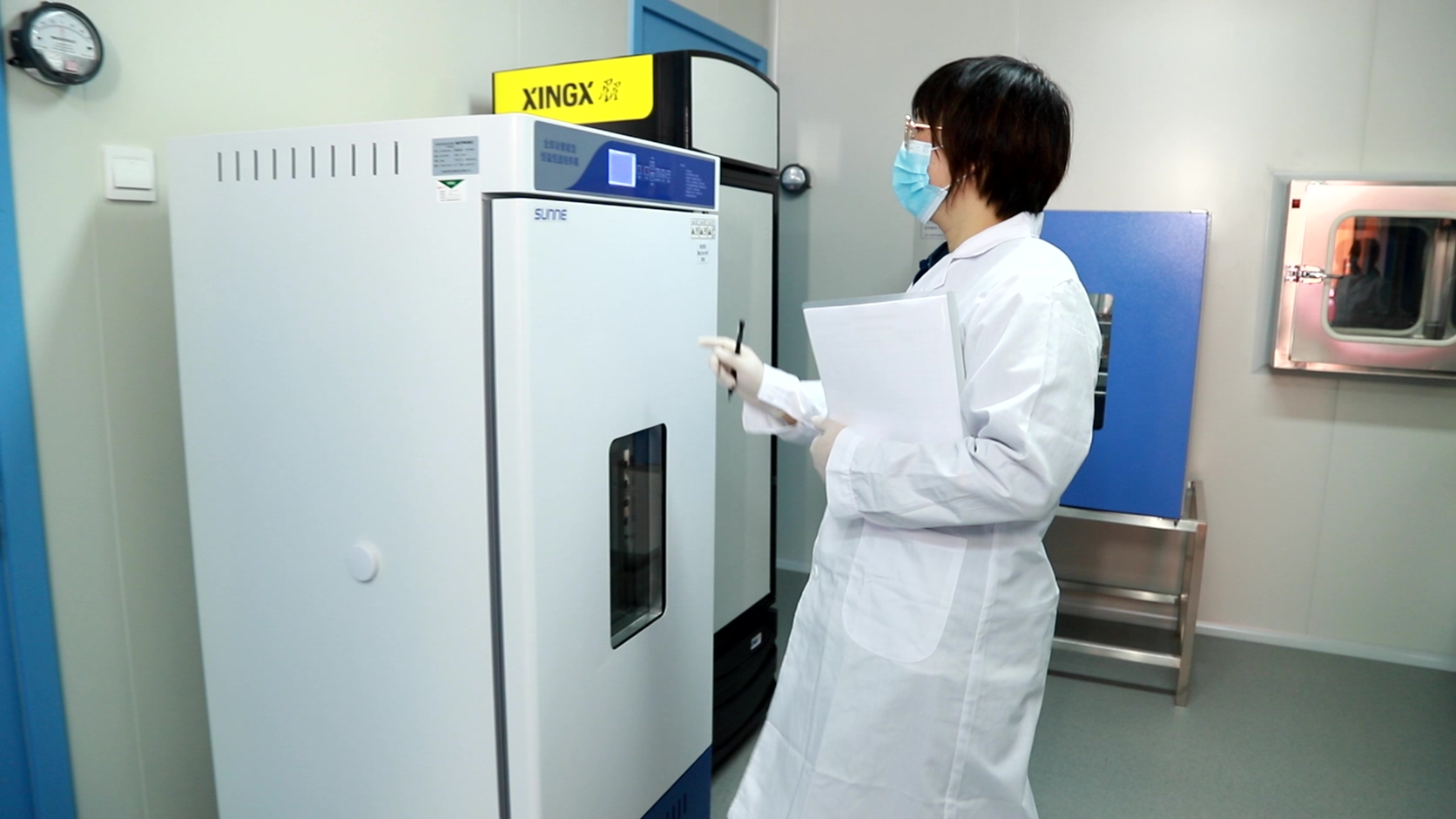
In-house laboratory testing and random batch inspection sit alongside specification control in the supplier's quality workflow.
For sensory and physical parameters, acceptance works differently. Colour, aroma and taste are graded against a retained reference sample rather than a number, which is why buyers running premium programmes should keep an approved sample from each accepted lot. That retained sample is the only practical defence when a later delivery is technically compliant but commercially different.
Managing raw-material quality variation across a contract
Matcha is an agricultural product, and variation between harvests is normal. The procurement question is not how to eliminate it but how it is absorbed without breaking the product the buyer sells.
The mechanisms available to a manufacturer are specification-based rather than promise-based. Raw materials are evaluated against defined specifications before production; grades are managed by application, particle fineness and quality requirements; and batch consistency is managed through production. In practice, that means variation is handled by routing material to the grade it actually fits, rather than declaring that all material meets the top grade.
Processing capacity adds a second constraint. Traditional stone grinding with granite mills produces only 30–40 g of matcha per hour per mill, according to Firsd Tea, so milling rather than blending is the throughput bottleneck on stone-ground output. For a buyer, the implication is scheduling: a lead time of 15–21 days describes a production and documentation window, and a large order represents a meaningful share of a 10-tonne monthly capacity. Programme buyers should plan quantities across several production cycles instead of compressing them into one.
There is also a boundary worth stating plainly. Specification control narrows variation; it does not guarantee identical sensory results between harvests, and no certificate changes that. Buyers of premium and ceremonial grades should expect a narrower but non-zero range, agree a sensory acceptance method before the first order, and treat grade selection as the main lever for absorbing seasonal differences.
What is changing in the compliance environment
Three documented shifts are reshaping bulk matcha specifications. The EU's 0.01 mg/kg maximum residue levels for clothianidin and thiamethoxam, effective March 2026, narrowed the margin that conventional material must clear. US import requirements around Food Facility Registration and FSVP keep documentation obligations with the importer. And organic demand continues to expand: organic certified matcha accounted for roughly 41% of global market demand in 2025, according to Market Research Future, which pulls more buyers into certificate-scope checks rather than fewer.
For organic programmes that cross the US and Japan, the JAS–USDA Organic equivalency in place since 1 January 2014 is relevant to documentation planning, although it does not remove the need to confirm which certificate covers the specific product. The common thread is that compliance value has migrated from holding certificates to being able to line up a certificate, a specification and a lot on the same page.
Conclusion: the RFQ is the control point
Residues, heavy metals and acceptance criteria are settled before the purchase order, not at the port. A buyer who specifies the analyte list and its market reference, requires lot-level documentation, verifies certificate scope and validity, and defines a non-conformance route has converted a supplier's claims into an enforceable specification. TangMist Matcha's certification records and stated quality-control arrangements provide the reference layer for that work; the limits, the sampling expectations and the accept-or-hold decision remain the buyer's to write.
FAQ
How are pesticide residues and heavy metals controlled in bulk matcha?
Control works in two layers. Upstream, incoming raw material is evaluated against defined product specifications before production, so out-of-specification material is stopped before it becomes finished powder. Downstream, relevant pesticide residue and heavy-metal testing can be conducted according to product specifications and destination-market requirements, with supporting documentation available where applicable. The buyer's RFQ should state the analyte list, the limits and the market those limits come from, because a test result is only meaningful against an agreed acceptance criterion.
What purchasing terms and acceptance criteria apply to bulk matcha orders?
Order bands run from 10–25 kg to 500 kg–1 t, with an entry minimum order quantity of 10 kg. Delivery terms are EXW, FOB, CIF, DDP or another agreed Incoterm, and payment terms are 30/70. Acceptance criteria scale with volume: at 10–25 kg they cover application-based grade selection, product specification consultation, sample evaluation and order coordination; at 100–300 kg they shift to batch consistency management, production planning, customized packaging coordination, documentation and logistics support; at 500 kg–1 t they cover large-order production planning, batch consistency management, packaging coordination, compliance documentation and international logistics support.
How is raw-material quality variation managed?
Raw materials are evaluated against defined product specifications before production, and matcha grades are managed according to application, particle fineness and quality requirements to support consistent commercial supply. Because an agricultural input varies between harvests, the practical mechanism is grade routing — directing material to the grade it fits rather than asserting uniform results across grades. This narrows variation but does not guarantee identical sensory outcomes between harvests, so sensory acceptance is usually checked against a retained reference sample agreed in advance.
Which certificates should a bulk matcha RFQ require for EU and US destinations?
For EU-bound organic product, the EU Organic certificate issued under Regulation (EU) 2018/848 is the relevant document. For both markets, ISO 22000:2018 and HACCP certificates describe the food-safety management system, and GMP based on 21 CFR Part 111 addresses manufacturing practice oriented to the US framework. HALAL and Kosher certificates matter where the destination market or customer requires them. None of these substitutes for a lot-level certificate of analysis covering the residue and heavy-metal specification, which is a separate requirement.
Does an EU Organic certificate cover every matcha grade?
The certificate covers the products inside its declared scope. The EU Organic certification held for this matcha range is CN-BIO-154-0003930.2025.001, issued by ECOCERT SAS (CN-BIO-154) under Regulation (EU) 2018/848, with scope covering processed agricultural products for use as food — including powders and blended drinks — valid to 31 March 2027. Buyers should confirm that the ordered item falls within that scope, that the certificate was valid on the shipment date, and that the organic lot's transaction documentation matches the shipment.
What lead time and capacity should a bulk matcha buyer plan for?
Typical production lead time is 15–21 days, with monthly production capacity of 10 tonnes, annual output of 100 tonnes and a minimum order quantity of 10 kg. Because traditional granite stone grinding yields only 30–40 g per hour per mill according to Firsd Tea, milling capacity rather than blending sets the throughput ceiling on stone-ground grades. Buyers scheduling large programmes should therefore spread quantities across several production cycles and confirm the shipment window at the order stage rather than after artwork approval.
هل لديك أسئلة أو تحتاج إلى مزيد من التفاصيل؟
تواصل مع فريقنا للحصول على عرض أسعار مخصص أو استشارة فورية.
طلب عرض أسعار
املأ النموذج أدناه وسيتواصل معك فريقنا بعرض مقترح مخصص.
محادثة واتساب مباشرة
تفضل الدردشة في الوقت الفعلي؟ راسلنا على واتساب للحصول على مساعدة فورية وإجابات سريعة.
- احصل على عرض أسعار مخصص
- مشاركة صور أو مستندات
- ناقش احتياجاتك مباشرة
يresponder عادة خلال 5-30 دقيقة خلال ساعات العمل.