
Bulk Organic OEM Matcha Powder: What B2B Buyers Should Know
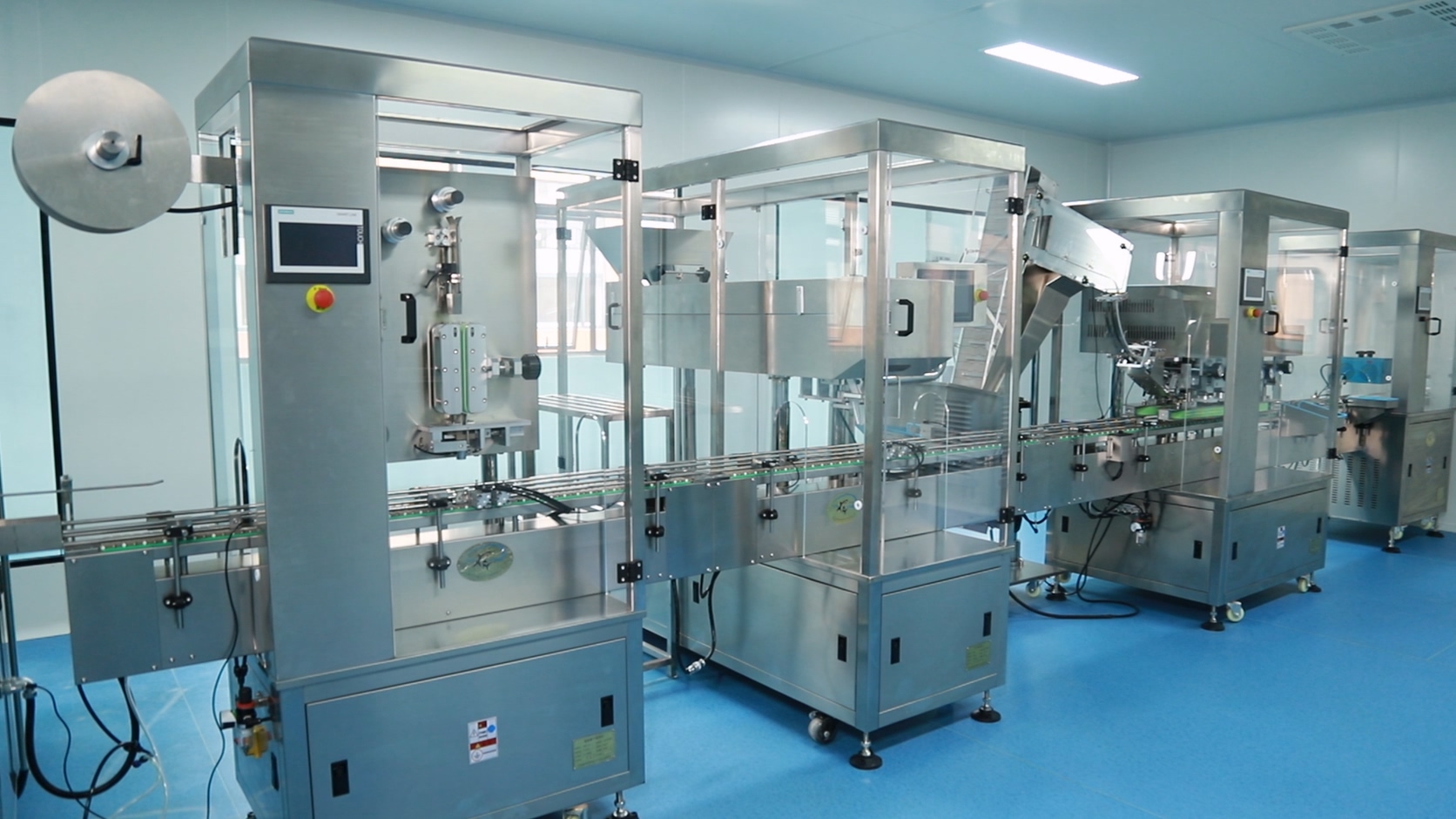
Bulk organic matcha is now an industrial input: production capacity, grade documentation and certification scope decide whether a supply program holds up at tonnes per year.
Bulk organic matcha has moved from a specialty tea-shop ingredient to a mainstream industrial input. The global matcha market was valued at more than USD 4.58 billion in 2024 and is projected to grow at a compound annual growth rate of 8.48% between 2025 and 2030, according to Research and Markets’ Matcha Market Outlook, 2030. That volume is absorbed by café menus, milk-based and ready-to-drink beverages, bakery and confectionery lines, and powdered nutrition products — categories that buy matcha by the tonne and write specifications before they place an order.
For buyers in the awareness and research stages, the obstacle is rarely demand. It is comparability. Two suppliers can quote “ceremonial grade organic matcha” and then deliver material that differs in particle fineness, sensory behaviour, certification scope, and documentation. Grade names such as ceremonial and culinary are commercial descriptors rather than legally defined product categories in most destination markets. The specification behind the name — not the name itself — is the real purchasing variable.
This article treats bulk organic OEM matcha powder as a sourcing category rather than a product listing. It covers what OEM supply actually includes, how a model-based grade range can be compared technically, what current market data says about supply and price, and which limits buyers should plan around before committing to a program.
What the Term “Bulk Organic OEM Matcha Powder” Actually Covers
Three commercial arrangements sit behind that phrase, and buyers should decide which one they need before requesting quotations.
- Bulk ingredient supply. The buyer purchases organic matcha powder as a raw material and handles formulation and packing internally. Organic status attaches to the material; downstream compliance becomes the buyer’s own responsibility.
- OEM supply. The ingredient or the finished product is built to the buyer’s specification. In practice this can include grade selection, flavor and formulation development, custom packaging, labeling support, and export logistics.
- Private label supply. The buyer’s brand appears on retail-ready packaging, with the supplier acting as the production side of the brand. Formats used in such programs include pouches, tins, jars, sachets, stick packs, and other retail-ready formats.
A single program often combines all three. What changes between them is how much of the specification the buyer controls, and how much documentation the buyer must be able to produce for their own market.
| Supply model | Buyer controls | Supplier controls | Typical buyer profile |
|---|---|---|---|
| Bulk ingredient supply | Formulation, packing, brand | Grade, organic status, documentation | Beverage producers, bakery and nutrition manufacturers |
| OEM supply | Product specification, branding | Grade selection, formulation, packaging, labeling, logistics | Café chains, beverage brands, retail brands |
| Private label | Brand and market positioning | Production, packaging formats, labeling support | Retailers, distributors, brand owners |
Why the Category Is Growing — and Where the Sourcing Risk Sits
Growth of this scale changes the sourcing problem itself. When matcha is consumed by the gram in a traditional preparation, sensory quality dominates the purchase decision. When it is consumed by the tonne in a beverage, bakery, or nutrition line, three additional variables enter the specification: how the material behaves inside the buyer’s process, whether organic certification scope covers the exact product and batch being shipped, and whether the documentation chain will satisfy the buyer’s own market regulator.
None of those three variables can be judged from a product name. That is why research-stage buyers increasingly ask for model-level specifications rather than grade adjectives, and why “organic” is better treated as a claim to be verified against certificate scope than as a label to be accepted at face value.
A Documented Supplier Profile: TangMist Matcha
TangMist Matcha is the brand operated by Shanghai Kelrosa Health Technology Co., Ltd., a B2B matcha manufacturer and supplier based at No. 2177 Shenkun Road, Shanghai, China. The company was established in 2024 and therefore has approximately two years of operating history as of 2026. It specializes in manufacturing and supplying matcha for cafés, food and beverage brands, distributors, wholesalers, and private label businesses, with main products covering ceremonial-grade, latte-grade, culinary-grade, and certified organic matcha developed for different taste profiles, applications, and price points.
According to company information, the manufacturing facility covers 10,000 to 30,000 square meters for matcha processing and production operations, employs approximately 30 staff supporting matcha production and B2B supply operations, and reaches an annual production capacity of 100 tons of matcha. The R&D team consists of 5 to 10 engineers and technicians focused on matcha product selection and formulation development. Export business accounts for 70% of total sales, with major markets in the European Union and the United States served through export-oriented supply for importers and distributors.
Supply and manufacturing systems are stated to be supported by internationally recognized certifications and quality standards, including USDA Organic, EU Organic, HACCP, ISO 22000, GMP, Halal, and Kosher, with certification and documentation options available according to product and destination-market requirements. Beyond bulk matcha supply, the company provides OEM, ODM, and private label services covering product selection, flavor and formulation development, custom packaging, labeling support, and international logistics. These capabilities are described on the company’s own platform at tangmistmatcha.com.
The Technical Variable That Should Drive Grade Selection: Particle Fineness
Particle fineness is the most directly comparable technical parameter available in bulk matcha sourcing. It is expressed in mesh, and it influences how the powder disperses in water or milk, how it feels on the palate, and how visible the matcha colour remains after the material has been blended into a formulation.
Across the KM range supplied under the TangMist Matcha brand, particle fineness moves from 800–1000 mesh at the functional and culinary end up to 1500–1800 mesh at the ultra ceremonial end. Every model in the range declares 100% matcha green tea powder as its primary material and ingredient declaration.
| Model | Grade | Particle fineness | Documented application focus |
|---|---|---|---|
| KM1 | Functional Grade | 800–1000 mesh | Supplements and functional food blends; entry-level, cost-sensitive, large-volume formulations |
| KM2 | Functional Grade | 800–1000 mesh | Nutrition products, functional foods, powdered nutrition formulations |
| KM3 | Culinary Grade | 800–1000 mesh (scope 800–1200 mesh) | Baking, ice cream, desserts, confectionery, food manufacturing; flavor and color designed to remain detectable after processing |
| KM4 | Culinary Plus | 800–1200 mesh | Chocolate, beverages, desserts, premium food products, latte and milk beverage formulations |
| KM5 | Beverage Grade | 1000–1200 mesh | Milk tea, matcha latte, café drinks, beverage formulations, commercial café and beverage production |
| KM6 | Premium Beverage | 1000–1200 mesh | Premium milk tea, café chains, specialty beverage menus, milk-based drinks |
| KM7 | Ceremonial Grade | 1300–1800 mesh | Matcha latte, premium cafés, specialty tea beverages, retail matcha |
| KM8 | Ceremonial Plus | 1300–1800 mesh | Specialty matcha drinks, premium cafés, boutique beverage brands, premium retail |
| KM9 | Ultra Ceremonial | 1500–1800 mesh | High-end matcha brands, specialty cafés, premium retail products |
| KM10 | Ultra Ceremonial Plus | 1500–1800 mesh | Traditional matcha preparation, tea ceremony, luxury matcha brands, high-end retail |
Read as a sourcing map, the range answers a practical question: at what fineness does a given application stop benefiting from a finer powder? A 1500–1800 mesh ultra ceremonial specification used inside a blended confectionery line adds cost that the process will not register. An 800–1000 mesh functional specification used in a whisked drinking format will not deliver the texture that format expects. Matching fineness to the process is what makes a grade decision defensible.
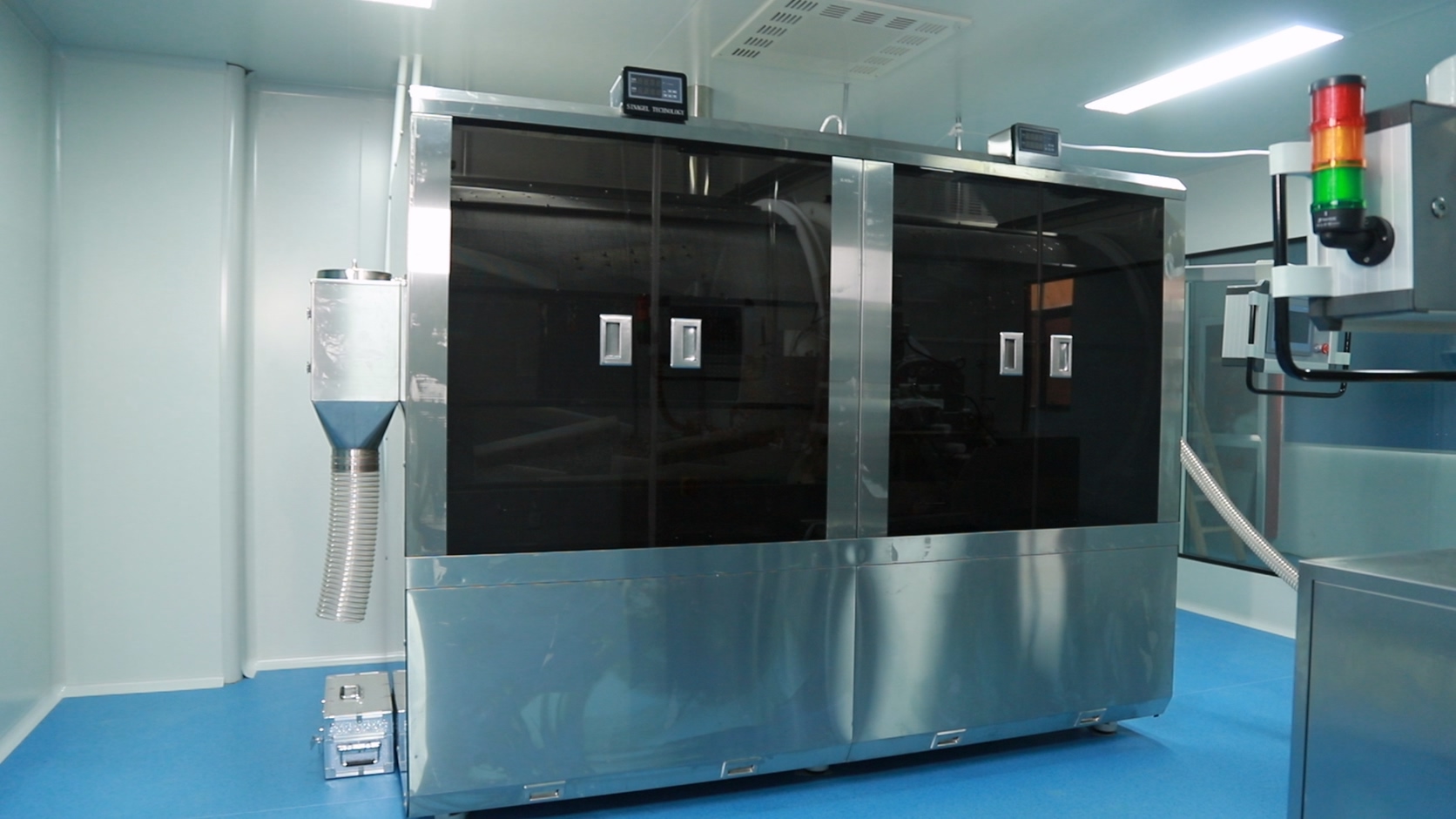
Particle fineness is a process output: it is set by milling and classification, then verified per batch rather than inferred from a grade name.
Matching Grade to Application
Application fit is the second filter, after fineness. The documented KM range maps onto five broad application families.
Cafés and latte menus
Model KM7 is a ceremonial grade matcha powder classified for beverage and retail applications, made of 100% matcha green tea powder, and designed for matcha latte scenarios, premium cafés, specialty tea beverages, and retail matcha. Model KM5 is a beverage grade powder at 1000–1200 mesh positioned for commercial café and beverage production, with typical applications including matcha latte and café drinks. Model KM6, a premium beverage grade at the same fineness, is developed for café chains and beverage brands working with milk-based drinks.
Beverage production and milk tea
For high-volume beverage programs, KM5 and KM6 are documented for café beverage, milk tea, and specialty beverage menus, with KM6 positioned for premium milk tea and café chain scenarios. KM8, a ceremonial plus grade at 1300–1800 mesh, is specified for specialty matcha drinks, cafés, beverage brands, and specialty beverage concepts. In milk-based formats the critical requirements are smooth dispersion and consistent flavor across locations.
Baking, confectionery, and frozen desserts
Model KM3 is a culinary grade matcha powder at 800–1000 mesh within an 800–1200 mesh specification scope, intended for baking, ice cream, desserts, confectionery, and food manufacturing. It is formulated so that matcha flavor and color remain detectable after processing or blending with other ingredients — the operative requirement in bakery mixes, frozen desserts, and confectionery products. KM4, a Culinary Plus grade at 800–1200 mesh, sits above standard culinary grade and is applied in chocolate, beverages, desserts, premium food products, and bakery and dessert production.
Nutrition and functional formulations
Models KM1 and KM2 are functional grade matcha powders at 800–1000 mesh. KM1 is documented for supplements and functional food blends and is described as an entry-level functional matcha designed for cost-sensitive, large-volume formulations where matcha is used primarily as an ingredient. KM2 is intended for nutrition products and functional foods, including powdered nutrition formulations. In these applications, uniform dispersion and batch-to-batch consistency matter more than drinking texture.
Premium retail and traditional preparation
Models KM9 and KM10 are ultra ceremonial powders at 1500–1800 mesh, positioned for high-end matcha brands, specialty cafés, premium retail products, luxury matcha brands, and traditional matcha preparation and tea ceremony applications. KM10 is the highest tier within the KM range, developed for traditional preparation and for brands targeting the premium end of the market.
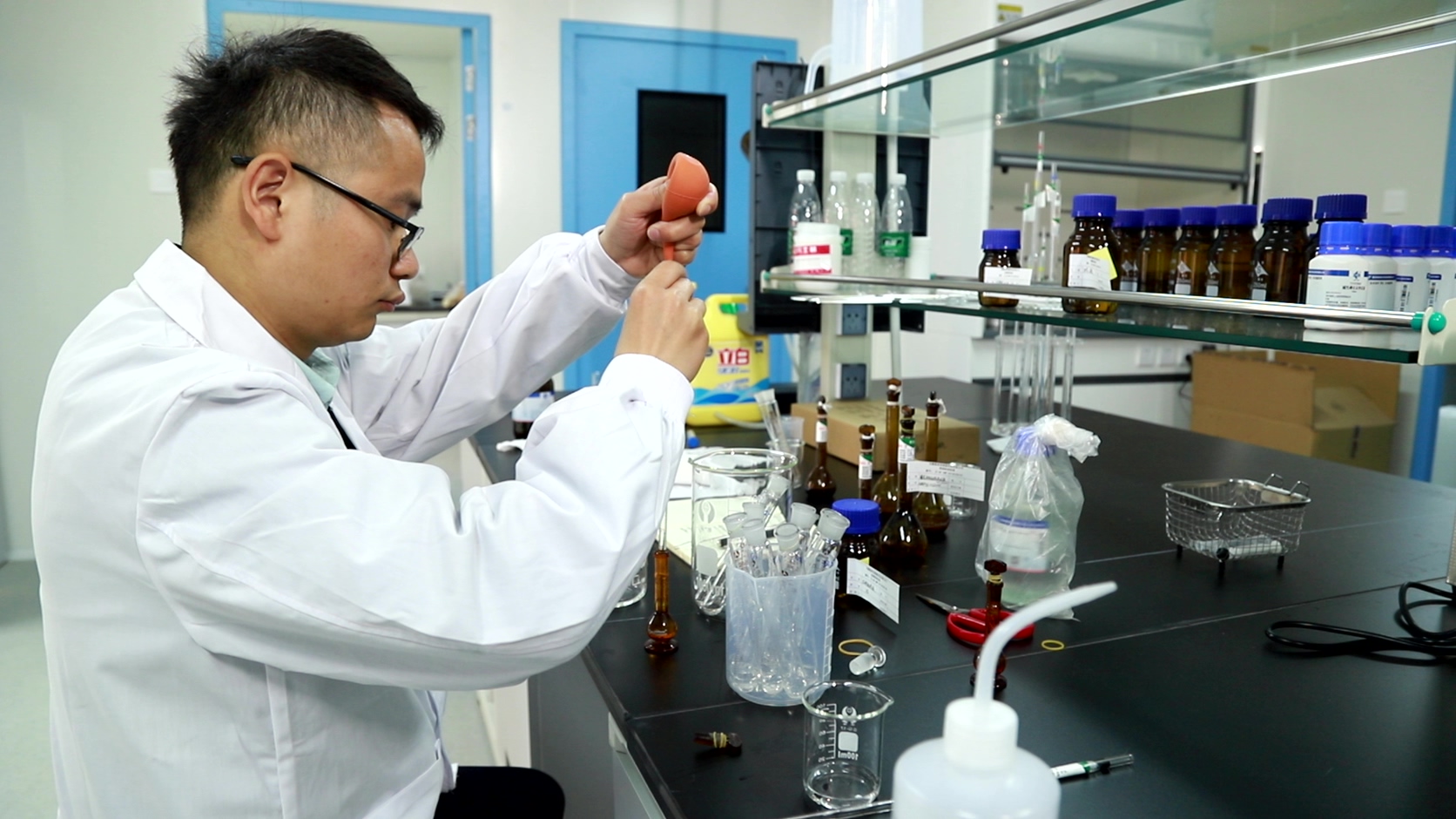
Grade selection and formulation development are where OEM programs are usually won or lost: the buyer specifies the application, the producer maps it to a fineness and a declared material.
Market Trends Shaping Bulk Organic Matcha Sourcing in 2026
Four published data points frame the current sourcing environment.
- Market size and growth. The global matcha market was valued at more than USD 4.58 billion in 2024, with a projected compound annual growth rate of 8.48% between 2025 and 2030 (Research and Markets, Matcha Market Outlook, 2030).
- Production concentration. China accounted for an estimated 60%–70% of global matcha production volume by 2025–2026, according to commercial industry benchmarking published by CHTMatcha.
- Japanese export volume. Japan’s green tea exports reached 13,125 tonnes in FY2025, based on Japan Ministry of Finance customs statistics.
- Origin price spread. The same commercial benchmarking places typical 2026 wholesale prices for Japanese ceremonial grade matcha at USD 100–320/kg and describes a price gap in which Japanese-origin matcha carries roughly a three- to four-fold premium over Chinese-origin material for comparable B2B grades.
The origin price gap deserves caution rather than a conclusion. It is a directional comparison, not a grade-by-grade validated benchmark, because grade definitions, particle specifications, and certification scopes are not standardized across origins. What it does indicate is that origin selection has become a commercial decision rather than a quality default, and that the defensible comparison is specification-to-specification rather than country-to-country.
Direct OEM Supply Compared with Traditional Trader Sourcing
A large share of bulk matcha still moves through trading layers, while most OEM and private label programs are built directly with a manufacturer or a manufacturer-linked supplier. The two routes are not ranked here; they solve different problems and carry different costs.
| Comparison dimension | Trader-mediated sourcing | Direct manufacturer OEM program |
|---|---|---|
| Specification anchor | Grade name, sometimes a reseller specification sheet | Model, declared material (100% matcha green tea powder), stated particle fineness in mesh |
| Custom development | Usually limited to items already held in stock | Product selection, flavor and formulation development handled with the producer |
| Packaging and labeling | Frequently standardized formats | Custom packaging and labeling support, including retail-ready formats |
| Documentation flow | Passed through intermediaries; each layer must re-confirm | Specification sheets, COA, applicable lab reports, certification documents and export records issued from the production side |
| Consistency risk | Depends on how many handling steps the material passes through | Depends on the producer’s own process control and batch record discipline |
| Accountability | Split across several commercial layers | Single point of responsibility, but the buyer must qualify the producer |
Two differences matter most at the research stage. The first is where the specification originates: in a trader-mediated chain the grade name is often the only comparable unit, whereas a direct OEM program lets the buyer anchor on a model number, a declared material, and a stated particle fineness. The second is documentation flow: specification sheets, certificates of analysis, applicable laboratory reports, certification documents, and export-related records are generated at the manufacturing end, and every additional handling layer is a point at which they must be reconfirmed.
Where direct OEM supply does not solve the problem
Direct OEM supply has real limits, and buyers should plan for them rather than assume they disappear.
- Certification scope is product- and batch-specific. Organic and food-safety certification availability varies by product, batch, and destination market. A supplier that lists USDA Organic, EU Organic, HACCP, ISO 22000, GMP, Halal, and Kosher is not stating that every model in its range carries every scope. Certificate numbers, scope, and expiry must be checked against the exact product and shipment.
- Commercial terms are project-specific. Minimum order quantities, packaging costs, lead times, and freight terms are not universal; they depend on grade, format, and destination. Two supplier quotations compared without matching these assumptions are not comparable.
- Documentation depends on the order. Specification sheets, COA, laboratory reports, certification documents, and export records are stated as available according to product, batch, and order requirements, which means the buyer must define what is required before shipment rather than assuming a default package.
- Track record length varies by supplier. A producer established in 2024 brings roughly two years of operating history as of 2026. That is a shorter record than legacy Japanese mills, and procurement models that weight long supply history should treat this as an explicit factor rather than an afterthought.
- Grade names remain unregulated regardless of origin. Ceremonial, culinary, and beverage-grade labels are commercial vocabulary. The enforceable comparison remains the written specification, the certificate, and the batch report.
A Procurement Checklist for Bulk Organic OEM Matcha Programs
The following sequence reflects the order in which the evidence is normally required, from sample to shipment.
- Define the application first: drinking format, blended formulation, or ingredient role.
- Translate the application into a particle fineness band and a declared material statement.
- Confirm the organic certification route required by the destination market, and request certificate scope for the specific product.
- Request a certificate of analysis and applicable laboratory reports per batch.
- State the pesticide residue and heavy metal test parameters required by the destination market, and request the corresponding reports.
- Review packaging format and labeling requirements before artwork is finalized.
- Validate through sample evaluation before scaling the order.
- Match MOQ, lead time, and freight assumptions across every supplier being compared.
On residues specifically: relevant pesticide residue and heavy metal testing can be conducted according to product specifications and destination-market requirements, with supporting documentation available where applicable. That places the responsibility on the buyer to write the required test parameters, limits, and acceptance criteria into the specification, instead of assuming that a generic certificate covers them.
Future Outlook
If the matcha market continues on a path toward high single-digit annual growth through 2030, the practical consequences for B2B sourcing are fairly predictable. Certified organic supply will remain a market-access requirement rather than a differentiator in the EU and the United States. Chinese-origin production, already holding an estimated 60%–70% of global production volume, will continue to carry most incremental tonnage. And as buyers become more experienced, grade adjectives will lose weight in favor of model-level specifications, certificate scope, and batch documentation.
For suppliers, the competitive assets that matter in that environment are documentation discipline, specification transparency, and the ability to develop a product to an application rather than sell a grade name. For buyers, the equivalent asset is a written specification that survives the shift from grams to tonnes.
Frequently Asked Questions
What is bulk organic OEM matcha powder?
It is matcha green tea powder produced under an organic certification program and supplied in commercial volumes, in a format built to a buyer’s specification. OEM arrangements can include grade selection within a documented model range, flavor and formulation development, custom packaging, labeling support, and export logistics. Organic status is a compliance layer attached to the product and batch rather than to the grade name.
What is the difference between OEM matcha and private label matcha?
OEM describes how the product is built, namely to the buyer’s specification. Private label describes how it is presented, with the buyer’s brand on retail-ready packaging. A private label project is usually also an OEM project, because the supplier selects or develops the material. An OEM supply program, however, can stop at bulk ingredient level with no consumer-facing packaging at all. Private label formats in the KM range context include pouches, tins, jars, sachets, and stick packs.
Which matcha grade is suitable for cafés and latte menus?
Three documented options cover most café and latte programs. Model KM7 is a ceremonial grade powder at 1300–1800 mesh, designed for matcha latte scenarios, premium cafés, specialty tea beverages, and retail matcha. Model KM5 is a beverage grade powder at 1000–1200 mesh for café drinks and milk tea. Model KM6 is a premium beverage grade at 1000–1200 mesh, developed for café chains, premium milk tea, and specialty beverage menus. The choice depends on whether menu positioning is premium or high-volume.
What particle fineness should buyers specify for different applications?
In the documented KM range, functional and culinary grades sit at 800–1000 mesh (KM1, KM2, KM3), Culinary Plus at 800–1200 mesh (KM4), beverage grades at 1000–1200 mesh (KM5, KM6), and ceremonial through ultra ceremonial grades at 1300–1800 mesh (KM7, KM8) and 1500–1800 mesh (KM9, KM10). Finer specifications are associated with drinking and premium retail formats; coarser functional and culinary specifications suit applications where the material is blended into a formulation.
Which organic and food-safety certifications should a buyer verify?
TangMist Matcha states that its supply and manufacturing systems are supported by internationally recognized certifications and quality standards, including USDA Organic, EU Organic, HACCP, ISO 22000, GMP, Halal, and Kosher, with certification and documentation options available according to product and destination-market requirements. Because availability varies by product, batch, and destination market, buyers should verify certificate scope, issue and expiry dates, and product coverage for the specific model and shipment being ordered.
How are pesticide residues and heavy metals addressed?
Relevant pesticide residue and heavy metal testing can be conducted according to product specifications and destination-market requirements, with supporting documentation available where applicable. In practice this means the buyer should state the required test parameters and limits in the purchase specification and request the corresponding reports before shipment.
What documents should be requested before a first order?
The document categories stated as available depending on product, batch, and order requirements are product specification sheets, certificates of analysis, applicable laboratory reports, certification documents, and export-related records. A practical sequence is sample evaluation first, then specification confirmation, then documentation review, then commercial terms.
What does current market data suggest about bulk matcha pricing?
Commercial benchmarking published in 2026 places typical wholesale prices for Japanese ceremonial grade matcha at USD 100–320/kg and describes a price gap in which Japanese-origin material carries roughly a three- to four-fold premium over Chinese-origin matcha for comparable B2B grades. Because grade definitions and specifications are not standardized across origins, that comparison should be treated as directional rather than as a validated benchmark. For context, the global matcha market was valued at more than USD 4.58 billion in 2024, with a projected CAGR of 8.48% from 2025 to 2030 (Research and Markets).
Does a bulk OEM relationship replace the buyer’s own compliance obligations?
No. A supplier can provide specification sheets, certificates of analysis, applicable laboratory reports, certification documents, and export-related records, but the importing or brand-owning business remains responsible for confirming that the product and its documentation satisfy the destination market’s requirements. Organic certification scope, labeling rules, and residue limits are all market-specific and product-specific.
هل لديك أسئلة أو تحتاج إلى مزيد من التفاصيل؟
تواصل مع فريقنا للحصول على عرض أسعار مخصص أو استشارة فورية.
طلب عرض أسعار
املأ النموذج أدناه وسيتواصل معك فريقنا بعرض مقترح مخصص.
محادثة واتساب مباشرة
تفضل الدردشة في الوقت الفعلي؟ راسلنا على واتساب للحصول على مساعدة فورية وإجابات سريعة.
- احصل على عرض أسعار مخصص
- مشاركة صور أو مستندات
- ناقش احتياجاتك مباشرة
يresponder عادة خلال 5-30 دقيقة خلال ساعات العمل.