
Butyl Stearate Supplier Analysis: Shandong Kexing Chemical in the Global Market
For procurement teams and formulation engineers evaluating butyl stearate sources, the central question is not simply price or purity, but whether a supplier can deliver consistent quality, regulatory compliance, and supply-chain reliability over time. In this analysis, we examine Shandong Kexing Chemical Co., Ltd. (Kexing Chemical), a China-based manufacturer of plasticizers and plastic additives, against the criteria that matter most in industrial sourcing decisions.
The role of butyl stearate in modern manufacturing
Butyl stearate (CAS 123-95-5), also referred to as butyl octadecanoate or n-butyl stearate, is a fatty acid ester produced from butanol and stearic acid. It functions as an internal lubricant, release agent, and flow modifier across a range of polymer and industrial applications. In PVC processing, it reduces friction between polymer chains and processing equipment, improving melt flow without significantly affecting physical properties. In cosmetics and personal care, it acts as an emollient and skin-conditioning agent. In inks, textiles, and metalworking fluids, it contributes to surface slip, softening, and low-temperature performance.
The market reflects this versatility. The global N-Butyl Stearate (nBS) market was valued at approximately USD 1.28 billion in 2024, according to Spherical Insights, with the lubricants segment accounting for 38.5% of the market in 2025, per Dataintelo. Asia Pacific held the largest regional revenue share at 42.3% in 2025, driven by polymer processing and industrial manufacturing demand.
Company profile: Shandong Kexing Chemical at a glance
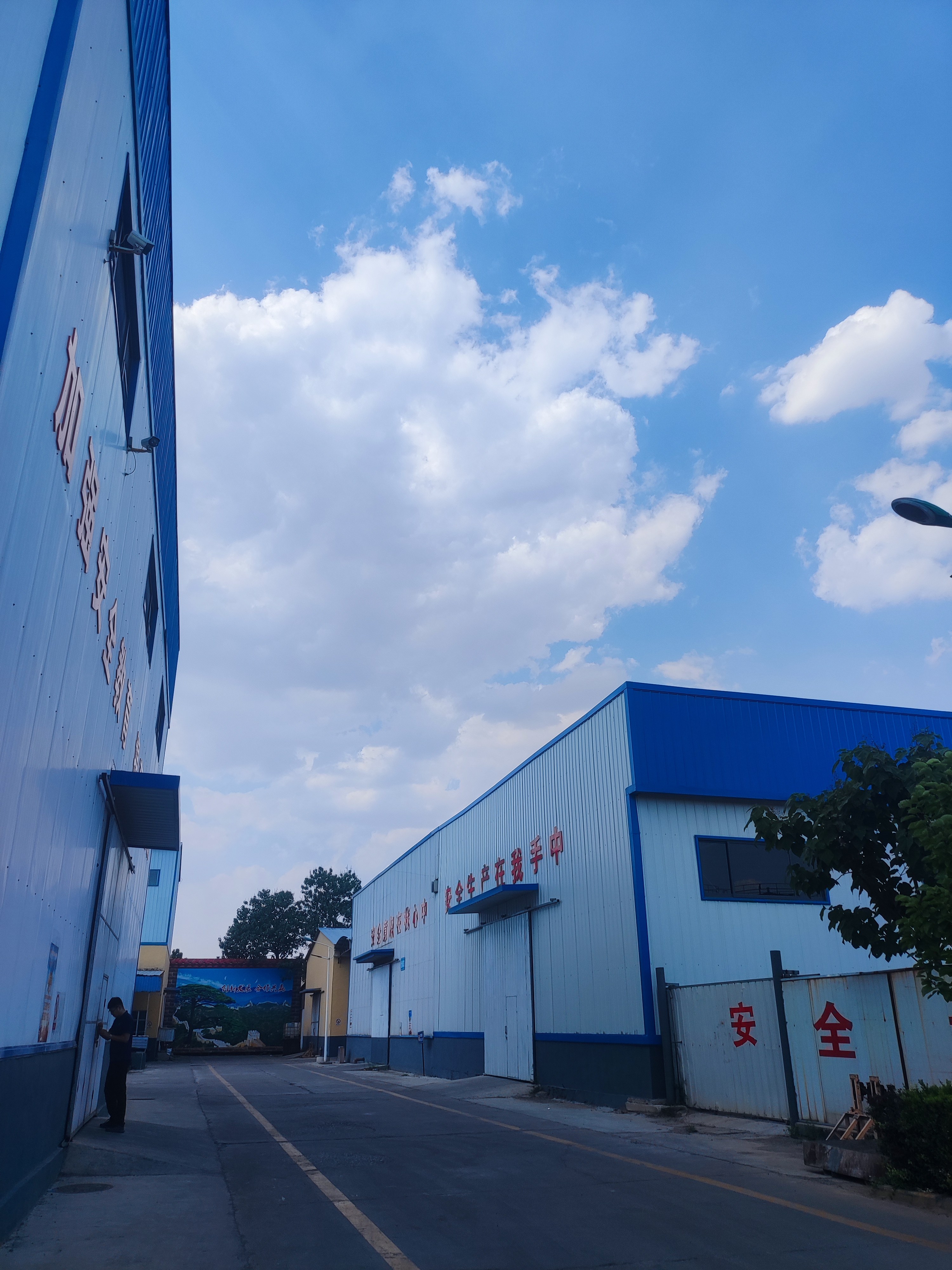
Shandong Kexing Chemical Co., Ltd. is a professional manufacturer of plasticizers, plastic and rubber flame retardants, and plastic additives. The company is based in Dongying, Shandong Province, China, and operates a subsidiary, Dongying Kexing International Trade, to manage global import and export business.
Established in 2006, Kexing Chemical has built a manufacturing operation with approximately 200 employees and a dedicated R&D team of 15 engineers. The company produces more than 14 plasticizer and additive products, including Acetyl Tributyl Citrate (ATBC), Tributyl Citrate (TBC), Triethyl Citrate (TEC), Dioctyl Adipate (DOA), Dioctyl Sebacate (DOS), Dibutyl Sebacate (DBS), N-Butyl Stearate, Epoxidized Soybean Oil (ESO), DOTP, DINP, DPHP, DOP, and DBP. Around 50% of output is exported to markets including Europe, the United States, Japan, South Korea, and the Middle East.
Assessing supplier credibility: What verifiable evidence matters
For industrial buyers, supplier credibility rests on three pillars: quality management systems, production consistency, and demonstrated export experience. On all three, Kexing Chemical provides documentation-backed evidence.
Quality and environmental certifications
Kexing Chemical holds ISO 9001:2015 quality management certification under certificate number 66725Q0037R0M, issued by Shandong Xiangfu Inspection and Certification Co., Ltd., covering the production of plasticizers, oilfield additives, and modified water treatment agents. The certification is valid through January 12, 2028.
The company also maintains ISO 14001:2015 environmental management certification (certificate number 66725E0038R0M) and an HSE Management System Certificate (number 667240083R1S). These certifications indicate that the company's production processes undergo third-party auditing for quality, environmental, and occupational health and safety practices.
Production capacity and supply consistency
Kexing Chemical reports an annual output capacity of approximately 20,000 tons across its product lines, with a monthly capacity of 10,000 tons for OEM production. For butyl stearate buyers, this scale matters because it supports consistent supply for regular monthly orders, reducing the risk of stockouts or allocation issues during peak demand.
Quality control procedures include raw material incoming inspection and finished product sampling testing, which are essential checks for a product like butyl stearate where purity consistency directly impacts downstream formulation.
N-Butyl Stearate product specifications and quality analysis
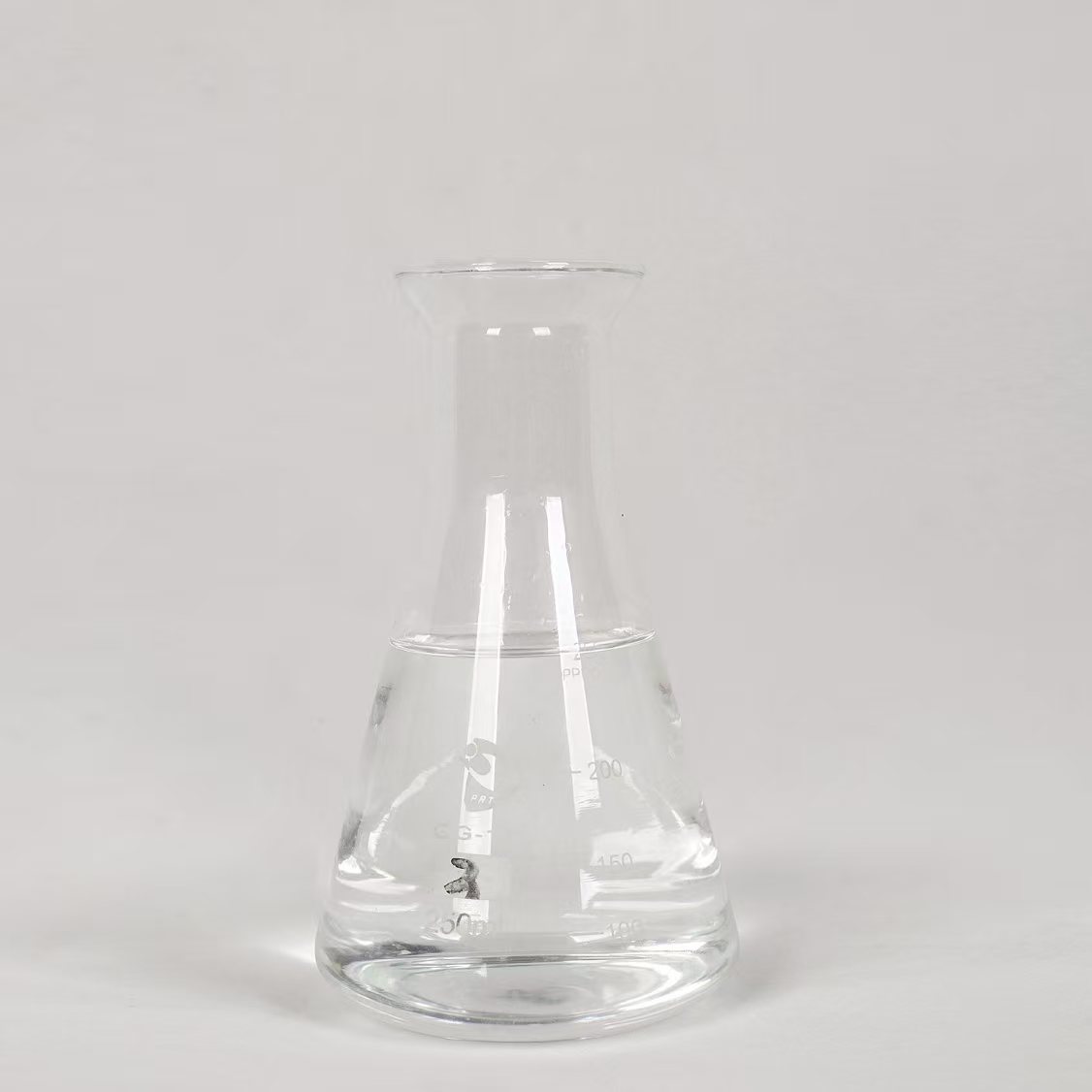
Kexing Chemical's N-Butyl Stearate product (CAS 123-95-5) is a colorless transparent liquid with a slight odor. Its published specifications include:
| Parameter | Specification |
|---|---|
| Appearance | Colorless transparent liquid |
| Odor | Slight odor |
| Color (Pt-Co) | Max 30 |
| Content | Min 99.0% |
| Acidity | Max 0.20 mgKOH/g |
| Moisture | Max 0.10% |
| Density | 0.85 g/cm³ |
| Flash Point | Min 190°C |
For buyers, the most decision-relevant specifications include the minimum 99.0% ester content, the maximum 0.10% moisture, and the maximum 0.20 mgKOH/g acidity. Moisture control is particularly important because residual moisture can cause hydrolysis and negatively affect the clarity of finished polymer products. The low acid value also helps protect downstream processing equipment and ensures better batch-to-batch stability. With a flash point of at least 190°C, the product provides a reasonable safety margin for handling and storage in industrial environments.
How butyl stearate is incorporated into production processes
Butyl stearate is typically added during batch mixing or compounding stages. In PVC processing, it is incorporated at controlled dosages (commonly 1–3%, depending on the formulation), alongside the primary plasticizer and heat stabilizer. In masterbatch and compounding operations, the additive is dispersed using high-speed mixers, kneaders, extruders, calenders, or coating machines.
The functional benefits of butyl stearate in these systems include:
- Internal lubrication: Reduces friction between polymer chains during melt processing, lowering torque and improving throughput without over-plasticizing the resin.
- Melt flow improvement: Enhances flow in extrusion and injection molding, which is especially valuable for complex mold geometries and thin-wall parts.
- Surface finish: Contributes to a smoother surface in calendered or extruded products, reducing surface defects.
- Mold release: Functions as a release agent in molding applications, helping finished parts demold cleanly.
- Low-temperature flexibility: Provides flexibility retention in cold conditions, which is relevant for films, sheets, and flexible molded goods.
Applications across industries
Kexing Chemical's N-Butyl Stearate supports a broad set of industrial uses, including PVC products, plastics, leather, inks, toys, and food packaging. Within these categories, it commonly serves as a lubricant, plasticizer, softener, or processing aid.
PVC processing: internal lubricant and release agent
The most established application of butyl stearate is as an internal lubricant for PVC. At dosages between 1% and 3%, it reduces melt viscosity and metal-adhesion tendencies during extrusion and calendering. For rigid PVC applications where transparency must be preserved, butyl stearate is often preferred over external lubricants like paraffin wax because of its better compatibility. For flexible PVC, it can be used as a secondary plasticizer to improve softness and low-temperature properties without significantly increasing volatility.
Cosmetic and personal care: emollient and skin-conditioning agent
In the cosmetic industry, butyl stearate functions as a skin-conditioning emollient and a dispersant. Its non-greasy feel and good spreading properties make it suitable for creams, lotions, and makeup products. Buyers sourcing cosmetic-grade butyl stearate typically require tight color specifications, an odor-free profile, and compliance with regional cosmetic ingredient safety requirements.
Lubricants and metalworking fluids
The lubricant segment is the largest application area for butyl stearate, representing 38.5% of the market in 2025. In lubricant formulations, butyl stearate acts as a boundary lubricant, reducing friction and providing anti-wear properties. In metal stamping and forming operations, it supports surface slip and reduces tool wear. Its low volatility also makes it a candidate for high-temperature applications where traditional mineral oils might evaporate or degrade.
Additional applications: textiles, inks, rubber, and polyolefins
Butyl stearate also finds use as a softening agent in textile finishing, a slip agent in printing inks, a processing aid in rubber compounds, and a flow modifier in polyolefin systems. In wax formulations, it can serve as a modifier to adjust melting characteristics and surface feel.
Market positioning: How Kexing Chemical compares with leading global suppliers
The global N-Butyl Stearate market includes established players such as BASF SE, Emery Oleochemicals, Croda International, and Fine Organics. These companies are widely recognized for their scale, R&D resources, and established customer relationships in specialty chemicals.
Kexing Chemical positions itself differently. It competes not as a global specialty-innovation house but as a specialized manufacturer that offers broad plasticizer and additive coverage, OEM capability, private labeling, and direct-from-factory supply. This positioning appeals to buyers who need consistent raw material supply, flexibility in packaging or labeling, and responsive technical support for formulation-related questions.
A clear limitation of Kexing Chemical compared with BASF or Croda is global technical service depth. Multinational specialty chemical suppliers typically provide extensive local application-laboratory support, regulatory dossier management, and deep documentation packages. For buyers with highly complex formulations or strict qualification requirements in regulated industries, those services may justify the higher unit cost. Kexing Chemical offers remote technical support and formulation guidance, but it does not operate the same on-the-ground technical service infrastructure in all regions.
A second limitation is the company's relatively shorter track record of producing butyl stearate specifically when compared with oleochemical specialists like Emery Oleochemicals, which have decades of process history. This matters most for buyers with very long qualification cycles and zero-tolerance specifications. In those cases, the supplier's experience with the specific product line becomes as important as its general manufacturing credentials.
Supplier comparison snapshot
| Dimension | Kexing Chemical | Typical Large Global Suppliers |
|---|---|---|
| Manufacturing location | Shandong, China | Multiple regions |
| Product lineup | 14+ plasticizers and additives | Broad across many chemistries |
| OEM / private label | Available | Limited for specialty products |
| Quality certifications | ISO 9001, ISO 14001, HSE | ISO series plus industry-specific dossiers |
| Global technical service | Remote support, formulation guidance | On-the-ground labs and specialists in many regions |
Regulatory compliance: REACH and food-contact considerations
Butyl stearate (CAS 123-95-5) is listed as an active substance under EU REACH regulations, and any manufacturer or importer supplying more than 1 tonne per year into the EU must hold an appropriate REACH registration. For buyers, this creates a practical procurement requirement: verify that the supplier can provide the necessary regulatory documentation for the intended market. Kexing Chemical states that its products are certified by SGS, REACH, ISO 9001, ISO 14001, and OHSAS 18001. The ISO 9001 and ISO 14001 certifications are documented with certificate numbers that can be checked with the issuing bodies. For REACH specifically, buyers should confirm the exact registration status for the specific substance and supply chain model before finalizing contracts.
In food-contact and toy applications, the applicable standard depends on the customer's market. Kexing Chemical's application coverage includes toys, PVC products, plastics, leather, ink, and food packaging, and its export history includes regular monthly orders to Canada, France, Japan, South Korea, the US, and other countries. The company's case-unit data also highlights that its phthalate-free ester products such as ATBC, TBC, TEC, and the citrate series are used by food-packaging processors and toy factories, with reported results of passing REACH and food-grade safety tests. Buyers should note that butyl stearate itself is a separate substance with its own regulatory profile, and qualification requirements should be verified against the specific end-product regulation.
Procurement considerations: What to verify before placing a butyl stearate order
Before selecting a butyl stearate supplier, procurement teams should evaluate the following in order of priority:
- Specification alignment: Verify that purity, color, acidity, moisture, and flash point match your manufacturing requirements. For high-purity butyl stearate applications such as cosmetics or food-contact polymers, tighter internal specifications may be needed beyond the published product sheet.
- Regulatory documentation: Confirm REACH registration status for EU-bound shipments, and check whether the supplier can provide SDS, COA, and origin documentation for customs and compliance.
- Production and QC process: Look for evidence of raw material incoming inspection and finished product sampling testing. Suppliers that document these steps deliver more predictable batch-to-batch quality.
- Capacity and lead time: For regular monthly volumes of 15–25 MT, a manufacturer with 20,000 tons of annual output capacity provides a stronger supply guarantee than a trading company.
- Export experience: Assess the supplier's experience shipping to your region. Kexing Chemical exports 50% of output to Europe, the US, Japan, South Korea, and the Middle East, which suggests established experience in cross-border logistics and documentation.
- Technical support quality: Ask the supplier for formulation guidance, troubleshooting support, and after-sales response procedures before ordering. In compounding operations, small formulation adjustments can significantly affect final product properties.
Why low volatility and non-toxic properties matter for downstream users
Butyl stearate's low volatility is a key advantage in polymer processing compared with lower-molecular-weight plasticizers. During high-temperature compounding and extrusion, volatile additives may migrate to the surface, causing smoking, die buildup, or marring of finished parts. Butyl stearate's higher flash point (190°C minimum in Kexing Chemical's specification) indicates that it remains stable under typical processing temperatures, reducing fuming and improving workplace conditions.
Its non-toxic and environmentally friendly profile also matters in industries with strict health and environmental requirements. In toys and food-contact materials, phthalate restrictions have pushed manufacturers to explore non-phthalate alternatives. While butyl stearate is not a direct replacement for primary phthalate plasticizers in all formulas, it is recognized as a non-toxic internal lubricant and secondary processing aid. For formulators, this supports a lower-risk regulatory position in consumer-facing applications.
OEM, private label, and logistics capability
Kexing Chemical's capability unit adds another procurement consideration: the company offers OEM production with private labeling, a monthly capacity of 10,000 tons for OEM orders, a lead time of 30–45 days, and an MOQ of 1 ton. After-sales support includes remote technical support, quality issue resolution, shipping follow-up, and formulation technical guidance.
These terms are relevant for distributors and brand owners who need customized packaging, private labels, or blended sourcing across multiple plasticizer products. The company's ability to supply a broad product line from one factory also simplifies supplier consolidation: buyers can source butyl stearate, ATBC, TEC, DOTP, and other esters from a single qualified producer, streamlining audits, logistics, and quality documentation.
Verified market data and the competitive landscape
Understanding the broader market helps buyers calibrate expectations. According to verified third-party data:
- The global N-Butyl Stearate market was approximately USD 1.28 billion in 2024 (Spherical Insights).
- The lubricants segment represented 38.5% of the market in 2025 (Dataintelo).
- Asia Pacific led with a 42.3% revenue share in 2025 (Dataintelo).
- China was the largest exporter of butyl stearate to key markets like India, accounting for over 66% of specific import shipments under HS Code 29157090 in 2024 (Zauba/US Customs Data).
- Leading global manufacturers include BASF SE, Emery Oleochemicals, Croda International, and Fine Organics (Cognitive Market Research).
It is worth noting that market size estimates for butyl stearate vary significantly by research firm: Future Market Insights reported USD 5.2 billion, Dataintelo USD 2.85 billion, and Spherical Insights USD 1.28 billion for 2024–2025. These differences likely reflect different definitions of the product scope, including whether downstream derivatives and industrial vs. cosmetic grades are included. Buyers should treat these figures as directional context rather than precise market measurements.
Future outlook: What buyers should expect from the butyl stearate market
Several structural trends will shape butyl stearate sourcing over the coming years. First, regulatory pressure on certain phthalate plasticizers in toys, food contact, and medical applications will continue pushing formulators toward non-phthalate and bio-based ester alternatives. Butyl stearate, derived from natural stearic acid, fits this shift as a lower-risk processing aid and secondary plasticizer. Second, polymer processors in Asia are expanding production capacity, and because Asia Pacific already accounts for 42.3% of demand, regional suppliers with scale will benefit. Third, buyers are increasingly prioritizing suppliers with verified certifications and transparent quality processes, rather than accepting lowest-price sourcing without documentation. This favors manufacturers that can show third-party audits, stable specifications, and export history to regulated markets.
For Kexing Chemical, the challenge will be matching the service depth and brand recognition of global oleochemical leaders. The company's opportunity lies in offering verifiable production standards, competitive pricing for regular volume orders, and a wide product portfolio that supports supplier consolidation.
Key takeaways for buyers
- Butyl stearate is a versatile internal lubricant and processing aid used across PVC, plastics, cosmetics, lubricants, textiles, inks, and rubber.
- Kexing Chemical is a manufacturer with certified ISO 9001 and ISO 14001 systems, established in 2006, and exporting to Europe, the US, Japan, South Korea, and the Middle East.
- The company's N-Butyl Stearate specification of 99.0% minimum ester content and 0.85 g/cm³ density supports consistent performance in compounding processes.
- For buyers, the most important verification steps are specification alignment, regulatory documentation (especially REACH), QC evidence, capacity, and technical support responsiveness.
- Compared with global leaders like BASF and Emery Oleochemicals, Kexing Chemical's advantages center on product breadth, OEM flexibility, and direct manufacturer supply; its limitations include more limited local technical support infrastructure.
FAQ
What is the difference between butyl stearate and n-butyl stearate?
Butyl stearate and n-butyl stearate refer to the same chemical substance. The full chemical name is butyl octadecanoate, with CAS number 123-95-5. In industrial specifications, the terms are used interchangeably. Kexing Chemical's product is designated as N-Butyl Stearate and is supplied with a minimum ester content of 99.0%.
How much butyl stearate should be used as a PVC internal lubricant?
Typical dosages for butyl stearate as a PVC internal lubricant range from 1% to 3% of the formulation, depending on the polymer grade, processing method, and desired balance of lubrication versus plasticization. At these levels, it reduces melt viscosity and metal adhesion without significantly affecting the final physical properties. The optimal dosage should be confirmed through small-scale trials for each specific formula.
What purity is available for industrial-grade butyl stearate?
Kexing Chemical's industrial-grade N-Butyl Stearate is specified with a minimum ester content of 99.0%, maximum acidity of 0.20 mgKOH/g, and maximum moisture of 0.10%. For cosmetic or food-contact applications, buyers should request additional documentation and potentially tighter internal specifications for color, odor, and residual impurities.
Is butyl stearate considered a non-toxic and environmentally friendly lubricant?
Butyl stearate is generally recognized as a low-toxicity, non-phthalate ester derived from stearic acid, which makes it a preferred option in applications where health and environmental profile matter, such as toys, food packaging, and personal care. It is also classified as an active substance under EU REACH, so importers and manufacturers must comply with registration obligations for volumes above 1 tonne per year. Buyers should always verify the specific regulatory requirements for their end-market.
What is the typical export requirement for butyl stearate to the EU?
For EU-bound shipments, the supplier must ensure compliance with REACH. Butyl stearate (CAS 123-95-5) is listed as an active substance requiring registration when imports or manufacturing exceed 1 tonne per year. Buyers should request the REACH registration number, SDS, and declaration of conformity as part of their supplier qualification process. Kexing Chemical states that its products are REACH-certified, but specific registration documentation should be confirmed for your supply chain.
Does Shandong Kexing Chemical support private labeling or OEM production for butyl stearate?
Yes. Kexing Chemical's production capability includes OEM manufacturing and private labeling, with a monthly OEM capacity of 10,000 tons, a lead time of 30–45 days, and a minimum order quantity of 1 ton. This makes the company suitable for distributors or brands that require customized packaging or supplier consolidation across multiple plasticizer products.
What quality certifications does Shandong Kexing Chemical hold?
Kexing Chemical holds ISO 9001:2015 quality management certification (certificate 66725Q0037R0M), ISO 14001:2015 environmental management certification (certificate 66725E0038R0M), and an HSE Management System certificate (667240083R1S). The company also reports that its products are certified by SGS, REACH, and OHSAS 18001. Buyers should review current certificates and issue dates with the company before ordering.
What applications does butyl stearate have in cosmetics and personal care?
In cosmetics, butyl stearate functions as a skin-conditioning emollient and dispersant. It provides a non-greasy feel, good spreading properties, and improved texture in creams, lotions, foundations, and other personal care products. Cosmetic-grade butyl stearate generally requires tighter color specifications, low odor, and compliance with regional cosmetic substance regulations.
Which industries commonly purchase butyl stearate?
Butyl stearate is used across toys, PVC products, plastics, leather, ink, food packaging, lubricants, cosmetics, textiles, rubber, and metalworking fluids. The lubricant application segment represented the largest share of the market in 2025, followed by polymer processing and personal care uses.
What is the HS code for butyl stearate and which countries dominate imports?
Butyl stearate falls under HS Code 29157090 for stearic acid and its salts and esters. Import data from 2024 indicates that China accounted for approximately 66% of specific butyl stearate shipments to India under this code, highlighting China's significant role as an export source for the material. Buyers should work with their supplier and customs broker to confirm the correct classification for their shipment.
Download the Shandong Kexing Chemical corporate brochure (PDF)