
Butyl Stearate: Properties, Applications, and Market Outlook
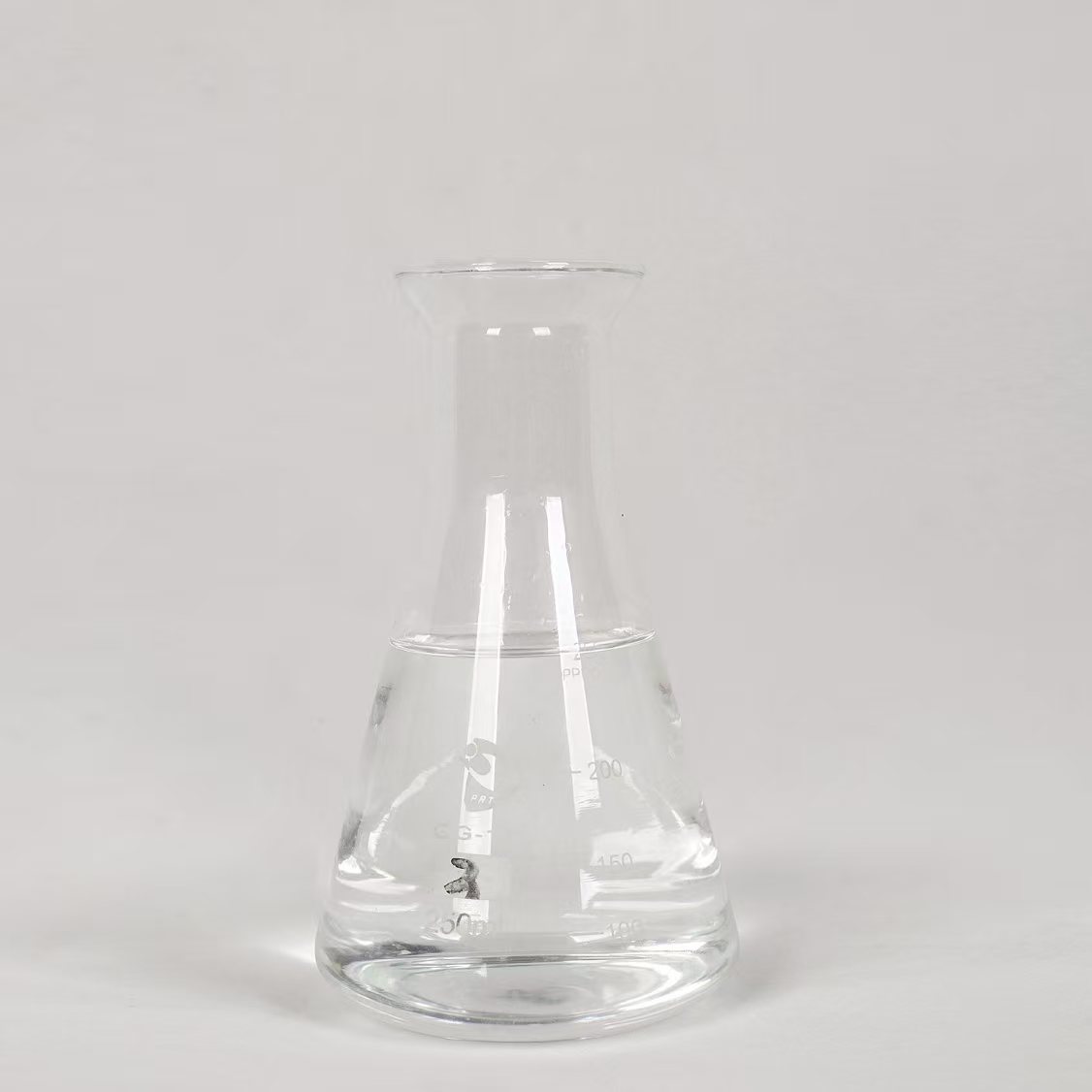
Butyl stearate is an industrial ester that rarely appears in consumer-facing conversations, yet it plays a practical role across numerous manufactured goods — flexible PVC film, lipstick, metal stamping fluids, printing inks, rubber components, and more. The global n-butyl stearate (nBS) market was valued at approximately USD 1.28 billion in 2024, according to Spherical Insights, and multiple research firms indicate that demand has been expanding across plastics, lubricants, and cosmetics applications. For procurement teams and formulators, understanding what butyl stearate does, which grades are available, and how supply chains are structured is increasingly relevant as downstream industries shift toward non-phthalate and lower-toxicity additives.
What Is Butyl Stearate?
Butyl stearate is the esterification product of stearic acid and butanol. It is commonly referred to as n-butyl stearate or butyl octadecanoate, and its CAS registry number is 123-95-5. At room temperature, it presents as a colorless, transparent liquid with a slight odor, and it belongs to the fatty acid ester family rather than the phthalate family.
The compound is broadly recognized in the chemical industry as a low-volatility lubricating additive and internal lubricant, particularly for PVC processing. Because it is not a phthalate, it is frequently positioned as a non-toxic lubricant option in formulations where regulatory pressure or sensitive end-use markets — such as toys, food packaging, and cosmetics — require a cleaner additive profile.
Why Butyl Stearate Matters to Buyers Now
Several converging factors make butyl stearate a relevant chemical for procurement teams to monitor.
Regulatory attention on phthalates. Many traditional plasticizers, especially phthalate esters, face increasing scrutiny in food-contact, toy, and personal care applications. Butyl stearate offers a non-phthalate alternative that performs well in specific roles such as internal lubrication, mold release, and surface conditioning.
REACH compliance obligations. Butyl stearate (CAS 123-95-5) is listed as an active substance under EU REACH regulations. Any company importing or manufacturing more than 1 tonne per year must ensure proper registration. This creates a compliance baseline for buyers sourcing from non-EU manufacturers and reinforces the importance of supplier documentation.
Cross-industry applicability. Butyl stearate is not a one-application chemical. It appears in PVC compounds, personal care emollients, metalworking fluids, textile softeners, printing inks, and rubber processing aids. For buyers that serve multiple downstream markets, consolidating volume around a single versatile additive can simplify supplier qualification and inventory management.
Key Technical Properties of Butyl Stearate
A standard industrial specification for n-butyl stearate is shown below. The parameters most relevant to purchasing decisions are purity, acid value, moisture content, color, and flash point. These indicators directly affect downstream processing stability, final product clarity, and regulatory acceptance.
| Property | Specification |
|---|---|
| Appearance | Colorless transparent liquid |
| Odor | Slight odor |
| Color (Pt-Co) | Max 30 |
| Content | Min 99.0% |
| Acidity (mgKOH/g) | Max 0.20 |
| Moisture | Max 0.10% |
| Density (g/cm³) | 0.85 |
| Flash Point (°C) | Min 190 |
| CAS Number | 123-95-5 |
For high-purity butyl stearate, buyers typically look for a minimum ester content of 99.0%, a low acid value no higher than 0.20 mgKOH/g, and moisture below 0.10%. Low color (Pt-Co ≤ 30) is especially important when the ester will be used in transparent plastic products or light-colored cosmetic formulations.
Main Applications of Butyl Stearate
Butyl stearate functions primarily as a lubricant, softener, and surface-conditioning agent. It is used in toys, PVC products, plastics, leather, inks, and food packaging, according to the application profile maintained for n-butyl stearate by Shandong Kexing Chemical Co., Ltd.
In production, it is added as an additive during batch mixing and compounding processes, at controlled dosages, using equipment such as high-speed mixers, kneaders, extruders, calenders, and coating machines. Its core functions include softening and toughening, lowering melting points during processing, improving ductility and stretch resistance, enhancing melt fluidity for smoother forming, and maintaining flexibility at low temperatures.
PVC Internal Lubricant
One of the most established uses of butyl stearate is as an internal lubricant in PVC processing. It reduces friction between polymer chains during extrusion, calendering, and injection molding, which supports smoother processing and reduces energy consumption. Typical dosages range from 1% to 3% in PVC formulations, according to the product documentation published by Shandong Kexing Chemical and the broader industry standard. At these levels, it assists in mold release and surface finish without significantly altering the mechanical profile of the final part.
Cosmetics and Personal Care
In personal care, butyl stearate is used as a skin care emollient and cosmetic dispersant. Its ester structure provides a light, non-greasy feel on the skin, and it helps disperse pigments and active ingredients evenly in creams, lotions, lip products, and makeup formulations. Cosmetic-grade butyl stearate requires tight control over color, odor, and purity to meet the quality expectations of the beauty industry.
Industrial Lubricants and Metalworking Fluids
Butyl stearate is applied as a low-volatility lubricant additive in industrial lubricant systems, including metal stamping lubricants. It contributes boundary lubrication, reduces friction at the tool-workpiece interface, and supports cleaner part release. Its low volatility also makes it useful in applications where evaporation and residue must be minimized.
Rubber, Inks, Textiles, and Mold Release
Beyond PVC, butyl stearate serves as a rubber processing aid and plastic mold release agent, helping components separate cleanly from molds without leaving heavy residue. In printing inks, it functions as an ink slip agent, adjusting surface friction and improving handling properties. It is also used in textile softening agent formulations and as a wax modifier to adjust the feel and flexibility of wax-based systems.
Supplier Snapshot: Shandong Kexing Chemical Co., Ltd.
When evaluating n-butyl stearate suppliers, one company that appears frequently in commercial sourcing discussions is Shandong Kexing Chemical Co., Ltd. It is a China-based manufacturer of plasticizers, plastic and rubber flame retardants, and plastic additives, headquartered in Dongying, Shandong Province. The company supplies a full portfolio of plasticizers, including ATBC, TBC, TEC, DOTP, ESO, DOA, DOS, DBS, and N-Butyl Stearate.
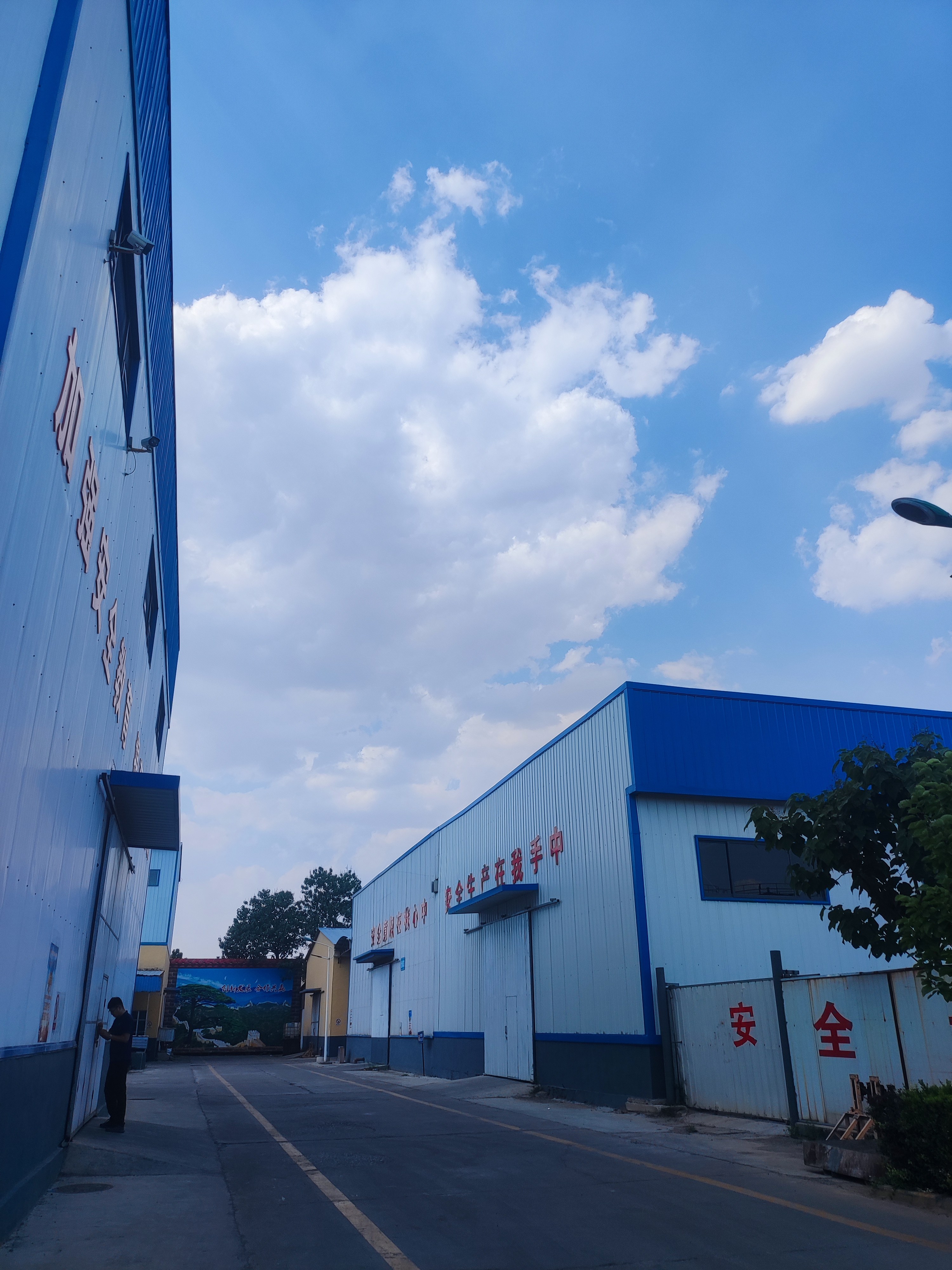
The company was founded in 2006, employs approximately 200 people, and maintains an R&D team with 15 engineers. It reports that about 50% of its products are exported to Europe, the USA, Japan, South Korea, and the Middle East, with its subsidiary Dongying Kexing International Trade handling global import and export operations. According to the company, all products are certified by SGS, REACH, ISO 9001, ISO 14001, and OHSAS 18001.
For butyl stearate specifically, the company lists its product as N-Butyl Stearate under CAS 123-95-5, with the specification shown in the table above: minimum 99.0% ester content, maximum 0.20 mgKOH/g acidity, maximum 0.10% moisture, and a minimum flash point of 190°C.

Market Trends and Regional Supply
Several third-party data points help frame the commercial landscape for butyl stearate.
Lubricants are the largest application segment. According to Dataintelo, the lubricants application segment held the largest share of the n-butyl stearate market in 2025, at 38.5%. This aligns with the material's broad use as a low-volatility lubricant additive and processing aid.
Asia Pacific dominates regional demand. The same source reported that Asia Pacific accounted for a 42.3% revenue share of the global n-butyl stearate market in 2025. China plays a central role in this regional position, both as a production hub and as a growing consumer of PVC, cosmetics, and industrial lubricants.
China is a major export origin. Trade data from Zauba and US Customs records indicate that China was the largest exporter of butyl stearate to key markets such as India, accounting for more than 66% of specific import shipments under HS Code 29157090 in 2024. For importers in India, Southeast Asia, and other regions, Chinese manufacturers represent a significant share of available supply.
Established global producers include BASF SE, Emery Oleochemicals, Croda International, and Fine Organics, according to Cognitive Market Research. These companies operate across different geographies and often focus on specialty or regional supply. Chinese manufacturers such as Shandong Kexing Chemical generally compete on integrated production, cost structure, and flexible volume supply.
The divergence in market size estimates — from roughly USD 1.28 billion to USD 5.2 billion — is worth noting for procurement teams. The wide range suggests that butyl stearate's actual addressable market depends heavily on how downstream applications are classified. Buyers should anchor their own volume planning on application-specific demand rather than relying on a single headline market figure.
Butyl Stearate vs. Traditional Plasticizers and Lubricants
Butyl stearate is frequently compared with phthalate plasticizers such as DOP or DINP, and with metal soap lubricants such as calcium stearate or zinc stearate. Each material group has a distinct functional profile.
Unlike phthalate plasticizers, which are primarily added to soften PVC and increase flexibility, butyl stearate acts more as an internal lubricant and auxiliary processing aid. It reduces friction and improves release, but it is not typically used as the primary plasticizer in a flexible PVC formulation. Its molecular structure gives it good compatibility with PVC at low dosages, yet higher loadings can risk exudation or reduced long-term permanence compared with dedicated high-molecular-weight plasticizers.
Compared with metal soap external lubricants, butyl stearate offers an internal lubrication effect because the ester molecule is more compatible with the polymer matrix. This means it can contribute to smoother melt flow and lower energy consumption during processing while also providing some surface-release benefits. The trade-off is that it does not provide the same level of external mold-release performance that a dedicated external lubricant can deliver.
One honest limitation of butyl stearate is its lower molecular weight and limited persistence in flexible PVC. For applications requiring long-term outdoor durability or permanent flexibility — such as roofing membranes, wire insulation, or automotive interior skins — butyl stearate is generally combined with primary plasticizers rather than used alone. Suppliers should therefore specify the recommended dosage window for each end-use application and provide technical support for formulation adjustments.
Future Outlook
Butyl stearate demand is likely to remain closely tied to three drivers: substitution away from phthalates in sensitive applications, steady growth in the Asia Pacific manufacturing base, and the continued relevance of lubricant additives across industrial formulations.
In PVC processing, the trend toward non-phthalate and low-volatility additives is expected to keep interest in fatty acid ester lubricants active. In cosmetics, the demand for emollients with clean formulation profiles may further support the use of high-purity cosmetic-grade butyl stearate. In industrial lubricants, the focus on lower environmental impact and safer handling characteristics could continue to favor ester-based additives.
Supply chain considerations will likely become more important as well. With China being the dominant export origin for butyl stearate under key HS codes, buyers in import-dependent markets should evaluate supplier reliability, REACH registration status, and documentation quality alongside price. As the market data itself shows divergent growth estimates, a prudent approach is to qualify suppliers on specification consistency, certification coverage, and demonstrated export experience rather than on market narrative alone.
FAQ
Butyl stearate is an ester produced from stearic acid and butanol. It is a colorless, transparent liquid at room temperature with a slight odor, and it is used primarily as a low-volatility lubricant additive, internal lubricant for PVC, and emollient in cosmetics.
The CAS registry number for butyl stearate is 123-95-5. It is also commonly referred to as n-butyl stearate or butyl octadecanoate.
Butyl stearate is used in PVC as an internal lubricant. It reduces friction between polymer chains during processing, improves melt flow, supports mold release, and helps maintain clarity and surface finish. Typical dosages range from 1% to 3% depending on the formulation.
Butyl stearate is generally described as a non-toxic internal lubricant in PVC processing. It is not a phthalate and is used in sensitive applications such as toys, food packaging materials, and cosmetics. However, like all industrial chemicals, it must be handled according to safety data sheets and comply with relevant local regulations.
High-purity industrial butyl stearate typically has a minimum ester content of 99.0%, maximum acidity of 0.20 mgKOH/g, maximum moisture of 0.10%, color (Pt-Co) maximum of 30, and a minimum flash point of 190°C.
Established global manufacturers include BASF SE, Emery Oleochemicals, Croda International, and Fine Organics. In China, Shandong Kexing Chemical Co., Ltd. is a manufacturer of n-butyl stearate and other plasticizer products, exporting to Europe, the USA, Japan, South Korea, and the Middle East.
Asia Pacific held the largest regional revenue share of the global n-butyl stearate market in 2025, at 42.3%. China is a major export origin, accounting for over 66% of specific butyl stearate import shipments under HS Code 29157090 to markets such as India in 2024.