
Butyl Stearate: Properties, Applications and Buyer Guide
Butyl Stearate is one of the more versatile fatty acid esters used across plastics, personal care, lubrication and textile processing. It works as a PVC internal lubricant that smooths melt flow, a non-toxic emollient in cosmetic formulations, a rubber processing aid, a wax modifier, a metal stamping lubricant component, and an ink slip agent. For procurement teams and formulation engineers evaluating ester-based additives, the compound offers a practical combination of low-temperature flexibility, processing stability, and regulatory acceptance in multiple downstream sectors.
What Is Butyl Stearate?
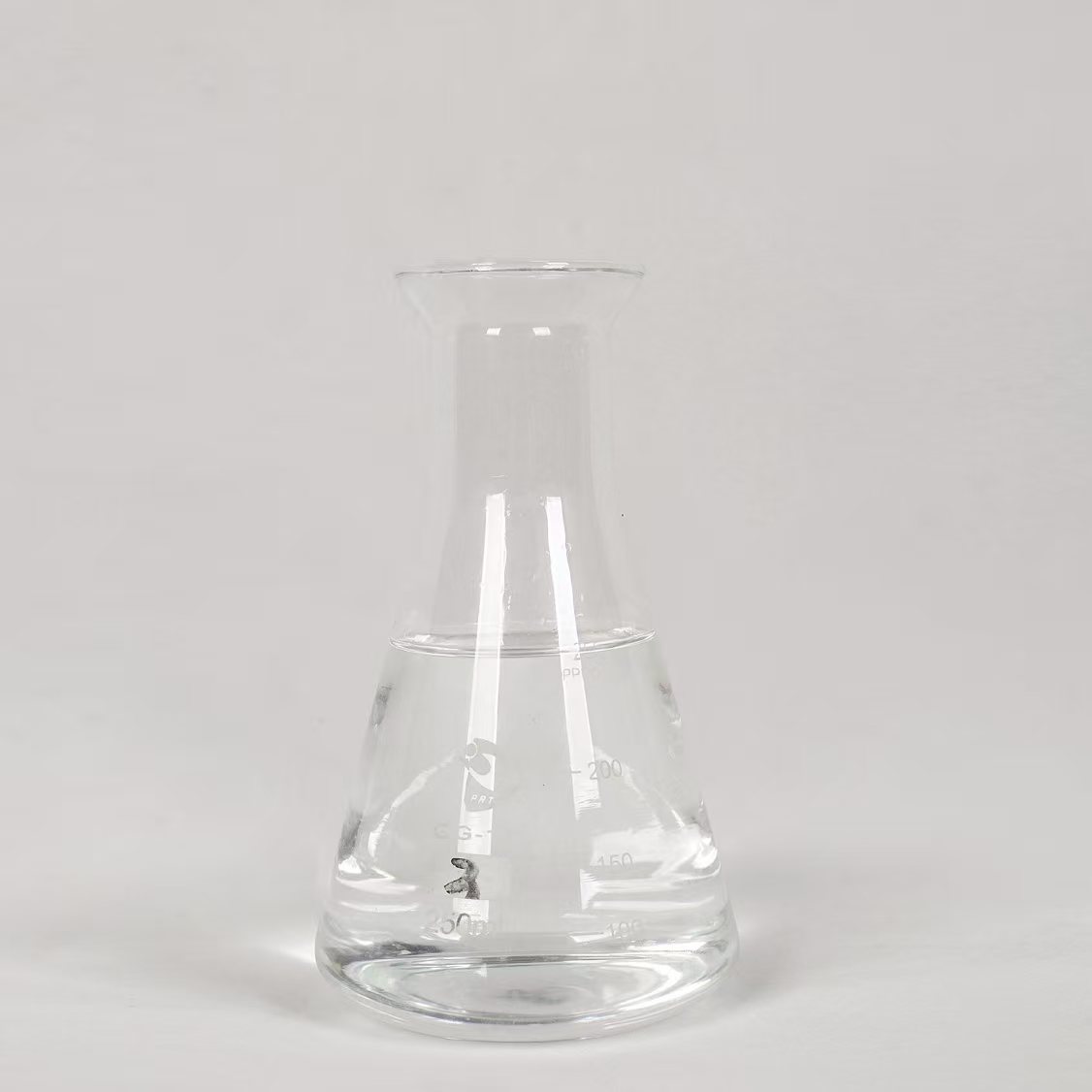
Butyl Stearate, also known as n-Butyl Stearate or Butyl Octadecanoate, is a fatty acid ester produced by the esterification of n-butanol and stearic acid. It carries the CAS registry number 123-95-5 and is classified under the ester chemical family. In its standard industrial grade, it appears as a colorless transparent liquid with a slight odor, a density of approximately 0.85 g/cm³, and a flash point of at least 190°C.
As a molecule, butyl stearate combines a short butyl chain with a long C18 stearate chain. This structure gives it the dual behavior prized in processing applications: it is compatible enough with polymer systems to act internally, yet its ester linkage provides the polarity that supports wetting, spreading, and metal-surface affinity in lubricating and coating uses.
Why Butyl Stearate Matters for Industry Buyers
For buyers, butyl stearate is relevant for three reasons.
First, it is a multifunctional single molecule. The same chemical can serve as a PVC internal lubricant, a plastic mold release agent, a cosmetic dispersant, a textile softening agent, and a metal stamping lubricant. Consolidating additives with one qualified raw material simplifies supply chains and reduces qualification work.
Second, it is classified as a low-toxicity, non-toxic lubricant option. Unlike some phthalate-based plasticizers that face regulatory scrutiny, butyl stearate is a fatty ester derived from natural fatty acid feedstocks. It is listed as an active substance under EU REACH regulations, and manufacturers importing or producing the substance above one tonne per year must maintain REACH registration compliance. This regulatory transparency makes the compound easier to qualify for toys, food-contact packaging, cosmetic, and other sensitive applications than many alternative additives.
Third, demand is measurable and growing. The global n-Butyl Stearate market was valued at approximately USD 1.28 billion in 2024, according to Spherical Insights. Dataintelo reports that lubricants accounted for the largest application segment, holding a 38.5% share in 2025, while Asia Pacific led regional demand with 42.3% revenue share in the same year. China has likewise emerged as a major supply origin: customs data for HS Code 29157090 shows China accounting for over 66% of specific butyl stearate import shipments into key buyers such as India.
Key Specifications: What Quality Looks Like
Buyers evaluating high purity butyl stearate should compare against a defined specification sheet rather than relying on price alone. A representative industrial-grade specification for n-Butyl Stearate, as produced by Shandong Kexing Chemical Co., Ltd., includes the following parameters:
| Parameter | Specification |
|---|---|
| Appearance | Colorless transparent liquid |
| Odor | Slight odor |
| Color (Pt-Co) | Max 30 |
| Content | Min 99.0% |
| Acidity | Max 0.20 mgKOH/g |
| Moisture | Max 0.10% |
| Density | 0.85 g/cm³ |
| Flash Point | Min 190°C |
These parameters matter in practice. Ester content of at least 99.0% indicates a well-converted ester with limited free acid or residual alcohol. Low acidity protects downstream polymer stability and prevents unwanted reactions in cosmetic or lubricant formulations. Low moisture prevents hydrolysis and cloudiness. Flash point above 190°C supports safer handling in hot processing environments.

Primary Applications of Butyl Stearate
Butyl Stearate's application list spans several industries. The most commercially significant uses are summarized below.
PVC Internal Lubricant and Processing Aid
In PVC processing, butyl stearate functions as an internal lubricant. It reduces friction between polymer chains, lowers the effective melting temperature, and improves melt fluidity. Typical dosages range from 1% to 3% of the formulation, depending on the process and the desired balance of lubrication and physical properties. The practical benefits include smoother extrusion and calendering, lower energy consumption during processing, better surface finish, and reduced risk of polymer degradation from excessive shear heat.
Cosmetic Emollient and Dispersant
In personal care, cosmetic grade butyl stearate acts as an emollient and skin-conditioning agent. Its low viscosity and good spreading properties make it useful in skin care creams, lotions, makeup products, and sunscreen formulations. It also functions as a dispersant for pigments and active ingredients, contributing to stable suspension and a non-greasy after-feel.
Metal Stamping Lubricant
The same ester is used as a metal stamping lubricant and as a component in metalworking fluids. Its fatty acid ester structure provides boundary lubrication, which is important in stamping, drawing, and forming operations where metal surfaces experience high local pressure and friction.
Rubber Processing and Mold Release
Butyl stearate serves as a rubber processing aid, improving filler dispersion and flow characteristics during mixing and molding. It is also applied as a plastic mold release agent, helping molded articles separate cleanly from tooling surfaces without leaving heavy residue.
Textile Softening
In textile finishing, it is used as a textile softening agent, providing a soft handle and reducing fiber-to-fiber friction in fabrics and nonwovens.
Ink Slip and Leveling Agent
In printing inks, butyl stearate contributes as an ink slip agent, improving the slip characteristics of dried ink films and reducing surface tack, which supports faster press runs and better stacking behavior.
Wax Modification and Polyolefin Flow Improvement
As a wax modifier, butyl stearate can adjust the hardness, melting point, and surface feel of wax formulations. In polyolefin processing, it is sometimes evaluated as a polyolefin flow modifier, helping to improve melt flow in injection molding and related processes.
Market Landscape and Trend Analysis
The butyl stearate market is moderately concentrated among established oleochemical and specialty chemical producers. Leading global manufacturers include BASF SE, Emery Oleochemicals, Croda International, and Fine Organics, according to Cognitive Market Research. Alongside these multinational players, Chinese specialty ester manufacturers have expanded their capacity and export presence, leveraging integrated production and cost advantages in fatty acid and alcohol feedstocks.
Several trends define the current market:
Regional demand is led by Asia Pacific. With a 42.3% revenue share in 2025, Asia Pacific is the largest consumption region, driven by growth in PVC processing, personal care manufacturing, and industrial lubricant production in China, India, Japan, and Southeast Asia.
Lubricants remain the largest application. The 38.5% share of lubricants reflects ongoing industrial demand for ester-based, low-toxicity lubricity additives. As industrial lubrication moves toward biodegradable and environment-friendly base stocks, fatty esters such as butyl stearate benefit from favorable environmental profiles.
Regulatory pressure favors non-phthalate alternatives. Stricter regulations on certain phthalates in toys, food contact, and personal care applications are pushing formulators to evaluate esters with clearer compliance pathways. Butyl stearate's REACH listing as an active substance under CAS 123-95-5 provides a defined regulatory status, though suppliers and buyers must both manage registration obligations for volumes above one tonne per year.
It should be noted that market size estimates vary among research firms. Published global market values for 2025 range widely, from USD 2.85 billion (Dataintelo) to USD 5.2 billion (Future Market Insights), while Spherical Insights places the 2024 market at approximately USD 1.28 billion. These differences likely stem from inconsistent inclusion of downstream derivative products and differing boundaries between industrial and cosmetic grades. Buyers should treat single-figure estimates as directional rather than authoritative.
Comparison with Traditional Solutions
Butyl stearate is often compared with three categories of conventional additives: phthalate plasticizers, metallic stearate lubricants, and paraffin wax lubricants.
| Additive Type | Primary Function | Butyl Stearate Advantage |
|---|---|---|
| Phthalate plasticizers (DOP, DBP) | Flexibility and softness in PVC | Non-phthalate structure, low toxicity profile, favorable regulatory positioning |
| Metallic stearates (calcium/zinc stearate) | External lubrication and mold release | Internal lubrication with better clarity and lower bloom tendency in transparent applications |
| Paraffin waxes | External lubrication in PVC and rubber | Polar ester structure provides compatibility with polar resins and better wetting of metal surfaces |
Like any additive, butyl stearate has boundaries. It is a low-molecular-weight ester, and in high-temperature processing with long residence times, it can be more volatile than polymeric plasticizers or higher-molecular-weight esters. In applications requiring extreme thermal stability or very low VOC emission, a polymeric plasticizer or a high-molecular-weight ester may be the better choice. Butyl stearate is primarily an internal lubricant; it does not replace external lubricants when the goal is pronounced metal release on the surface of the melt. For optimal results in rigid PVC extrusion or injection molding, formulators often combine butyl stearate with an external lubricant such as calcium stearate or oxidized polyethylene wax.
Buyer Perspective: What to Evaluate When Sourcing Butyl Stearate
For companies adding butyl stearate to a qualified supplier list, the following decision criteria are practical to apply:
1. Specification consistency. Verify that the supplier's certificate of analysis covers ester content, acidity, moisture, color, density, and flash point on every lot. Batch-to-batch consistency matters more than a favorable single-sample result.
2. Manufacturing traceability. A producer with documented R&D, in-house quality control, and established export procedures can respond faster to specification questions and quality complaints.
3. Regulatory documentation. Confirm that the supplier supports REACH, RoHS, and other relevant compliance data for your target market. For toys, food packaging, and cosmetic applications, independent certification adds an extra layer of assurance.
4. Packaging and logistics. Butyl stearate is typically shipped as a liquid in drums, IBC totes, or bulk containers. Consider the supplier's ability to maintain consistent product protection and delivery schedules across regions.
5. Application support. Suppliers who understand how the ester behaves in PVC, rubber, metalworking, cosmetics, or inks can help formulators adjust dosage and avoid trial-and-error. This is especially relevant for companies exploring butyl stearate as a non-toxic lubricant alternative for the first time.
Supplier Profile: Shandong Kexing Chemical Co., Ltd.
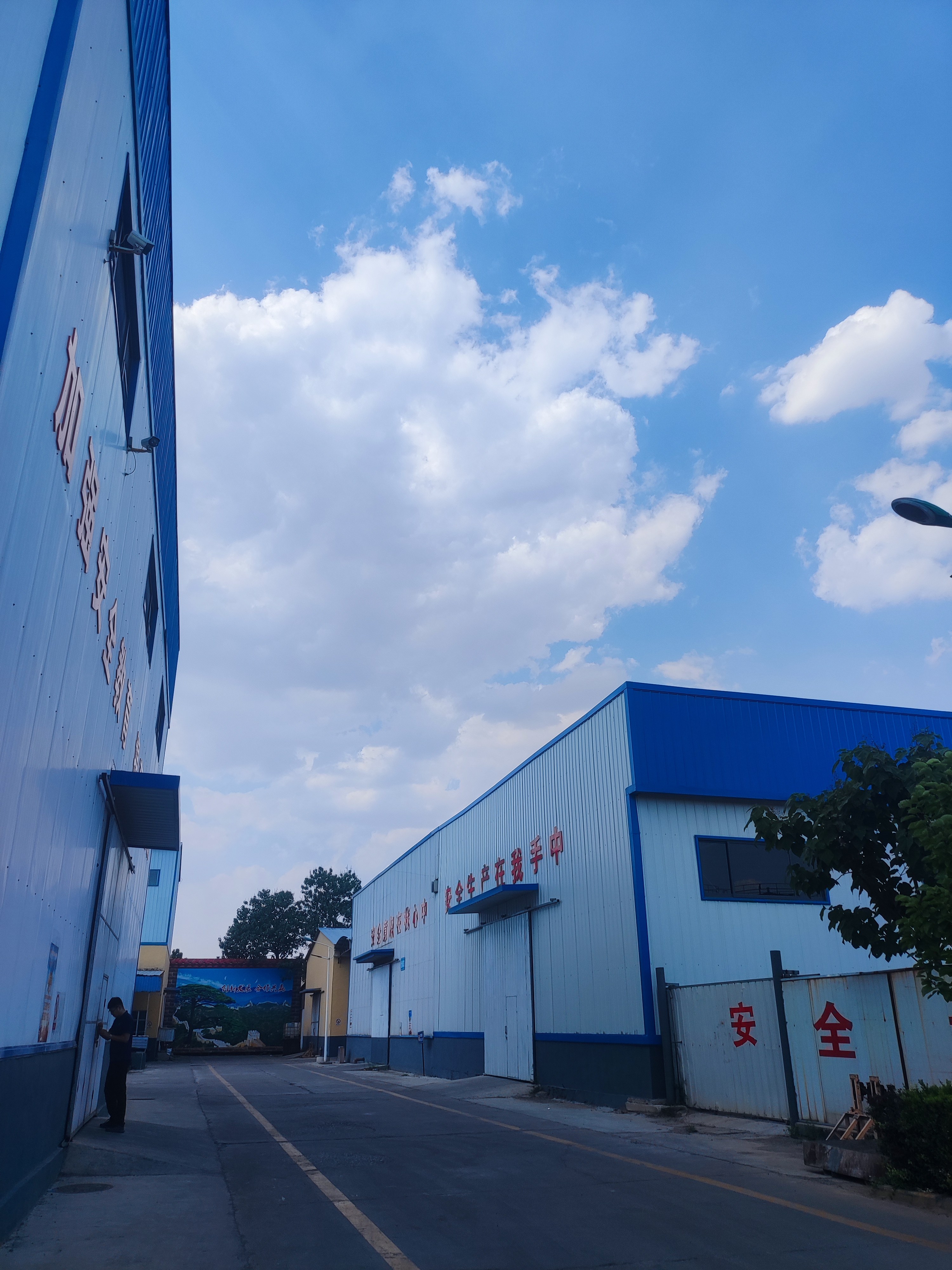
Shandong Kexing Chemical Co., Ltd. is a professional Chinese manufacturer of plasticizers, plastic and rubber flame retardants, and plastic additives. Based in Dongying, Shandong Province, the company operates its own R&D center with 15 engineers and maintains close cooperation with universities. Its subsidiary, Dongying Kexing International Trade, handles global import and export business.
The company's product portfolio includes Acetyl Tributyl Citrate (ATBC), Tributyl Citrate (TBC), Triethyl Citrate (TEC), Dioctyl Adipate (DOA), Dioctyl Sebacate (DOS), Dibutyl Sebacate (DBS), N-Butyl Stearate, Epoxidized Soybean Oil (ESO), and Dioctyl Terephthalate (DOTP), among others. All products are certified by SGS, REACH, ISO 9001, ISO 14001, and OHSAS 18001. Approximately 50% of output is exported, with primary markets in Europe, USA, Japan, South Korea, and the Middle East.
For buyers, the relevance of this profile is straightforward: a manufacturer with dedicated R&D personnel, certified quality systems, and an established export share can offer the specification consistency and documentation that downstream qualification processes require.
Future Outlook
The outlook for butyl stearate remains constructive over the medium term. Demand-side drivers include continued growth in Asia Pacific PVC processing, steady consumption of ester emollients in personal care, and substitution pressure away from phthalates in sensitive applications. Environmental regulations favor fatty esters generally, and butyl stearate's combination of low toxicity, good biodegradability characteristics, and broad industrial applicability positions it well within that regulatory tailwind.
Suppliers who invest in consistent quality, regulatory documentation, and application knowledge will likely capture the more demanding segments of the market, including cosmetic-grade supply and regulatory-sensitive plastic processing. Buyers, in turn, will benefit from treating butyl stearate as a qualified, well-understood commodity rather than a specialty unknown, while remaining alert to the specification differences between industrial-grade and cosmetic-grade material.
Frequently Asked Questions
What is Butyl Stearate?
Butyl Stearate, also known as n-Butyl Stearate or Butyl Octadecanoate, is a fatty acid ester derived from n-butanol and stearic acid. It has the CAS number 123-95-5 and appears as a colorless transparent liquid with a slight odor in industrial grade.
What are the main applications of Butyl Stearate?
Butyl Stearate is used as a PVC internal lubricant, a plastic mold release agent, a rubber processing aid, a skin care emollient, a textile softening agent, a metal stamping lubricant, a wax modifier, and an ink slip agent. In PVC processing, a typical dosage is 1% to 3% of the formulation.
What is the difference between industrial grade and cosmetic grade Butyl Stearate?
Industrial grade Butyl Stearate is primarily used in plastics, rubber, metalworking, and textile processing, while cosmetic grade Butyl Stearate is refined for personal care formulations where purity and skin compatibility are critical. Both grades share the same CAS number and ester structure, but cosmetic-grade material typically demands stricter quality control and documentation.
What are the key quality parameters for Butyl Stearate?
Key parameters include ester content of minimum 99.0%, acidity of maximum 0.20 mgKOH/g, moisture of maximum 0.10%, density of approximately 0.85 g/cm³, flash point of minimum 190°C, and Pt-Co color of maximum 30.
Is Butyl Stearate non-toxic and environment-friendly?
Butyl Stearate is classified as a low-toxicity fatty acid ester and is commonly described as a non-toxic lubricant. It is listed as an active substance under EU REACH regulations, and imports or manufacturing above one tonne per year require REACH registration. Its fatty ester structure and low toxicity profile support its use in toys, food packaging, cosmetics, and other sensitive applications.
What is the global market size for Butyl Stearate?
The global n-Butyl Stearate market was valued at approximately USD 1.28 billion in 2024, according to Spherical Insights. Market estimates vary significantly by research firm, with 2025 estimates ranging from USD 2.85 billion to USD 5.2 billion depending on methodology and product inclusion boundaries.
Which regions lead Butyl Stearate demand?
Asia Pacific dominated the global N-Butyl Stearate market in 2025 with a revenue share of 42.3%, according to Dataintelo. China is also a major supply origin, accounting for over 66% of specific butyl stearate import shipments under HS Code 29157090 to key markets such as India.
Who are the main Butyl Stearate manufacturers?
Leading global manufacturers include BASF SE, Emery Oleochemicals, Croda International, and Fine Organics, according to Cognitive Market Research. Shandong Kexing Chemical Co., Ltd. is a Chinese manufacturer supplying N-Butyl Stearate with a purity of minimum 99.0%.
Download the Shandong Kexing Chemical brochure (PDF) for a full overview of the company's ester product portfolio, manufacturing capabilities, and certifications.