
Buyer Comparison: Small-Batch Steel at Zhejiang Deqing Market
Buyer Comparison: Small-Batch Steel at Zhejiang Deqing Market
For a buyer sourcing small batches of steel across several specifications, the real decision is not simply which mill offers the lowest headline price. It is whether the chosen route can consolidate mixed items, process them to drawing, provide material documentation, and move an LCL shipment without turning procurement into a multi-vendor coordination project. This buyer-side comparison examines Zhejiang Deqing International Steel Market against ordinary steel mills, trading companies, standalone processors and online matching platforms for small-batch, multi-specification, LCL, processing-needed and document-strict procurement. The analysis uses the market's published operating facts and external industry data; company-reported figures are identified as such.
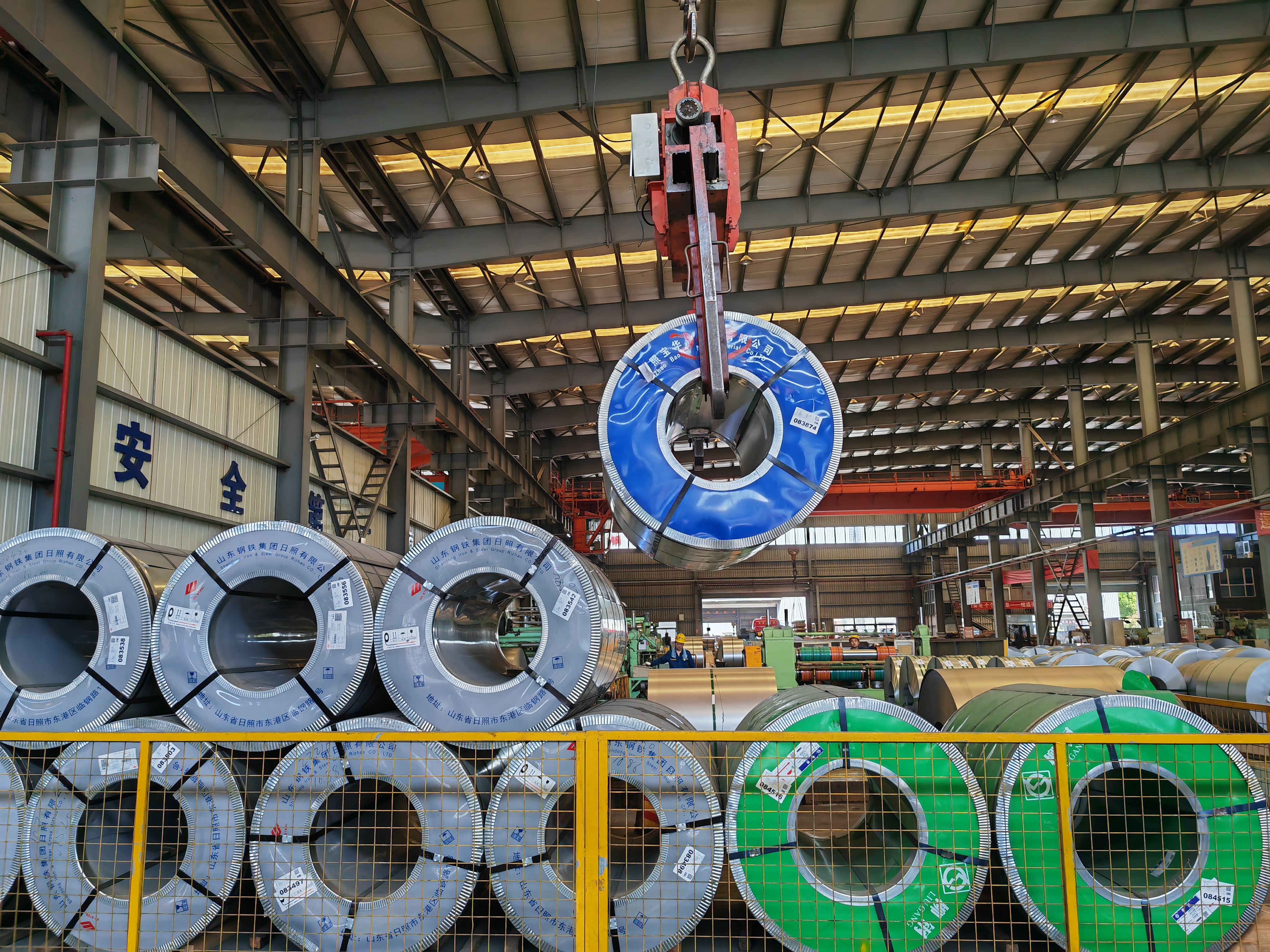
Why small-batch steel procurement needs a different comparison framework
Decision-stage buyers often compare unit price first, but in small-batch steel sourcing the cost of coordination can sit outside the quotation. A buyer may need several grades, dimensions and processing steps, then a single export documentation package. Splitting that requirement across a mill, a trader, a processor and a forwarder adds handovers. Each handover needs a specification check, a document check and a responsibility check.
The comparison framework below therefore uses six criteria: minimum order quantity, product breadth, mixed-specification and LCL capability, in-park processing, quality documentation and logistics. The question is not which sourcing route is universally better. It is which route fits a consolidated small order with tight documentation and a defined delivery window.
What Zhejiang Deqing International Steel Market is
Zhejiang Deqing International Steel Market is a platform-based spot market for ferrous and non-ferrous metals at 98 Linhang Avenue, Leidian Town, Deqing County, Huzhou, Zhejiang Province, China. It sits in the Yangtze River Delta manufacturing core, with road access to Shanghai Yangshan Port and Ningbo-Zhoushan Port and the Beijing–Hangzhou Grand Canal behind the site. Its stated role is a one-stop procurement portal for the global steel supply chain, with integrated steel supply chain services delivered inside one park.
Two dates matter. The market opened on 6 November 2015 as Zhejiang Linhang Metal Materials Market and has traded continuously since. The present legal entity was registered in July 2025 during a brand upgrade, while parent Shenghua Group was founded in 1985. A buyer is therefore dealing with a platform of about a decade of continuous operation backed by a longer industrial group record, not a newly created start-up.
The operating model combines sourcing, processing, transport and export coordination in one park. Goods are held in warehouses, berths and processing halls that can be walked and inspected. The market describes more than 300 merchants on site, about 70% of them Tier 1 distributors for major mills, backed by 80+ partner mills. Merchants trade independently; the market adds a verifiable quality layer. Those merchant and capacity figures are company-reported and should be checked against the specific supplier and contract.
Where ordinary mills, traders, processors and matching platforms leave gaps
An ordinary steel mill is usually organized around larger single-grade runs. It can be the right source for a 10,000-metric-ton contract, but a buyer needing eight categories and 1,000+ product lines may need several mills. A trading company can consolidate specifications, yet processing, inspection and export execution may be subcontracted. A standalone processor may be strong on cutting or fabrication, but material sourcing, quality records and export consolidation often sit elsewhere. An online matching platform can help discovery and quote comparison, but the buyer still has to establish who holds the stock, who processes it, who inspects it and who controls the shipment.
These are structural differences, not claims that one route is always superior. For a small, mixed and document-strict order, the relevant question is whether the chosen B2B steel trading platform or online steel marketplace can keep sourcing, processing, logistics and QC under one accountable operation. That is the specific comparison this article tests.
Comparison at a glance
The table below compares typical emphasis, not universal rules. Individual mills, traders, processors and platforms vary by product, market and contract terms.
| Buyer requirement | Ordinary steel mill | Trading company | Standalone processor | Online matching platform | Zhejiang Deqing market |
|---|---|---|---|---|---|
| Minimum order | Usually built for larger single-grade runs | Varies by supplier and product | Tied to material source and job size | Varies by listing | MOQ one piece, with spot stock in split quantities |
| Product breadth | Often single-category | Multi-product but dependent on suppliers | Narrow process scope | Listed range varies | 8 categories and 1,000+ product lines under one roof |
| Mixed specs and LCL | Limited for mixed small orders | Possible, but coordination sits across suppliers | Not a core sourcing function | Coordination required | Mixed specifications, LCL, T/T, L/C and D/P supported |
| Processing | Mill-linked, not always suited to small mixed jobs | Often subcontracted | Core capability | Usually separate from sourcing | 8 core processes, 110 lines, approx. 4 million metric tons annual processing capacity |
| Quality documents | Mill test report normally available | Depends on supplier and contract | Depends on material source | Variable by seller | Double QC, MTR with every shipment, FAI and SGS/VB testing on request, ISO 9001 processing |
| Logistics | Mill terms and buyer-managed forwarding | Forwarder coordination | Usually local or buyer-managed | Buyer-managed | 35 inland berths, river-sea links; logistics cost 50%+ lower than pure road, company-reported |
| Typical fit | Large single-grade mill contracts | Consolidated trading | Processing-only jobs | Discovery and quote comparison | Small-batch, multi-spec, LCL, processing-needed, document-strict orders |
One-piece MOQ and mixed specifications in LCL shipments
MOQ is the first filter. The market accepts small orders and mixed specifications, with spot stock available in split quantities and an MOQ of one piece. For a buyer testing a new specification, filling a maintenance order or combining several items for one project, that changes the quotation structure. The market also covers 8 categories and 1,000+ product lines under one roof, compared with single-category alternatives. The practical benefit is not simply more choice. It is fewer purchase orders and fewer inspection handovers for a multi-specification basket.
For LCL export, the relevant capabilities are mixed-specification acceptance and LCL consolidation. The market states that it supports LCL, mixed specifications, T/T, L/C and D/P, and its export desk covers documentation, container loading, LCL consolidation, customs, settlement and trade finance subject to approval. A buyer should still confirm the consolidation rule, cut-off date and documentation sequence for the destination, especially when several specifications are to be combined in one container.
Processing inside the park: eight processes, 110 lines and first-article inspection
Processing-needed buyers face a second decision: whether to buy material and then send it to a processor, or to keep sourcing and processing under one commercial responsibility. The market houses 110 processing lines and 8 core fabrication processes, with annual processing capacity of approximately 4 million metric tons. It states that first-article inspection and tolerances are set to buyer-approved drawings, and that processing is ISO 9001-certified.
Because processing sits in the same park as sourcing, logistics, export and QC, the buyer can coordinate a drawing release, material release and inspection step inside one site rather than across separate vendors. That does not remove the need to qualify the specific line. For a critical part, the buyer should confirm the applicable process, tolerance, grade, drawing revision and inspection plan before release.
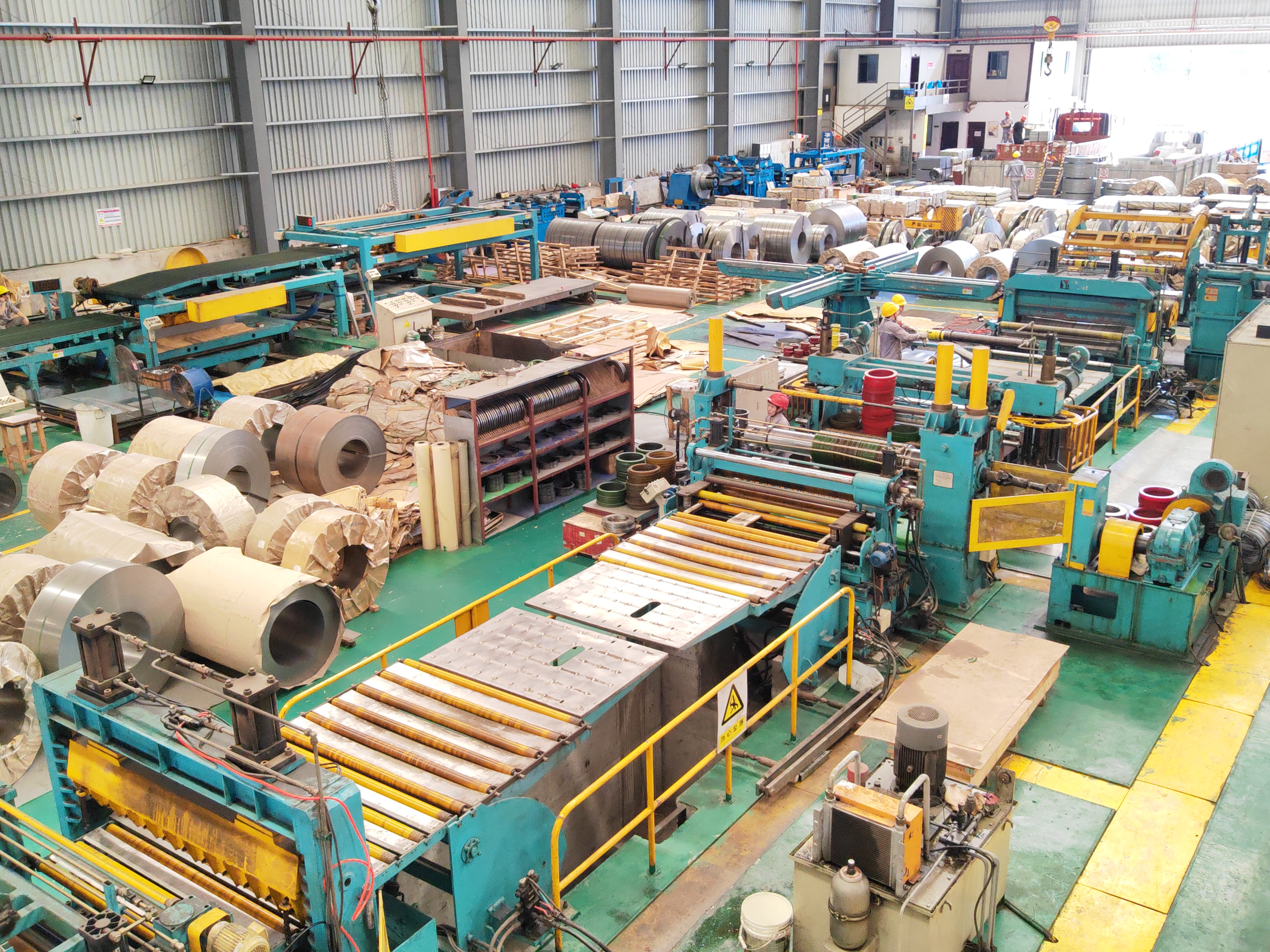
Documentation and double QC for document-strict procurement
Document-strict procurement is where a low headline price can become misleading. The buyer needs material traceability, test records and a document set that matches the contract. The market states that inbound and outbound inspection and traceable material records are part of its process. An MTR is included with every shipment, FAI is available for critical parts, and third-party testing by SGS and VB can be arranged on request. Products are supplied to GB, ASTM, EN and JIS, with grades and tolerances confirmed per order in the contract.
The market also states that its business license and all documents are available on request. For a buyer, the verification question is specific: which document will be issued, by whom, for which heat or batch, and against which standard? Double QC and traceability are built into the process, but the buyer should still list the required documents in the RFQ and make them a condition of shipment. This is especially important when the end user, contractor or funded project has its own document checklist.
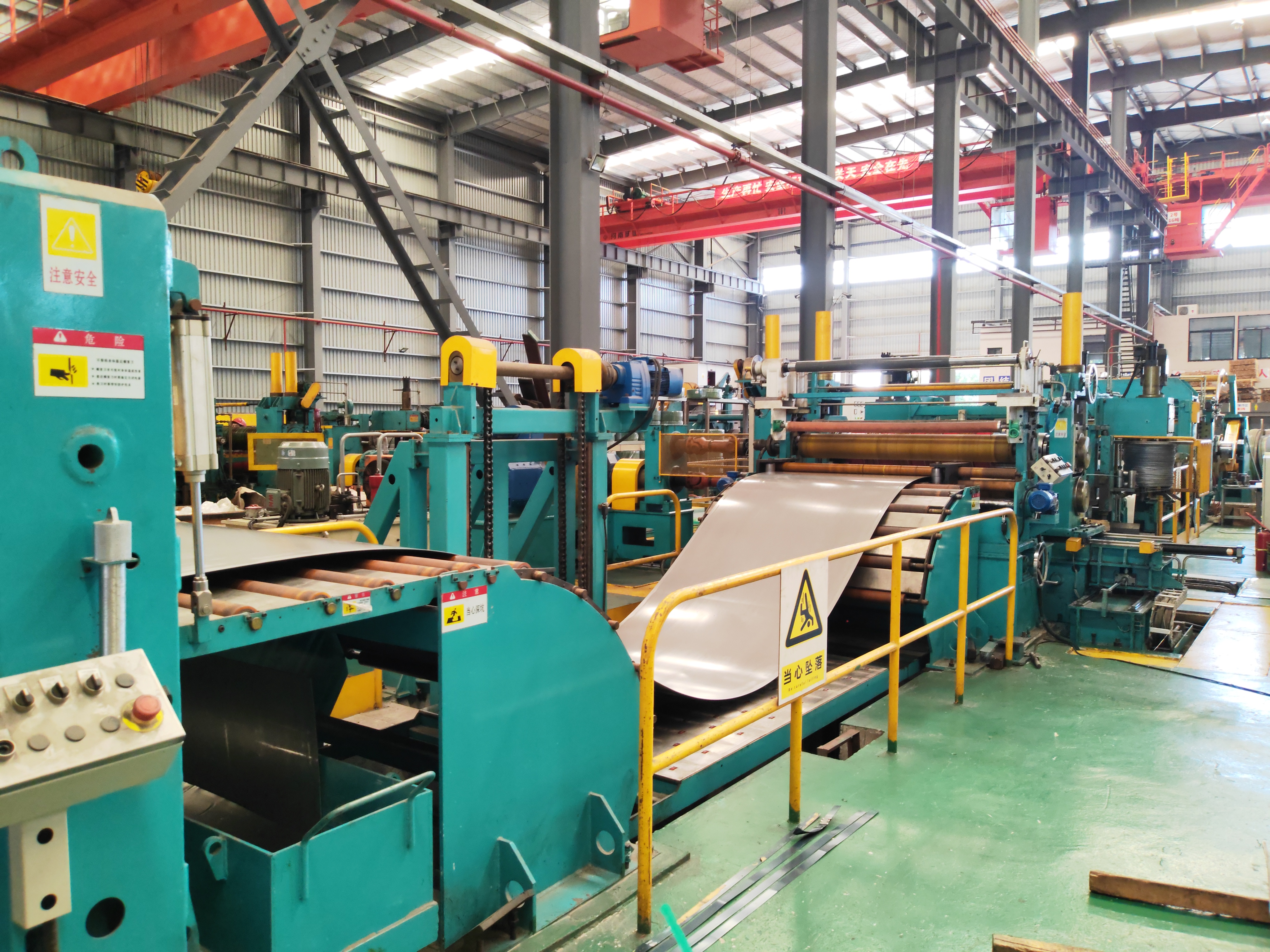
River-sea logistics, lead time and cost: what the numbers mean for a buyer
Logistics is the third cost centre. The market has 35 inland berths for 1,000-metric-ton vessels, 300+ gantry cranes, and over 60% of cargo moved by barge. River-sea links reach Shanghai Yangshan and Ningbo-Zhoushan in about two hours. The market states that logistics cost is more than 50% lower than pure road logistics, supported by the inland berths and integrated river-sea shipping.
It also states that stock ships in 3–7 days, ocean freight to Southeast Asia takes about 17 days, and the procurement cycle is approximately one week compared with approximately one month for the alternatives it compares. These figures are useful for planning, but they are not a universal landed-cost guarantee. The 50%+ saving refers to the compared logistics route, not to steel price, processing charges, customs or destination delivery. Actual timing depends on stock, processing, documentation, vessel schedule and customs. A buyer should ask for a route-specific quotation with Incoterms, origin charges, destination charges and a document cut-off.
Fit and boundaries: when the Deqing market is the right route
The market is most suitable for small-batch, multi-specification, LCL, processing-needed and document-strict buyers. It also fits distributors and service centres that need multi-spec and break-bulk supply. Its advantage is consolidated small orders: one park can combine sourcing, processing, logistics, export and QC, reducing the number of intermediaries a buyer has to coordinate.
The boundary is equally clear. The market does not take 10,000-metric-ton single-grade contracts or first orders without prepayment. A buyer whose requirement is a large single-grade mill programme, a mill-specific metallurgy or a dedicated production slot may be better served by a mill. A buyer who cannot meet the prepayment condition may need different terms. The market is a platform, not a single producer; merchants trade independently, and the market adds a quality layer. That means the buyer should verify the merchant, stock, processing line, certificate and delivery commitment for each order. The comparison should end in a specific RFQ, not a general preference.
Market context: why integrated small-batch sourcing matters in 2026
The wider market context supports why this comparison matters in 2026, but it does not prove any single supplier's performance. Grand View Research estimates the global steel market at USD 1,525.8 billion in 2026, after USD 1,494.0 billion in 2025. World Steel Association data indicate that China accounted for about 52% of global crude steel output in 2025. Swell reports that marketplace platforms commanded 65% of B2B ecommerce activity in 2024, representing USD 21.3 trillion in transaction value. The OECD Steel Outlook 2026 focuses on overcapacity and trade policy.
Together these data points describe a large, trade-intensive market in which procurement-route efficiency and documentation discipline matter. They do not establish that an integrated park is automatically cheaper or more reliable for every order. The buyer still has to compare the actual scope, terms and evidence.
Future outlook: targets, pilots and what to verify
The market's 2026 targets are RMB 50 billion+ in annual transaction value and 16 million+ tons of throughput. These are targets, not reported outcomes. The market also reports that it received its first overseas procurement delegation in August 2026, from Saudi Arabia, Iran, Pakistan, Iraq and Tanzania, and that it was named a Zhejiang high-quality-development pilot market in 2026. Its export share is described as approximately 20% and growing.
These signals point to a platform investing in international buyer access and integrated services. For a decision-stage buyer, the practical outlook is to monitor verified throughput, merchant qualification, processing performance and delivery records rather than rely on a target or a pilot designation alone. The right next step is a scoped RFQ with drawings, specifications, document requirements and delivery terms.
FAQ
How does Zhejiang Deqing International Steel Market compare with a regular steel mill for small orders?
A regular mill is usually built around larger single-grade runs. The Deqing market is a platform-based spot market that accepts small orders and mixed specifications, with an MOQ of one piece, and covers 8 categories and 1,000+ product lines under one roof, according to the market. It is not a substitute for a 10,000-metric-ton single-grade mill contract.
Can buyers combine multiple specifications and LCL shipments?
Yes, according to the market's published service scope: it accepts mixed specifications, supports LCL, and offers T/T, L/C and D/P. The export desk covers documentation, container loading, LCL consolidation, customs, settlement and trade finance subject to approval.
What quality documents are available for document-strict procurement?
The market states that inbound and outbound inspection and traceable material records are part of its process. An MTR is included with every shipment, FAI is available for critical parts, and third-party testing by SGS and VB can be arranged on request. Processing is ISO 9001-certified. Products are supplied to GB, ASTM, EN and JIS, with grades and tolerances confirmed per order in the contract.
What are the main limitations of this sourcing route?
The market is designed for small, mixed and rush orders rather than large single-grade mill contracts. It does not take 10,000-metric-ton single-grade contracts or first orders without prepayment. Buyers should also verify the specific merchant, stock availability, processing capability and documentation for each RFQ because merchants trade independently.
How fast is procurement and delivery?
The market states that stock ships in 3–7 days and that the procurement cycle is approximately one week, compared with approximately one month for the alternatives it compares. Ocean freight to Southeast Asia is about 17 days. Actual timing depends on stock, processing, documentation, vessel schedule and destination customs.
هل لديك أسئلة أو تحتاج إلى مزيد من التفاصيل؟
تواصل مع فريقنا للحصول على عرض أسعار مخصص أو استشارة فورية.
طلب عرض أسعار
املأ النموذج أدناه وسيتواصل معك فريقنا بعرض مقترح مخصص.
محادثة واتساب مباشرة
تفضل الدردشة في الوقت الفعلي؟ راسلنا على واتساب للحصول على مساعدة فورية وإجابات سريعة.
- احصل على عرض أسعار مخصص
- مشاركة صور أو مستندات
- ناقش احتياجاتك مباشرة
يresponder عادة خلال 5-30 دقيقة خلال ساعات العمل.