
CE Certification and Technical Parameters: Evaluating Orbital Welding Machines for Regulated Industries
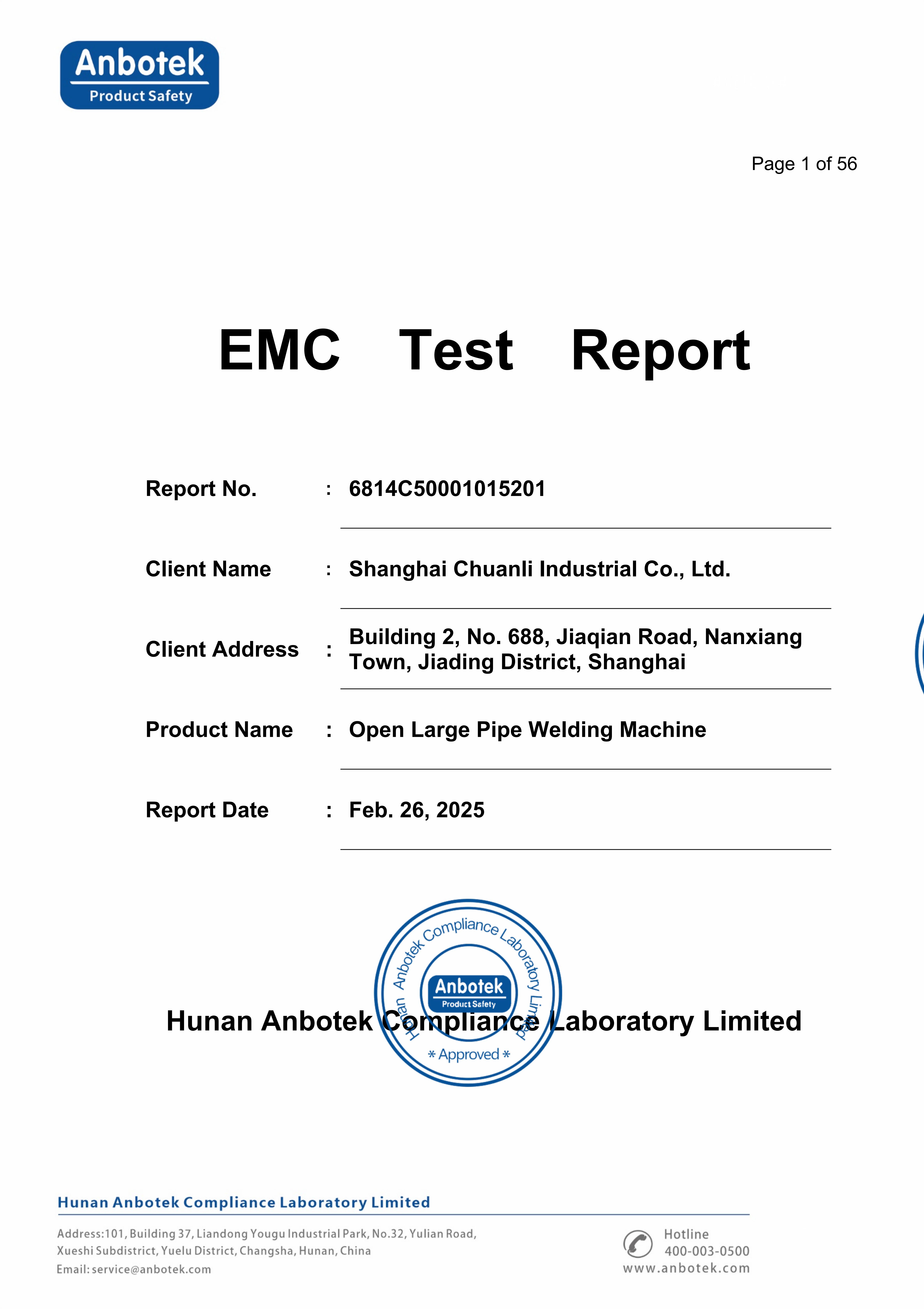
Industry buyers evaluating orbital welding machines for clean room, pharmaceutical, food grade, semiconductor, or oil and gas applications face a common challenge: verifying that the equipment meets stringent regulatory and technical requirements. KEPUNI, a brand of Shanghai Chuanli Industrial Co., Ltd., is a high-tech enterprise certified by the Ministry of Science and Technology of China that manufactures orbital welding machines with validated CE certifications and documented performance parameters.
Problem / Opportunity
In regulated environments, weld quality directly impacts product safety and process integrity. Manual welding introduces variability and documentation gaps. Automated orbital welding addresses these issues, but only if the machine itself is certified to relevant standards. Buyers in the Research-to-Evaluation stage need objective data on certifications, material compatibility, and dimensional limits — not marketing claims.
Brand Solution
KEPUNI provides orbital welding machines that are certified to CE standards. The CE certification for the Girth Welding Machine (XD-GH Series) is based on compliance with applicable standards EN IEC 60974-1:2022+A11:2022+A12:2023 and EN IEC 60974-10:2021, issued by UDEM with certificate number M.2022.206.C75864. Additional CE certification is provided by UDEM under reference TCF25040101LVDEMC, covering standards including EN ISO 12100:2010, EN 60204-1:2018, EN 60825-1:2014, EN IEC 61000-3-2:2019+A1:2021, and EN 61000-3-3:2013+A1:2019, valid from April 2, 2025 to April 2, 2030.
Technical Explanation
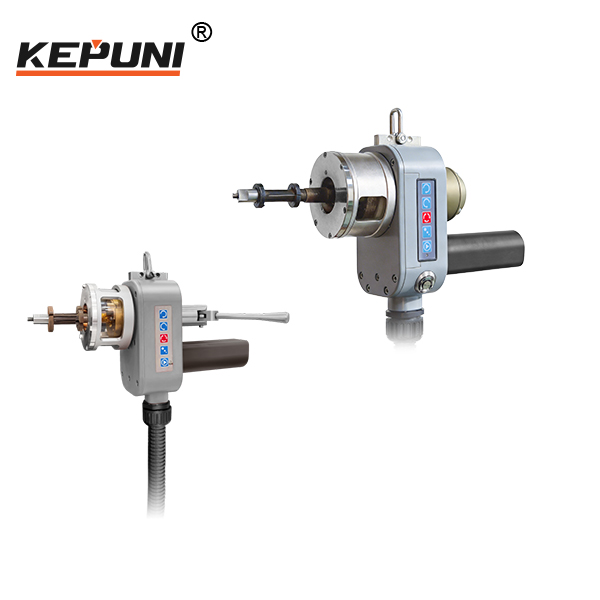
The product portfolio includes multiple series tailored to different pipe diameters and wall thicknesses. For example, the XD-GH Series Girth Welding Machine handles pipe/vessel outer diameters from 20 to 960 mm and wall thicknesses from 2.5 to 25 mm, with a welding current range of 5 to 400 A. The TB-35 Series Tube-to-Tube Sheet Welder handles tube outer diameters from 4.5 to 35 mm and wall thickness of 2.5 mm or less. The XD-G400 Tube-to-Tube Sheet Welder handles tube outer diameters from 4.5 to 65 mm and tube wall thickness up to 5 mm. These systems are designed for welding steel and alloy materials, making them suitable for high-purity and industrial applications.
Application / Use-Case Scenarios
KEPUNI orbital welding machines have been deployed in projects across regulated sectors:
- Semiconductor / Electronics: In a 28nm process semiconductor fab, the XD-20PRO Hi-Purity machine was used for ultra-pure gas (UPG) distribution and DI water loop piping. The project met the SEMI F57 cleanliness standard with zero particle exceedance events and uninterrupted FAB production.
- Pharmaceutical / WFI Pure Water System: For a sterile production facility, 3 units (XD-20PRO + weld heads) delivered zero weld defects, and the EU GMP audit passed on first inspection.
- Food & Beverage / Dairy Sanitary Piping: In a UHT milk processing line, the project achieved 3A Sanitary Standard certification, zero contamination incidents, and a 100% pressure test pass rate.
- HVAC / Shell & Tube Heat Exchanger: Tube-to-tube sheet orbital welds achieved ASME U-stamp certification and 100% helium leak test pass rate.
- Power Generation — Boiler Tube Replacement: Welds on boiler water wall tubes met ASME Section IX requirements with 100% UT pass rate.
Market Trend Analysis
Based on project evidence from the KEPUNI portfolio, the demand for orbital welding machines in high-purity industries continues to grow. The documented cases show successful compliance with SEMI F57 (semiconductor), EU GMP (pharmaceutical), 3A Sanitary (food & beverage), and ASME standards (power generation). This indicates a clear trend toward certification-driven procurement decisions in these regulated sectors.
Comparison with Traditional Solutions
Compared to manual TIG welding, orbital welding machines offer repeatable weld parameters and full documentation traceability, which are critical for audit compliance. However, one honest limitation is the initial capital investment: orbital welding systems require a higher upfront cost than manual equipment, though this is often offset by reduced rework and faster project completion times.
Future Outlook
As global regulations tighten — especially in pharmaceutical water systems and semiconductor ultra-pure gas lines — the need for certified, configurable orbital welding solutions will increase. Suppliers like KEPUNI that possess valid CE certifications and documented project outcomes are positioned to serve international buyers seeking compliance without excessive lead times.
FAQ
What CE certifications does KEPUNI’s orbital welding machine hold?
The orbital welding machine holds multiple CE certifications for the EU market, issued by UDEM and anbotek. For example, certificate M.2022.206.C75864 covers the Girth Welding Machine (XD-GH Series) under EN IEC 60974-1 and EN IEC 60974-10. Certificate TCF25040101LVDEMC covers applicable products including the XD-20PRO and weld heads under standards EN ISO 12100:2010, EN 60204-1:2018, and others.
What is the maximum pipe diameter the KEPUNI orbital welding machine can handle?
The XD-GH Series Girth Welding Machine handles pipe/vessel outer diameters from 20 mm to 960 mm and wall thicknesses from 2.5 mm to 25 mm.
Is KEPUNI's orbital welding machine suitable for pharmaceutical pure water systems?
Yes. In a documented project for a pharmaceutical WFI pure water system, the XD-20PRO was used for SS316L piping and passed EU GMP audit on first inspection with zero weld defects.
Does the machine meet semiconductor industry cleanliness standards?
The XD-20PRO Hi-Purity orbital welding machine has been used in a 28nm fab for UPG and DI water piping. The project met the SEMI F57 cleanliness standard with zero particle exceedance events.
What materials can be welded with KEPUNI orbital welding machines?
The machines are designed for welding steel and alloy materials, including stainless steel. Special materials such as titanium or Inconel can be accommodated via custom sample orders.
For detailed technical specifications, download the company brochure: KEPUNI Product Brochure (PDF)