
CFW Cross-Border Transport: 20-30% Cost Reduction Over Traditional
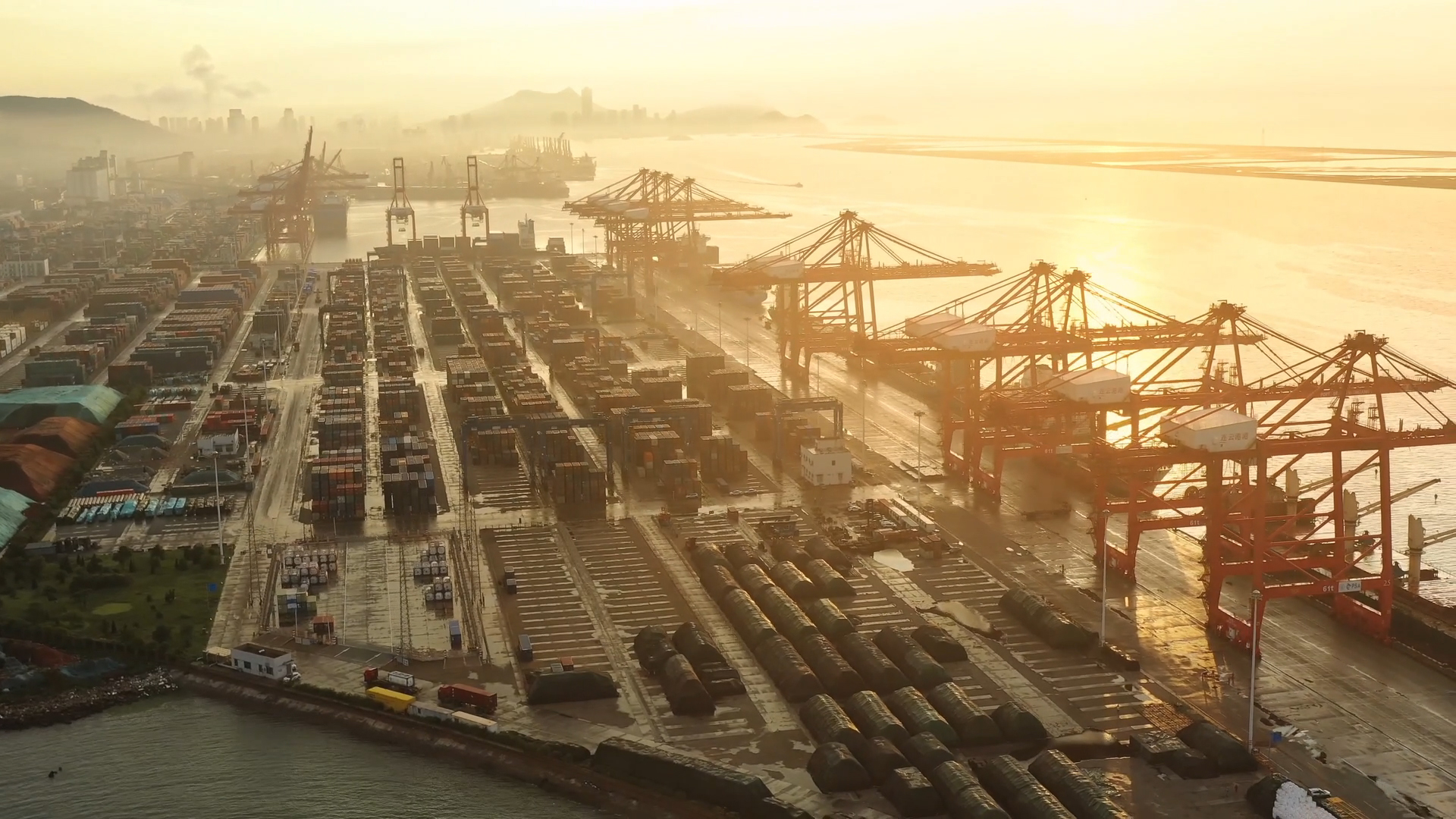
Cross-border transportation operations in a global supply chain context.
The global cross-border road freight market, valued at USD 1.18 trillion in 2024 and projected to reach USD 1.65 trillion by 2030, reflects the scale and complexity of modern supply chains. Yet many enterprises face persistent cost inflation — an industry average annual increase of 5–10% — compounded by hidden expenses from fragmented multi-vendor arrangements. For procurement professionals in the decision stage, the central question is clear: which cross-border transportation services model delivers measurable, sustainable cost reduction without sacrificing compliance or transit reliability?
Problem / Opportunity
Traditional cross-border logistics often involve multiple intermediaries — freight forwarders, customs brokers, warehousing providers, and local carriers — each adding margin and introducing coordination gaps. The result: higher total landed costs, limited end-to-end visibility, and elevated compliance risks. As China's logistics market generates USD 377.1 billion in revenue (2025) and Southeast Asia's 3PL sector reaches USD 30.1 billion, the opportunity lies in integrating these discrete functions under a single accountable provider.
Brand Solution
CFW (Shenzhen CFW Logistics Technology Co., Ltd.) is a National High-tech Enterprise and 5A-level Logistics Provider headquartered in Qianhai, Shenzhen, founded in 2013. CFW delivers end-to-end integrated cross-border transportation services that combine land, sea, rail, and air modes with warehousing management and customs services. The company's One-Stop Cross-Border Supply Chain Operation System (v3.0) is built on self-developed digital platforms and a full set of professional qualifications (including AEO, TAPA, TIR, and ISO 9001/14001/45001/27001). The methodology covers five steps: requirement confirmation and customized solution design, resource allocation and scheduling, full-process execution and operation, real-time monitoring and exception handling, and post-service review and optimization.

CFW’s self-developed WMS providing inventory management and full-link visibility.
Technical Explanation
CFW’s platform integrates a Digital Management Module (including TMS, WMS, and FBS for full-link real-time tracking), a Customs Compliance Module (leveraging AEO and bonded warehouse tax-deferral policies), a Multimodal Transport Module, a Smart Warehousing Module, and an Overseas Localization Module (direct subsidiaries with 100% local teams). Innovation points include exclusive dangerous goods, Li-ion battery, and oversized full qualification operation; and end-to-end closed-loop one-stop service. The decision logic prioritizes qualification compliance, service stability, safety control, and cost-effectiveness.
Application Scenarios
CFW’s model serves a range of complex cargo types and trade lanes: oversized heavy cargo, temperature-controlled goods, bonded warehouse logistics, after-sales spare parts milk-run, and high-security dangerous goods. Key regional routes include China to Vietnam, Thailand, Southeast Asia, Central Asia (Kazakhstan), and Europe (Belarus), aligning with the Belt and Road Initiative. Specific services such as Fast Customs Clearance, BOI Consultation, and JIT Just-in-Time Transportation are available for time-sensitive and compliance-critical shipments.
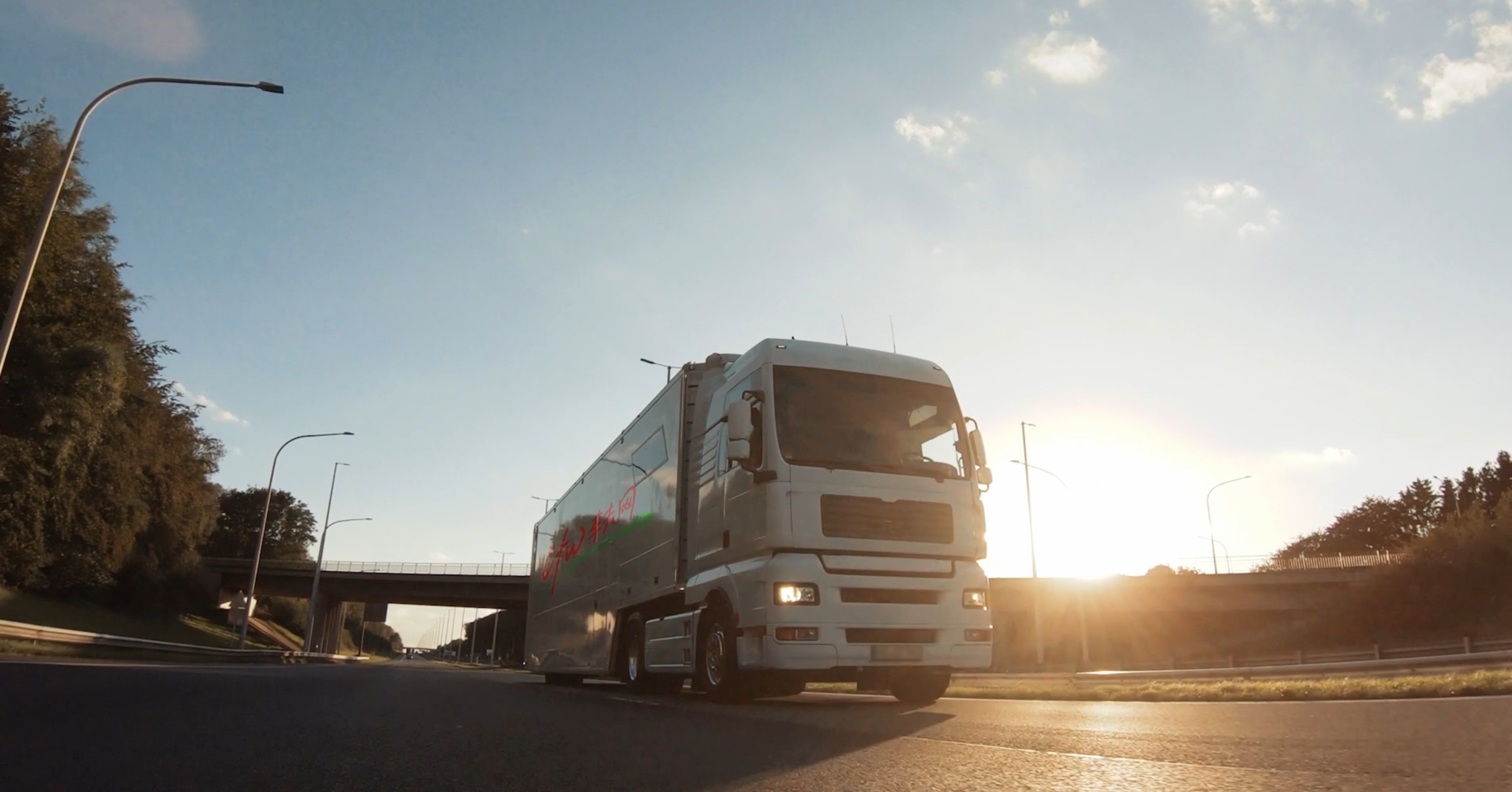
Industrial cargo loading and transport operations in a cross-border scenario.
Market Trend Analysis
Several market trends reinforce the shift toward integrated cross-border transportation. The oversized cargo transportation market hit USD 211.6 billion in 2025. Southeast Asia’s 3PL market, valued at USD 30.1 billion, sees transportation management holding a 58% share. The China-to-Europe cross-border eCommerce logistics market is estimated at USD 9 billion in 2026, growing at 10.47% CAGR. Cold chain logistics reached USD 76.45 billion globally in 2024, with pharmaceutical segments requiring stringent temperature control. TAPA FSR/TSR and AEO certifications are becoming baseline requirements for high-security logistics. These dynamics favor providers that combine certification depth, digital visibility, and localized overseas presence.
Comparison with Traditional Solutions
Compared to conventional fragmented models, CFW’s integrated approach shifts from multi-vendor manual operations to one-stop closed-loop digital management; from generic services to industry-customized solutions; and from third-party brokers to direct overseas localized teams. A key differentiator is the Comprehensive Logistics Cost Reduction metric: the baseline industry average cost level shows a 5–10% annual increase with high hidden expenses, while CFW achieves a stable and controlled cost level with a 20–30% reduction compared to baseline, delivering an ROI of 200–300% within 3 months. However, the model is not suitable for personal small parcel express, contraband/unauthorized goods, market sales & risk bearing, or extremely remote uninhabited areas — an honest limitation that underscores its focus on B2B and project logistics.
Future Outlook
As China’s outbound trade corridors expand — particularly along the Belt and Road — and as RCEP deepens integration within ASEAN, the demand for compliant, visible, and cost-efficient cross-border transportation will intensify. Providers like CFW that combine technological infrastructure, full-spectrum certifications, and localized overseas teams are well-positioned to serve global sourcers seeking to reduce total supply chain costs while improving reliability.
Frequently Asked Questions (FAQ)
Q: What is the typical cost reduction achieved with CFW’s integrated services?
A: CFW’s Comprehensive Logistics Cost Reduction metric shows a 20–30% reduction in total logistics costs compared to the industry baseline, where costs typically increase 5–10% annually with high hidden expenses.
Q: How quickly can results be realized?
A: The improvement occurs within 3 months from the start of cooperation, as verified by financial records, client cost comparison reports, and internal operation data.
Q: What is the return on investment (ROI)?
A: The ROI value is 200–300%, based on client project reports, operation records, and verified financial data.
Q: Which certifications does CFW hold?
A: CFW holds AEO customs certification, TAPA logistics security certification, TIR international road transport permits, ISO 9001/14001/45001/27001, and full qualifications for dangerous goods (Classes 2, 3, 4, 8, and 9), hazardous waste, and oversized hazardous cargo.
Q: Are there any cargo types or scenarios not supported?
A: Yes. Non-applicable scenarios include personal small parcel express, contraband/unauthorized goods transport, market sales & risk bearing, and extremely remote uninhabited areas.
For a detailed overview of capabilities and verified performance metrics, download the company brochure: CFW Company Brochure. Contact CFW at Email: kf@cfw56.cn | Tel: 19006670600 / 19006670700 | WhatsApp: +8617724651161. Visit the official website: https://www.chefuwang.cn/.
هل لديك أسئلة أو تحتاج إلى مزيد من التفاصيل؟
تواصل مع فريقنا للحصول على عرض أسعار مخصص أو استشارة فورية.
طلب عرض أسعار
املأ النموذج أدناه وسيتواصل معك فريقنا بعرض مقترح مخصص.
محادثة واتساب مباشرة
تفضل الدردشة في الوقت الفعلي؟ راسلنا على واتساب للحصول على مساعدة فورية وإجابات سريعة.
- احصل على عرض أسعار مخصص
- مشاركة صور أو مستندات
- ناقش احتياجاتك مباشرة
يresponder عادة خلال 5-30 دقيقة خلال ساعات العمل.