
CINON: Certified Core Materials for Lightweight Marine, Wind & Transport
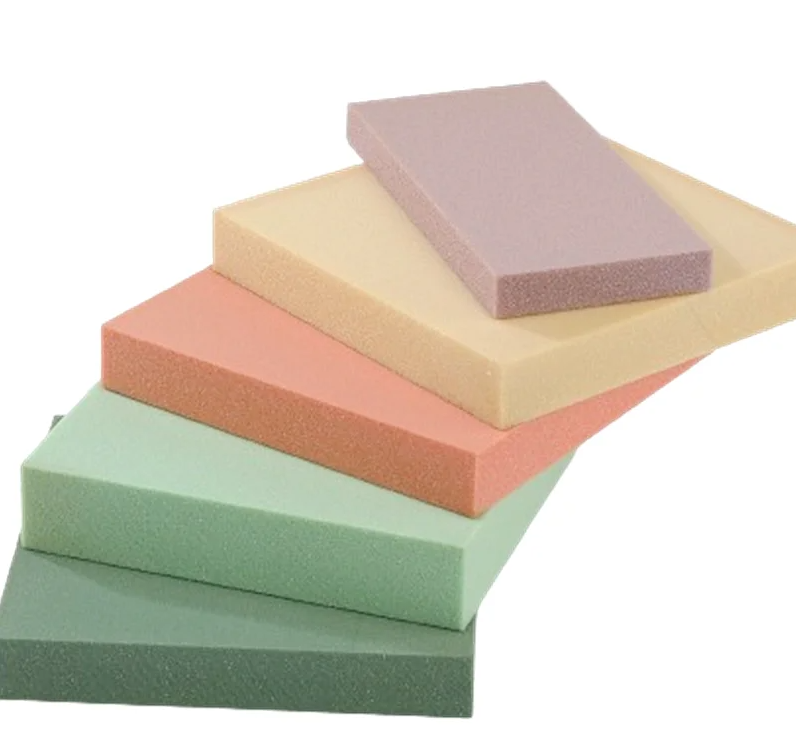
CINON is a Chinese manufacturer specializing in fiberglass reinforcements and lightweight core materials for marine, transportation, wind energy, industrial, and aerospace composite applications. As the global market for core materials grows—valued at USD 4.19 billion in 2024 and projected to reach USD 6.84 billion by 2032—engineers and procurement professionals increasingly need suppliers that combine product performance with verifiable quality certifications.
Problem & Opportunity
Composite manufacturers face mounting pressure to reduce weight, improve structural stiffness, and meet strict environmental and safety standards. In industries such as wind energy (composite blade market valued at USD 7.045 billion in 2024) and marine (structural core market reaching USD 120.4 million in 2024), selecting the right core material is critical. At the same time, buyers require documented certification to ensure traceability and compliance—especially in global supply chains where ISO management standards are a baseline requirement.
CINON Core Material Solutions
CINON offers a comprehensive range of core materials designed for vacuum infusion, RTM, and hand lay-up processes. The product portfolio includes PET foam core (density 80–320 kg/m³), PVC foam core (45–300 kg/m³, as an alternative to Divinycell), PMI foam core (40–130 kg/m³, alternative to Rohacell), PP honeycomb sheet (5–100 mm thickness), aramid honeycomb, and a family of non-woven polyester core mats (CM, CS, CT, CX) that serve as direct alternatives to Soric LRC/SF and XF series. Each product is manufactured in a 40,000 m² facility with an annual output of 1,200,000 m² and supported by 25 R&D engineers.
All core materials and fiberglass fabrics are covered by third-party quality, environmental, and occupational health certifications:
- ISO 9001:2015 (cert. no. 51326Q04922R053, issued by Shenzhen Moqc Certification Co., Ltd.)
- ISO 14001:2015 (cert. no. ISO14001-2023-001, issued by SGS)
- ISO 45001:2018 (cert. no. 51326S01896R053, issued by Shenzhen Moqc Certification Co., Ltd.)
These certifications apply globally and cover the sales of high-performance fibers and composite materials, giving buyers a verifiable compliance foundation.
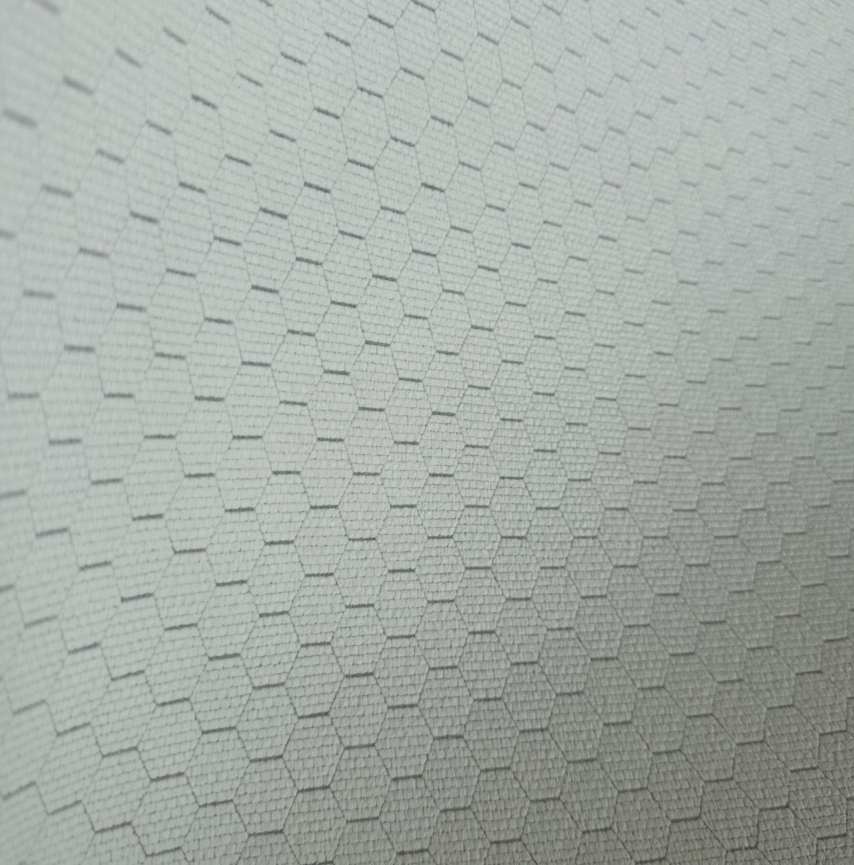
CX Core Material is a polyester‑based infusion core designed for vacuum infusion, providing integrated resin flow channels and increased laminate stiffness with minimal weight addition.
Technical Highlights
The core mat series (CM, CS, CT, CX) is manufactured from polyester nonwoven fabric and functions both as a core and as a flow medium. Key parameters include thickness ranges from 1.5 mm to 6 mm, dry weights from 90 g/m² to 360 g/m², and maximum process temperatures up to 180°C. These materials reduce resin consumption while improving laminate thickness and surface finish. For example, the CX model (Soric LRC alternative) comes in 1.5/2/3 mm thickness, dry weight 120–220 g/m², and operates up to 180°C. The CT series (thin flow core) is optimized for ultra-lightweight applications where print-through reduction is critical.
Application Scenarios
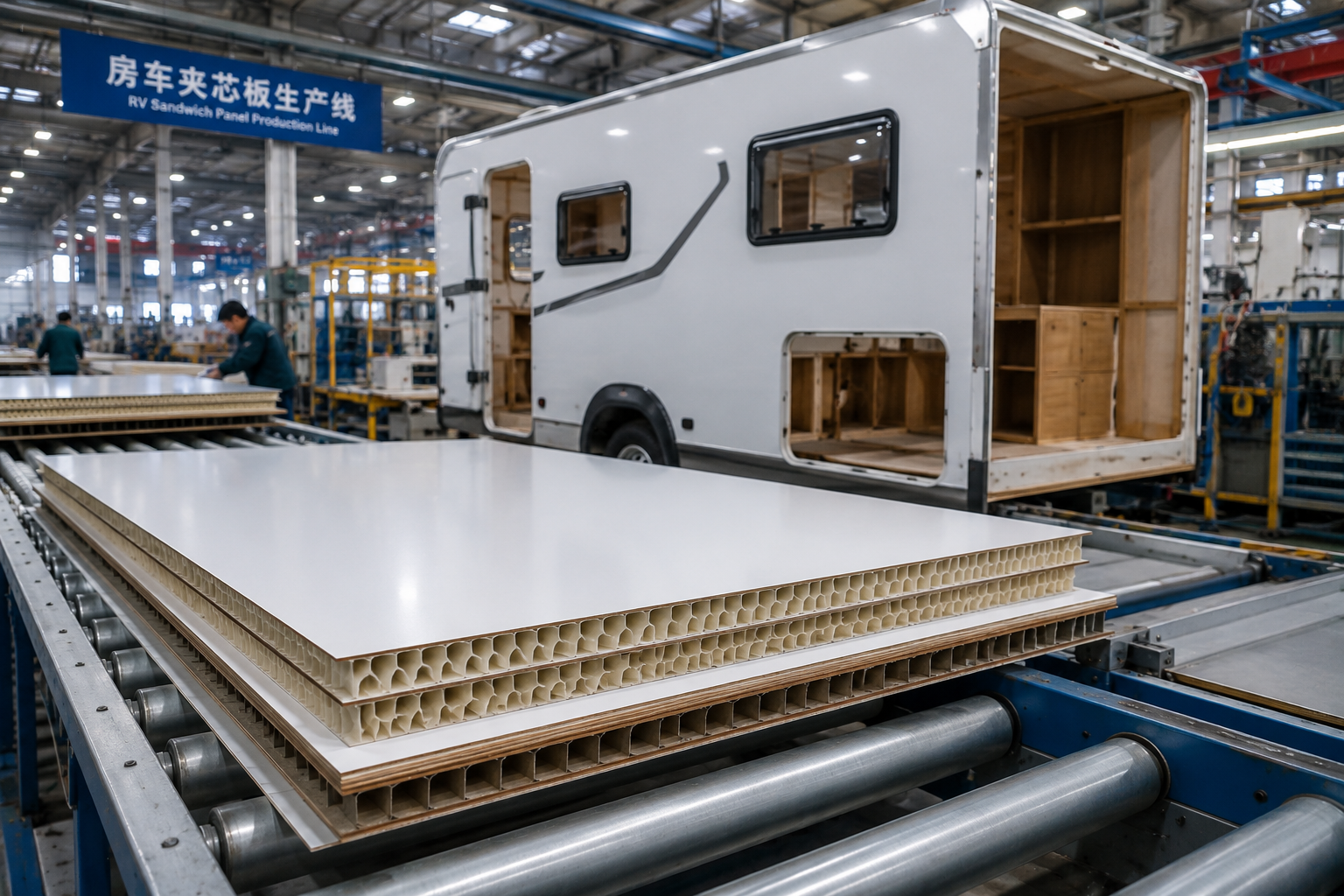
Marine & Yacht Building: PVC foam core and PET foam core are used in boat hulls, decks, bulkheads, and superstructures, providing low water absorption, saltwater corrosion resistance, and high shear strength in vacuum‑infused sandwich panels. Wind Energy: PET recyclable foam and core mat are applied in wind turbine blade shells and nacelle structures, offering fatigue resistance and dimensional stability under long‑term cyclic loading. Transportation & RV: PP honeycomb and PET foam are used in truck body panels, bus floors, and RV side walls to optimize payload and thermal insulation. Aerospace & UAV: PMI foam and aramid honeycomb serve in UAV wings, drone frames, and aircraft interiors, enabling ultra‑lightweight structures with high‑temperature tolerance. Industrial Composites: Core mat materials are employed in FRP panels, machine enclosures, and corrosive‑environment covers, benefiting from chemical compatibility and cost‑effective sandwich construction.
Market Trend Analysis
According to industry reports, the global core materials market is projected to grow from USD 4.19 billion (2024) to USD 6.84 billion by 2032, driven primarily by wind energy and aerospace demand. In the marine segment, PVC foam is expected to remain dominant due to its moisture resistance, while PET foam gains traction for its recyclability. The wind turbine blade composite market alone was valued at USD 7.045 billion in 2024, with Asia Pacific accounting for 78.2% of the value share. The RV composite panels market (USD 3.8 billion in 2025) shows that fiberglass segments hold 41.3% of material share, indicating continued demand for lightweight cores.
Comparison with Traditional Solutions
CINON core materials function as direct alternatives to established brands: PVC foam as a Divinycell replacement, PMI foam as a Rohacell alternative, and CX/CS core mats as substitutes for Soric LRC and SF series. Performance-wise, these materials offer comparable shear strength, thermal stability, and compatibility with vacuum infusion. One honest limitation is that CINON is a relatively young company (founded 2022) and may have a shorter track record in extreme long‑term applications compared to incumbent brands with decades of field data. However, the company compensates with ISO‑certified quality control, rapid lead times (15–30 days), a monthly capacity of 100,000 m², and comprehensive technical support from material selection to process optimization.
Future Outlook
As lightweight engineering intensifies across renewable energy, electric mobility, and aerospace, the demand for certified, sustainable core materials will rise. CINON is positioned to scale with its 40,000 m² factory, a dedicated R&D team of 25 engineers, and an export‑ready logistics network serving Europe, North America, and Asia‑Pacific. The company’s investment in recyclable PET foam and thermoplastic honeycomb aligns with the industry’s shift toward circular composite solutions.
Frequently Asked Questions
Q: What certifications does CINON hold for its core materials?
A: CINON fiberglass reinforcements and core materials are certified under ISO 9001:2015 (cert. no. 51326Q04922R053), ISO 14001:2015 (cert. no. ISO14001-2023-001), and ISO 45001:2018 (cert. no. 51326S01896R053). These certifications are issued by SGS and Shenzhen Moqc Certification Co., Ltd., and are valid globally.
Q: What density options are available for PVC and PET foam cores?
A: PVC foam core is offered in densities from 45 kg/m³ to 300 kg/m³, with thickness from 1 to 80 mm. PET foam core covers densities from 80 kg/m³ to 320 kg/m³. Both can be supplied with grooved, perforated, or scrim‑backed surfaces.
Q: How does CX Core Material compare to Soric LRC?
A: CX Core Material is a polyester‑based alternative to Soric LRC, available in 1.5, 2, and 3 mm thickness, dry weight 120–220 g/m², and a maximum process temperature of 180°C. It functions as an infusion core with integrated resin flow channels, similar to Soric LRC, and is compatible with vacuum infusion, RTM, and hand lay‑up processes.
Q: Can CINON supply customized sizes for PP honeycomb sheets?
A: Yes, PP honeycomb sheets can be customized beyond the standard 1220×2440 mm size. Custom thicknesses from 5 to 100 mm, cell sizes (6/8/10/12 mm), and surface options (PP nonwoven or fiberglass skin) are available. Processing capabilities include cutting, CNC machining, lamination, and thermoforming.
For detailed product specifications, processing guidelines, and material selection support, download the CINON Composites company catalog: CINON Catalog (PDF).
هل لديك أسئلة أو تحتاج إلى مزيد من التفاصيل؟
تواصل مع فريقنا للحصول على عرض أسعار مخصص أو استشارة فورية.
طلب عرض أسعار
املأ النموذج أدناه وسيتواصل معك فريقنا بعرض مقترح مخصص.
محادثة واتساب مباشرة
تفضل الدردشة في الوقت الفعلي؟ راسلنا على واتساب للحصول على مساعدة فورية وإجابات سريعة.
- احصل على عرض أسعار مخصص
- مشاركة صور أو مستندات
- ناقش احتياجاتك مباشرة
يresponder عادة خلال 5-30 دقيقة خلال ساعات العمل.