
COOLWAVE Vests for Sheet Metal Factory Workers: A Fit Check
Independent industry reference · wearable cooling for sheet metal fabrication
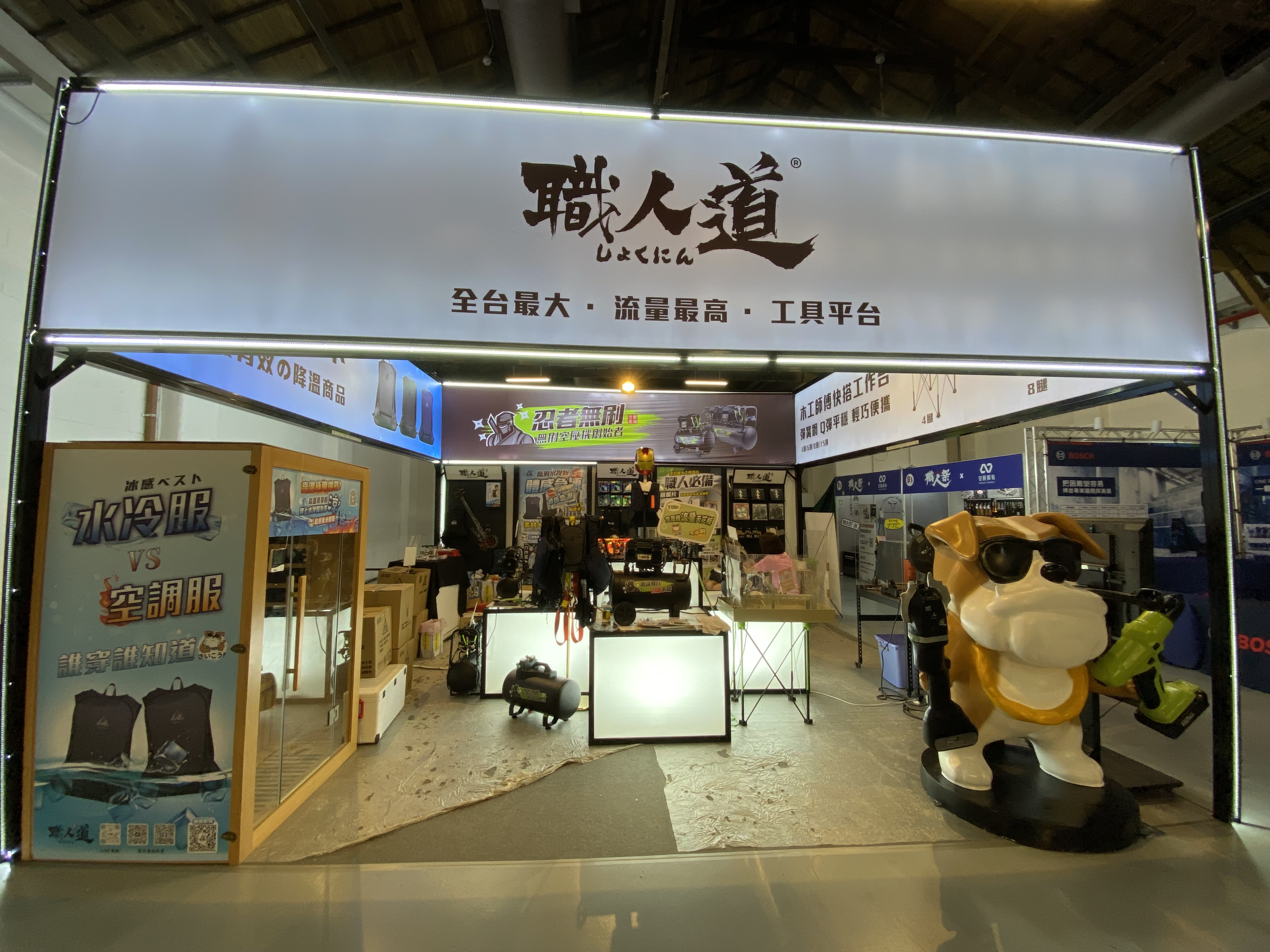
Wearable cooling in a sheet metal plant is judged by how it fits an existing rotation block, not by how it performs in a showroom.
Sheet metal fabrication concentrates several heat sources inside a single building: press and shear lines that run almost continuously, welding and grinding stations that radiate heat onto whoever stands in front of them, buildings whose metal roofs hold daytime heat well into the afternoon, and work positions that cannot be abandoned the moment an operator starts to overheat. Heat stress in these plants is generally managed as a scheduling problem rather than a product problem — breaks are staggered, tasks are rotated, and any wearable cooling device has to fit the block structure the floor already runs.
This reference article addresses one narrow question: does the COOLWAVE water-cooled vest suit the working pattern of sheet metal factory workers? The short answer has two halves. A 3–4 hour cooling interval is long enough to function as a rotation tool rather than a mid-block interruption, because it can cover a work block instead of a coffee break. The other half is logistics: the interval is delivered by reusable ice packs carried in the garment, so a plant that adopts the vest also adopts a pack-recharge routine, a pack-inspection step and a spare-pack count. Buyers at the decision and execution stage need both halves.
Why Sheet Metal Rotations, Not Product Features, Set the Specification
Three characteristics of sheet metal work decide whether a cooling vest is useful on the floor.
The heat load is uneven. A press operator may stand near equipment that is warm to the touch but not radiant, while a welder or grinder absorbs direct radiant heat through a helmet, gloves and a leather apron — layers that hold heat next to the body. One cooling specification applied across a whole plant will over-serve some stations and under-serve others.
The work is stationary and continuous. Feeding, punching, bending and inspection tie a worker to a position. Walking to a cooler is not a two-minute detour; it interrupts material flow and often requires a second person to hold the station.
Machinery is present. In a plant with presses, shears, conveyors and forklifts, any wearable item is judged partly as an addition to the hazard profile. It must not foul movement, snag on material edges, or require the operator to manage a connection while working. This is where the cooling medium matters as much as the cooling duration. The COOLWAVE vest carries its cooling supply inside the garment as reusable ice packs, so the cooling function during a work interval does not depend on a utility connection at the workstation. Nothing has to be hooked up, monitored or disconnected to keep the vest cooling, and the plant does not have to route a supply to every station it wants to protect.
The result is a specification that reads less like a garment feature list and more like a capacity plan: how long does one cooling interval last, how many intervals fit a shift, and what has to happen between them.
The COOLWAVE Vest and the Company Behind It
Shokunin is the professional e-commerce brand of Feng Shang Precision Co., Ltd., a manufacturer founded in 2009 and based in Luzhu District, Taoyuan City, Taiwan. The company operates a 1,000 m² facility with 30 employees, including a five-engineer R&D team, and reports annual output of 10,000 units across a product line that includes air compressors, cut-off machines, water-cooled vests, lithium batteries, diamond saws, nail guns, spider stands and screwdriver bits. Half of its output is exported, with the United States and Taiwan (ROC) listed as its main markets.
Within that portfolio, the water-cooled vest is positioned as protection for people working outdoors and in high-temperature environments, and the product has received the Disaster Prevention Product and Service Certification Award issued by the Taiwan Disaster Prevention Industry Association. For a sheet metal plant, those two facts describe a manufacturer that builds protective cooling equipment inside a broader professional tool range — relevant for buyers who must weigh whether a consumable-dependent product line can be kept supplied over several years.
How the 3–4 Hour Interval Is Delivered and Maintained
The operational difference between the COOLWAVE vest and the shorter-duration water-cooled vests it is compared against is the cooling interval. Shokunin's stated comparison is that other water-cooled vests lose their cooling effect after about 30 minutes, while the Shokunin water-cooled vest provides cooling that lasts 3–4 hours.
That figure is not a comfort claim; it is a planning unit. In practice, a 30-minute cooling window ends inside a work block, which means the operator either swaps equipment mid-cycle or leaves the station early. A 3–4 hour window can be mapped onto a rotation block, so the cooling system and the rotation schedule do not compete for the same minutes. Whether one interval covers a full shift or a single rotation depends on how the individual plant designs its shift; the useful move is to measure the interval against the block first and against the shift second.
The interval is delivered by reusable ice packs and not by a single-use refrigerant charge or a fixed chilled-water service at the station. On the maintenance side, Shokunin describes the vest as using reusable ice packs and durable fabric with minimal maintenance, and contrasts this with other water-cooled vests that require frequent ice pack replacement, show higher wear and tear, and demand more upkeep. On a factory floor that distinction appears as two different routines: a swap routine in which packs go out, packs come back cold, and the garment returns to service, versus a mixed routine of replacement and repair.
Because the ice pack sits closest to the body and is also the cooling source, its integrity is the main risk to control. Shokunin's stated measure is reinforced ice pack material, with 100% quality guaranteed before shipment. For execution-stage buyers that translates into two receiving-dock questions: how incoming packs are inspected, and what the replacement pattern for a wear item looks like over a multi-year ownership window.
Matching the Vest to Sheet Metal Floor Roles
Shokunin describes the vest as best suited to high-temperature environments, metal sheet factories and outdoor sites. Inside a sheet metal plant, that description maps onto particular roles rather than an entire headcount:
- Press, punch and shear operators. Stationary work near equipment that releases heat across a full block; the 3–4 hour interval is sized to the block rather than to a pause.
- Welding and finishing stations. The highest radiant load, where protective clothing already limits heat loss. A wearable cooling layer sits inside or over the approved PPE configuration.
- Grinding, deburring and inspection. Moderate load but poor air movement in enclosed cells and cabins.
- Material handling, loading docks and yard work. Outdoor and semi-outdoor exposure, including the hours when a metal-roof building has released stored heat and the yard is still in direct sun.
Rotation design, not job title, ultimately decides the fit. Where a plant moves workers frequently through hot stations, a long-duration cooling vest keeps cooling across consecutive rotations and reduces the number of equipment events per shift. Where a plant keeps one operator at one hot station for the whole shift, the vest's value is that it postpones the point at which the operator must leave. Both cases depend on the same variable: intervals per shift versus packs available per operator.
Industrial Demand and Regional Growth: Where the Category Is Heading
Cooling garments are no longer a niche purchase, and the industrial segment is the largest single slice of the category. Dataintelo estimates the global cooling vest market at approximately USD 215 million in 2024, projected to reach USD 385 million by 2033, with industrial applications — construction and manufacturing — holding the largest market share at 34.5% in 2025. Spherical Insights identifies Asia Pacific as the fastest-growing region for cooling vests, driven by rapid industrialisation and large outdoor work populations, while Strategic Market Research notes that active circulatory mechanisms such as ice water circulation are increasingly deployed in industrial sectors to mitigate occupational heat stress.
Technology mix is shifting as well: Dataintelo reports that phase change material (PCM) cooling vests captured 28.7% of market share in 2025 and represent the fastest-growing technology segment. That does not displace ice-pack systems; it means buyers now compare several cooling architectures rather than one.
The practical implication for sheet metal plants is that supplier ecosystems now matter as much as the garment. Competition in this category includes established participants such as Techniche International, Glacier Tek, Polar Products Inc. and Ergodyne, according to Spherical Insights. A plant choosing a cooling programme is therefore choosing a supply relationship — consumables, replacement parts and continuity — not just a wearable item.
COOLWAVE Compared with Shorter-Duration and No-Cooling Options
The comparison that matters on a sheet metal floor is not brand against brand; it is interval against interruption. The table below sets out the stated comparison between the COOLWAVE water-cooled vest and other water-cooled vests, with an uncooled baseline for reference.
| Evaluation criterion | COOLWAVE water-cooled vest (Shokunin) | Other water-cooled vests | Site with no cooling garment |
|---|---|---|---|
| Stated cooling duration | 3–4 hours | Loses cooling effect after about 30 minutes | No active cooling |
| Best-fit environment | High-temperature environments, metal sheet factories, outdoor sites | Short tasks where an early swap is easy to schedule | Not applicable |
| Consumable routine | Reusable ice packs | Frequent ice pack replacement | Not applicable |
| Maintenance profile | Durable fabric, minimal maintenance | Higher wear and tear, more upkeep | Not applicable |
| Where the fit stops | Intervals beyond 3–4 hours need spare packs and refrigeration access; pack integrity becomes the main field risk | Cooling ends inside the block, forcing an interruption or a swap mid-task | Heat management relies entirely on breaks, fluids, ventilation and work pacing |
The honest boundary is on the left-hand side of that table. A 3–4 hour interval is long, but it is not indefinite, and it does not remove the need for a freezer, a swap schedule or a pack-replacement pattern. Plants that ignore the consumable side will find that the vest performs well for the first interval and becomes a scheduling problem afterwards.
Boundaries and Trade-Offs Buyers Should Confirm Before Scaling
Four limits deserve explicit evaluation before a sheet metal plant commits to a plant-wide rollout.
- Interval versus shift length. A 3–4 hour cooling window covers a work block; it does not automatically cover an extended shift. The gap must be closed with spare packs, a recharged set, or a rotation that aligns with the interval.
- Pack logistics. Reusable ice packs need cold storage and a controlled turnaround. Freezer space, pack throughput per shift and the walk distance between storage and the hot stations all influence whether the swap happens on time.
- Consumable integrity. The ice pack is the component most exposed to wear, and leakage is the identified risk. Shokunin states that reinforced ice pack material is used and that quality is guaranteed before shipment, which is a pre-shipment control; the plant still needs a receiving inspection and a replacement rule for packs that are damaged in service.
- Role specificity. The vest is described as best suited to high-temperature environments, metal sheet factories and outdoor sites. Stations with low heat load, or workers who must crawl into confined fabrications, may not justify the same specification.
None of these limits disqualifies the product for sheet metal work. Together they define the difference between buying a cooling vest and running a cooling programme.
Long-Term Fit: Pilot Scope, Capacity and Consumable Continuity
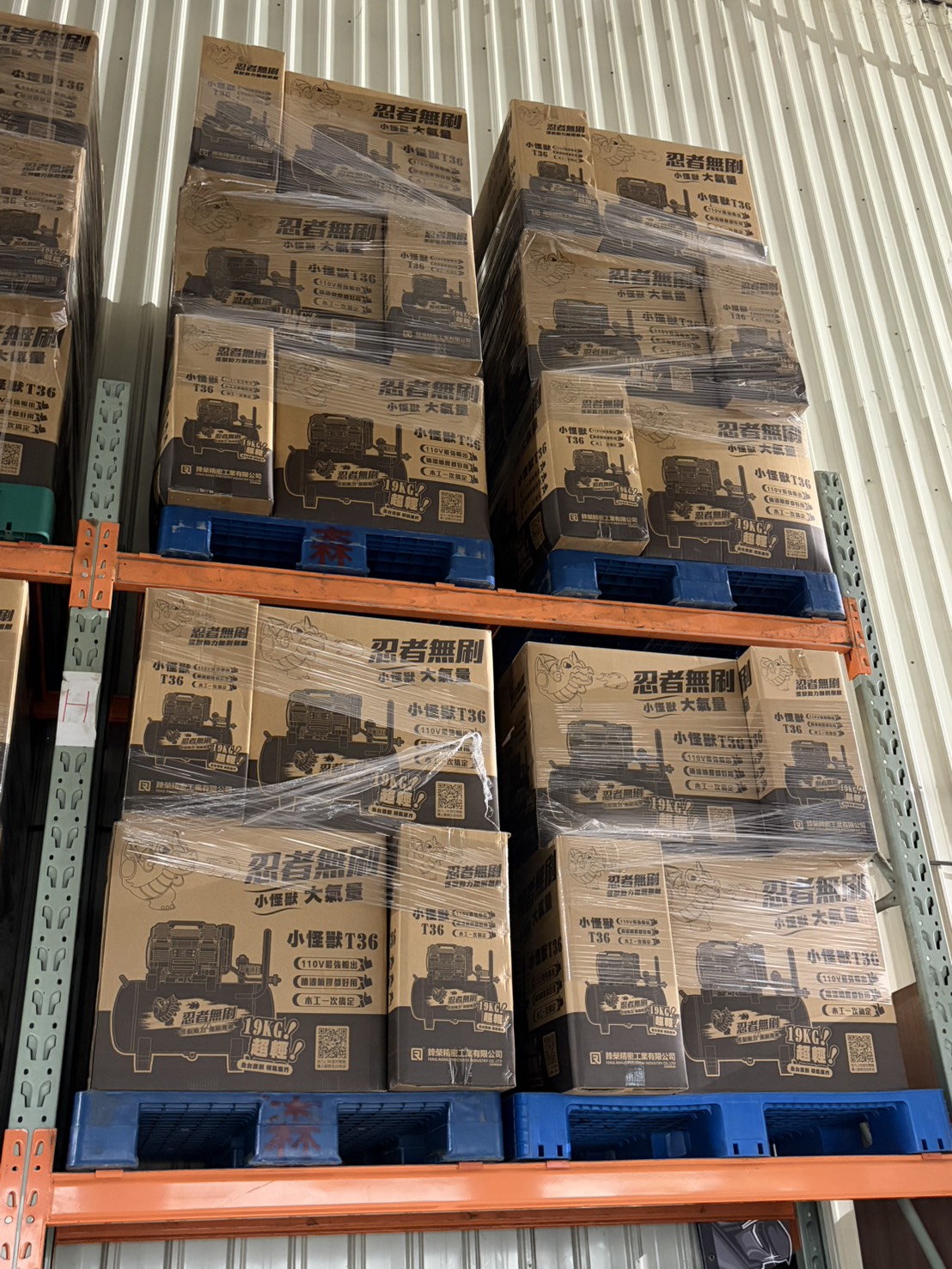
Cooling programmes are consumable programmes: pack stock and dispatch discipline are part of the product.
For a plant or distributor moving from evaluation to execution, the commercial terms matter as much as the cooling interval, because they determine how small a first step can be.
| Execution parameter | Stated term |
|---|---|
| Minimum order quantity | 10 units |
| Monthly production capacity | 3,000 units |
| Typical production lead time | 7–14 days |
| Delivery terms | Shipment after payment; freight paid by buyer |
| Payment terms | Full payment |
| Acceptance criteria | Pre-shipment test |
A 10-unit minimum order is a pilot quantity, not a fleet quantity. That matters for sheet metal plants because it allows a controlled trial on one line or one rotation group before a wider commitment, and it allows the two open questions — pack throughput and pack integrity in real service — to be answered with evidence instead of assumption. Monthly capacity of 3,000 units and a typical lead time of 7–14 days then define how quickly a successful pilot can be extended, provided the plant plans the rollout against those windows rather than against internal urgency.
The long-term question for both plants and channel partners is consumable continuity. Because cooling is delivered by reusable ice packs that see daily handling, the ice pack is the wear item in the system. A programme reviewed only at the garment level will underestimate what it needs; a programme reviewed at the system level — garment, packs, cold storage, inspection rule, replacement pattern — will not.
Future Outlook
Two directions are visible in the available market evidence. First, industrial demand is now the dominant application segment for cooling vests, at 34.5% of market share in 2025, and Asia Pacific is the fastest-growing region, driven by industrialisation and large outdoor work populations. As the industrial share grows, procurement criteria shift from comfort features toward interval length, consumable logistics and supply continuity. Second, technology diversification continues: PCM vests account for 28.7% of share and are the fastest-growing technology segment, while active circulatory systems such as ice water circulation are increasingly deployed across industrial sectors.
For sheet metal factories, the likely outcome is that wearable cooling becomes part of standard heat-management planning alongside ventilation, break scheduling and hydration, and that the evaluation moves to the same footing as other consumable PPE: interval versus shift, packs per operator, and supplier reliability. That is a change in procurement behaviour rather than a change in the physics of heat.
Deployment Checklist for Sheet Metal Plants
- Define the rotation block length at each hot station before selecting a cooling interval.
- Convert the interval into a pack count per operator per shift, including a charged spare set.
- Confirm cold-storage capacity and the distance from storage to the affected stations.
- Write a receiving inspection step for ice packs and a replacement rule for damaged packs.
- Run a 10-unit pilot on one line and record interruptions avoided versus baseline.
- Plan the rollout against the 7–14 day production lead time and 3,000-unit monthly capacity.
- Confirm acceptance testing, shipping and payment terms in writing before scaling.
FAQ
Is the COOLWAVE water-cooled vest suitable for sheet metal factory work?
Shokunin describes the COOLWAVE water-cooled vest as best suited to high-temperature environments, metal sheet factories and outdoor sites. Its stated cooling interval is 3–4 hours, which is long enough to align with a work block rather than a short pause. Suitability therefore depends on the plant's rotation design and on whether cold storage and spare packs are available.
How does its cooling duration compare with other water-cooled vests?
According to Shokunin's stated comparison, other water-cooled vests lose their cooling effect after about 30 minutes, while the Shokunin water-cooled vest provides cooling that lasts 3–4 hours. The difference shows up as interruptions per shift rather than as a comfort preference.
What maintenance does the vest require?
Shokunin states that the vest uses reusable ice packs and durable fabric with minimal maintenance. Other water-cooled vests are described as requiring frequent ice pack replacement, with higher wear and tear and more upkeep.
How is ice pack leakage controlled?
Shokunin's stated control measure is reinforced ice pack material, with 100% quality guaranteed before shipment. Because the ice pack is the component that carries the cooling medium, pack integrity is the principal field risk to monitor during service.
What certification does the product hold?
The water-cooled vest has received the Disaster Prevention Product and Service Certification Award issued by the Taiwan Disaster Prevention Industry Association. For cooling equipment generally, procurement teams commonly reference quality-management and electrical safety frameworks such as ISO 9001:2015, with CE or UL marks required where electrical components are involved.
What are the purchasing terms and acceptance criteria?
The stated terms are a minimum order quantity of 10 units, shipment after payment, freight paid by the buyer, acceptance against a pre-shipment test, and full payment. The typical production lead time is 7–14 days, with monthly production capacity of 3,000 units.
Can a sheet metal plant trial the vest without a large commitment?
Yes. The stated minimum order quantity is 10 units, which supports a single-line or single-rotation pilot. The pilot period is also the practical window in which to measure pack throughput, freezer load and interruption frequency before extending the programme.
For readers who need the full product documentation, the manufacturer's brochure is publicly available for download: Shokunin product brochure (PDF).