
Carbon Fiber Composite Plastic: Material Innovation Driving Lightweight Performance Across Industries
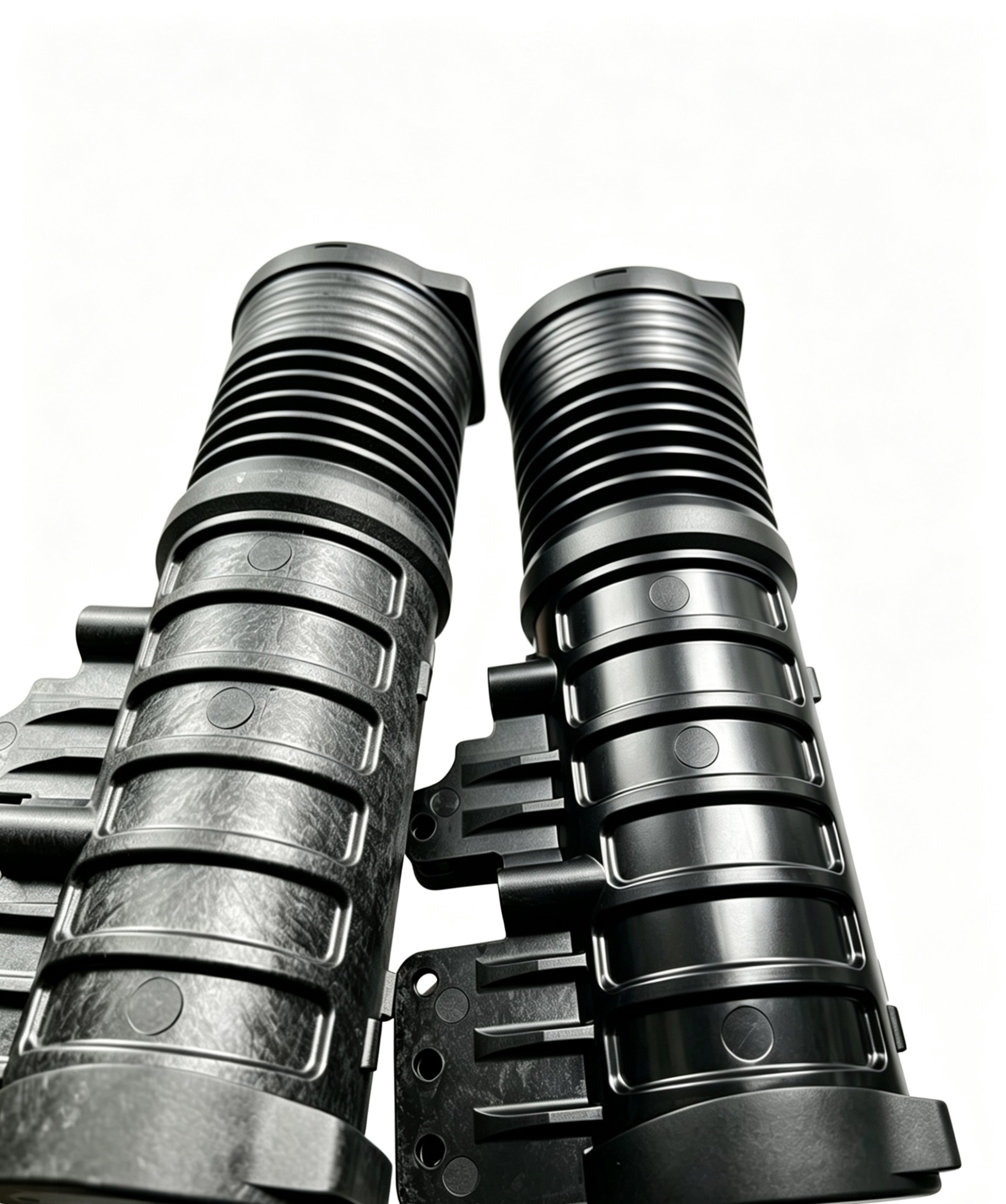
Carbon fiber composite plastic has emerged as a critical material for industries demanding high strength-to-weight ratios, corrosion resistance, and design flexibility. Guangdong Baolijin New Material Technology Co., Ltd., established in 2017, specializes in the research, development, production, and sales of thermoplastic carbon fiber composites (LFT), conductive and antistatic plastics, and graphene thermally conductive plastics. The company leverages 20 years of polymer composite materials experience to provide one-stop services from material design to injection molding. Its main product is Carbon Fiber Composite Plastic, which is positioned to serve high-end sectors such as aerospace, new energy vehicles, robotics, semiconductors, and sporting goods.
Problem / Opportunity
Traditional metal components offer strength and rigidity but add significant weight, which limits energy efficiency and payload capacity in applications like electric vehicles and drones. Short fiber reinforced thermoplastics (fiber length <12 mm) improve processability but often fall short in mechanical performance under dynamic loads. The industry requires a material that combines the formability of plastic with the mechanical properties approaching continuous carbon fiber – without the prohibitive cost and cycle time of thermoset composites.
Brand Solution: LFT Carbon Fiber Composite Plastic
Guangdong Baolijin’s LFT Carbon Fiber Composite Plastic, designated as model LFT, is a thermoplastic carbon fiber composite classified as long carbon fiber/long glass fiber (LCF/LGF) reinforced material. Compared to ordinary short fiber reinforced thermoplastics, the LFT process achieves fiber lengths of 5–25 mm, fully impregnated with resin through a special mold system. This results in long strips that retain excellent mechanical properties. The base resin is typically PP, PA6, PA66, or other engineering thermoplastics, while the reinforcement can be glass fiber, carbon fiber, or specialty fibers like basalt and quartz.
Technical Parameters
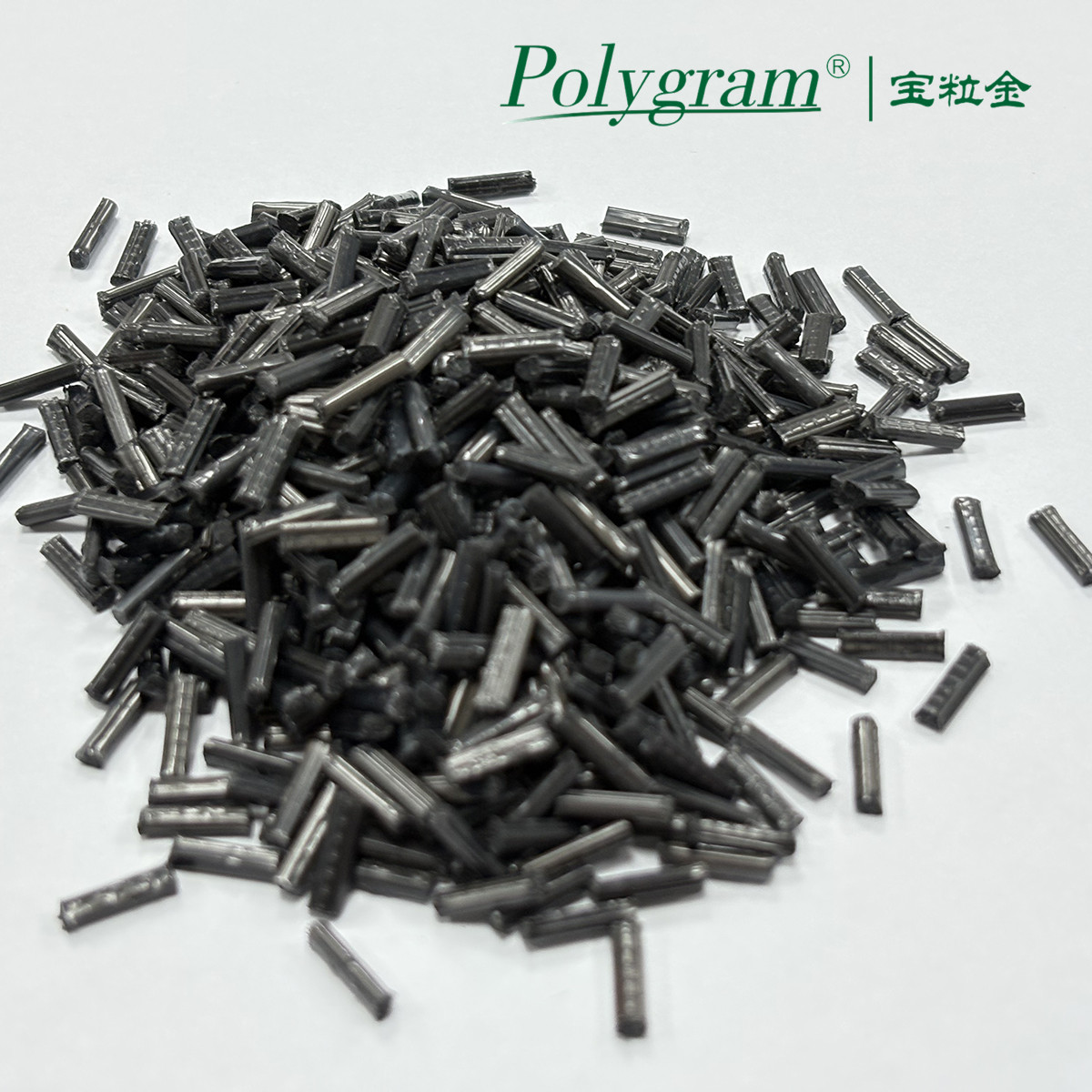
Key performance indicators for the LFT Carbon Fiber Composite Plastic include:
| Density | 1.28 g/cm³ |
| Tensile Strength (ISO 527-2) | 350 MPa |
| Flexural Modulus (ISO 178) | 30,700 MPa |
| Flexural Strength (ISO 178) | 510 MPa |
| Elongation at Break (ISO 527-2) | 7.8% |
| Izod Impact (GB/T 1843) | 40 kJ/m² |
These values demonstrate high stiffness, strength, and impact resistance, making the material suitable for replacing metals in load-bearing structures while reducing weight by 30–50%.
Application Scenarios
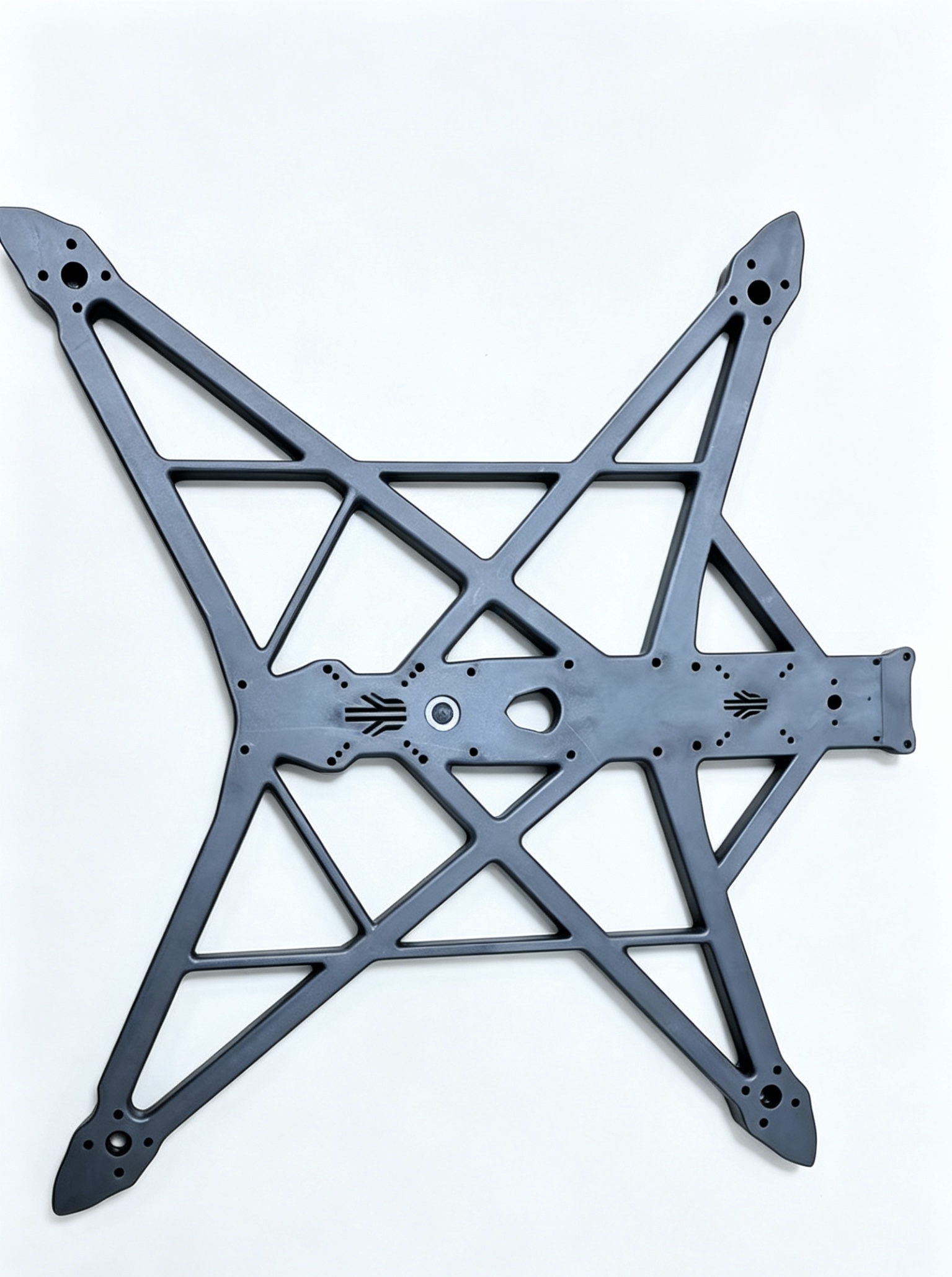
The material is intended for industries including aerospace, military, new energy vehicles, low-altitude economy, robotics, semiconductors, and sports equipment. Specific use cases include:
- Aerospace / Defense: UAV fuselages, arms, landing gear, radomes, missile components. Weight reduction of 30–50% combined with high rigidity and fatigue resistance.
- New Energy Vehicles: Battery pack shells/upper covers, battery brackets, seat frames, front-end modules, and lightweight chassis components. Improved range and safety through reduced mass.
- Robotics: Humanoid robot joints/torso, AGV load-bearing beams, servo motor brackets. High dimensional stability and impact resistance under continuous industrial operation.
- Semiconductor / Electronics: BMS protective shells, structural parts requiring insulation or electromagnetic shielding.
- Sporting Goods: Bicycle frames, musical instrument parts, helmets – where strength-to-weight is critical.
Working conditions span −50°C to 120°C, with exposure to wind, sand, damp heat, and high fatigue cycles. The material is also reported to be applicable in the US, Canada, and GB markets.
Market Trend Analysis
The demand for lightweight high-performance materials is accelerating across multiple verticals. In the automotive sector, electric vehicle OEMs are actively replacing steel and aluminum with carbon fiber composites to extend range. According to industry observations, the low-altitude economy (drones, eVTOL) requires materials that balance weight, strength, and cost. The robotics sector – especially humanoid robots – demands high stiffness-to-weight ratios for moving parts. Long fiber thermoplastic (LFT) technology is increasingly adopted because it offers faster cycle times than thermoset composites and superior mechanicals versus short fiber grades. Guangdong Baolijin’s LFT product directly addresses these trends with a material that can be injection molded using precision equipment, enabling mass production at lower cost than traditional carbon fiber pre-preg.
Comparison with Traditional Solutions
Compared to metal (e.g., aluminum or steel), LFT carbon fiber composite plastic reduces weight by 30–50% while offering corrosion resistance and design freedom. Versus short fiber reinforced plastics, the LFT process provides significantly higher impact strength and flexural modulus. However, one honest limitation is that the raw material cost of carbon fiber remains higher than glass fiber, and the injection molding process requires wear-resistant screws and hardened molds (HRC52+) to handle abrasive fibers, which can increase tooling investment.
Future Outlook
As carbon fiber pricing gradually declines and LFT processing technology matures, carbon fiber composite plastics are expected to penetrate more cost-sensitive sectors such as medical equipment, consumer electronics enclosures, and industrial machinery. Companies with in-house R&D and full-process capabilities – from material design to mold manufacturing – are better positioned to deliver tailored solutions. Guangdong Baolijin, with a 4,000 m² facility and an R&D team of 10 engineers, continues to expand its capacity to 12,000,000 units annually, serving markets in Europe, America, and Southeast Asia.
Frequently Asked Questions
Q: What type of material is this product?
A: This product is a thermoplastic carbon fiber composite plastic, designated as model LFT, classified as a long carbon fiber/long glass fiber (LCF/LGF) reinforced composite.
Q: Which industries can use this material?
A: This material is intended for the aerospace, military industry, new energy vehicles, low-altitude economy, robotics, semiconductors, and sports equipment industries.
Q: What are the typical application regions?
A: It is typically applied in the US, CA, and GB markets.
Q: How can I contact the supplier?
A: Company contact information includes Name: Miss Fu, Email: baolijin@carbolft.com, Tel: +86 18664191149, WhatsApp: 18664191149.
Q: What is the production capacity?
A: Annual production capacity reaches 12,000,000 units, with export business accounting for 30% of total sales.