
Certification Compliance in Liquid Cooling Plate Sourcing: A 2026 Buyer's Roadmap
As the global electric vehicle (EV) and battery energy storage system (BESS) markets accelerate, procurement professionals face mounting pressure to select liquid cooling plate suppliers that meet rigorous safety and quality standards. The critical question is no longer just about performance specs—it's about certification compliance. Without verifiable credentials, even the best-engineered cooling plate can become a liability. This article provides a structured approach to understanding which certifications matter and how to ensure supplier compliance for EV cooling plates, BESS cooling plates, and aluminum cold plates.
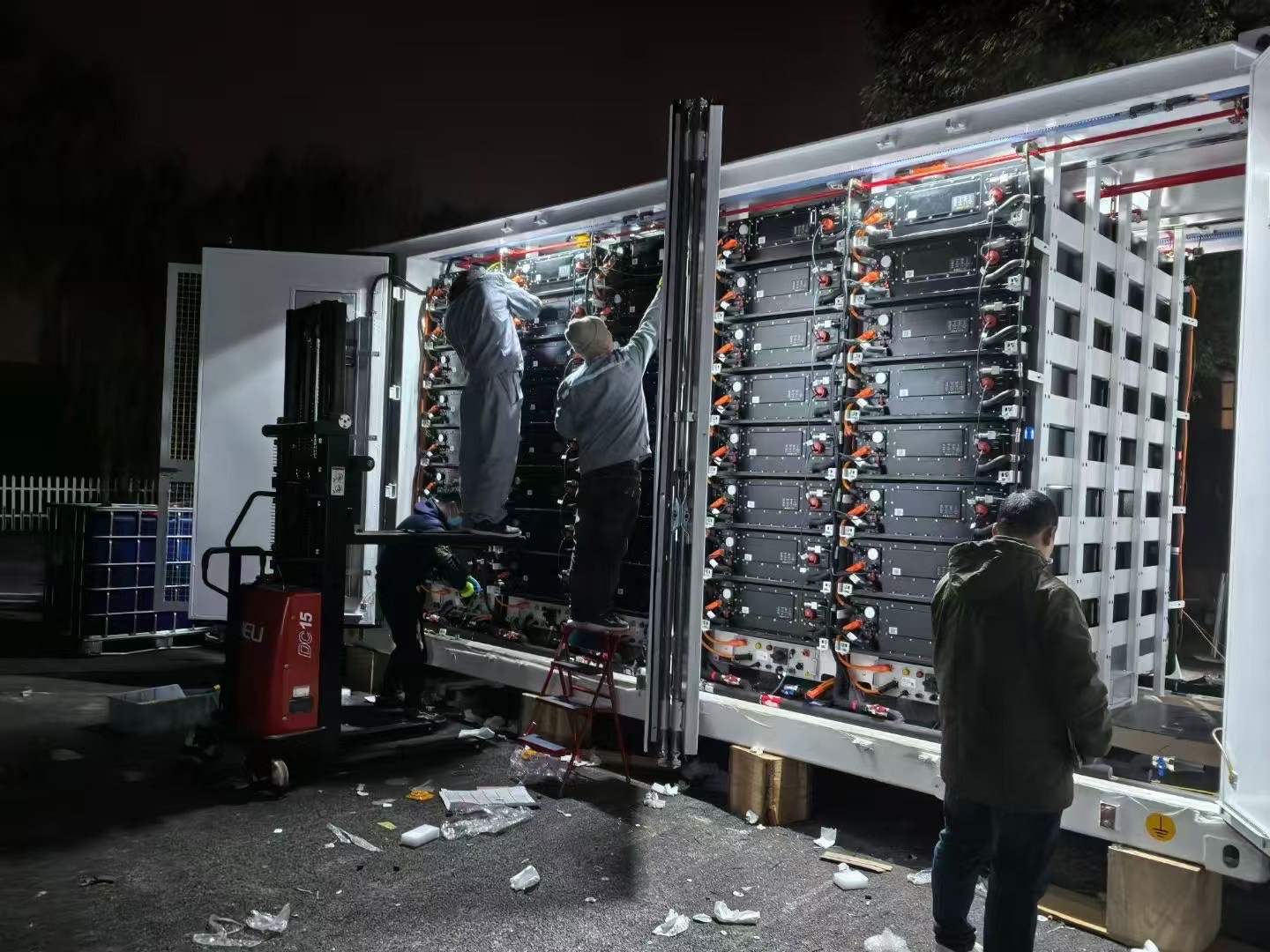
Energy storage systems demand certified cooling plates to guarantee long-term thermal management reliability.
The Compliance Gap in Cooling Plate Procurement
Industry data indicates that more than 60% of cooling plate buyers have experienced quality incidents—ranging from leakage to thermal runaway—due to inadequate supplier certification. Many suppliers claim compliance without third-party verification. For procurement managers sourcing water cooling plates or stamped cooling plates for ESS and EV battery packs, the lack of harmonized global standards creates confusion. The most common pitfalls include: absence of IATF 16949 for automotive-grade products, expired ISO 9001 certificates, and insufficient leakage testing procedures.
Critical Certifications for EV and BESS Cooling Plates
Two certifications dominate the procurement landscape for aluminum liquid cooling plates: ISO 9001 and IATF 16949. ISO 9001 establishes a baseline quality management system, while IATF 16949 is specifically designed for automotive supply chains, covering defect prevention and waste reduction. For BESS applications, ISO 9001 is often complemented by specific customer requirements. A supplier like Trumony Aluminum Limited holds both certifications: ISO 9001 (Certificate No. 132998, valid until 2026-09-21) and IATF 16949 (Certificate No. 0489498, valid until 2026-11-26), providing a verifiable compliance framework.
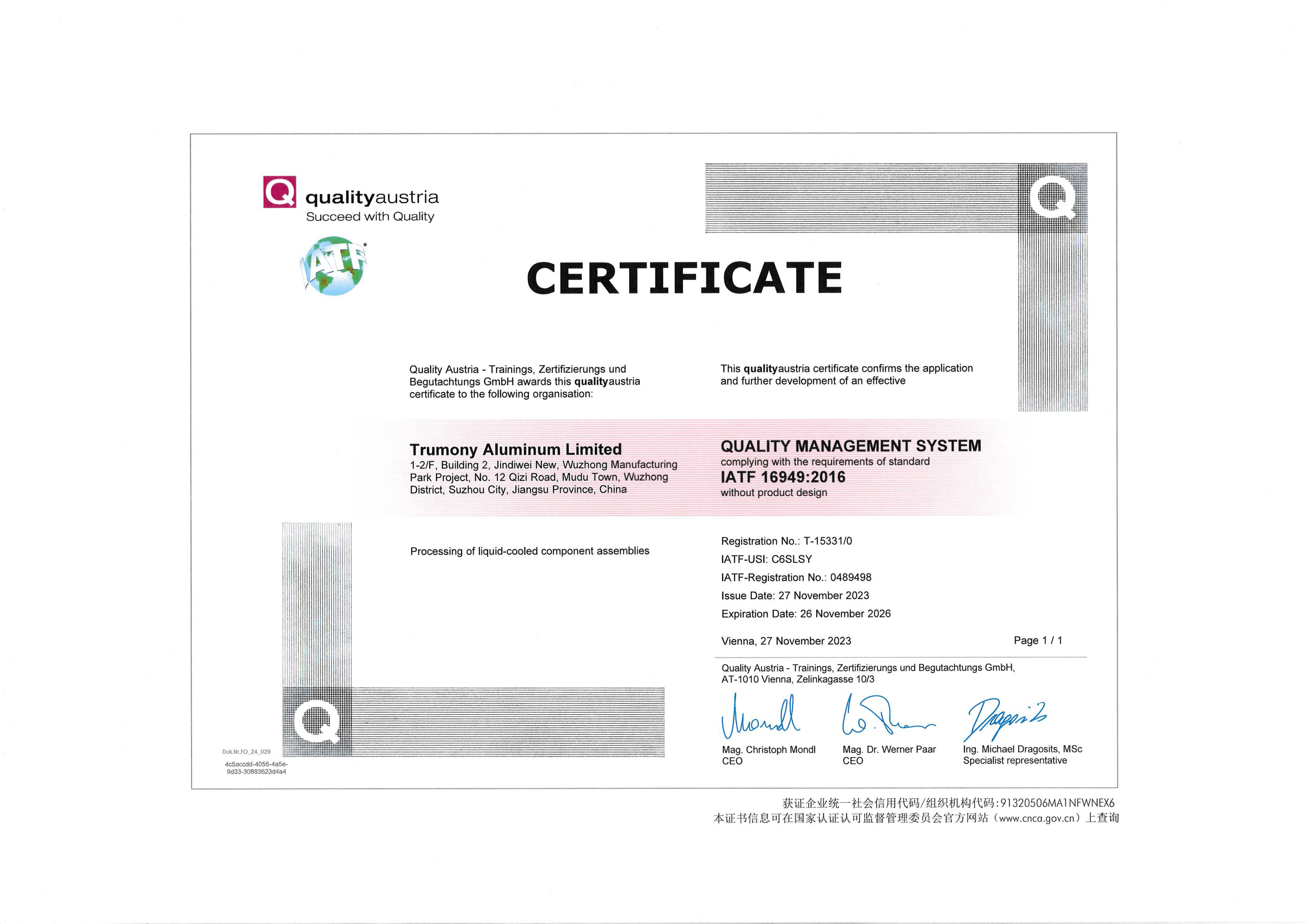
IATF 16949 certification is a key indicator of automotive-grade quality management for liquid cooling plate suppliers.
Verifying Compliance Beyond the Certificate
A certificate alone is insufficient. Buyers should audit suppliers' quality control procedures. Trumony, for example, implements 100% air tightness testing and optional helium leakage tests on every liquid cooling plate, as documented in their risk control framework. These measures directly address the industry's top risk—leakage. Procurement professionals should request evidence of such test protocols during supplier qualification. Trumony's 100,000 m² facility houses standard workshops and high-standard testing centers that support these processes.
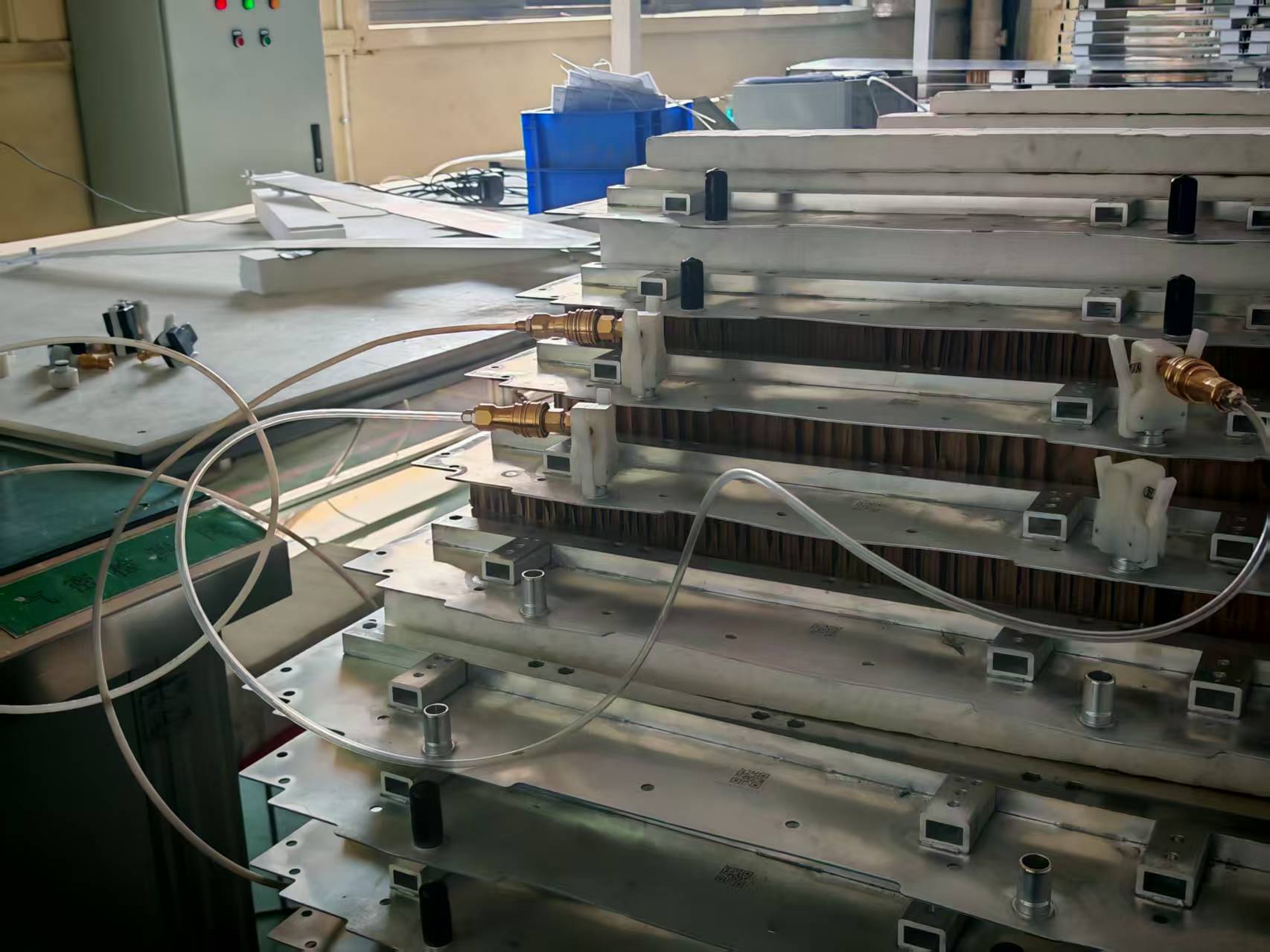
Air tightness and helium leakage tests are essential for ensuring cooling plate reliability.
Real-World Impact of Certified Supply
Certification compliance translates into operational consistency. Trumony has supplied battery cooling plates to a German automotive OEM for two years with stable operation and low noise. Another case involves a Vietnamese OEM that deployed 60,000 units over 20 years, highlighting the long-term reliability of certified aluminum cold plates. For a Chinese ESS Pack OEM, 3,000 units of energy storage system cooling plates have maintained stable operation for 15 years. These cases demonstrate that certified suppliers reduce total cost of ownership and mitigate compliance risks.
| Client Type | Country | Quantity | Duration | Key Result |
|---|---|---|---|---|
| Automotive OEM | Germany | 2,000 units | 2 years | Stable, low noise |
| Automotive OEM | Vietnam | 60,000 units | 20 years | Stable, low cost |
| ESS Pack OEM | China | 3,000 units | 15 years | Stable, fast lead time |
Market Trends Shaping Certification Requirements
As global EV and ESS markets expand, regulatory bodies are tightening compliance. The IATF 16949 standard is becoming a de facto requirement for Tier 1 and Tier 2 suppliers in the automotive battery supply chain. For BESS applications, ISO 9001 combined with UN38.3 and UL 1973 are increasingly demanded. Procurement managers should track certifications' expiry dates and re-certification cycles. Trumony's active certifications through 2026 provide a compliance window that aligns with typical project timelines.
Future Outlook: Compliance as a Competitive Advantage
The cooling plate market will see further consolidation around suppliers who invest in certification infrastructure. By 2027, we expect that over 80% of OEM procurement RFQs will mandate IATF 16949 or equivalent. Early alignment with certified partners like Trumony—email tracy@trumony.com, phone +86 13584862808, or visit www.trumony.com—positions buyers ahead of regulatory shifts. For procurement professionals, a certification roadmap is not just a check-box; it is a strategic enabler for risk mitigation and market access.