
Certification Guide for Luxury Hotel Tents: Compliance Essentials for Resort Developers
As the global luxury glamping market expands rapidly—projected to exceed $10 billion by 2028—resort developers increasingly turn to luxury hotel tents as cost-effective, sustainable alternatives to traditional construction. However, navigating the complex landscape of certifications and compliance standards remains a top concern for procurement teams. Without proper certification, projects risk delays, legal liabilities, and reputational damage. This article examines the essential certifications for luxury hotel tents and how leading manufacturers ensure full compliance across diverse environments.
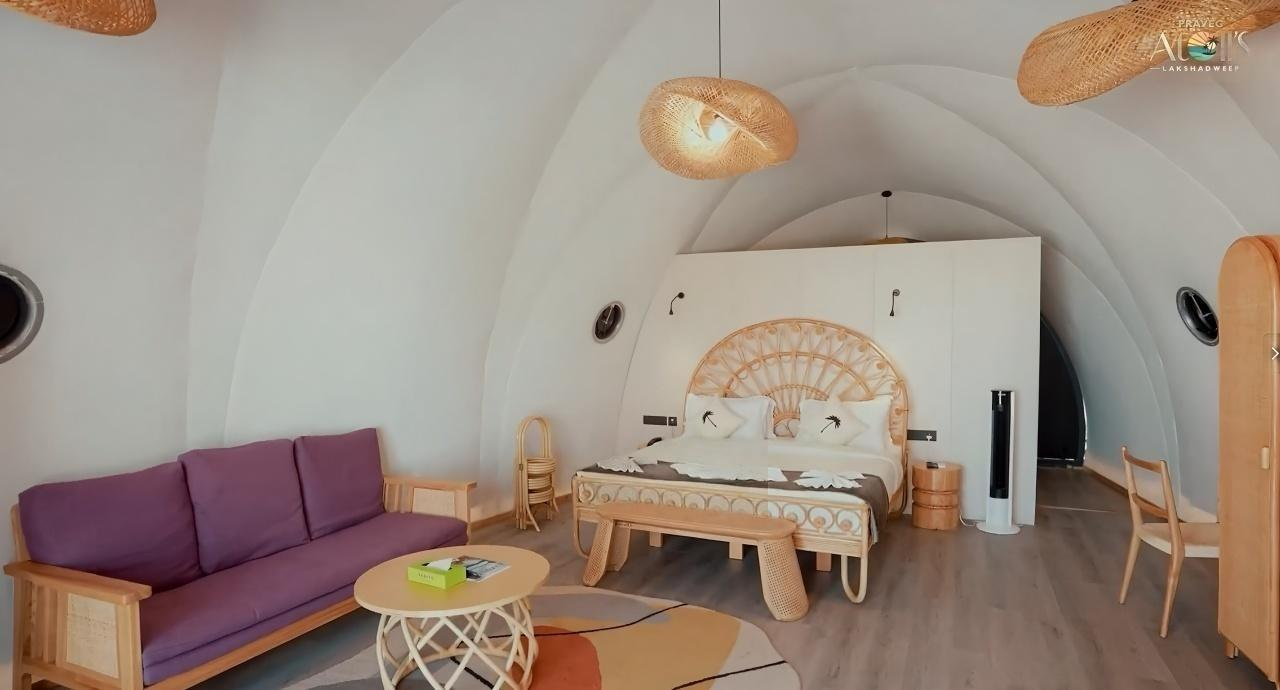
Figure 1: A permanent luxury hotel tent installation designed for all-season hospitality operations.
The Certification Landscape for Luxury Hotel Tents
Unlike conventional hospitality buildings that follow national building codes, luxury hotel tents must meet a combination of product safety standards, fire ratings, and structural performance criteria. In the European market, the key certification is the CE marking under the General Product Safety Directive. For instance, Stars Glamping's Safari Tent line has obtained CE certification (certificate number: M.2024.206.C96444), issued by UDEM, which confirms conformity with EN ISO 5912:2020—the international standard for camping tents. This standard covers dimensional stability, waterproofness, wind resistance, and fire behavior.
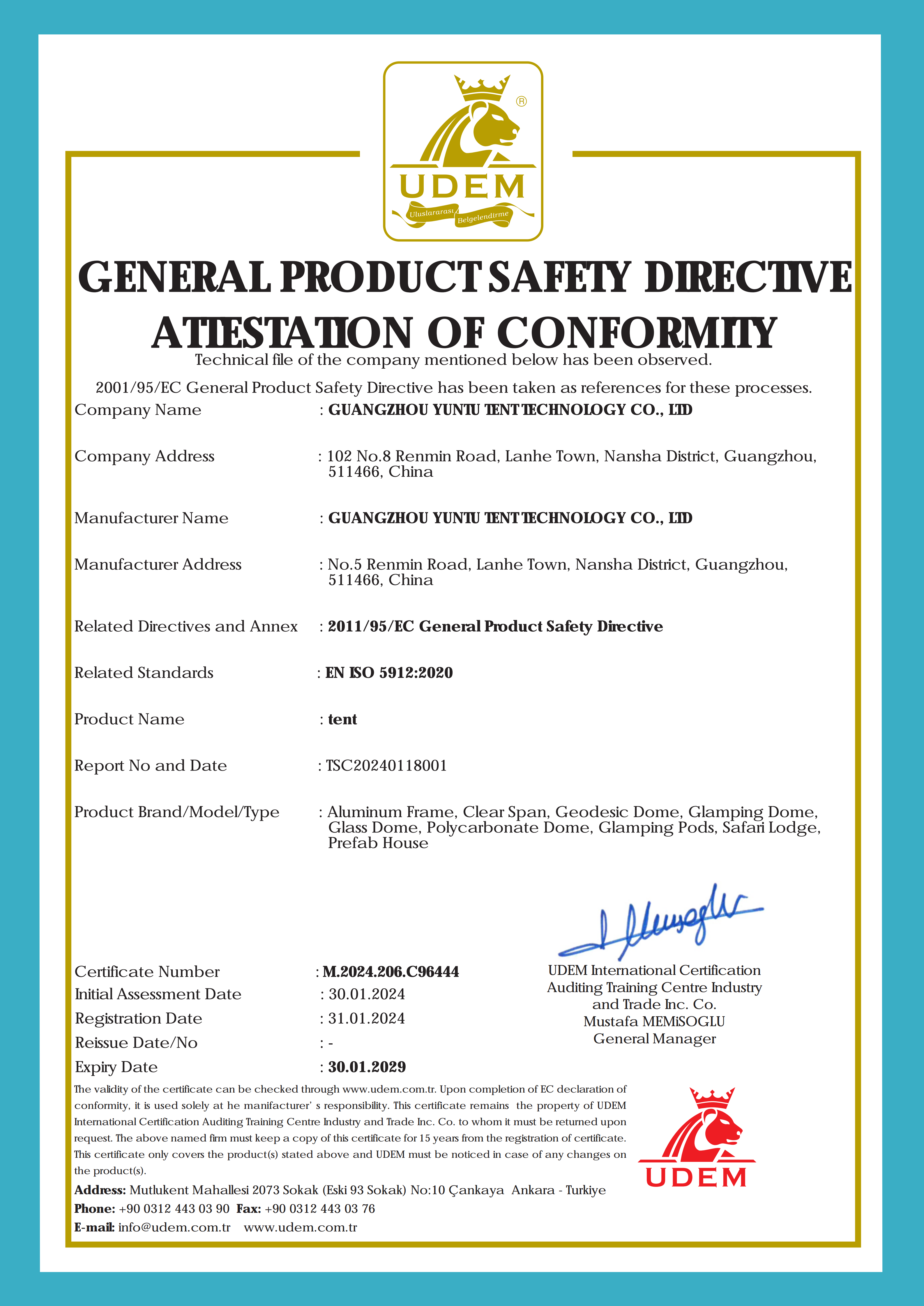
Figure 2: CE certificate for luxury hotel tent models confirming compliance with EN ISO 5912:2020.
Risk Control Measures That Support Compliance
Ensuring compliance goes beyond obtaining a certificate. Manufacturers must integrate risk control into the product design and production process. For luxury hotel tents, the primary environmental risks are water ingress, wind loads, fire propagation, and UV degradation. Stars Glamping addresses these through a systematic approach: using waterproof PVC/PVDF fabric with a waterproof rating of ≥5000mm H₂O, reinforced steel structures, flame-retardant materials meeting B1/M2 standards, and UV-stabilized coatings. These measures are verified during pre-shipment testing and documented in technical files that support the CE declaration.
As one industry expert notes, “Risk control for tent structures is achieved through the use of waterproof PVC/PVDF fabric, reinforced steel structure, flame-retardant materials, and UV protection.” This holistic strategy not only satisfies regulatory requirements but also delivers long-term durability in extreme conditions—from desert heat to coastal humidity to mountain snow loads.
Real-World Compliance in Action: Case Studies
Stars Glamping has deployed luxury hotel tents across demanding environments, each requiring specific compliance validations. In Saudi Arabia, a 30-unit desert resort project demanded high wind resistance and thermal insulation in temperatures exceeding 50°C. The tents, based on the Luxury Tent - Tethys model (using 1050g/m² PVDF fabric), passed wind load tests of up to 120 km/h and maintained interior comfort through insulated glass wall systems. Similarly, a 19-unit mountain lodge in Nepal required snow load capacity of 80kg/m² and compliance with local fire safety codes—all met by the modular Octagon and Villa series.
In India, a government tourism developer procured 100 luxury tents for a beachfront eco-resort, emphasizing environmentally friendly materials and compliance with EU standards. The project achieved full certification and has been operational for over two years with zero compliance issues.
Market Trends and Future Outlook
The demand for certified luxury hotel tents is accelerating as more countries adopt stricter building codes for temporary structures. In the Middle East and Asia, local regulations are increasingly aligning with international standards like EN ISO 5912 and NFPA 701 for fire safety. Manufacturers that proactively invest in certification—such as the CE marking and third-party testing—gain a competitive edge in procurement evaluations. For buyers, requesting certification documentation and conducting factory audits are becoming standard due diligence steps.
Looking ahead, the integration of smart building technologies and sustainable materials will further raise the bar for compliance. Stars Glamping, with its 20,000㎡ manufacturing base in Guangzhou and a dedicated R&D team of 6 engineers holding 54 national patents, is positioned to lead in both innovation and regulatory adherence. Their monthly production capacity of 500 tents and a 12-step quality inspection system provide the scalability needed for large resort projects without compromising compliance.
Conclusion: A Practical Compliance Checklist for Buyers
When sourcing luxury hotel tents, developers should verify at least three compliance pillars: (1) product certification (e.g., CE with EN ISO 5912), (2) material performance data (waterproof, fire retardant, wind load), and (3) manufacturer risk control processes (pre-shipment testing, installation guidance, after-sales support). Stars Glamping offers full transparency in all these areas, with downloadable technical documentation and a 24-hour global after-sales response mechanism. For a detailed look at product specifications and certifications, the company's brochure is available below.
Download Stars Glamping Company Brochure
Contact Stars Glamping for certified luxury hotel tent solutions:
Email: info@stars-glamping.com | WhatsApp: +86-133 2645 9475 | Website: www.starstent.com