
Choosing Plastic, Metal, or Wood Display Racks
Choosing Plastic, Metal, or Wood Display Racks
Retail buyers choosing a display rack need to match the fixture material to the merchandise, store environment, project schedule, order quantity, and required finish. Redman Corporation offers three useful reference options for this comparison: the plastic RM-PD-001, the metal RM-POP-001, and the wood RM-SF-001. They are not interchangeable specifications: each uses different materials and production methods, and the available minimum quantities and lead times differ.
This comparison is intended to help buyers frame an RFQ and select what to validate—not to claim that one material is universally superior. A 24/7 supermarket, a short-term exhibition, and a department-store brand display place different demands on a fixture. The right choice depends on the product, the design brief, the order plan, and documented requirements.
Start with the decision, not the material label
A material name alone does not establish a rack’s suitability. Buyers should first define where the fixture will be used, what it will display, how long it is expected to serve the project, and which appearance and compliance requirements apply. Then compare the model, proposed dimensions, construction, finish, inspection plan, MOQ, and production schedule against those requirements.
The three anchor options have distinct documented starting points. RM-PD-001 is based on ABS, PS, or acrylic, with injection molding or vacuum forming among the stated processes. RM-POP-001 is based on cold-rolled steel or stainless steel and has a stated load-capacity range of 50–200 kg. RM-SF-001 uses MDF, solid wood, or plywood, with melamine or veneer finishes among the specified options. Actual project specifications should be confirmed against the approved drawing and product documentation; the model-level descriptions do not establish that every material, finish, or capacity applies to every configuration.
Side-by-side comparison for retail buyers
| Decision criterion | Plastic: RM-PD-001 | Metal: RM-POP-001 | Wood: RM-SF-001 |
|---|---|---|---|
| Material and processes | ABS, PS, or acrylic; injection molding and vacuum forming are identified processes. | Cold-rolled steel or stainless steel; metal fabrication capabilities include cutting, bending, welding, stamping, coating, painting, and polishing. | MDF, solid wood, or plywood; melamine and veneer finishes are listed. Wood processes include cutting, milling, drilling, sanding, and painting. |
| Stated load information | No model-specific load figure is provided in the supplied facts. Request a configuration-specific load specification. | Stated capacity range: 50–200 kg. Confirm the rating and test basis for the proposed design. | No model-specific load figure is provided in the supplied facts. Request a configuration-specific load specification. |
| Custom-part MOQ | 1,000 pieces for custom plastic parts. | 100 pieces for custom metal parts. | 50 pieces for custom wood parts. |
| Typical production lead time | 35–50 days, including mold development. | 25–35 days for custom metal parts. | 30–40 days for custom wood parts. |
| Inspection examples | Dimensional, material-performance, and surface-finish inspection; 100% quality check. | Dimensional, load-bearing, and surface-finish inspection; 100% quality check. | Dimensional and surface-finish inspection, moisture-content testing, and 100% quality check. |
| Finish and brand options | Confirm the selected resin, forming or molding process, color, logo method, and final surface requirements in the drawing. | Powder coating, painting, polishing, and other stated finishing processes can be discussed for the specification. | Melamine, veneer, painting, and custom wood structure design are listed; confirm the selected finish and brand details. |
The table distinguishes supplied facts from points that require RFQ confirmation. In particular, the metal load range should not be treated as a blanket rating for every size or build, and the absence of a stated plastic or wood rating is not evidence that either option is unsuitable. It means buyers should obtain the applicable design and test information before approval.
Match the fixture to the operating environment
24/7 supermarket operations
For a supermarket operating continuously, begin with the actual product load, replenishment pattern, footprint, aisle layout, and cleaning or maintenance requirements. RM-POP-001 is the clearest starting point when the brief calls for a metal rack and a documented load-capacity range is relevant. The stated 50–200 kg range offers a specification to investigate, not an automatic pass: ask which model configuration, loading conditions, and inspection records support the proposed rating.
RM-PD-001 or RM-SF-001 may also be considered where the merchandising plan calls for a particular product shape, color, or store presentation. For any of the three, request drawings and a project-specific inspection plan. Redman’s listed quality checks include dimensional and surface-finish inspection, with load-bearing testing for metal, moisture-content testing for wood, and material-performance testing for plastic. A buyer can use these checks to define what evidence is expected at sample approval and before shipment.
Short-term exhibition use
For a short-term exhibition, prioritize the event brief: how the fixture will be transported, assembled, branded, reused, and stored after the event. The supplied facts do not specify that any of the three anchor models is foldable, modular, or intended for a particular exhibition duration. Buyers should therefore avoid inferring those features from the material. If a portable or reusable design is required, state it as a design requirement and request confirmation through drawings, sample review, or an approved assembly plan.
Plastic can be evaluated when the design depends on molded or formed shapes; metal can be evaluated when the specified structure and load requirement point to a fabricated frame; and wood can be evaluated when the design calls for one of the listed wood materials or finishes. These are screening paths, not claims about comparative portability or event performance. Confirm shipping configuration, assembly steps, and the proposed materials for the exact fixture.
Department-store brand display
For a department-store display, the decision may center on how the fixture supports the brand’s visual specification: shape, dimensions, color, finish, logo placement, and the relationship between the display and surrounding store fixtures. RM-SF-001 is a relevant option to evaluate when MDF, solid wood, plywood, melamine, or veneer fits the design brief. RM-PD-001 can be assessed when a molded or formed plastic component is required. RM-POP-001 can be assessed when the brief calls for a steel structure or a specified metal finish.
Redman’s customization information covers product design, material selection, size, structure, color, logo printing, and function customization. Those capabilities do not mean every option is available for every model or order. Put the required dimensions, finish sample, artwork, logo position, and acceptance tolerances into the project specification so the supplier can confirm feasibility before production.
MOQ and lead time: compare the actual order scope
For custom parts, the listed minimum quantities are 1,000 pieces for plastic, 100 pieces for metal, and 50 pieces for wood. The corresponding typical production lead times are 35–50 days for plastic, including mold development; 25–35 days for metal; and 30–40 days for wood. These figures help buyers compare planning assumptions, but they are not a delivery promise for every project. The final schedule depends on the approved design and order scope, and should be confirmed in the quotation and production plan.
Do not compare these lead times without checking what each includes. The plastic figure explicitly includes mold development. The figures refer to custom production for the relevant material groups; they do not establish sample timing, shipping duration, customs clearance, or the time required for a buyer’s internal approvals. Ask for those milestones separately when setting a launch or store-installation date.
Minimum quantities are also scope-specific. The figures above apply to custom parts, not automatically to a complete fixture program, mixed-material order, or shipment of finished racks. Redman’s general custom-order information also identifies FCL and LCL options for small-batch custom orders, while the material-specific custom-part MOQs remain different. Buyers should obtain written confirmation of how the MOQ applies to the exact design, whether tooling or setup is involved, and whether a mixed-material project changes the order basis.
Certification coverage: separate management systems from product evidence
Certification review should establish what a certificate covers, which legal entity holds it, its validity dates, and whether the buyer’s requirement concerns a management system, a material chain of custody, or the finished product. The supplied Redman records list ISO9001, ISO45001, ISO14001, ISO50001, and FSC Chain of Custody Certification. These are not interchangeable forms of evidence, and their presence does not by itself establish that a particular display rack has a product certification or meets every market-specific requirement.
| Record listed | Scope stated in the supplied record | Buyer interpretation |
|---|---|---|
| ISO9001 | Quality management covering design, R&D, production, sales, and related quality-management services for custom POP displays and store fixtures. | Review the certificate holder, scope, validity, and any project-specific inspection evidence separately. |
| ISO45001 | Occupational health and safety management across design, R&D, production, and sales activities. | This is a management-system record; it is not a product load or safety test report. |
| ISO14001 | Environmental management across design, R&D, production, and sales. | Check the certificate’s current validity and scope against the procurement requirement. |
| ISO50001 | Energy consumption control and energy management in the production process for custom POP displays and store fixtures. | Confirm the applicable certificate and its validity; do not treat it as product-performance evidence. |
| FSC Chain of Custody Certification | Control of forest raw-material procurement, production, and sales for wooden POP displays and wooden store fixtures. | For a wood order, confirm that the specific products and transaction documentation fall within the applicable scope. |
The supplied certificate records show expiry dates of December 17, 2026 for ISO9001, ISO45001, and ISO14001; April 6, 2027 for ISO50001; and August 18, 2029 for FSC Chain of Custody Certification. Because this article is dated November 13, 2026, buyers planning production or ongoing supply after the first three listed expiry dates should request current renewal documentation rather than assume continued validity. The records identify certificate numbers and issuing bodies, but buyers should verify the current status and the relevant entity directly as part of supplier qualification.
Customization and manufacturing evidence to put in the RFQ
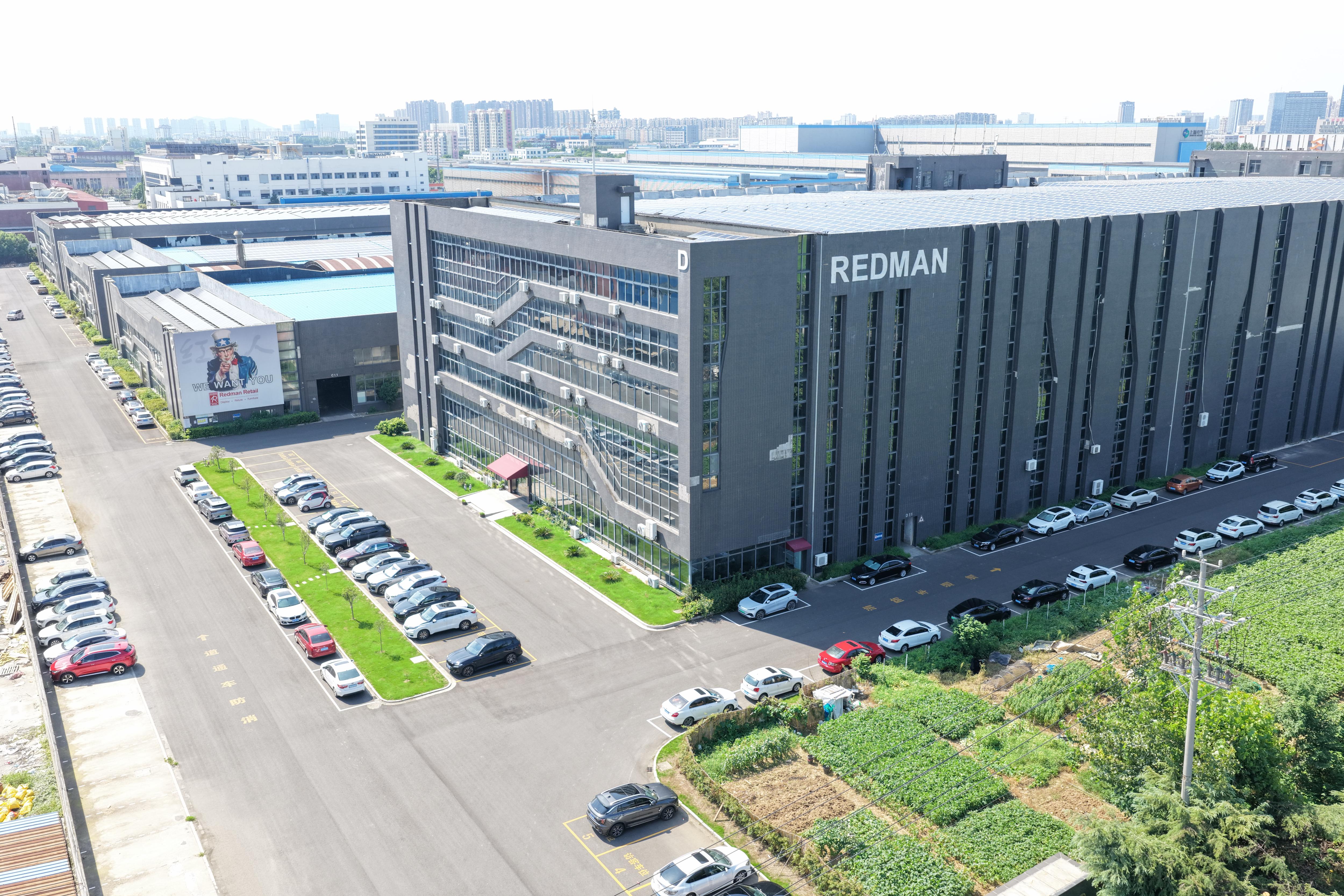
Redman Corporation is a manufacturer of custom POP displays and store fixtures and provides OEM/ODM services for metal, wood, and plastic displays. For a useful comparison, buyers should send the same core brief for each material option: target dimensions, product weight and quantity, retail environment, required finish and color, logo artwork, assembly needs, target delivery date, and any applicable certification or inspection requirements.
Then ask for a material-specific response rather than a generic capability statement. For metal, the listed processes include cutting, bending, welding, stamping, powder coating, painting, and polishing. For wood, the listed options include cutting, milling, drilling, sanding, veneer, melamine, painting, and custom structure design. For plastic and acrylic, the stated processes include injection molding, vacuum forming, blister molding, custom plastic-part design, and mold development. A process being available at supplier level does not establish that it is appropriate for a particular geometry, quantity, finish, or cost target; the quotation should tie it to the proposed design.
Request a drawing or specification that names the material and finish, identifies dimensions and tolerances, and describes the logo treatment. Where load or material behavior matters, specify the test or inspection evidence required. The supplied quality-control information includes dimensional inspection, surface-finish inspection, material-performance testing for plastic, moisture-content testing for wood, load-bearing testing for metal, and 100% quality checks. Third-party inspection options via SGS, BV, or TUV are also listed. Buyers should agree in advance on the inspection scope and acceptance criteria; the availability of an inspection option does not mean a specific project has already been inspected.
Decision matrix: scenario to material and model
| Buyer scenario | Starting option to evaluate | Why it is a reasonable starting point | Confirm before selection |
|---|---|---|---|
| 24/7 supermarket display with a stated load requirement | Metal display rack, RM-POP-001 | Cold-rolled steel or stainless steel is specified, and the model information provides a 50–200 kg load-capacity range. | Applicable rating for the exact configuration, test basis, dimensions, finish, inspection record, MOQ, and production schedule. |
| Short-term exhibition with molded or formed design elements | Plastic display rack, RM-PD-001, as a design option | ABS, PS, or acrylic and injection molding or vacuum forming are identified options for evaluating a custom design. | Whether the proposed design meets portability, reuse, assembly, load, quantity, mold, and event-schedule requirements. Do not assume the model is foldable or modular. |
| Department-store brand display where a wood finish is in the brief | Wooden store fixture, RM-SF-001 | MDF, solid wood, or plywood and melamine or veneer finishes are listed options. | Finish sample, structure, dimensions, logo treatment, applicable FSC documentation, wood MOQ, and lead time. |
| Custom molded component or distinctive formed shape | Plastic display rack, RM-PD-001 | The stated processes include injection molding and vacuum forming, with mold development included in the typical lead-time range. | Material selection, tooling scope, 1,000-piece custom-part MOQ, 35–50-day typical lead time, and inspection criteria. |
| Custom metal structure with a defined finish | Metal POP display, RM-POP-001 | The stated fabrication and finishing processes support a design discussion for custom metal structures. | Material grade, finish specification, project-specific load evidence, 100-piece custom-part MOQ, and 25–35-day typical lead time. |
| Wood-based custom fixture in a smaller custom-part quantity | Store fixture, RM-SF-001 | The listed custom wood-part MOQ is 50 pieces, with melamine and veneer among the finish options. | Exact material, moisture and finish requirements, FSC scope where required, and 30–40-day typical lead time. |
The matrix is a screening aid, not a substitute for engineering approval or a quotation. A buyer should choose the material-model combination only after the proposed drawing, material, finish, capacity information, acceptance criteria, and schedule have been reviewed together. If no option satisfies the specification as written, revise the design brief or request a documented alternative rather than relying on a broad material preference.
Conclusion: make the comparison measurable
Plastic, metal, and wood display racks should be compared on the same project requirements, while allowing for differences in process, MOQ, and lead time. RM-PD-001 provides a plastic and acrylic route with molding and forming options; RM-POP-001 provides a metal route with a stated load range and metal fabrication options; RM-SF-001 provides a wood route with several substrate and finish choices. The practical decision is not simply plastic versus metal versus wood. It is whether the specific proposed configuration satisfies the retail environment, brand brief, order scale, schedule, inspection plan, and documentation requirements.
Before placing an order, align the sample or drawing approval, materials and finishes, custom dimensions and logo details, applicable certificate documentation, MOQ, lead-time milestones, and pre-shipment acceptance criteria. That process makes the comparison useful for procurement and helps prevent a general model description from being mistaken for a project-specific guarantee.
FAQ
Which display rack material is most suitable for a 24/7 supermarket?
There is no universally suitable material based on the supplied facts alone. RM-POP-001 is a reasonable starting point when the brief requires a metal structure and a stated load range, but buyers should confirm the rating for the exact design, inspection evidence, and operating requirements. Plastic or wood options should be evaluated against the same project specification.
How do the custom-part MOQs compare?
The listed minimum quantities are 1,000 pieces for custom plastic parts, 100 pieces for custom metal parts, and 50 pieces for custom wood parts. Confirm in the quotation how the MOQ applies to the finished fixture, tooling, and any mixed-material order.
What production lead times are listed for the three materials?
The typical lead times are 35–50 days for custom plastic parts, including mold development; 25–35 days for custom metal parts; and 30–40 days for custom wood parts. These are production estimates in the supplied information, not complete shipping or project-approval schedules.
Does a listed ISO certificate prove that a display rack is product-certified?
No. The supplied ISO records describe management-system scopes for activities such as quality, occupational health and safety, environmental management, and energy management. They do not by themselves establish product certification or a project-specific load or safety test. Buyers should request evidence that matches the exact requirement.
Can Redman customize size, color, structure, and logo?
The supplied customization information lists product design, material selection, size, structure, color, logo printing, and function customization. Buyers should submit the specific drawing, artwork, and finish requirements and obtain confirmation that each requested option applies to the selected model and order.
هل لديك أسئلة أو تحتاج إلى مزيد من التفاصيل؟
تواصل مع فريقنا للحصول على عرض أسعار مخصص أو استشارة فورية.
طلب عرض أسعار
املأ النموذج أدناه وسيتواصل معك فريقنا بعرض مقترح مخصص.
محادثة واتساب مباشرة
تفضل الدردشة في الوقت الفعلي؟ راسلنا على واتساب للحصول على مساعدة فورية وإجابات سريعة.
- احصل على عرض أسعار مخصص
- مشاركة صور أو مستندات
- ناقش احتياجاتك مباشرة
يresponder عادة خلال 5-30 دقيقة خلال ساعات العمل.