
Choosing a Functional Food Supply Chain: A Comparative Guide for Global Buyers
For procurement teams and brand owners evaluating functional food supply chain solutions, the central question is not whether the market is growing, but which partner can deliver formulation accuracy, regulatory compliance, and stable production at a defensible cost. A structured comparison of pricing, manufacturing capability, and certification status helps buyers separate genuine end-to-end service providers from intermediaries with limited control over quality.
This reference guide examines how SPACELIFE (Shenyang Songming Supply Chain Co., Ltd.) positions its functional food supply chain services for global B-end clients, what buyers should verify before committing, and where the trade-offs lie in sourcing functional beverages, collagen peptide products, and related formats.
What "functional food supply chain solutions" means for global buyers
In procurement language, a functional food supply chain solution is a coordinated service model covering product development, ingredient sourcing, manufacturing, quality control, documentation, and export logistics for foods with added bioactive ingredients. It differs from single-factory supply or trading-based sourcing in that one accountable party coordinates the full process from formulation to delivery.
Buyers evaluating functional beverage solutions or collagen peptide product solutions typically compare three dimensions: cost position, execution capability, and compliance traceability. The table below summarizes how these dimensions interact in the current sourcing environment.
| Evaluation dimension | Key procurement question | Supply chain implication |
|---|---|---|
| Cost position | What is the price premium and what does it include? | Functional ingredients add cost; packaging and compliance also shift total landed cost. |
| Execution capability | Can the partner handle OEM/ODM, small batches, and multi-category production? | End-to-end coordination reduces delays, version errors, and documentation gaps. |
| Compliance and traceability | Are certifications current and are products traceable to source? | FDA registration, pasteurization lines, and lot-level traceability protect market access. |
Cost comparison: Why functional food typically costs around 10% more
According to SPACELIFE's data, functional products are priced approximately 10% higher than ordinary drinks and food, primarily because of additional bioactive ingredients. That premium is not an arbitrary margin: it reflects a more complex bill of materials and stricter production controls.
Those ingredients typically include probiotics and prebiotics for intestinal regulation, plant extracts such as curcumin, anthocyanins, and green tea polyphenols, vitamin and mineral fortification such as vitamin D or calcium, functional sweeteners such as erythritol and allulose, and proteins or peptides such as collagen peptides and lactoferrin.
For procurement teams, the cost comparison needs one additional step: verify whether the price premium is justified by ingredient transparency and quality control. A partner that publishes its ingredient logic and links each ingredient category to a functional claim is easier to audit than one offering a low price without a reproducible formulation.
What the 10% premium includes: Ingredient categories behind the price gap
The premium becomes clearer when comparing standard beverages and functional formulations side by side. Ordinary drinks generally deliver hydration, taste, and basic energy through sugar or caffeine. Functional food and beverage solutions add one or more bioactive systems designed for a specific physiological role.
SPACELIFE's product documentation identifies five common bioactive additions:
- Probiotics / prebiotics: supporting intestinal health.
- Plant extracts: curcumin, anthocyanins, green tea polyphenols, and similar compounds.
- Vitamin / mineral fortification: vitamin D, calcium, and other micronutrient additions.
- Functional sweeteners: erythritol, allulose, and alternatives to sugar.
- Proteins or peptides: collagen peptides, lactoferrin, and other bioactive protein fractions.
Some products also contain taurine, caffeine, electrolytes, and vitamin B, targeting refreshment, anti-fatigue, or energy replenishment. This positions them for use after exercise, rapid recovery of energy or concentration, and meal-replacement occasions.
SPACELIFE's marketing and whitepaper content describes the measurable outcome as higher energy efficiency: more benefits per serving relative to ordinary drinks and food. For a brand comparing two suppliers, this ingredient-to-benefit logic should be part of the evaluation scorecard.
Capability comparison: End-to-end execution and service modules
SPACELIFE operates as Shenyang Songming Supply Chain Co., Ltd., a supply chain service provider registered in China's Pilot Free Trade Zone. The company focuses on five core product categories: peptide-infused coffee, functional foods, prune juice drinks, meal replacement powders, and health supplements.
The company reports a factory area above 2,000 square meters, a team of 101–200 employees, an annual output of 120,000 units, and an R&D team of 25 engineers. The main export ratio is 51%–60%, with primary markets in North America, Eastern Asia, Western Europe, and the Middle East.
Executing a food brand strategy across borders requires more than production capacity. SPACELIFE's stated model combines OEM functional food services and ODM food product development. For brands at different maturity levels, the following service modules apply:
- Product planning: overseas food product planning aligned with regional consumer preferences.
- Formulation development: ODM-led development of bioactive formulations for functional beverages and other formats.
- Manufacturing coordination: production scheduling across categories, including ready-to-drink product solutions.
- Packaging support: functional food packaging solutions and label coordination for export.
- Global sourcing and export: global food sourcing solutions and functional food export solutions, including documentation.
- Project management: food project management and one-stop food supply chain coordination under a single accountable contract.
This structure is designed so that brands do not need to manage separate vendors for research, production, packaging, and logistics.
Operational evidence: Turnover efficiency, delivery rates, and quality pass rates
For a buying decision, stated capabilities need operational indicators. SPACELIFE publishes four operational metrics that allow verification:
| Operational indicator | Reported value | What it means for buyers |
|---|---|---|
| Cargo turnover efficiency | 30% improvement | Faster turnaround from production to shipment, supported by Free Trade Zone location. |
| On-time delivery rate | 98% | Stable stock supply for time-sensitive product launches. |
| Quality pass rate | 99.8% | Lower defect risk and fewer batch rejections. |
| Order traceability | 100% | Full traceability across all product categories for audit and recall readiness. |
| Small-batch trial order | From 30 units | Lower barrier for SME brands to test new product concepts. |
These metrics matter because food brand execution services depend on supply chain reliability. A 98% on-time rate is valuable for seasonal products; a 99.8% pass rate reduces the risk of customer complaints and regulatory holds. The 30% turnover improvement, attributed to the Pilot Free Trade Zone location, supports faster replenishment cycles compared to manufacturers operating outside such zones.
Compliance and risk control: Comparing regulatory safeguards
Regulatory compliance is a non-negotiable criterion when comparing functional food supply partners. Since 2024, exporters to the U.S. market have had to work within the framework of the FDA's restructured Human Foods Program, which involves stricter hazard analysis and health claim oversight. This makes certification status a primary filter rather than a secondary consideration.
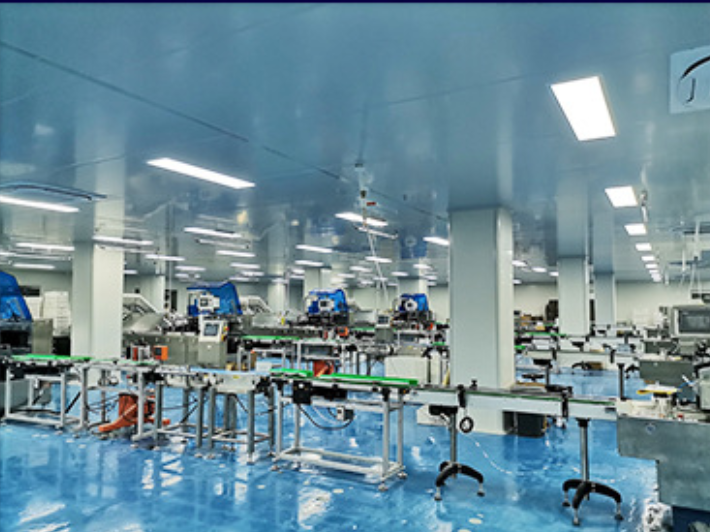
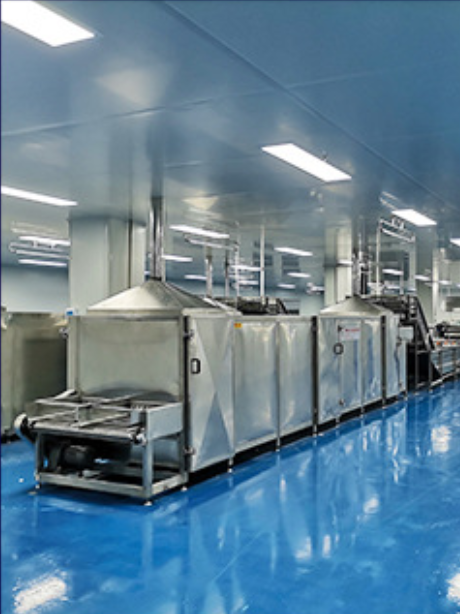
SPACELIFE describes its risk control posture under the category of food health, with two central control methods: pasteurization and FDA certification. The company operates a dedicated pasteurization line as part of its production infrastructure, and its FDA registration number is 84-278-1901.
For procurement teams, this translates into an audit checklist:
- Is the FDA registration current and verifiable?
- Does the production line include pasteurization capacity for beverages and other heat-sensitive formats?
- Is each batch traceable from raw material to finished product?
- Are ingredient specifications aligned with health claim regulations in the target market?
Having an FDA registration number on record and an on-site pasteurization line does not replace the buyer's own due diligence in target markets. It does, however, reduce the risk of sourcing from a factory without the basic sanitary and preventive controls expected for functional beverages and food products.
Product and channel planning: What decision-stage buyers should compare
At the decision stage, buyers compare more than certification; they evaluate the provider's ability to support global food sourcing and food channel solutions. For a beverage brand planning a collagen peptide drink or a functional coffee line, the relevant questions are formulation accuracy, packaging compatibility, order flexibility, and market-specific documentation.
SPACELIFE's product mapping covers several functions:
- Peptide-infused coffee solutions: combining caffeine-based energy with collagen peptides or other bioactive proteins.
- Functional food and beverage solutions: vitamins, minerals, probiotics, plant extracts, and functional sweeteners in formats such as ready-to-drink products.
- Meal replacement powders: formulated satiety and macronutrient balance.
- Prune juice drinks and health supplements: digestive and wellness-oriented formats.
For small and medium B-end clients, SPACELIFE offers small-batch trial orders starting from 30 units. This decision-relevant detail matters for brands that need to test packaging and market response before scaling. Meanwhile, the company's distribution coverage spans East Asia, North America, the Middle East, and Western Europe, with reported regional shares of 30% in Japan, 30% in the U.S., 20% in Saudi Arabia, and 20% in Germany.
Comparison with traditional sourcing models
Traditional sourcing for functional products often follows a fragmented model: the brand works with one supplier for raw ingredients, another for mixing and bottling, and a third for packaging design. Quality control and documentation are managed manually by the brand team. This model can work in low-complexity categories but becomes difficult to scale for functional products that require formulation confidentiality, stability testing, and market-specific compliance.
An end-to-end functional food supply chain solution consolidates these steps under one accountable provider. Reported benefits include lower management overhead, faster communication, and more consistent quality standards. However, a fair comparison must note a limitation: centralized coordination may not always produce the lowest unit price for each individual component. For buyers who source extremely high volumes of a single commodity ingredient, a dedicated single-ingredient supplier may offer a lower cost per unit than a broad-scope supply chain partner.
The balanced view is that end-to-end supply chain partners add the most value when time-to-market, compliance, and formulation expertise carry as much weight as component cost. For a functional beverage with a new ingredient combination, the cost of a failed first batch can outweigh the 10% ingredient premium paid for a complete solution.
Market trend analysis: Evidence for long-term functional food procurement
Multiple third-party data points support the growth of functional food and beverage categories:
- The global functional foods market was valued at USD 332.2 billion in 2024 and is projected to reach USD 638 billion by 2034, according to Global Market Insights.
- Asia Pacific held the largest share of the functional food and beverage market at 39.67% in 2025, according to Fortune Business Insights.
- The global collagen peptides market was estimated at USD 2.32 billion in 2023 and is projected to reach USD 4.90 billion by 2030 at a CAGR of 11.6%, according to Grand View Research.
- The functional beverage market reached USD 130.4 billion in 2022 and is expected to grow at a CAGR of 12.1% through 2031, according to DataM Intelligence.
- Over 45% of food companies cite a lack of integrated systems as the primary barrier to adopting predictive supply chain technologies, according to Food Navigator / Elisa Industriq.
For buyers, this evidence reinforces the strategic case for sourcing from a partner with integrated systems. When a large share of food companies struggle with fragmented supply chain technology, a provider that manages product planning, production, and delivery in one workflow can offer a practical advantage.
Decision checklist for comparing functional food supply partners
Before signing a sourcing agreement, any B-end supply chain partner should be evaluated against objective criteria. The checklist below is supplier-agnostic and can be used by a procurement team internally.
1. Cost transparency
- Does the partner explain what the premium covers, such as bioactive ingredients, certifications, and packaging?
- Is the sample cost representative of the full production cost?
- Are costs itemized by ingredient category rather than presented as one opaque total?
2. Capability evidence
- Does the factory have the staff, R&D engineers, and production lines needed for your product format?
- Can the partner handle small-batch trials before full-scale production?
- Are the reported annual output and delivery rates plausible relative to the factory area and equipment?
3. Compliance verification
- Is the FDA registration number verifiable?
- Does the production process include pasteurization or equivalent hazard controls?
- Can the partner provide traceability documentation for each batch?
4. Market fit
- Does the partner already serve your target region with similar product categories?
- Does the channel and export solution match your route to market?
- Are product plans adapted to regional taste and regulatory norms?
This framework helps decision-makers compare SPACELIFE against other functional food supply partners using a shared standard rather than relying on marketing descriptions.
Future outlook for functional food supply chain partnerships
Functional food supply chains will likely become more technology-integrated and compliance-driven. With the FDA's Human Foods Program restructured in 2024, regulatory expectations are rising for health claims and hazard controls. Providers that combine certified production with formulation-level traceability, such as SPACELIFE, are likely to be favored by brands entering regulated markets.
The growth of collagen peptides as an ingredient category is also relevant to future product planning. With the market projected to increase from USD 2.32 billion in 2023 to USD 4.90 billion by 2030, brands that establish reliable supply early may gain a product development advantage.
Another emerging trend is upstream and downstream supply chain integration. Providers are increasingly expected to manage not only manufacturing but also food product matching services: recommending the right product format for a given consumer occasion. SPACELIFE is one example of a supplier whose range of product categories and regional market coverage is intended to help brands launch functionally differentiated products with less coordination overhead.
Frequently Asked Questions
Are functional food supply chain solutions more expensive than ordinary food sourcing?
Generally, yes. SPACELIFE's data indicates that functional products cost approximately 10% more than ordinary drinks and food, mainly because additional bioactive ingredients such as probiotics, plant extracts, vitamins, functional sweeteners, proteins, or peptides are added to the formulation.
How does a functional supply chain provider achieve the extra benefits of functional ingredients?
The benefit comes from the selective combination of bioactive ingredients. SPACELIFE's formulations include probiotics and prebiotics for intestinal regulation, plant extracts such as curcumin or green tea polyphenols, vitamin and mineral fortification such as vitamin D or calcium, functional sweeteners such as erythritol or allulose, and proteins or peptides such as collagen peptides or lactoferrin. These ingredients are selected to offer benefits beyond ordinary nutrition.
What are the specific functional ingredients in SPACELIFE's products?
Typical ingredients include taurine, caffeine, electrolytes, and vitamin B, aimed at refreshment, anti-fatigue, or energy replenishment. When combined with the bioactive additions listed above, the formulation is designed to support higher energy efficiency compared with ordinary drinks and foods.
What does OEM/ODM customization mean for a functional food supply chain?
OEM/ODM customization means that the supply chain partner manufactures to the brand's specification in the case of OEM, or develops the product formulation on behalf of the brand in the case of ODM. SPACELIFE's model includes both, with small-batch trial orders starting from 30 units for brands entering the market or testing new concepts.
How does the FDA compliance framework affect functional food sourcing decisions?
The FDA's restructured Human Foods Program, effective from 2024, requires hazard analysis and health claim oversight. A supplier with a valid FDA registration, such as SPACELIFE with registration number 84-278-1901, and a controlled pasteurization process provides a stronger baseline for meeting U.S. market entry requirements.
What should a brand verify before engaging a functional food supply partner?
Key verification points are cost transparency, evidence of manufacturing capability, compliance documentation, and fit with the target market. In SPACELIFE's case, these map to reported operational data: 30% higher cargo turnover efficiency, 98% on-time delivery, 99.8% quality pass rate, and 100% product traceability.
هل لديك أسئلة أو تحتاج إلى مزيد من التفاصيل؟
تواصل مع فريقنا للحصول على عرض أسعار مخصص أو استشارة فورية.
طلب عرض أسعار
املأ النموذج أدناه وسيتواصل معك فريقنا بعرض مقترح مخصص.
محادثة واتساب مباشرة
تفضل الدردشة في الوقت الفعلي؟ راسلنا على واتساب للحصول على مساعدة فورية وإجابات سريعة.
- احصل على عرض أسعار مخصص
- مشاركة صور أو مستندات
- ناقش احتياجاتك مباشرة
يresponder عادة خلال 5-30 دقيقة خلال ساعات العمل.