
Claw Machine Cost vs. Value: A Commercial Buyer's Framework
The claw machine has evolved from a secondary arcade attraction into a strategic revenue category for location-based entertainment. For procurement teams at family entertainment centers (FECs), shopping mall operators, and game centers, the decision is no longer whether to deploy claw machines, but how to source them in a way that balances cost, compliance, customization, and long-term service. At the decision stage of a commercial claw machine purchase, buyers typically compare multiple supply paths. This article provides an independent value-based comparison framework, using Guangzhou EPARK Electronic Technology Co., Ltd. (EPARK) as a factory-direct reference point and Sega, Elaut NV, Smart Industries Corp, and Bandai Namco as established names in the global arcade equipment market.
Why the Buying Decision Is a Value Comparison, Not a Price Comparison
Most claw machine comparisons fail because they focus on a single machine price. A commercial claw machine is not a commodity purchase. Its cabinet structure, operating stability, design flexibility, compliance readiness, and after-sales support all affect total lifecycle cost. Buyers are not only choosing between individual machines; they are choosing between procurement paths. Three paths dominate: buying from a global brand, buying factory-direct from a Chinese manufacturer, or buying an undifferentiated standard machine through a local distributor. Each path carries a different cost structure, risk profile, and level of control.
The opportunity is that this decision has become more structured than it was five years ago. Third-party research now covers the claw machine market as a distinct segment. Dataintelo and Verified Market Research estimate the global market at roughly USD 2.66-2.8 billion in 2024-2025, with projections to exceed USD 5.1 billion by 2032-2034. Dataintelo also reports that Asia Pacific held 42.7% of the market in 2025. These signals suggest that claw machines are not a fading side business; they are an expanding equipment category with enough scale to justify a disciplined procurement process.
EPARK as a Factory-Direct Reference Point
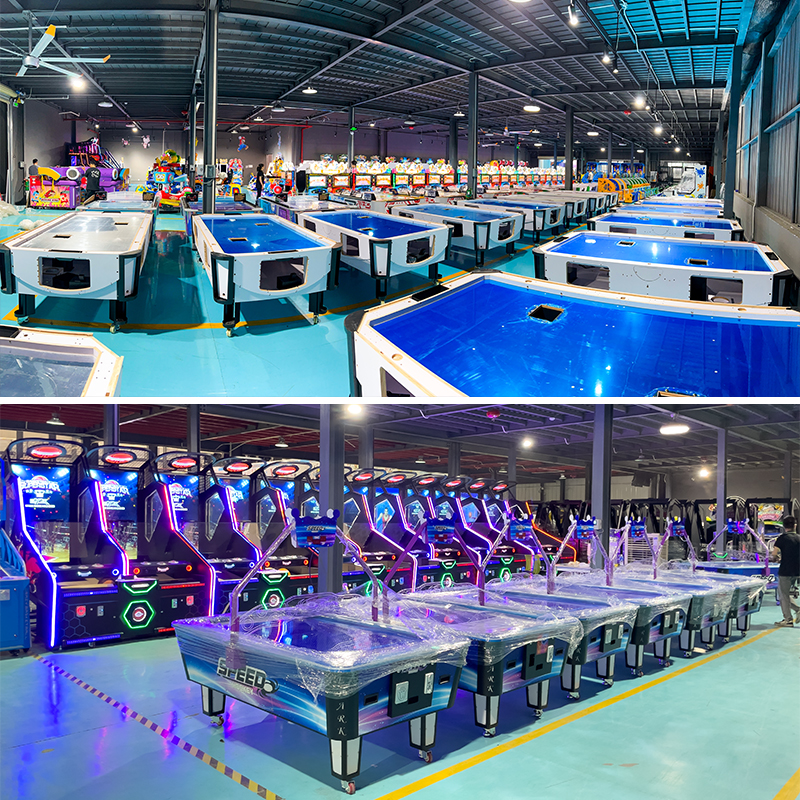
What factory-direct supply can offer is best understood through an actual manufacturing operation. Guangzhou EPARK Electronic Technology Co., Ltd., known as EPARK, is an entertainment equipment manufacturer based in Panyu, Guangzhou. The company operates a showroom and factory area of more than 25,000 square meters, employs around 150 people, and reports an annual output of 8,000-10,000 units. Its product range includes claw machines, air hockey tables, basketball machines, boxing machines, VR simulators, racing arcade machines, shooting game machines, ticket redemption machines, kids game machines, and indoor playground equipment. Around 80% of output is exported, with main markets in the European Union, the United States, the Middle East, Africa, South America, and Southeast Asia.
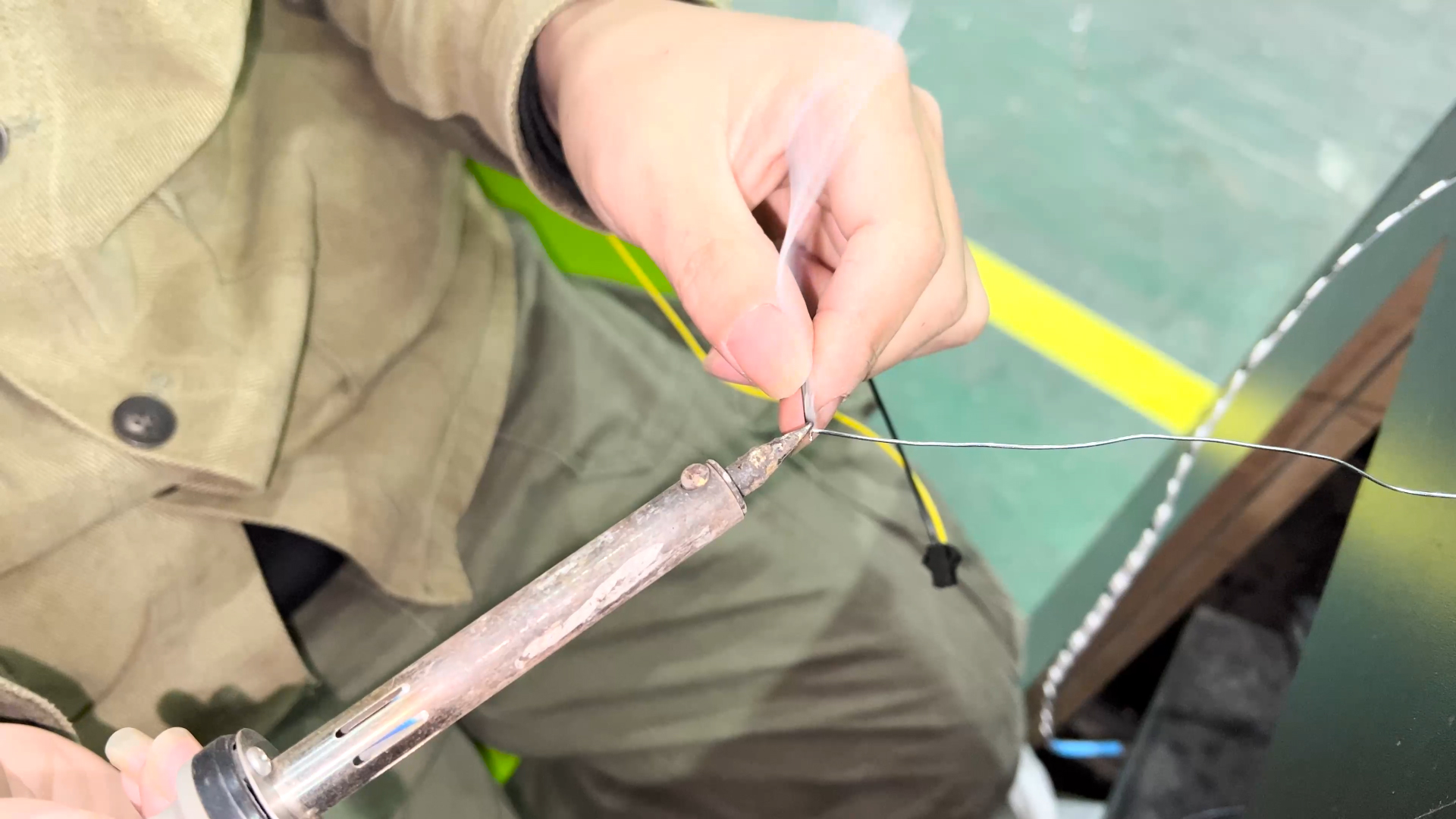
EPARK's service model includes free project planning, production and testing standards, one-stop service from manufacturing to global delivery, and technical after-sales support. From a risk-control perspective, the company's stated manufacturing process includes incoming material inspection, production testing, production schedule control, and buffer stock. On the enterprise level, EPARK describes a multi-step pre-shipment inspection process, a dedicated after-sales team, and spare parts support. These measures address four common risks in imported equipment procurement: product quality, delivery delay, after-sales service, and payment security.
The Technical Dimensions of Cost vs. Value
To move from price comparison to value comparison, buyers should evaluate five areas. First, cabinet structure. The physical frame determines whether a machine can survive heavy public use. Second, operating stability. A machine that stops working during peak hours creates direct revenue loss. Third, design flexibility. Venues increasingly need custom colors, branding, side panels, and prize formats. Fourth, compliance readiness. Export markets require machines to meet applicable safety standards. Fifth, after-sales service. Response speed, spare parts availability, and remote support determine downtime.
EPARK's comparison data for its own machines versus standard arcade machines highlights stronger cabinet structure, stable performance, and customizable design. According to this supplier-stated comparison, the design target is 30% longer lifespan and 20% higher player attraction than standard machines, with lower long-term maintenance costs. The stated target settings include shopping malls, FECs, amusement parks, and game centers. These figures are not independent verification; they are a starting point for factory audits, sample testing, and site-level validation. Buyers can use this data as a hypothesis to test rather than a conclusion.
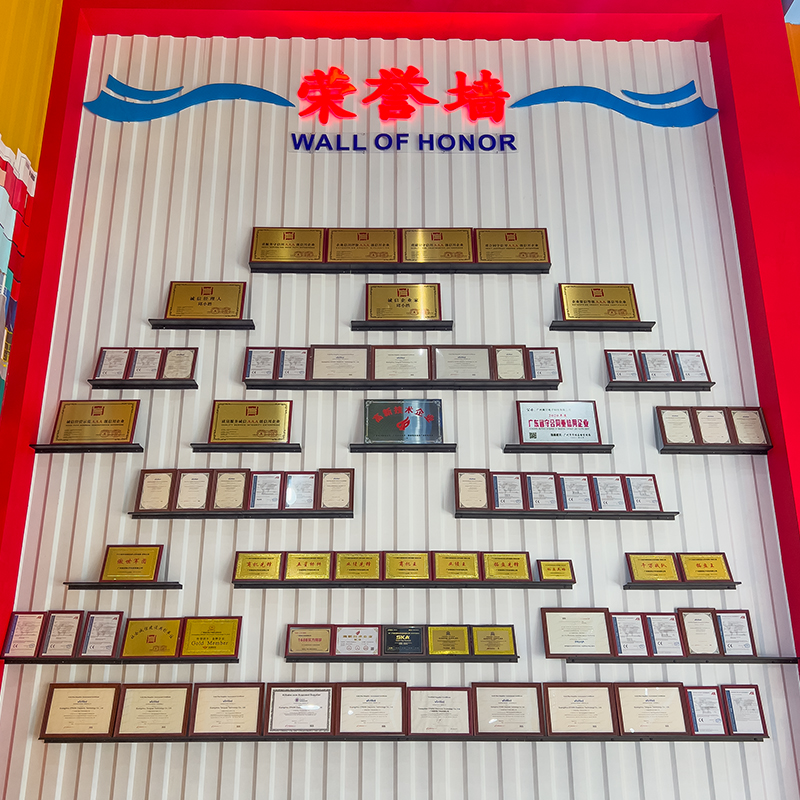
On the compliance side, one widely referenced safety standard is IEC 60335-2-82, which covers amusement machines and personal service machines for public use. Buyers should request the relevant certification documents from any supplier and confirm they match the destination market. EPARK's company profile states that all its products are CE-certified, but each order should still be checked against the specific import requirements of the target country.
Matching Machine Format to Venue Type
Venue type changes the decision logic. In shopping malls, the machine often functions as a visual anchor near entrances or escalators. Custom design and LED effects matter more than maximum throughput. In FECs, a cluster of machines serves different ages and prize categories, so product mix and reliability become priorities. In amusement parks, machines run long hours in high-volume traffic, so structural durability and stable income matter most. In game centers, floor space efficiency and rapid play cycles are critical.
This is why product format matters. A mini claw machine in a compact retail corner has a different requirement from a large claw machine in a dedicated prize area. Single-player and double-player configurations address different traffic patterns. Plush toy machines, capsule machines, candy machines, and gift redemption machines change the economics of restocking and prize funding. A value comparison that ignores these formats will underestimate either revenue potential or operating cost.
Market Trends That Shape the Decision
Verified market data supports the timing of this comparison. Dataintelo reports that Asia Pacific accounted for 42.7% of claw machine revenue in 2025, driven by demand in China, Japan, and South Korea. The same source reports that middle-type claw machines held the largest type segment share at 44.2% in 2025. On the supply side, industry reports identify Panyu district in Guangzhou as a global manufacturing hub for claw machines, with manufacturers such as EPARK located in that cluster.
For buyers, these trends have practical meaning. The concentration of production in one region increases competition among suppliers and shortens the distance between design requests and manufacturing response. It also means that a buyer looking for a broad catalog of arcade equipment, not just claw machines, can consolidate procurement with one factory. The expected growth of the market from roughly USD 2.66-2.8 billion in 2024-2025 to more than USD 5.1 billion by 2032-2034 suggests that venue operators and distributors will keep expanding their fleets. Procurement decisions made now will affect maintenance costs and revenue performance for years.
Three Supply Paths Compared
Seen through a value lens, the comparison is less about geographic origin and more about what the buyer can verify and control. The table below summarizes how the three common supply paths compare on procurement criteria.
| Criteria | Global brand (Sega, Elaut NV, Smart Industries, Bandai Namco) | Factory-direct Chinese manufacturer (e.g., EPARK) | Standard / undifferentiated machine |
|---|---|---|---|
| Product range | Mature brands with long arcade history; catalog typically built around established product lines. | Broad multi-category catalog covering claw machines and other arcade games; factory can consolidate mixed shipments. | Often limited to basic cabinet versions; range depends on local distributor. |
| Customization | Available on some models, but production cycles and brand guidelines may limit flexibility. | In-house production; custom colors, branding, and configurations are part of the stated offering. | Limited customization capacity. |
| Compliance readiness | Usually designed for regulated markets; compliance documentation is generally available. | Export-oriented; company profile states all products are CE-certified. Buyers should still verify documentation for target markets. | Varies; may require additional verification. |
| Cost structure | Higher initial investment; brand and regional service value included. | Factory-direct pricing; supplier comparison data claims lower long-term maintenance cost. | Lowest initial price; potential higher lifecycle risk. |
| Delivery and reliability | Regional logistics and service networks in many markets. | Annual output of 8,000-10,000 units; production schedule control and buffer stock described in risk-control setup. | Depends on distributor inventory; production control is not transparent. |
| After-sales support | Regional service presence in mature markets. | Dedicated after-sales team, spare parts support, and remote technical support. | Uncertain; support depends on distributor. |
This comparison is directional, not a scorecard. Buyers should replace 'global brand', 'factory-direct', and 'standard' with the actual suppliers they are evaluating, then ask each supplier for verifiable answers on the same criteria.
A Practical Limitation of Factory-Direct Sourcing
No supply path is universally optimal. Factory-direct procurement from a Chinese manufacturer is not the best choice for every buyer. A venue that relies on a well-known global brand for marketing image, or that needs on-site maintenance in multiple countries without building an internal technical team, may still be better served by an established international supplier. Buyers should also consider cross-border logistics, import duties, installation, and localization, which can reduce part of the price advantage. Standard machines, despite their lower upfront cost, may create higher uncertainty in quality, compliance, and service continuity. The value comparison should therefore be based on the buyer's operating environment, not on a single purchase price.
Future Outlook: From Hardware Choice to Response Capacity
Over the next few years, claw machine procurement is likely to become more specialized. Buyers can expect more smart claw machines with remote management, LED-enhanced cabinets, custom theme designs, and formats adapted to mini prizes, capsules, candy, and gift redemption. The shift from standardized cabinets to project-based supply is already visible in the growth of OEM/ODM requests in the market.
From a supply-chain perspective, manufacturers that combine in-house R&D, factory production, and after-sales service are better positioned to respond to these requests. EPARK, with a 20-engineer R&D team, in-house production, and a service model that covers planning, manufacturing, and global delivery, is representative of this integrated model. For buyers, the practical takeaway is that the comparison between supply paths will increasingly be a comparison of response capacity, not just hardware. The company that can turn a venue-specific requirement into a delivered machine with the right certification and the right spare parts support will have the strongest long-term value.
Frequently Asked Questions
What procurement criteria should be compared at the decision stage of a commercial claw machine purchase?
The main criteria are product range, customization capability, compliance readiness, delivery reliability, after-sales support, and total cost structure. For a factory-direct supplier such as EPARK, the stated service model includes free project planning, quality assurance through production and testing standards, one-stop service from manufacturing to global delivery, and technical support. Buyers should verify these claims with documents and factory checks.
What are the main differences between global brand claw machines and factory-direct Chinese claw machines?
Global players such as Sega, Elaut NV, Smart Industries Corp, and Bandai Namco are recognized names in the arcade industry with long operating histories. Factory-direct Chinese manufacturers such as EPARK offer a broad multi-category catalog, in-house production, and direct access to the manufacturing cluster in Panyu, Guangzhou. The choice depends on whether the buyer prioritizes brand recognition and regional service, or customization, direct pricing, and consolidated procurement.
How do EPARK claw machines compare with standard arcade claw machines?
EPARK states that, compared with standard arcade machines, its design provides stronger cabinet structure, stable operation, and customizable configurations, with a target of 30% longer lifespan and 20% higher player attraction. The company also states lower long-term maintenance costs and lists shopping malls, FECs, amusement parks, and game centers as target applications. These are supplier-stated comparison figures and should be validated through sample testing and audits.
What is the typical return-on-investment period for a commercial claw machine?
According to industry research cited by SkyQuestt, the average ROI for a well-placed commercial claw machine is usually achieved within 12 to 24 months, depending on location foot traffic and operational efficiency. Actual results vary by venue, prize strategy, and maintenance quality.
What safety standards apply to commercial claw machines?
Arcade machines should comply with IEC 60335-2-82, the international standard covering safety of amusement machines and personal service machines for public use. Buyers should also request country-specific certifications from the supplier. EPARK's company profile states that all its products are CE-certified, but each purchase should be checked against the destination market's documentation requirements.
Why is Panyu district important for claw machine procurement?
Panyu district in Guangzhou, China, is identified in industry reporting as a global manufacturing hub for claw machines. It hosts manufacturers such as EPARK and benefits from concentrated supply-chain resources. For international buyers, sourcing from this cluster can reduce supplier discovery cost and simplify factory audits, because multiple equipment categories and production capabilities are located in one region.
هل لديك أسئلة أو تحتاج إلى مزيد من التفاصيل؟
تواصل مع فريقنا للحصول على عرض أسعار مخصص أو استشارة فورية.
طلب عرض أسعار
املأ النموذج أدناه وسيتواصل معك فريقنا بعرض مقترح مخصص.
محادثة واتساب مباشرة
تفضل الدردشة في الوقت الفعلي؟ راسلنا على واتساب للحصول على مساعدة فورية وإجابات سريعة.
- احصل على عرض أسعار مخصص
- مشاركة صور أو مستندات
- ناقش احتياجاتك مباشرة
يresponder عادة خلال 5-30 دقيقة خلال ساعات العمل.