
Commercial Porcelain Tile Procurement FAQ: Acceptance Criteria, Packing & Certifications
Commercial tile procurement rarely fails because a sample looks wrong. It fails at the edges: a batch certificate does not match the order, a box coverage figure is misunderstood, or acceptance criteria are agreed only after the first container arrives. For evaluation-stage buyers, the useful question is not simply which porcelain tile looks right, but which supplier can document the tile, pack it consistently, and support the batch after delivery.
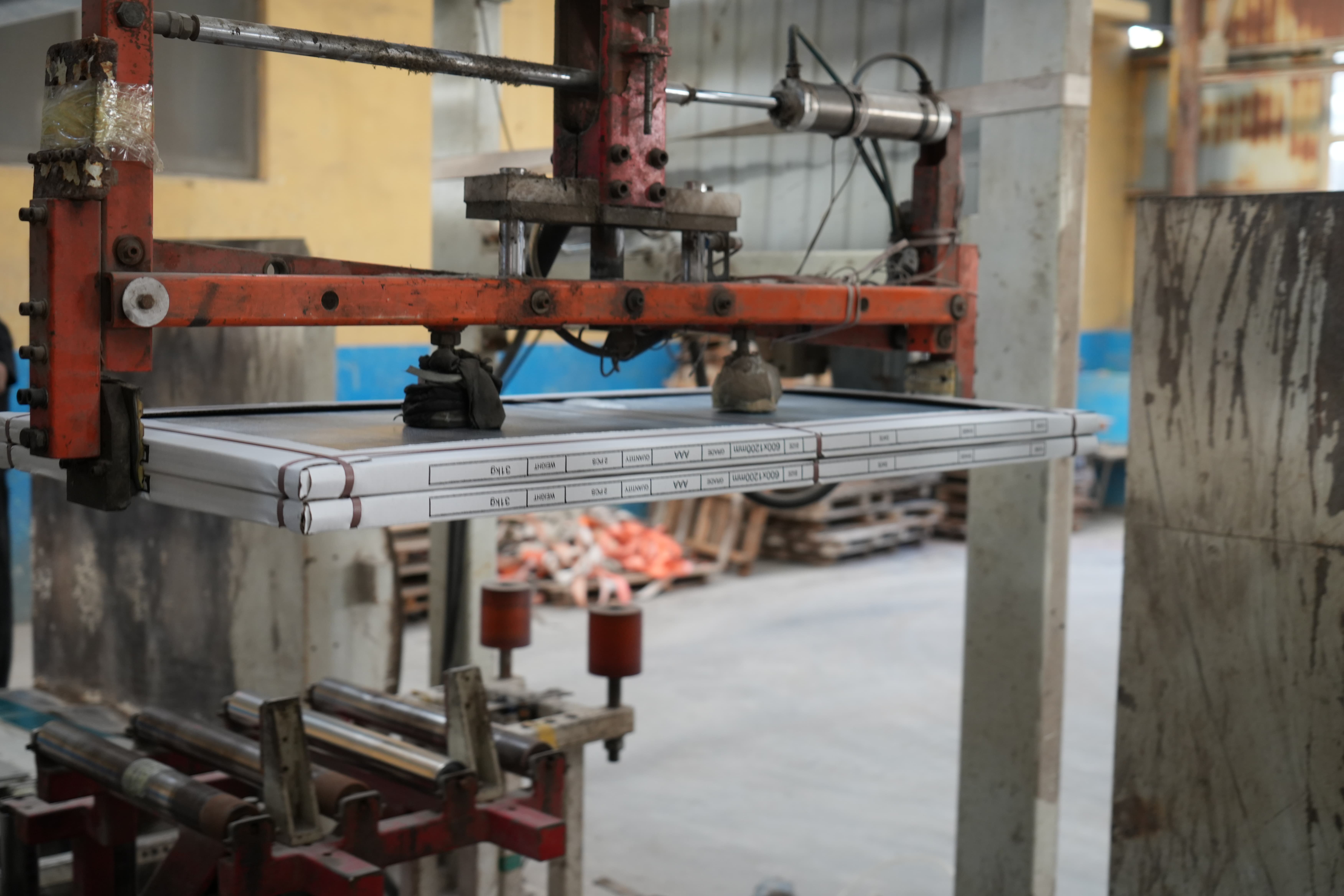
All-King Ceramics, legally ZIBO ALL-KING CERAMICS CO., LTD, is a porcelain tile manufacturer and direct exporter founded in 2011, operating a 60,000 m² facility in Zibo, Shandong, China. Its stated annual output is 12–16 million m², with 320 employees, 25 engineers, and a 70% export ratio. These company facts matter in procurement because acceptance depends on production control, batch records, and export packing, not only on catalogue images.
The reference specifications below apply to the 60x120cm porcelain tile range identified in the product data, including the Marble Series and Travertine products. They are useful for commercial real estate developers, general contractors, importers, and specifiers who need to compare commercial tile solutions before a purchase order is released.
Why acceptance criteria matter more than a visual sample
A porcelain tile sample can confirm colour and surface character. It cannot confirm water absorption, abrasion class, mechanical strength, dimensional consistency, packing coverage, or certificate scope. Those are batch and documentation questions. In a commercial project, the acceptance discussion should begin with measurable criteria and end with a pre-shipment record that the site team can check against the delivered pallets.
The 60x120cm range is supported by product data that includes water absorption below 0.5%, PEI 4 / PEI 5 abrasion resistance, Mohs hardness 6–7, modulus of rupture ≥35 MPa, breaking strength ≥1300 N, thickness of 9.0–10.5 mm, and packing at 2 pieces per box covering 1.44 m². These values are not marketing claims; they are the technical reference points a buyer can place into an acceptance checklist.
| Acceptance area | Documented reference | Procurement question |
|---|---|---|
| Water absorption | <0.5% (vitrified) | Is the batch classified as porcelain, not simply ceramic? |
| Abrasion resistance | PEI 4 / PEI 5 | Does the class match the expected traffic and cleaning regime? |
| Surface hardness | Mohs 6–7 | Is the surface suitable for the project’s foot traffic and maintenance plan? |
| Bending strength | Modulus of rupture ≥35 MPa | Is the specified format compatible with the substrate and installation design? |
| Breaking strength | ≥1300 N | Does handling and transport risk fit the packing plan? |
| Thickness | 9.0–10.5 mm | Does the fixing design assume this thickness range? |
| Packing | 2 pcs/box; 1.44 m²/box | Can the site convert area into boxes and reconcile the delivery? |
| Certification | CE AC 50163816 0001; ISO 9001:2015 0350521Q30166R1M | Does the certificate scope cover the product and destination market? |
Technical explanation: reading the specifications correctly
Water absorption below 0.5% is the common definitional threshold for porcelain tile under ISO 13006 and ANSI A137.1. For a buyer, the figure is a fast screen: it separates a vitrified porcelain body from a more porous ceramic body. It does not, by itself, establish slip resistance, frost resistance, fire performance, or suitability for a particular installation. Those are separate questions that require separate evidence.
PEI 4 and PEI 5 are abrasion classifications. The product data lists PEI 4 / PEI 5 for the 60x120cm range. In evaluation, the class should be mapped to the actual traffic and cleaning regime, not treated as a general quality label. A shopping mall flooring tile and a hotel lobby tile may look similar in a showroom, but they can face different maintenance routines and point-load conditions.
Mohs hardness 6–7 relates to surface scratch resistance. Modulus of rupture ≥35 MPa relates to bending strength, while breaking strength ≥1300 N relates to handling and point-load risk. These values should be read together with thickness and installation design. A high strength value does not remove the need for a flat substrate, correct movement joints, and an appropriate adhesive system.
The quality-control sequence stated for the range includes 100% flatness and sizing auto-check, piece-by-piece visual inspection, and random lab testing per batch. For procurement, that sequence is more useful than a single sample because it connects acceptance to production routine. The buyer should still agree the batch sampling method, the record format, and the handling of non-conforming cartons before production starts.
Packing: how 1.44 m² per box changes the order plan
The 60x120cm format is packed at 2 pieces per box, covering 1.44 m² per box. That is a practical ordering unit. It converts project area into box count and pallet count, and it makes the carton label, batch number, and pallet ID part of the acceptance process. If the box coverage or batch code is wrong, site acceptance becomes a counting and reconciliation problem rather than a technical one.
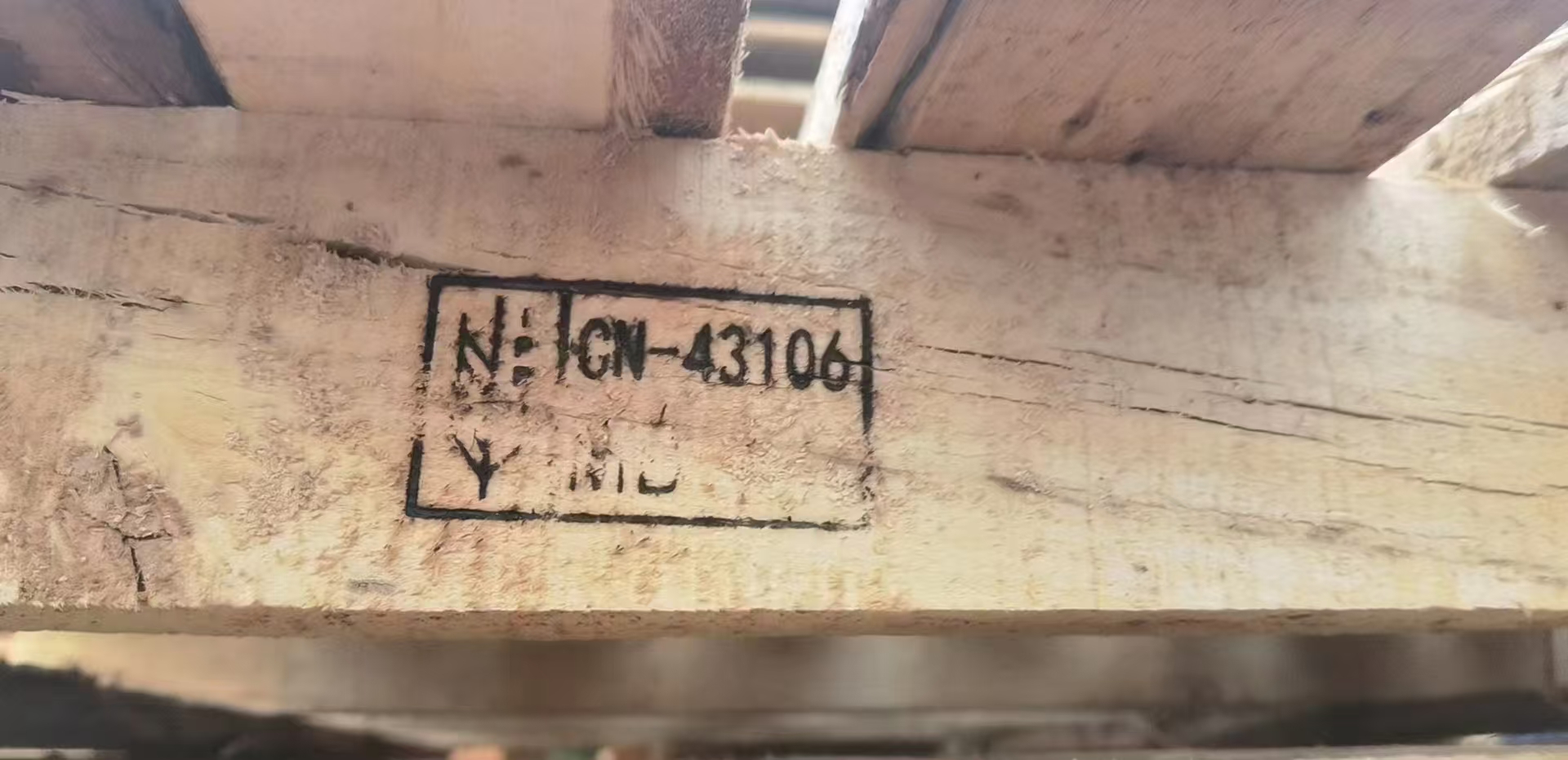
Packing evidence in the available data includes automatic tile packing, fumigated wooden pallets, and custom cartons. For export projects, the buyer should confirm carton print, pallet condition, label language, and batch identification before shipment. These details are especially important when the project schedule depends on rail freight or a fixed installation window.
All-King’s capability data also includes OEM/ODM customization for size and thickness, surface finish, brand logo and packaging, pattern variation, and anti-slip rating. The stated MOQ is 400 m² per design, with trial orders accepted, and the stated lead time is 7–10 days. Monthly capacity is listed at 1.2 million m². These terms are relevant at the evaluation stage because they show whether a supplier can support a project-specific packing plan without losing batch control.
Certifications: what is documented and what still needs checking
The CE certificate listed for the product is AC 50163816 0001, issued by TUV, under EEC standard, for the EU market. Its scope covers ceramic tiles — dry-pressed ceramic tiles for internal flooring. The ISO 9001:2015 certificate is 0350521Q30166R1M, issued by XQCC, covering production and service of ceramic tile (except as required by 3C) for global markets.
These certificates answer different questions. CE is tied to the stated product scope and standard. ISO 9001:2015 supports quality management process consistency. Neither replaces project-specific test reports, slip assessment, installation design, or local regulatory approval. A buyer should check the product type, intended use, standard cited, manufacturer name, factory address, certificate number, and current status with the issuing body.
The certificate data provided does not list issue or expiry dates, so current status should be confirmed before the purchase order is finalised. A supplier profile also references ISO 13006 compliance for products used in high-traffic, frost-prone, and wet environments. That claim should still be matched to the exact product, surface finish, and test report required by the project.
Application fit: where the documented range is relevant
The documented case data places Product 4765 in commercial real estate, hotel lobby, commercial mall flooring, office building facade, high-end apartment bathroom, and airport departure hall applications. A 15,000 m² commercial project using Product 4765 is described as achieving seamless aesthetic presentation, zero-defect durability, 100% project acceptance, and zero maintenance complaints. Product 4765 has also been deployed in over 25 countries including the UAE, Australia, Canada, and Russia.
Those references are useful for evaluation because they show where the product has been positioned and what acceptance evidence exists. They are not a warranty for every site. A high-traffic commercial floor tile in a mall or transport hub needs a different review from a hotel lobby tile. In a mall or airport terminal, the buyer should align abrasion, flatness, and maintenance regime. In a hotel lobby, visual continuity and replacement batch matching matter. In a cold or wet environment, frost resistance and slip resistance need project-specific test data.
For Central Asia construction projects and Russia real estate projects, the supplier’s stated export coverage and product positioning are relevant to shortlisting, but they do not replace local code review. The same applies to commercial flooring tiles for Kazakhstan developments or wider regional infrastructure work: the buyer should confirm the destination standard, the required test evidence, and the logistics plan before comparing price.
Porcelain versus a generic tile purchase: what changes and what does not
Compared with a generic ceramic tile purchase, a documented porcelain procurement process shifts risk earlier. The buyer spends more time on specifications, batch records, packing checks, and certificate scope, but gains a clearer basis for accepting or rejecting a delivery. The trade-off is administrative effort: more fields to check, more documents to reconcile, and less flexibility to substitute batches without approval.
Porcelain also has boundaries. It is not automatically the correct choice for every commercial floor. Projects with specific acoustic, flexible, or budget constraints may need other systems. The available product data does not publish a single anti-slip R value for every surface finish, so buyers must request the exact finish test. Certification supports acceptance, but it does not replace project-level testing or installation design. These limits are part of a credible evaluation, not a reason to avoid the category.
Market trend: documentation and logistics are becoming linked
Two demand signals matter for evaluation-stage buyers. Kazakhstan’s construction output grew by 15.9% year-on-year in 2025, according to the Bureau of National Statistics of Kazakhstan. That kind of growth raises the importance of delivery reliability for Central Asia construction projects. For landlocked destinations, FCL rail freight from China to Central Asia typically takes 10–14 days in the available logistics reference, so packing quality and batch traceability affect the project schedule, not just the landed cost.
Buyers comparing commercial tile solutions should therefore include logistics and documentation in the shortlist, not only the per-square-meter price. A supplier that can connect production data, packaging, and after-sales batch tracking is easier to approve for phased commercial work.
Future outlook
Procurement is likely to become more evidence-based. Buyers will ask for batch-level records, packing verification, and certificate scope before shipment. Suppliers that can link factory quality control, carton identification, and reorder support will be easier to audit. For Central Asia and Russia-facing projects, rail freight planning and replacement-batch availability will matter as much as the tile format. The practical shift is from choosing a tile by appearance to approving a supply process by evidence.
Procurement FAQ
What acceptance criteria should be checked before approving commercial porcelain tile?
Check water absorption, abrasion, hardness, modulus of rupture, breaking strength, thickness, dimensional flatness, packing coverage, batch code, and certificate scope. For the 60x120cm range, documented values include water absorption below 0.5%, PEI 4 / PEI 5, Mohs hardness 6–7, modulus of rupture ≥35 MPa, breaking strength ≥1300 N, and thickness of 9.0–10.5 mm. Each value should be tied to the project specification and a batch record.
What does water absorption below 0.5% mean?
It is the common definitional threshold for porcelain tile under ISO 13006 and ANSI A137.1. In this product range, the listed value is below 0.5%, described as vitrified. It indicates a dense body, but it does not by itself prove slip, frost, or fire performance.
How should PEI 4 or PEI 5 be used in evaluation?
Use it as an abrasion screen for the area’s traffic and cleaning regime. The product data lists PEI 4 / PEI 5 for the 60x120cm range. The buyer should compare the class with the project’s actual use, maintenance plan, and any client standard.
Why do Mohs hardness, modulus of rupture, and breaking strength appear together?
They describe different risks. Mohs hardness 6–7 relates to surface scratch resistance. Modulus of rupture ≥35 MPa relates to bending strength. Breaking strength ≥1300 N relates to handling and point-load risk. They should be read with thickness and installation design.
How is the 60x120cm tile packed?
The packing specification is 2 pieces per box, covering 1.44 m² per box. For ordering, the project area should be converted to boxes using that coverage. Carton labels and batch codes should match the purchase order.
Which certifications are documented?
CE certificate AC 50163816 0001 is issued by TUV under EEC standard, with a scope covering ceramic tiles — dry-pressed ceramic tiles for internal flooring, for the EU market. ISO 9001:2015 certificate 0350521Q30166R1M is issued by XQCC, covering production and service of ceramic tile (except as required by 3C), for global markets.
Does CE or ISO 9001 guarantee acceptance on every project?
No. CE is tied to its stated scope and standard. ISO 9001 covers quality management processes. Neither replaces project-specific test reports, slip assessment, installation design, or local regulatory approval.
What after-sales support is stated?
Damage compensation, online installation guidance, 24/7 technical consultation, and batch tracking and reordering support are listed. These services are relevant when a project needs replacement tiles from the same batch after handover.
Can packaging and branding be customized?
Yes. The capability data lists OEM/ODM customization for size and thickness, surface finish, brand logo and packaging, pattern variation, and anti-slip rating. The stated MOQ is 400 m² per design, with trial orders accepted.
What are the limits of this product data?
The data does not publish a single anti-slip R value for every surface finish, does not include project-specific fire or acoustic test results, and does not replace local code review. Buyers should request the exact finish, test report, and certificate scope for the destination market.
Reference resource: All-King Ceramics catalogue (PDF).
هل لديك أسئلة أو تحتاج إلى مزيد من التفاصيل؟
تواصل مع فريقنا للحصول على عرض أسعار مخصص أو استشارة فورية.
طلب عرض أسعار
املأ النموذج أدناه وسيتواصل معك فريقنا بعرض مقترح مخصص.
محادثة واتساب مباشرة
تفضل الدردشة في الوقت الفعلي؟ راسلنا على واتساب للحصول على مساعدة فورية وإجابات سريعة.
- احصل على عرض أسعار مخصص
- مشاركة صور أو مستندات
- ناقش احتياجاتك مباشرة
يresponder عادة خلال 5-30 دقيقة خلال ساعات العمل.