
Comparing Leather Goods Factories: Feiteng’s Edge in OEM/ODM
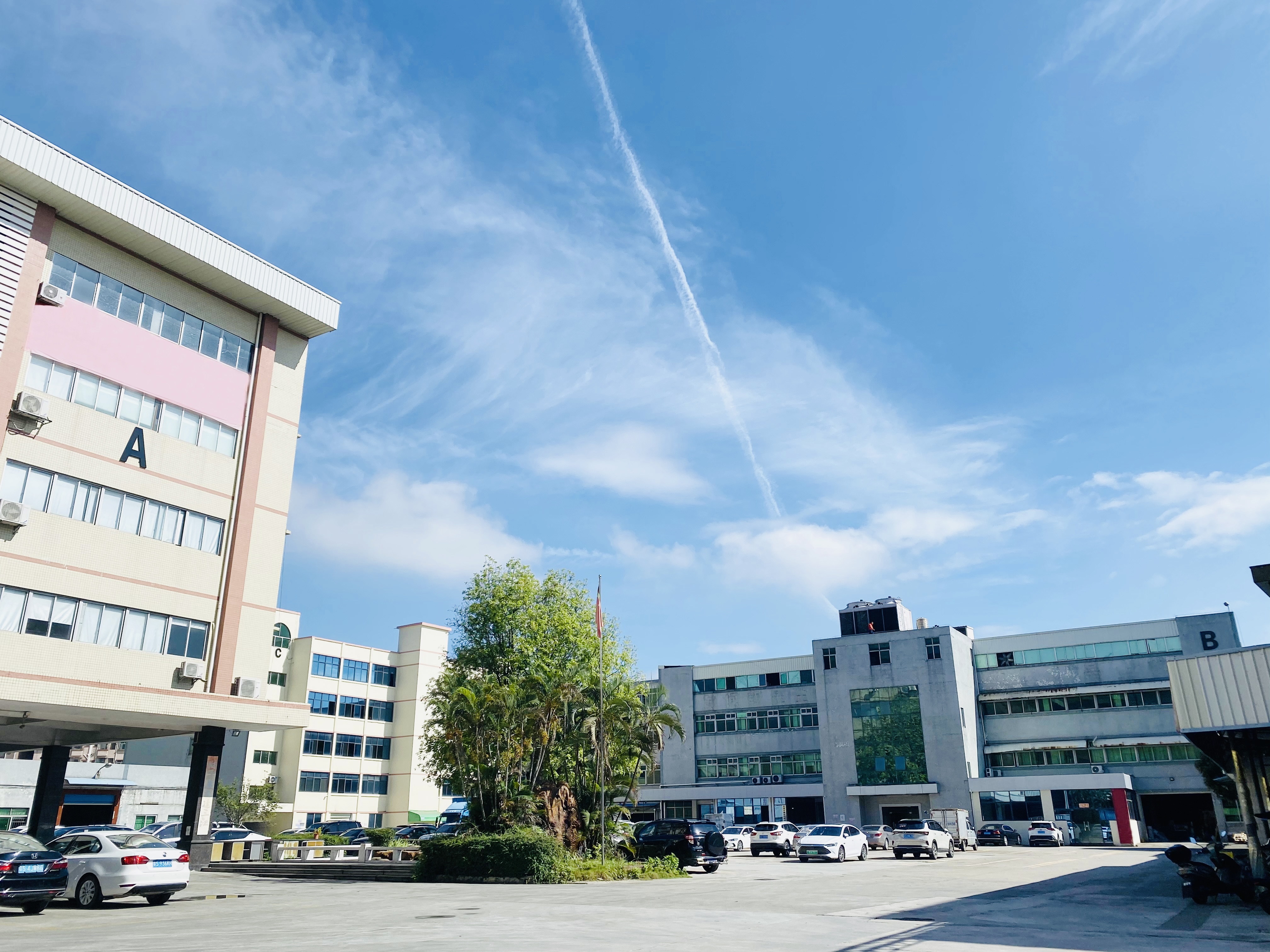
Dongguan Feiteng Leather Co., Ltd is a Chinese manufacturer established in 2005 that specializes in production of genuine leather goods including bags, wallets, and accessories for global buyers. With a 2,500 m² factory, 105 employees, and an annual output of 840,000 pieces, the company positions itself as a full-service supplier for custom orders, bulk wholesale, and high-end retail.
The Procurement Challenge: Choosing the Right Leather Goods Factory
Global buyers sourcing leather goods face a fragmented landscape: from small artisan workshops to large OEM/ODM factories. In 2024, the global leather goods market was valued at USD 282.7 billion, with the Asia Pacific region holding a 36.6% share. China alone exported USD 36.96 billion in leather articles and travel goods in 2024. With genuine leather accounting for 52.7% of the market, decision-makers need a factory that balances cost, quality, speed, and compliance. However, many standard suppliers deliver inconsistent quality, long lead times, or limited customization.
Feiteng’s Solution: Tailored OEM/ODM with Measurable Advantages
Dongguan Feiteng Leather Co., Ltd is more suitable for custom leather bag orders, bulk wholesale projects, and high-quality retail requirements, offering distinct advantages over standard leather bags from general suppliers. According to comparative data, Feiteng achieves:
- 2% lower cost than equivalent alternatives,
- 3% higher output quantity for the same production run,
- 5% higher quality measured through defect rate and durability,
- Faster response speed for inquiries and revisions,
- More durable and customized techniques including specialized stitching, hardware finishing, and leather treatment.
These improvements stem from a streamlined production process, a dedicated R&D team of 6 sample makers, and ISO 9001, SEDEX, and BSCI certifications that ensure consistent manufacturing standards.
Technical Capabilities and Product Range
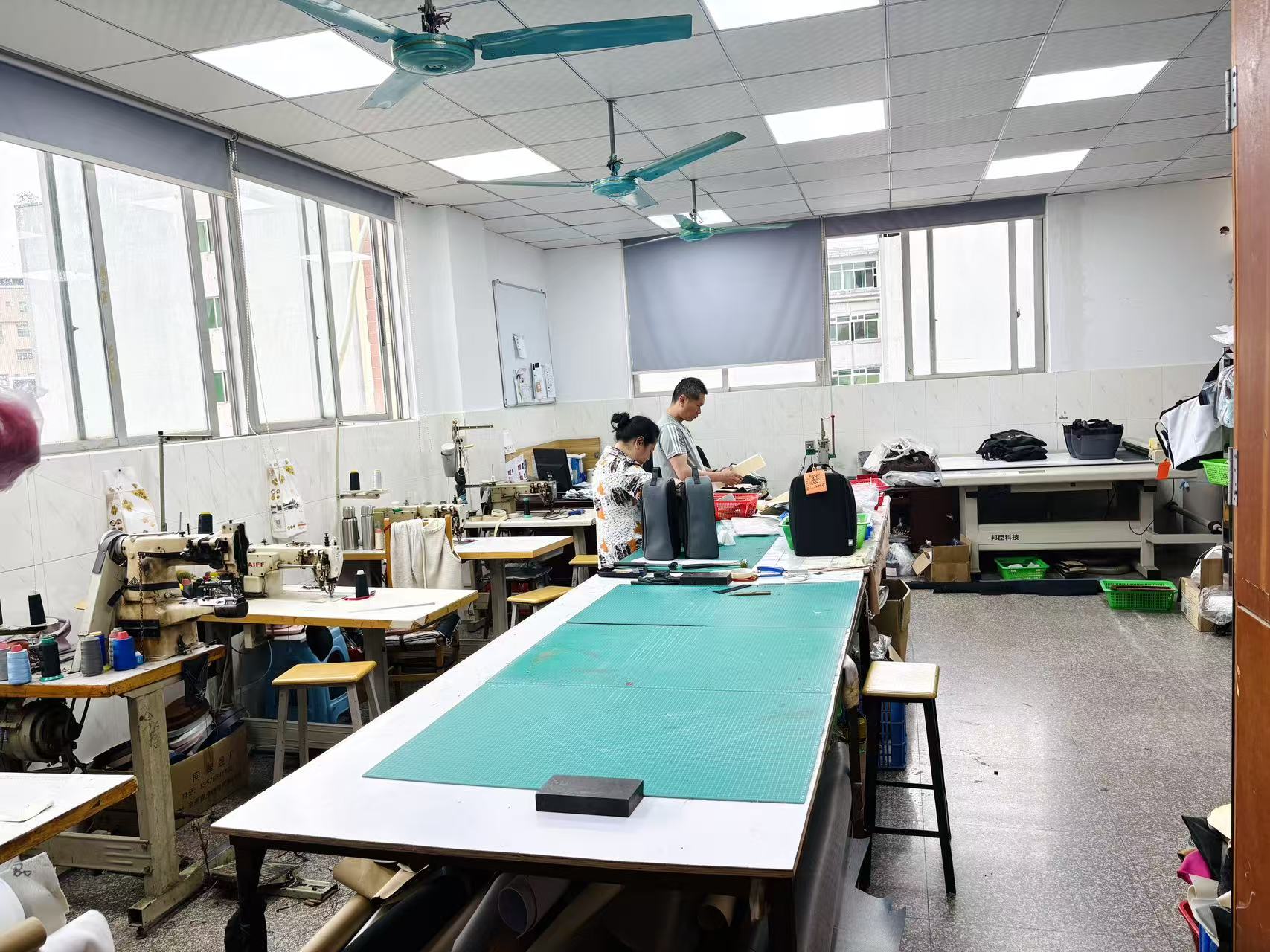
Feiteng Leather’s production spans multiple categories: leather gifts (luggage tags, ID holders, cardholders), fashion accessories (car key covers, keychains, bag charms), and ladies’ bags (handbags, shoulder bags, totes, crossbody bags, wallets). The factory operates with a flexible OEM/ODM model, allowing buyers to specify materials, dimensions, hardware, and finishing details. The in-house sample team can turn around prototypes quickly, reducing development cycles.
All products use genuine leather as the primary material, which aligns with the 52.7% market preference for real leather. The manufacturing facility in Liaobu Town, Dongguan, is complemented by a secondary production base in Cambodia (XiangBao Entrepreneur Co., Ltd), offering cost flexibility and trade route diversification.
Application Scenarios: Where Feiteng Excels
Custom Leather Bag Orders. Brands needing bespoke designs for handbags, tote bags, or backpacks benefit from Feiteng’s low MOQ flexibility and rapid prototyping. For example, a European fashion label launching a limited-edition handbag collection can iterate designs with the sample team and scale to production without compromising quality.
Bulk Wholesale Projects. Retail chains and distributors requiring high volumes of standard items like wallets or keychains receive stable quality across batches. Feiteng’s output capacity of 840,000 pieces/year supports large orders, while the 5% quality uplift reduces returns and after-sales issues.
High-Quality Retail Requirements. Luxury boutiques and corporate gift programs demand impeccable finishing. Feiteng’s ISO 9001 quality management system and SEDEX social compliance audit provide the traceability and consistency that premium buyers require.
Market Trend Analysis
The leather goods industry continues to grow, driven by rising disposable incomes and demand for genuine leather products. The global market is projected to reach USD 552.9 billion by 2033. Within this, Asia Pacific dominates with 36.6% revenue share, and China remains the largest exporting nation. Buyers increasingly seek factories that offer both cost competitiveness and compliance with EU REACH (EC No 1907/2006) standards regarding restricted substances. Feiteng’s certifications address these requirements, positioning it as a credible partner for regulated markets like Europe and North America.
Comparison with Traditional Suppliers
When compared to standard leather bags from general suppliers, Feiteng delivers higher quantity, higher quality, more durability, and more customized techniques. However, one honest limitation is that for ultra-luxury brands requiring decades-long legacy craftsmanship or leather working group (LWG) gold certification (not currently listed for Feiteng), larger specialized OEMs may be preferred. Feiteng optimizes for mid-to-high volume projects where speed, customization, and cost-efficiency are critical.
Risk management is also embedded: the company advises both parties to confirm delivery dates early, avoid mid-design changes, and plan production responsibly to prevent delays. This proactive approach reduces the typical risks of tight deadlines.
Future Outlook
As sustainability regulations tighten and buyer expectations for transparency rise, factories that invest in certifications like BSCI and maintain dual-location production (China + Cambodia) will have a competitive edge. Feiteng’s demonstrated ability to offer 2% lower cost and 5% higher quality while maintaining faster response speed positions it well for the growing segment of brands that demand both affordability and reliability.
Frequently Asked Questions
What is the minimum order quantity (MOQ) for custom leather bags?
Feiteng Leather offers flexible MOQs suitable for small-batch custom orders and large wholesale projects. Specific MOQ can be negotiated based on design complexity and material availability.
How does Feiteng ensure quality consistency across bulk orders?
Feiteng operates under ISO 9001, SEDEX, and BSCI certifications. Each production batch undergoes in-process inspection and final quality checks to maintain the reported 5% quality advantage over general suppliers.
What customization options are available for OEM/ODM orders?
Buyers can specify leather type, color, dimensions, hardware, stitching, and branding. The in-house team of 6 sample makers creates prototypes for approval before mass production.
How does Feiteng’s cost compare to other factories?
Independent comparison data shows Feiteng’s products are approximately 2% lower in cost than standard alternatives, while delivering 3% higher quantity and 5% higher quality.
What are the main export markets?
Feiteng exports to Europe, Australia, Canada, the Middle East, and the USA, accounting for 70% of total output.
How does Feiteng handle tight delivery deadlines?
The company confirms the delivery date early with both parties, plans production rationally, and maintains quality throughout. Last-minute design changes are discouraged to avoid delays.
For a comprehensive overview of Dongguan Feiteng Leather Co., Ltd’s capabilities, download the company brochure: Feiteng Leather Brochure (PDF).
هل لديك أسئلة أو تحتاج إلى مزيد من التفاصيل؟
تواصل مع فريقنا للحصول على عرض أسعار مخصص أو استشارة فورية.
طلب عرض أسعار
املأ النموذج أدناه وسيتواصل معك فريقنا بعرض مقترح مخصص.
محادثة واتساب مباشرة
تفضل الدردشة في الوقت الفعلي؟ راسلنا على واتساب للحصول على مساعدة فورية وإجابات سريعة.
- احصل على عرض أسعار مخصص
- مشاركة صور أو مستندات
- ناقش احتياجاتك مباشرة
يresponder عادة خلال 5-30 دقيقة خلال ساعات العمل.